Artwork
Jean Paul Bignon, Abbe du St. Quentin
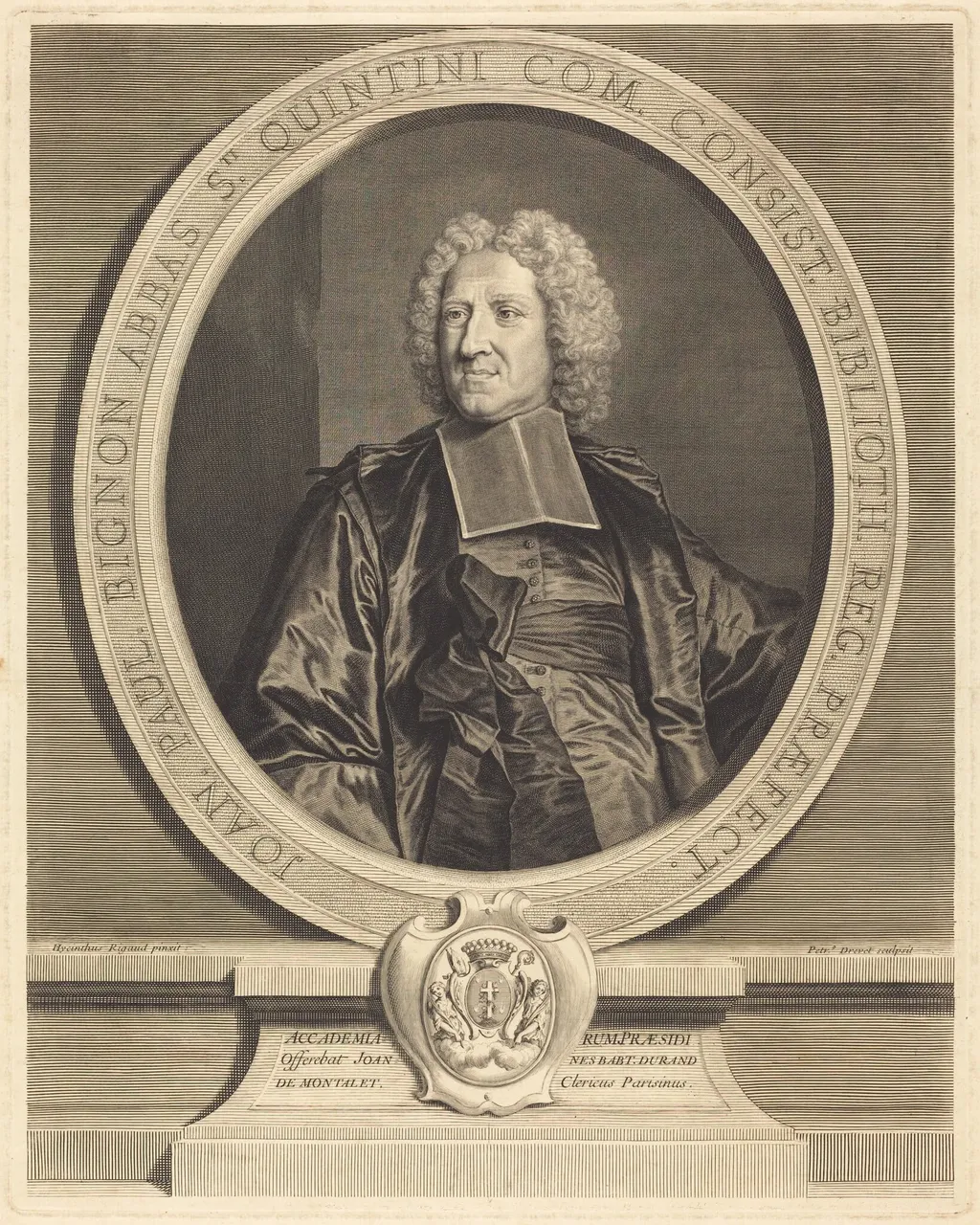
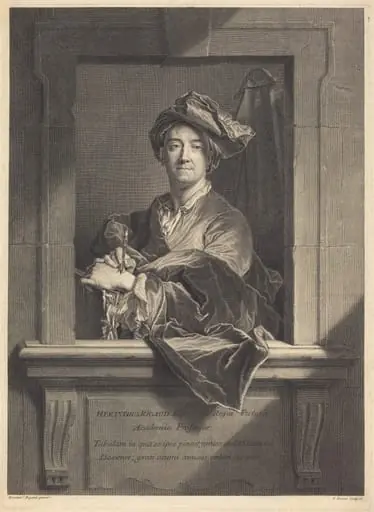
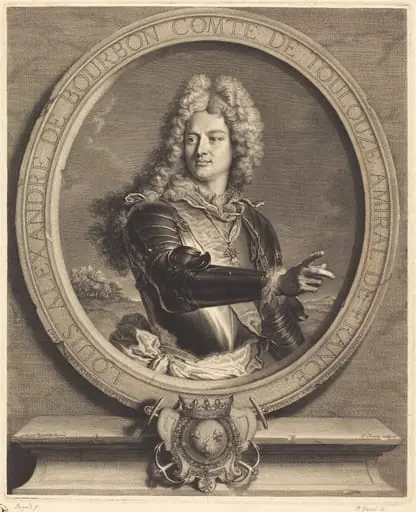
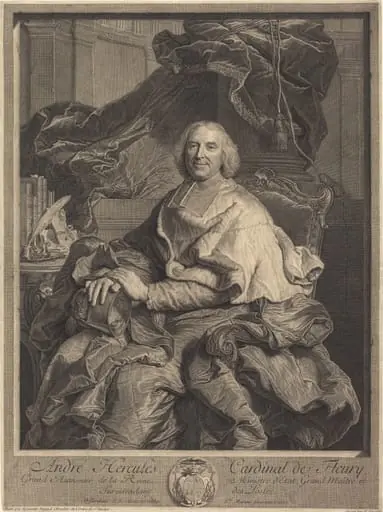
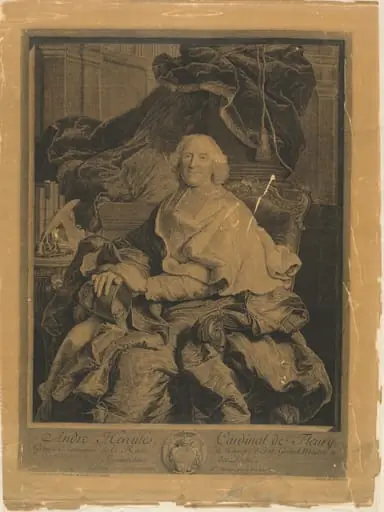
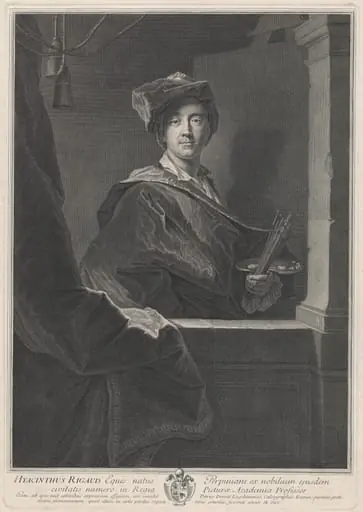
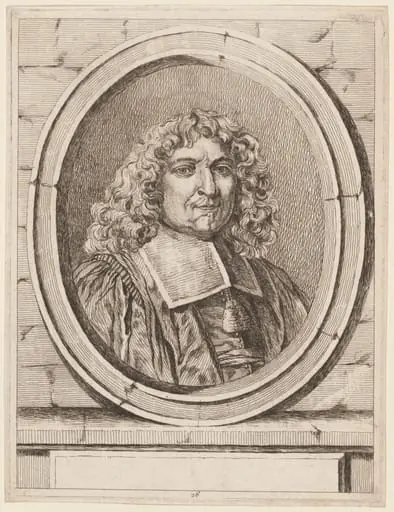
Jean Paul Bignon, Abbe du St. Quentin is an ink print by the Baroque artist Pierre Drevet. It dates from 1700 and is held in the collection of the National Gallery of Art.
About this work
Overview
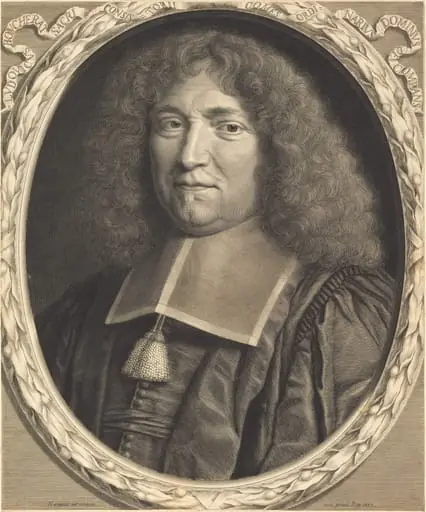
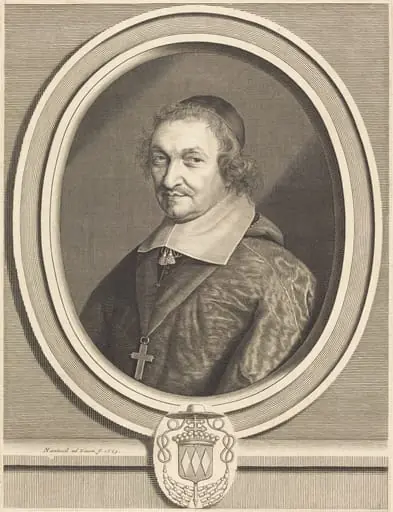
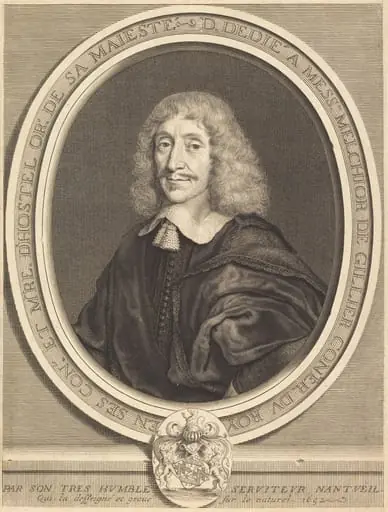
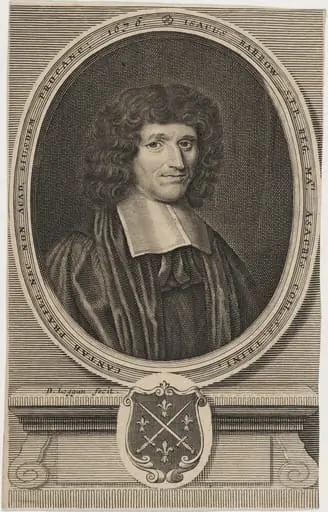
This 1700 engraving by Pierre Drevet presents a formal portrait of Jean Paul Bignon, Abbot of Saint-Quentin.
This 1700 engraving by Pierre Drevet presents a formal portrait of Jean Paul Bignon, Abbot of Saint-Quentin. Executed in the precise, line-based technique characteristic of French academic engraving, the work captures Bignon from the waist up against a neutral gray field. Drevet, a member of a prominent dynasty of engravers, rendered the subject with meticulous attention to texture and tonal gradation, reflecting the era’s emphasis on dignified representation.
Subject & Meaning
Jean Paul Bignon, a respected cleric and scholar, is depicted with solemnity and composure, befitting his ecclesiastical status. His dark robe and high collar signify his position within the Church, while his curled hair and direct gaze convey intellectual authority. The absence of symbolic objects or elaborate setting focuses attention on his demeanor, suggesting a portrait intended to communicate gravitas rather than narrative.
Technique & Style
Pierre Drevet employed fine, controlled engraving lines to model form and texture, particularly in the folds of fabric and the softness of hair. Shading is achieved through cross-hatching and varying line density, creating a sense of volume without color. The plain background eliminates distraction, reinforcing the portrait’s clarity and restraint. This approach aligns with the French tradition of portrait engraving, prioritizing precision over theatricality.
History & Provenance
The engraving was produced during the height of the Drevet family’s influence in French printmaking, a lineage known for its technical rigor and association with royal and ecclesiastical patrons. While specific early ownership records are not documented, such portraits were commonly circulated among learned circles as tokens of intellectual and religious prestige, reinforcing the subject’s public image.
Context
Created in the early 18th century, the portrait reflects the enduring influence of Baroque portraiture in France, where clarity, dignity, and controlled emotion dominated visual representation of clergy and elites. Though less ornate than Italian or Flemish equivalents, French engravings like this one emphasized restraint and fidelity to the sitter’s bearing, serving both commemorative and propagandistic functions within institutional networks.
Legacy
Pierre Drevet’s engraving of Bignon exemplifies the standard of academic portraiture in early modern France. Though not widely reproduced today, it remains a representative example of how clerical authority was visually codified through print. The Drevet workshop’s influence extended into royal commissions, and this work contributes to a broader understanding of how intellectual figures were memorialized in the age before photography.
Artist & collection
Artist
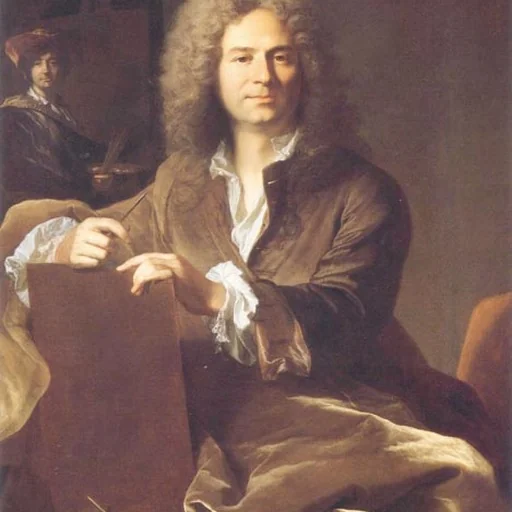
The Drevet Family were leading portrait engravers of France for over a hundred years. Their fame began with Pierre, and was sustained by his son, Pierre-Imbert, and by his nephew, Claude.