Artwork
Leon-Bouthillier, Comte de Chavigny
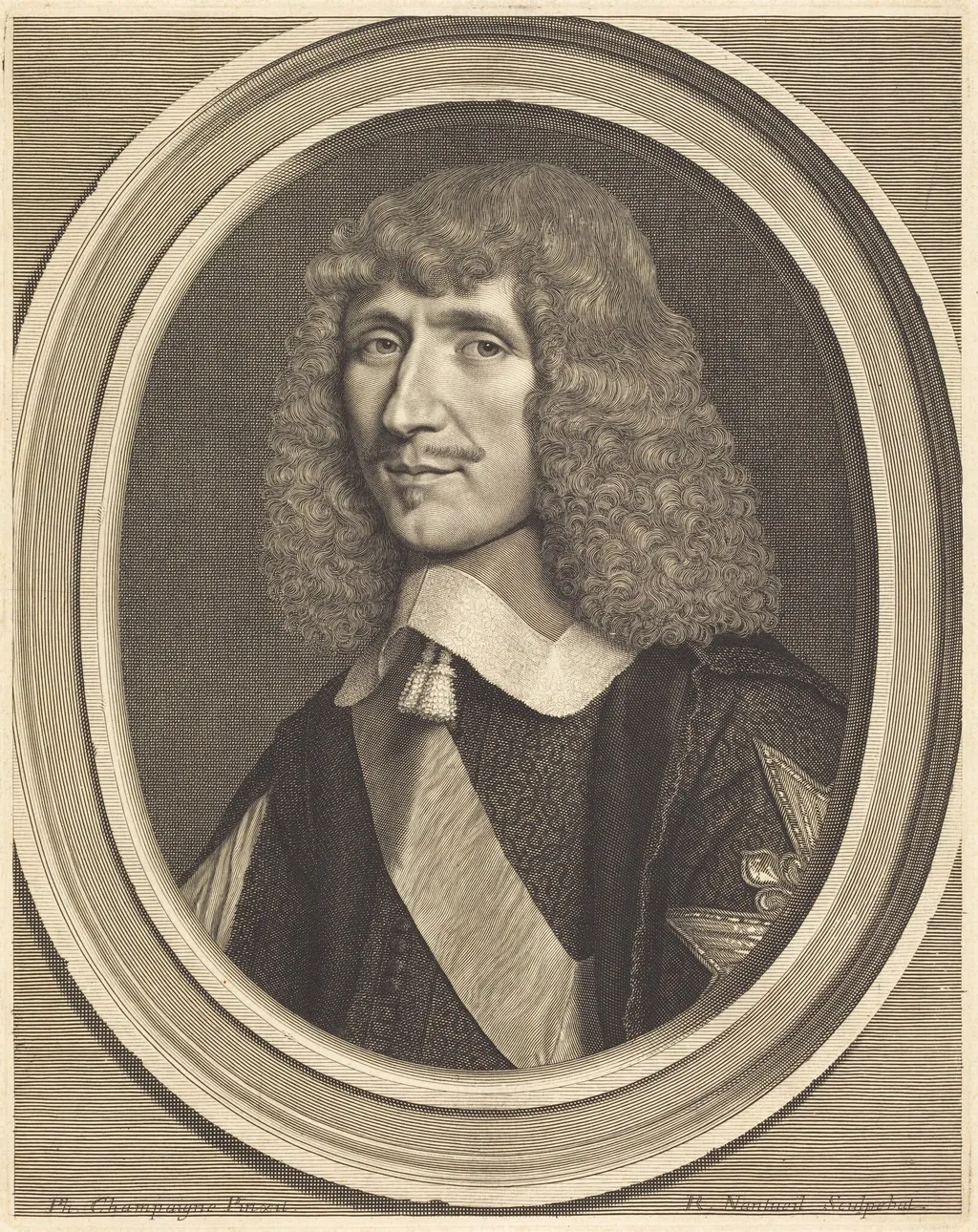
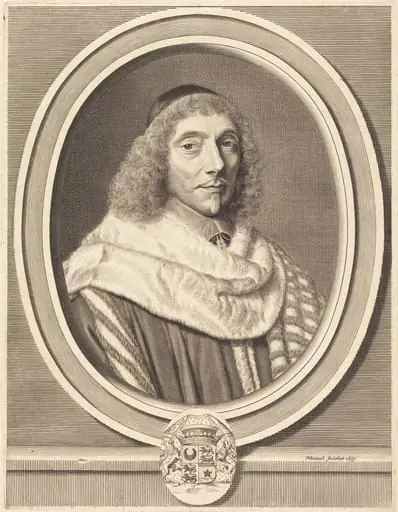
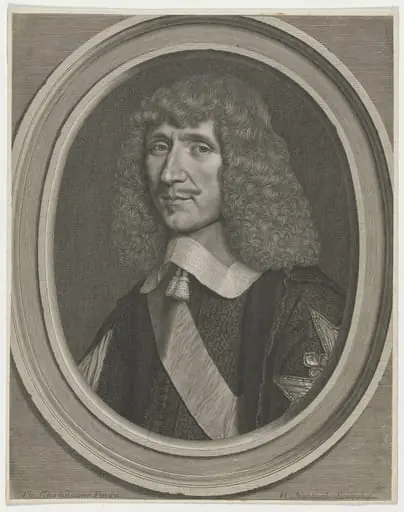
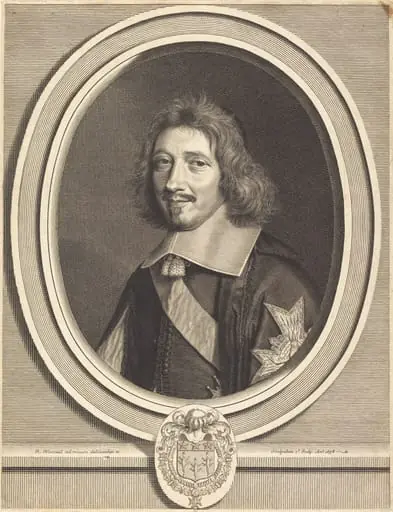
Leon-Bouthillier, Comte de Chavigny is an ink print by the Baroque artist Robert Nanteuil. It dates from 1651 and is held in the collection of the National Gallery of Art.
About this work
Overview
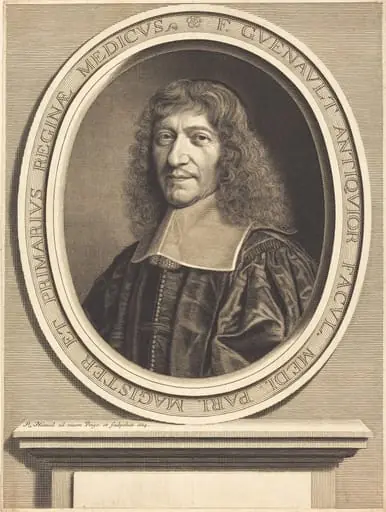
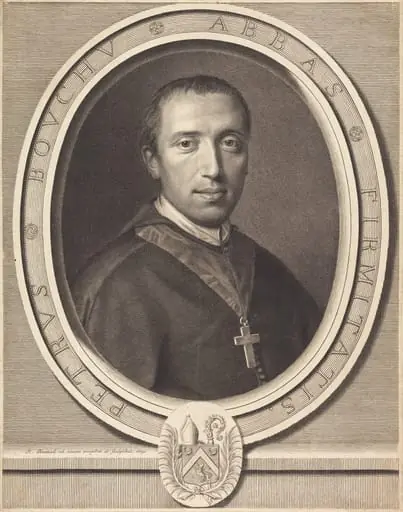
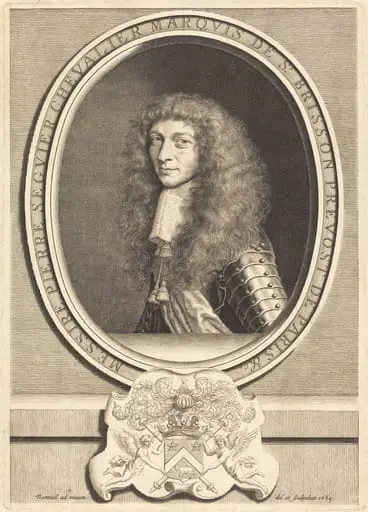
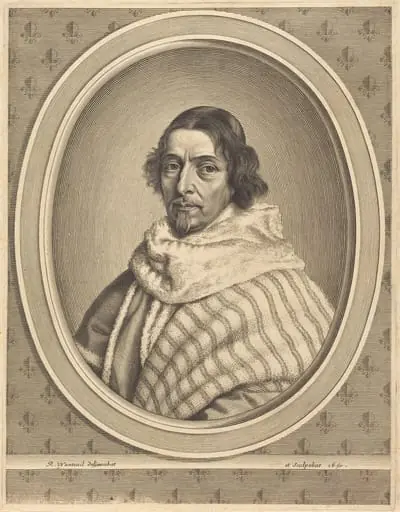
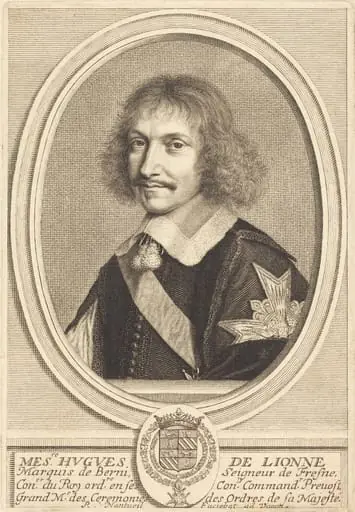
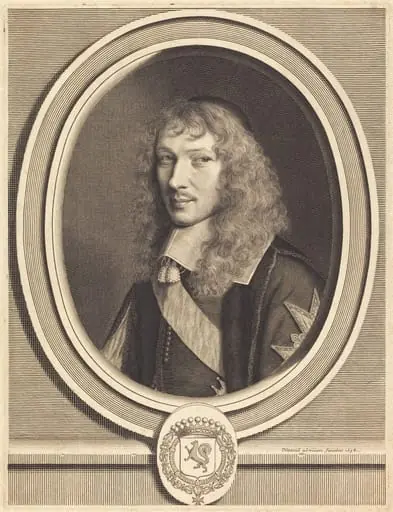
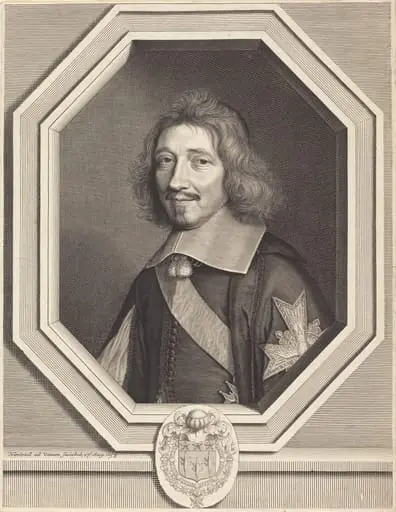
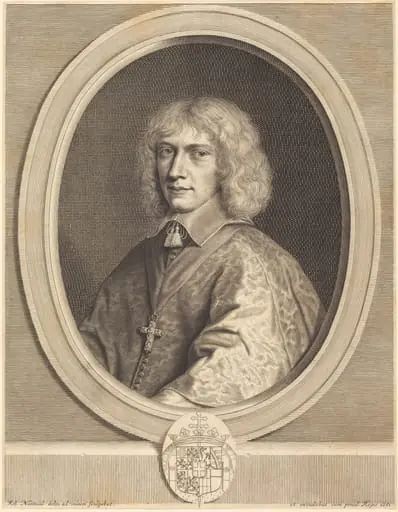
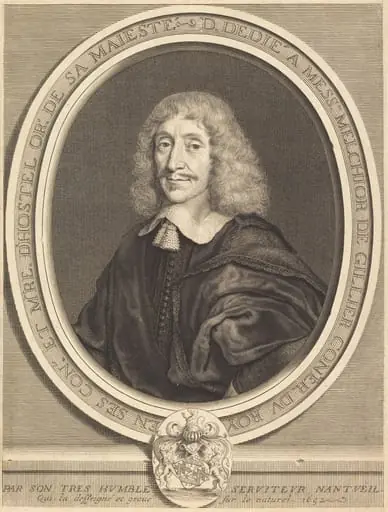
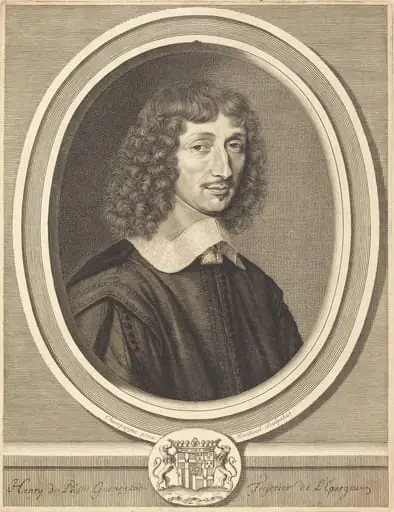
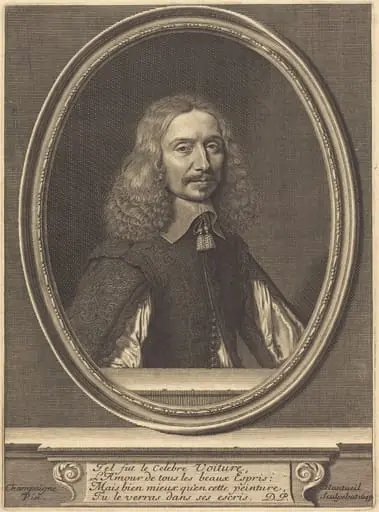
This 1651 engraving presents Léon-Bouthillier, Comte de Chavigny, rendered by the French court engraver Robert Nanteuil. Executed in black ink on paper, the print captures the nobleman in a half‑length pose, his features set against a dark, unadorned backdrop that emphasizes the figure’s presence.
Subject & Meaning
The sitter, Léon-Bouthillier, held the title of Comte de Chavigny and was a prominent figure in mid‑seventeenth‑century France. His serious expression and formal attire—dark jacket, white collar, and sash—convey the dignity and authority expected of a high‑ranking court official.
Technique & Style
Nanteuil employed fine cross‑hatching to model the facial features and the texture of the hair, creating subtle gradations of tone. The contrast between the illuminated figure and the deep background demonstrates the engraver’s skill in manipulating line density to suggest volume and depth.
Context
Working under Louis XIV, Nanteuil was renowned for his portrait engravings, which served both as personal commemorations and as visual records of the royal entourage. This print reflects the period’s taste for restrained, dignified portraiture that highlighted status through precise rendering rather than elaborate ornamentation.
History & Provenance
The engraving was produced in Paris in 1651, likely commissioned for the Comte’s own collection or for dissemination among his peers. It remains an example of Nanteuil’s prolific output, which was widely circulated in the French court and beyond during the early modern era.
Artist & collection
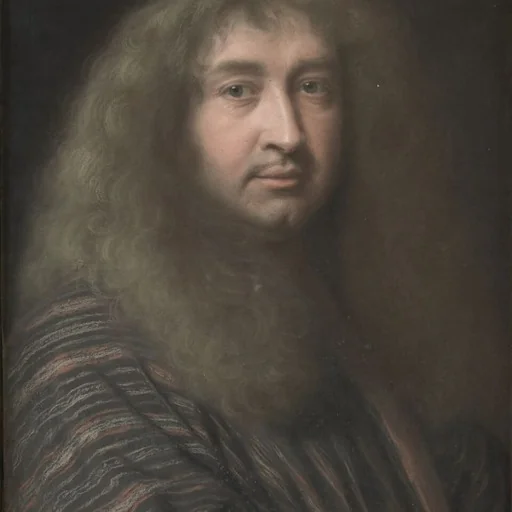
Artist
Robert Nanteuil (French pronunciation: ; 1623 – 9 December 1678) was a French portrait artist: engraver, draughtsman and pastellist to the court of Louis XIV.