Artwork
Cristos în glorie
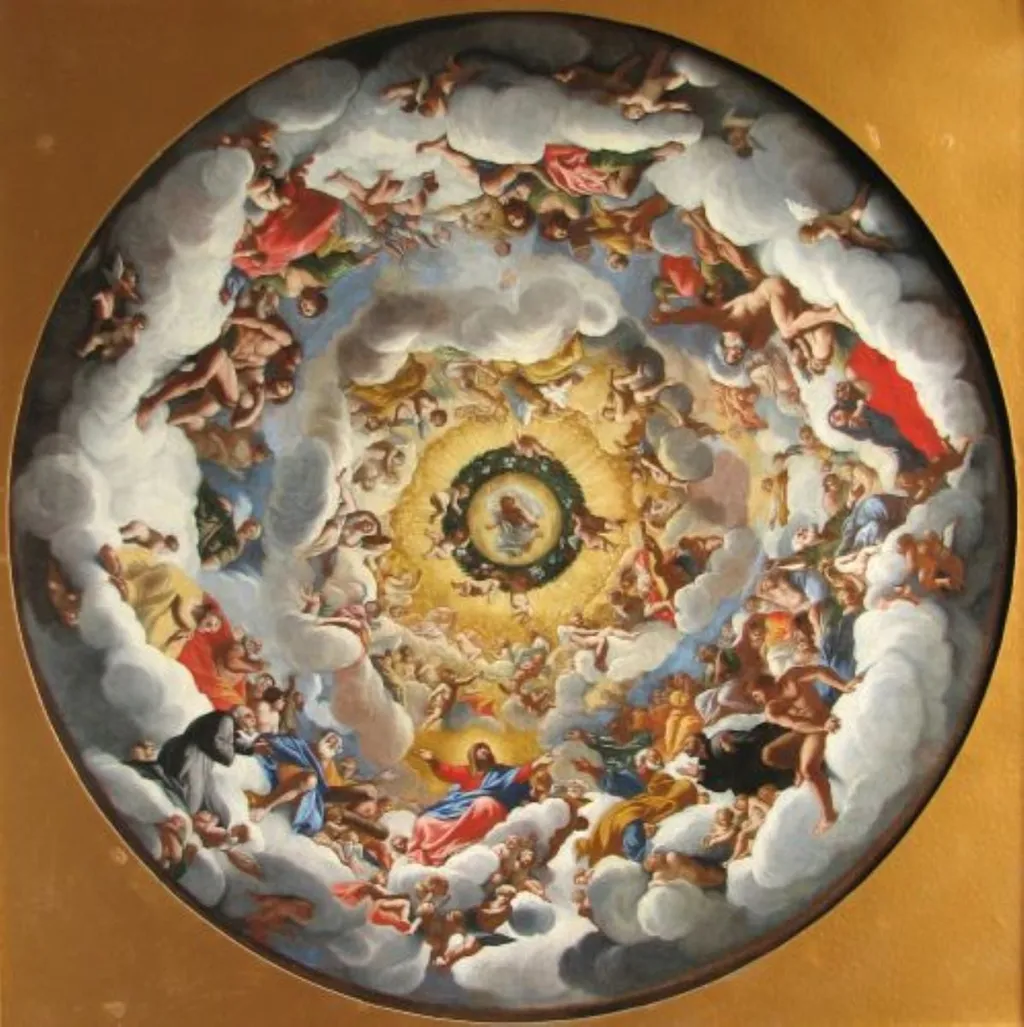
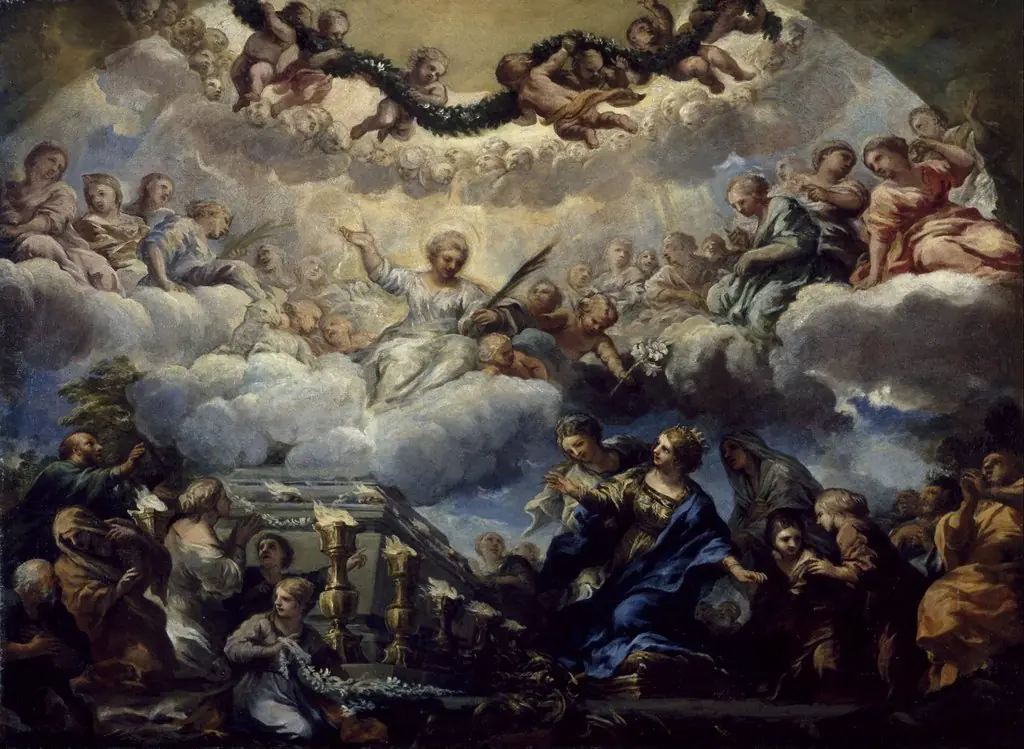
Cristos în glorie is an unspecified painting by the Baroque artist Sisto Badalocchio. It is held in the collection of the Brukenthal National Museum. This painting depicts a celestial assembly centered on a radiant figure seated on a throne, surrounded by angels and celestial beings.
About this work
Overview
The composition is dominated by a luminous sky rendered in soft blues, golds, and whites, with accents of deep red and green in the garments.
This painting depicts a celestial assembly centered on a radiant figure seated on a throne, surrounded by angels and celestial beings. The composition is dominated by a luminous sky rendered in soft blues, golds, and whites, with accents of deep red and green in the garments. The figures appear suspended in midair, arranged in a dynamic yet harmonious formation that suggests movement and reverence. The use of light and shadow creates a sense of depth and volume, drawing attention to the central figure.
Subject & Meaning
The central figure, haloed and enthroned, represents Christ in glory, a common motif in Christian iconography symbolizing divine authority and resurrection. The surrounding angels, musicians, and figures holding symbolic objects—books, banners—suggest a heavenly court in worship or procession. The scene conveys theological themes of divine judgment, eternal praise, and the communion of saints, reflecting medieval and Renaissance spiritual ideals rather than a literal narrative.
Technique & Style
The artist employs chiaroscuro to model forms against the luminous background, giving the figures a three-dimensional presence despite their ethereal setting. Soft gradations of color and delicate brushwork define the clouds and garments, while gold highlights emphasize sacred elements. The figures are rendered with idealized proportions and expressive gestures, aligning with late medieval and early Renaissance conventions that prioritized spiritual symbolism over naturalistic detail.
History & Provenance
The painting’s origins are not fully documented, but its style and iconography suggest it was created in a European religious context between the 14th and 16th centuries. Likely commissioned for a church or monastery, it may have served as an altarpiece or devotional image. Its survival indicates it was preserved through periods of religious upheaval, possibly due to its aesthetic or liturgical significance within its original community.
Context
This work emerged during a period when visual representations of heavenly realms were central to Christian worship, especially in regions where literacy was limited. Depictions of Christ in glory reinforced doctrinal teachings about salvation and divine order. Similar imagery appears in illuminated manuscripts, stained glass, and frescoes across Europe, reflecting shared theological and artistic traditions among monastic and ecclesiastical patrons.
Legacy
Though not widely attributed to a known master, the painting exemplifies a persistent visual language of celestial hierarchy that influenced later Baroque and even Neoclassical religious art. Its emphasis on luminous space and symbolic gesture contributed to the enduring visual vocabulary of divine representation in Western art, even as theological interpretations evolved beyond its original context.
Artist & collection
Artist
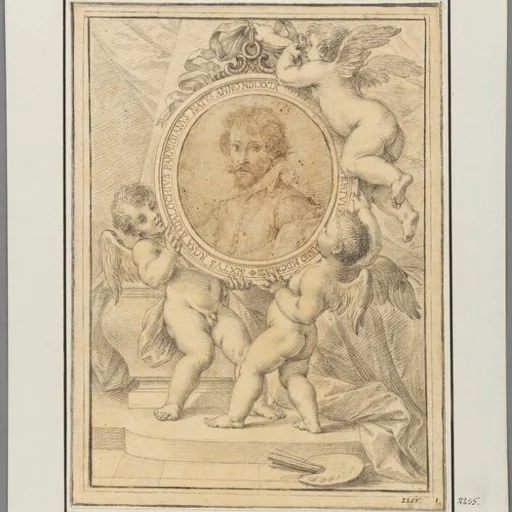
Sisto Badalocchio Rosa (28 June 1585 – c. 1619-1647) was an Italian Baroque painter and engraver of the Bolognese School.


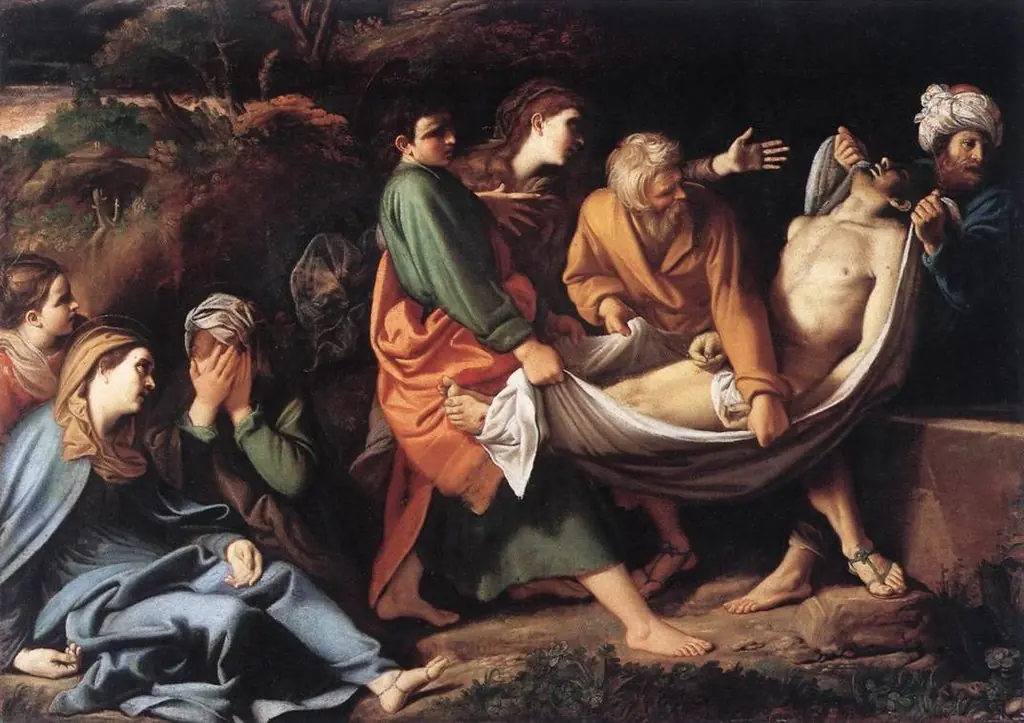
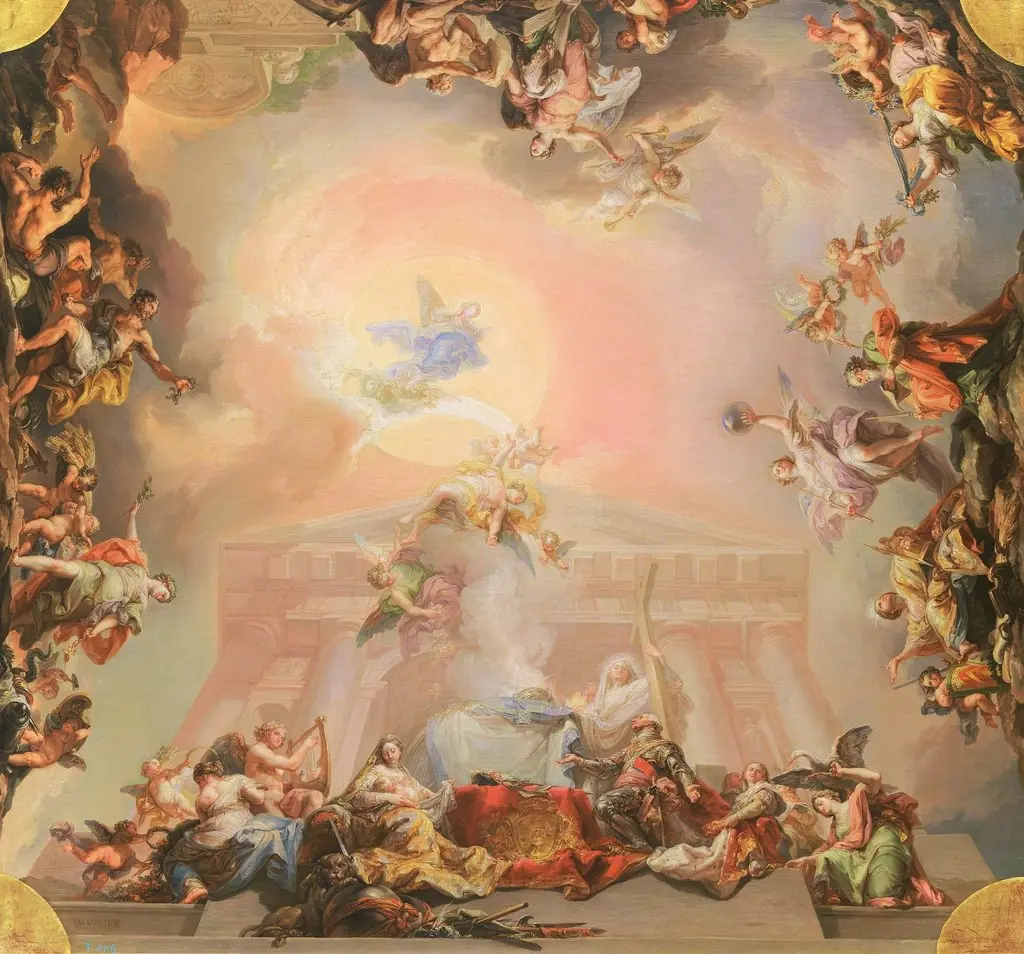 Sketch for Allegory of the Institution of the Order of Charles III
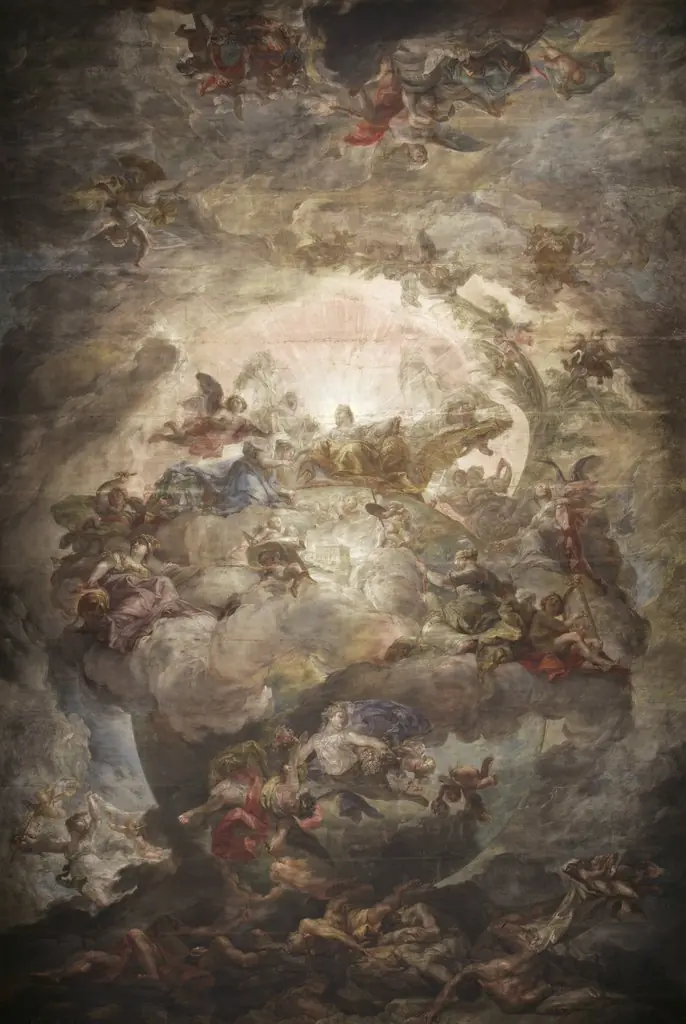 Allegory of the donation of the Casino to Queen María Isabel de Braganza by the Municipality of Madrid
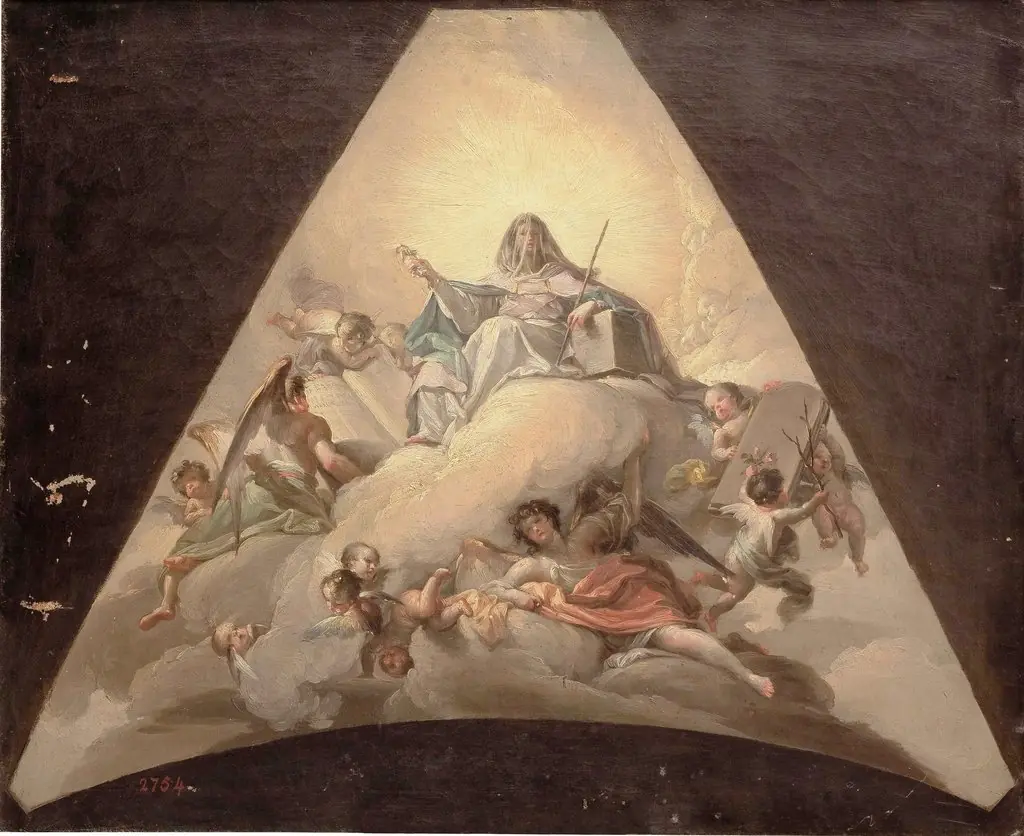 Alegoría de la Iglesia
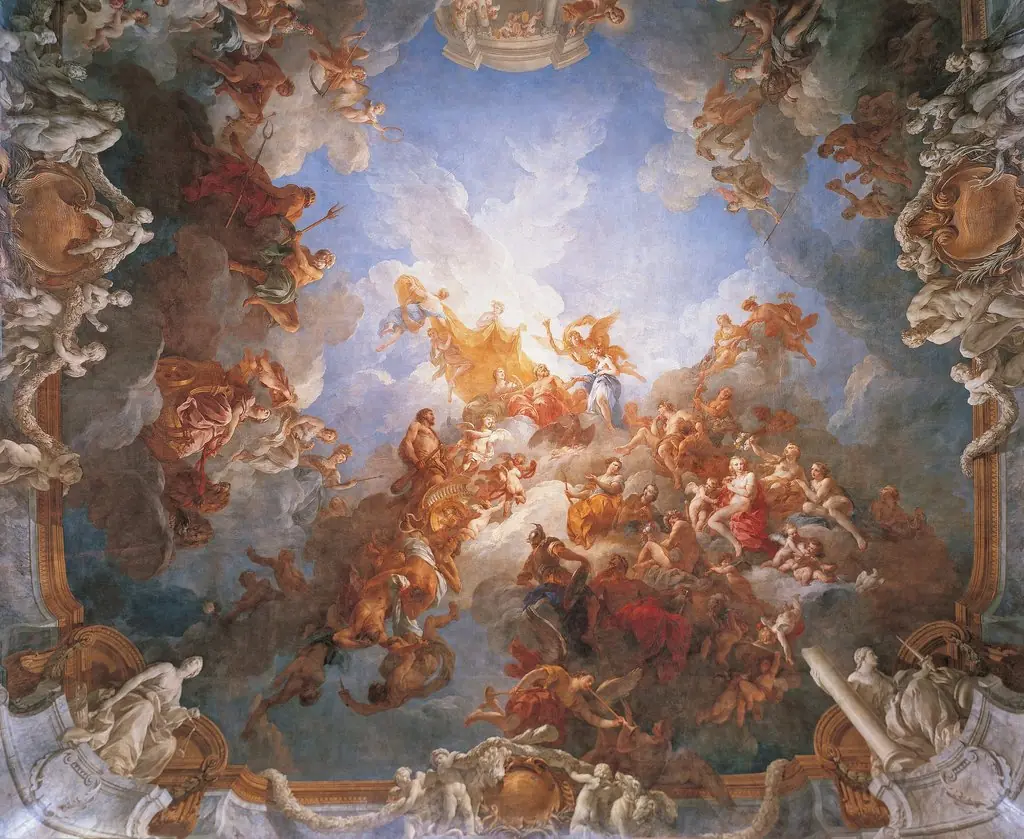 The Apotheosis of Hercules
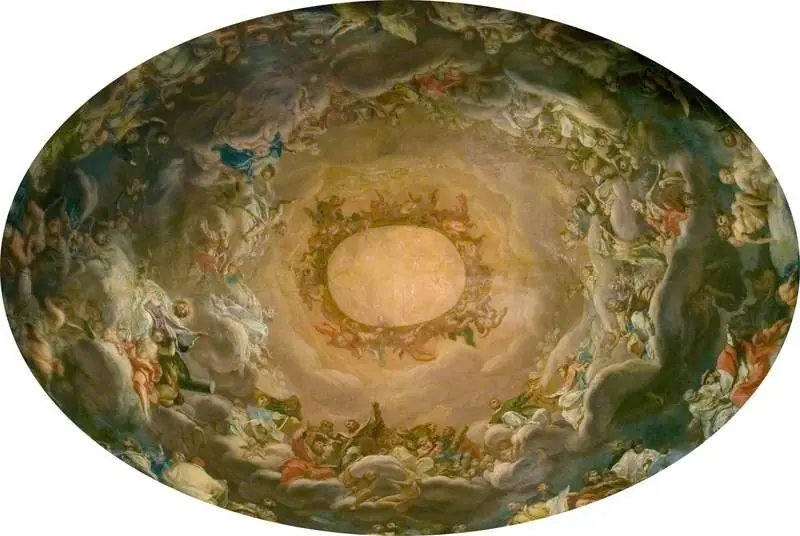 Paradise (sketch model for a painted cupola)
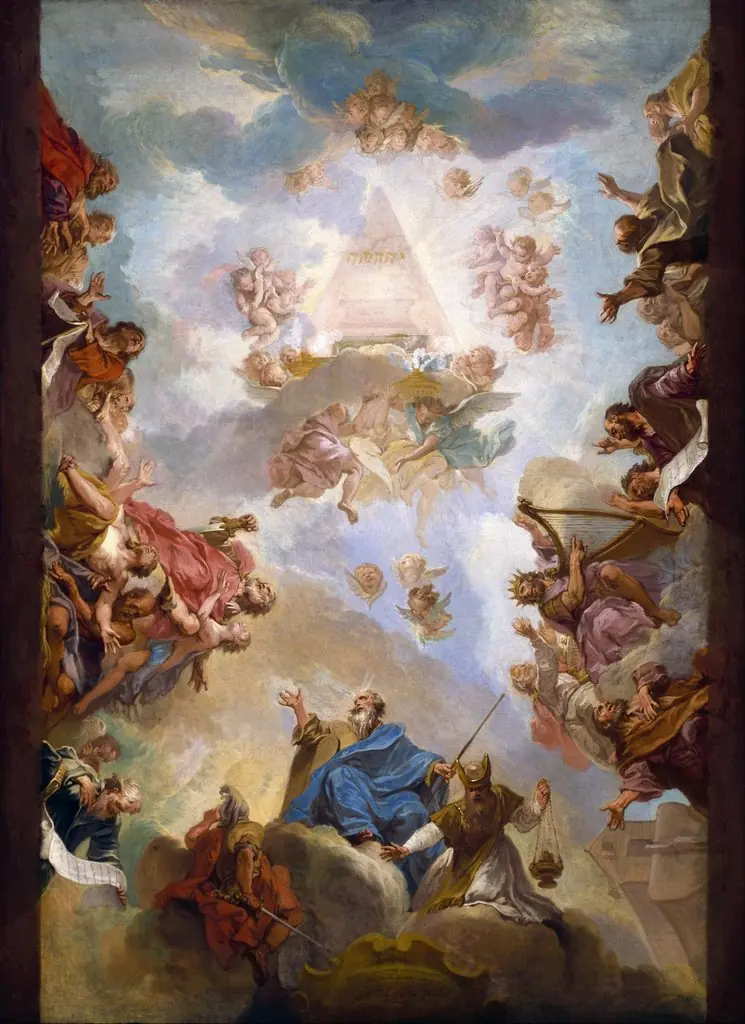 Prophets and Kings of the Old Testament Adoring the Name of Jehovah
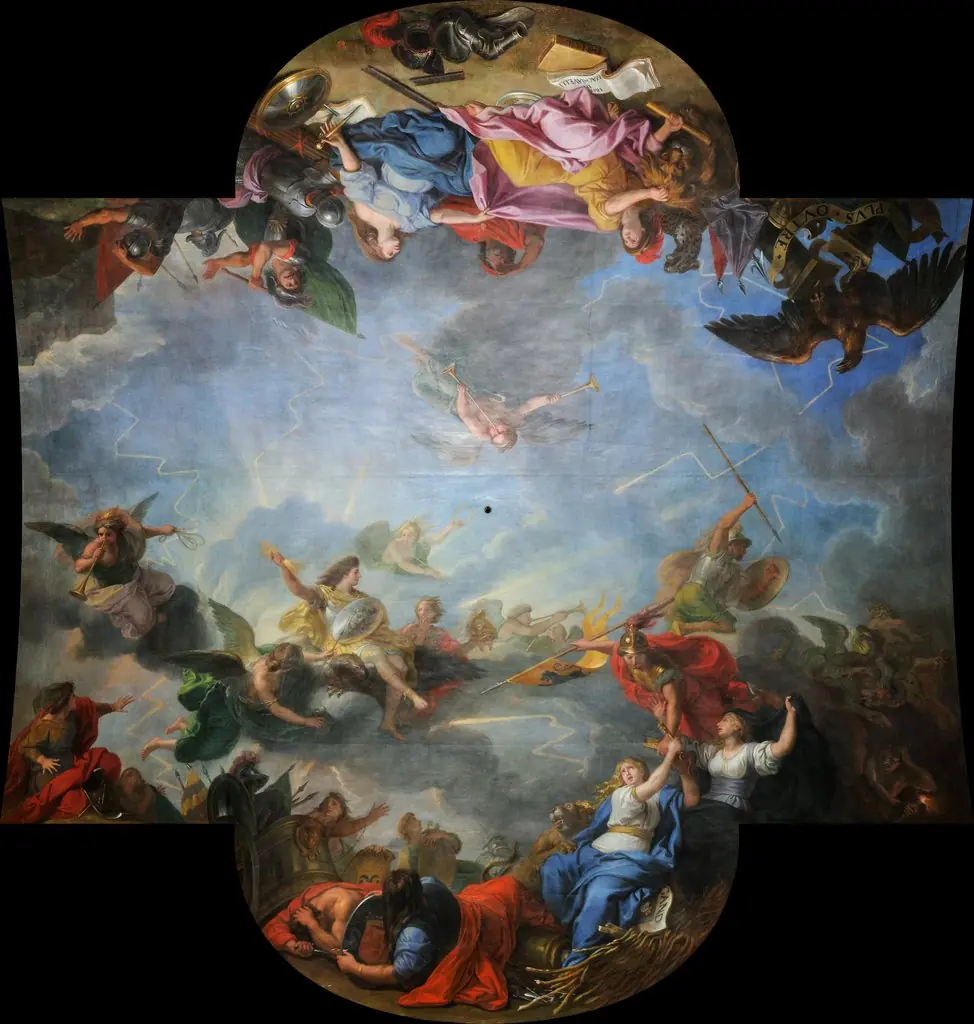 capture the citadel
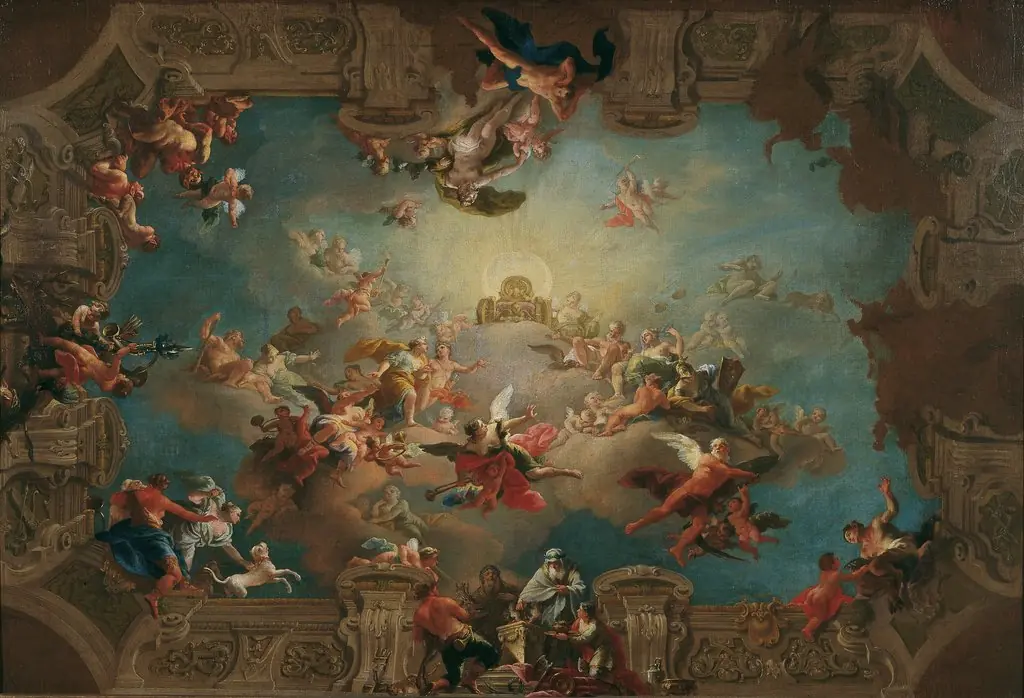 Diana's Admission to Olympus
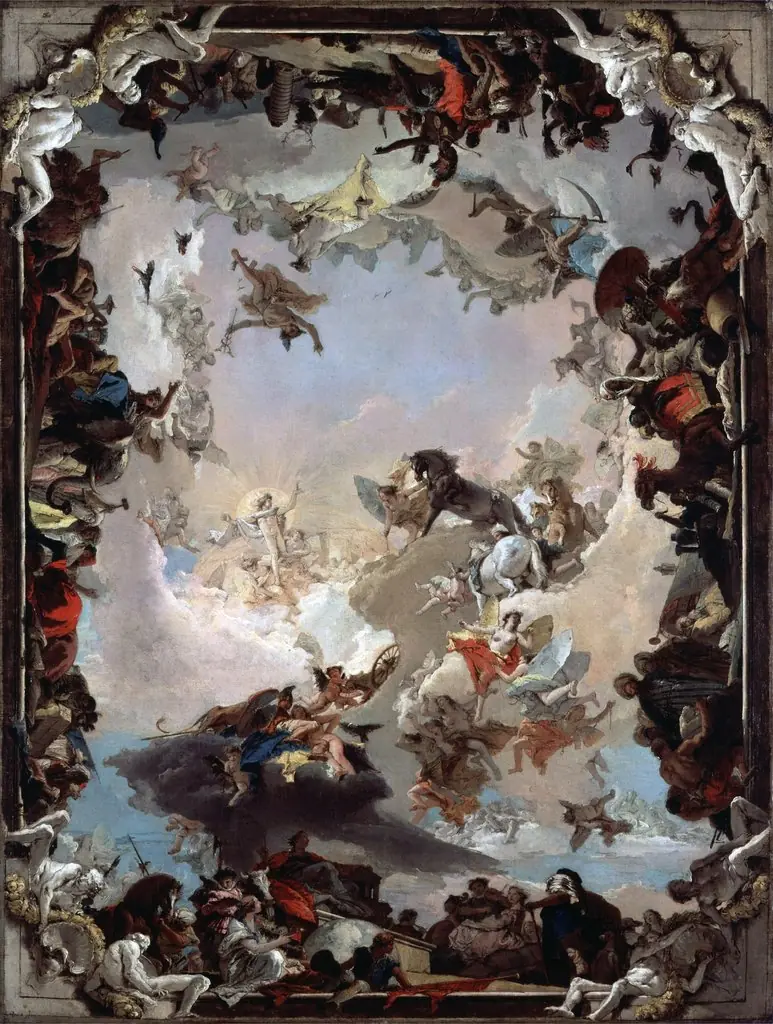 Allegory of the Planets and Continents
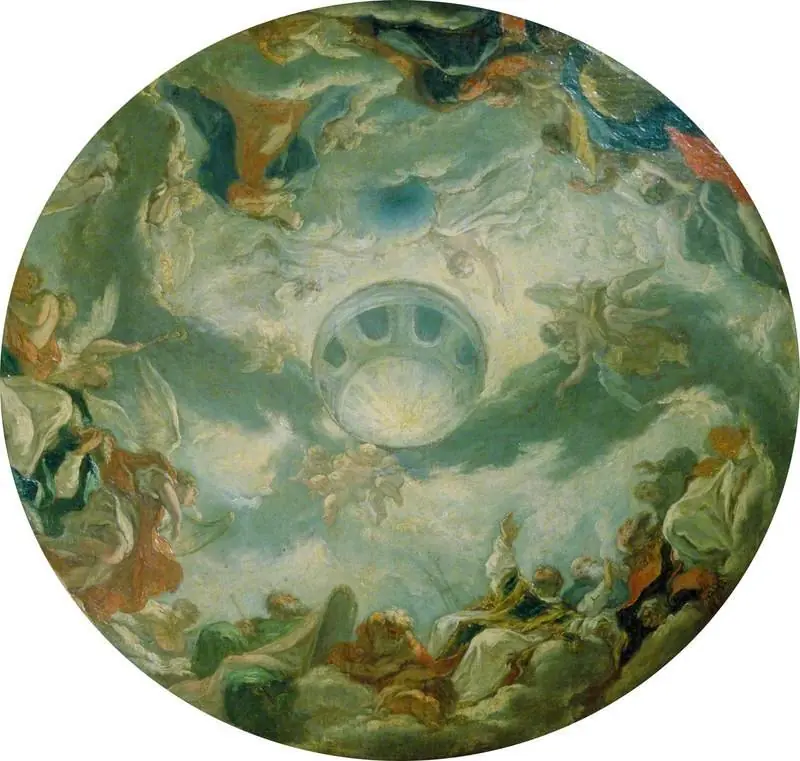 The Adoration of the Trinity (design for the decoration of a dome)
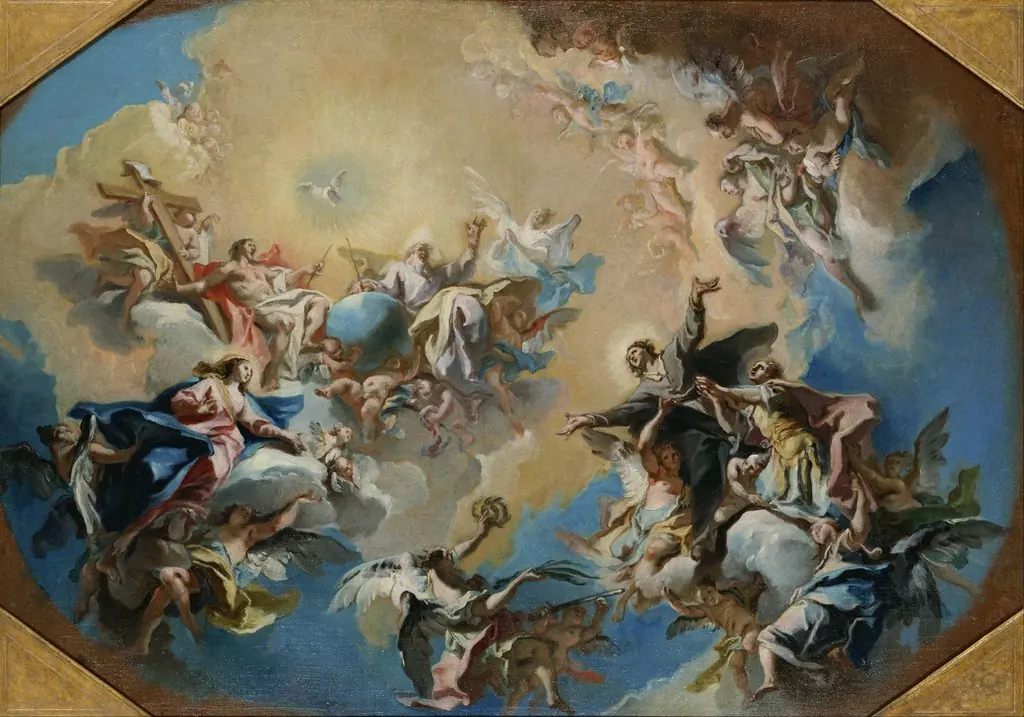 The Glorification of St. Felix and St. Adauctus
 Saint Constantia's Vision before the Tomb of Saints Agnes and Emerentiana