Artwork
Portrait of Murad Bakhsh (1624–61)
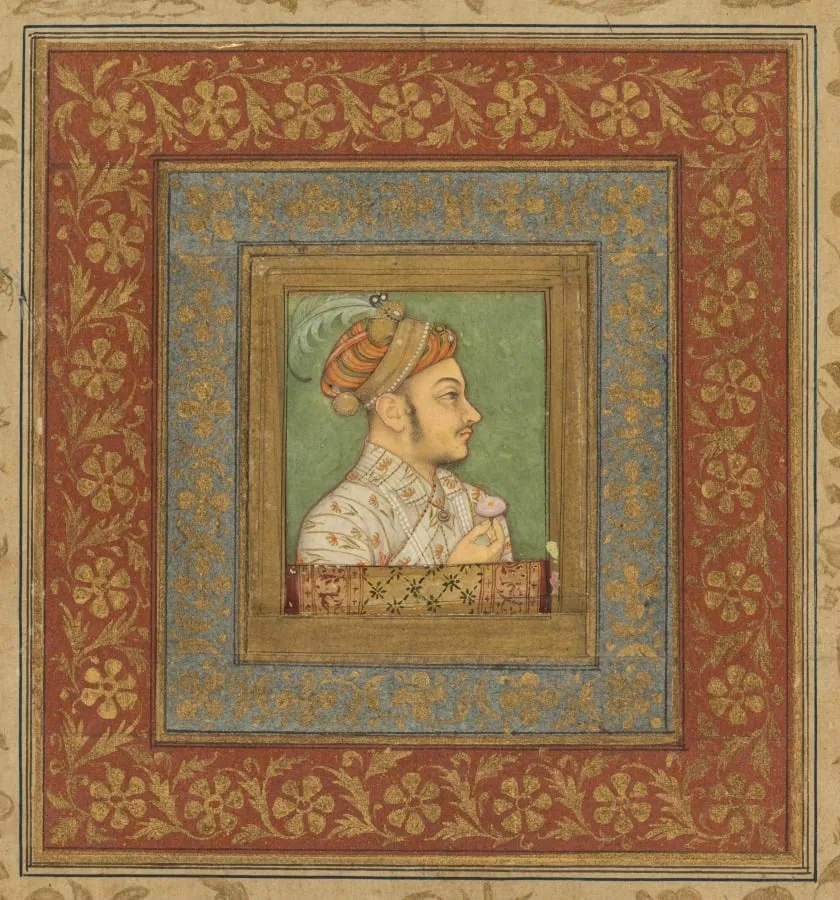
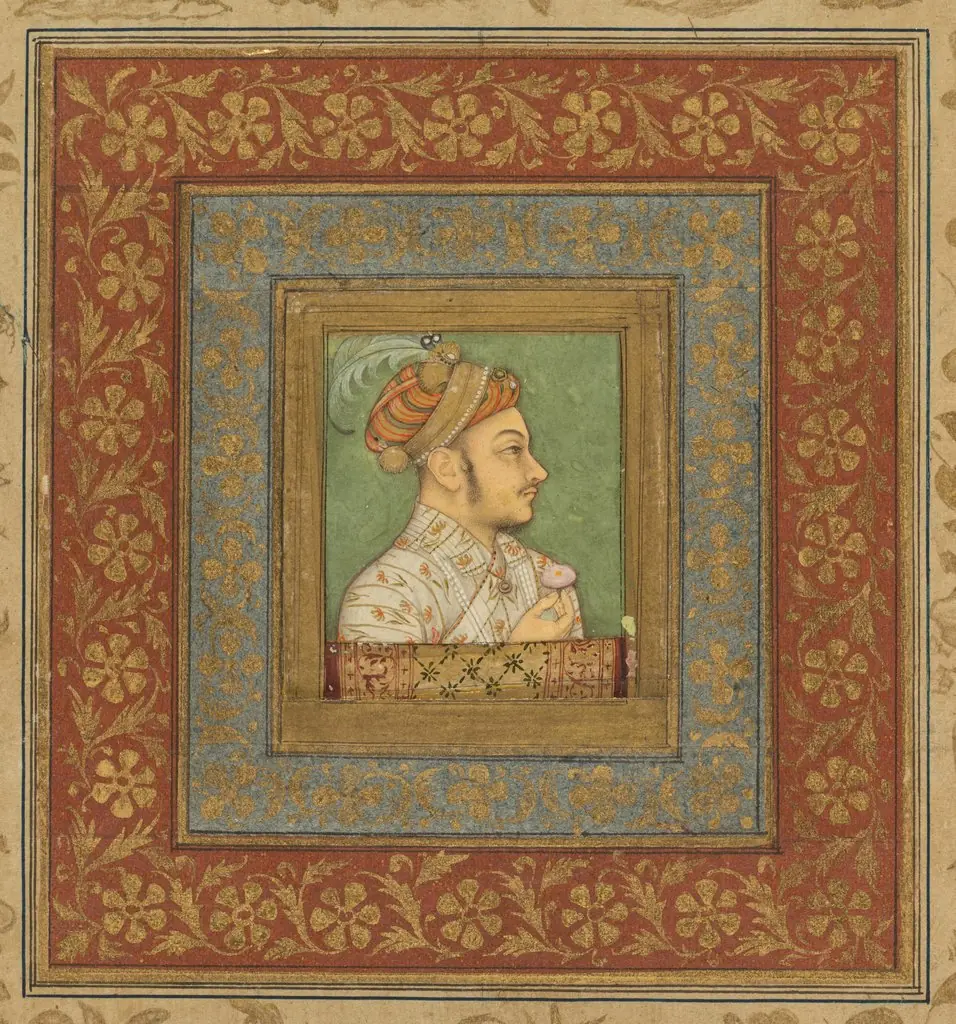
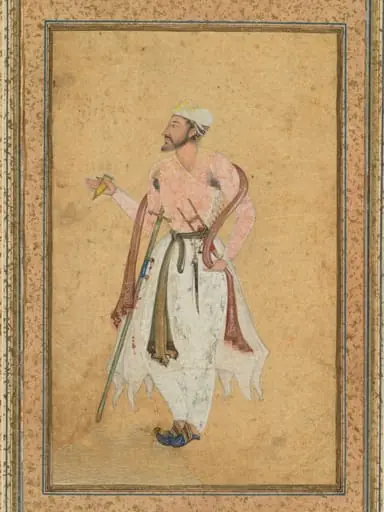
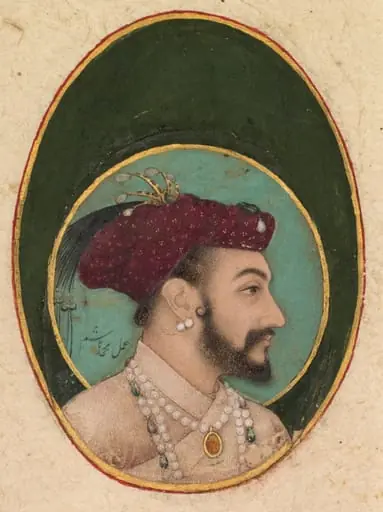
Portrait of Murad Bakhsh (1624–61) is an unspecified painting by the Baroque artist Balchand. It dates from 1704 and is held in the collection of the Cleveland Museum of Art. This small-scale portrait depicts Murad Bakhsh, a son of Emperor Shah Jahan, rendered as a wearable jewel rather than a standalone painting.
About this work
To see more tiny, jewel-like portraits, look up Mughal India, court of Shah Jahan (reigned 1628–58), Indian art.
You see a small, richly dressed prince with a calm face, holding a flower. His turban sparkles with tiny gems, and his robe shimmers in gold thread.
This wasn’t just a painting—it was a jewel. The portrait was once set in gold and worn like a badge by family or supporters. It’s rare to see one that survived outside its original frame.
To see more tiny, jewel-like portraits, look up Mughal India, court of Shah Jahan (reigned 1628–58), Indian art.
Overview
This small-scale portrait depicts Murad Bakhsh, a son of Emperor Shah Jahan, rendered as a wearable jewel rather than a standalone painting. Originally set in gold and embedded with gemstones, it was designed to be carried or worn by close associates within the Mughal court. Its survival outside its original mounting is uncommon, offering rare insight into the intimate, personal function of imperial portraiture beyond formal display.
Subject & Meaning
Murad Bakhsh is portrayed with composed dignity, holding a flower—a symbol of refinement and transient beauty. His attire, richly embroidered with gold thread and adorned with precious stones on his turban, signals his royal status. The portrait’s function as a wearable object suggests it served as a token of loyalty or kinship, reinforcing personal bonds among the imperial family and their inner circle through intimate, tactile representation.
Technique & Style
Executed in fine brushwork typical of Mughal miniature painting, the portrait emphasizes delicate detail and luminous color. Gold leaf and minute gem-like highlights simulate the effect of actual jewels, blurring the line between painting and ornament. The composition is tightly framed, focusing entirely on the prince’s face and upper torso, reflecting the conventions of personal portraiture intended for close, private viewing.
History & Provenance
The portrait likely originated in the 1630s or 1640s, during Murad Bakhsh’s youth at his father’s court. Its transformation from a wearable jewel to a mounted album page occurred after its original setting was lost or repurposed. The shift reflects broader changes in how imperial images were preserved, moving from personal adornment to archival collection as courtly practices evolved under later rulers.
Context
The practice of wearing portrait jewels among Mughal elites was influenced by early 17th-century diplomatic exchanges with European envoys, including the British envoy Thomas Roe, who presented miniature portraits and cameos in 1616. These objects inspired local artisans to adapt European techniques into Mughal aesthetics, merging portraiture with the existing tradition of gem-set jewelry as a symbol of status and allegiance.
Legacy
This portrait exemplifies the fusion of personal identity and political symbolism in Mughal court culture. Few such wearable portraits survive intact, making this piece a valuable artifact for understanding how imperial imagery operated beyond the grandeur of public commissions. It underscores the role of intimate objects in sustaining dynastic networks through visual tokens of belonging.
Artist & collection
Artist
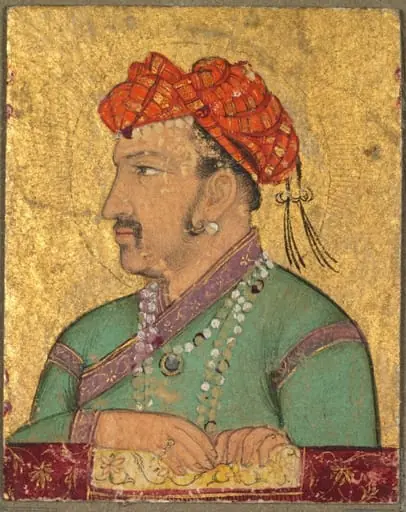
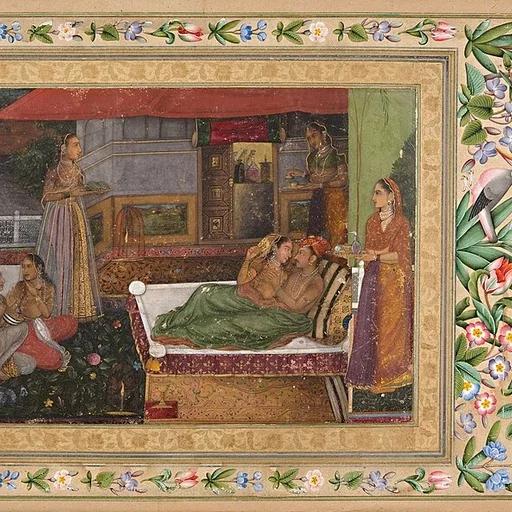
Balchand made delicate portraits for Mughal emperors in the 1600s. Here you can see his *Portrait of Murad Bakhsh* from 1635, where the young prince sits stiffly in pearls and gold, and *Dara Shikoh with his consort*,…