Artwork
Saint John the Baptist
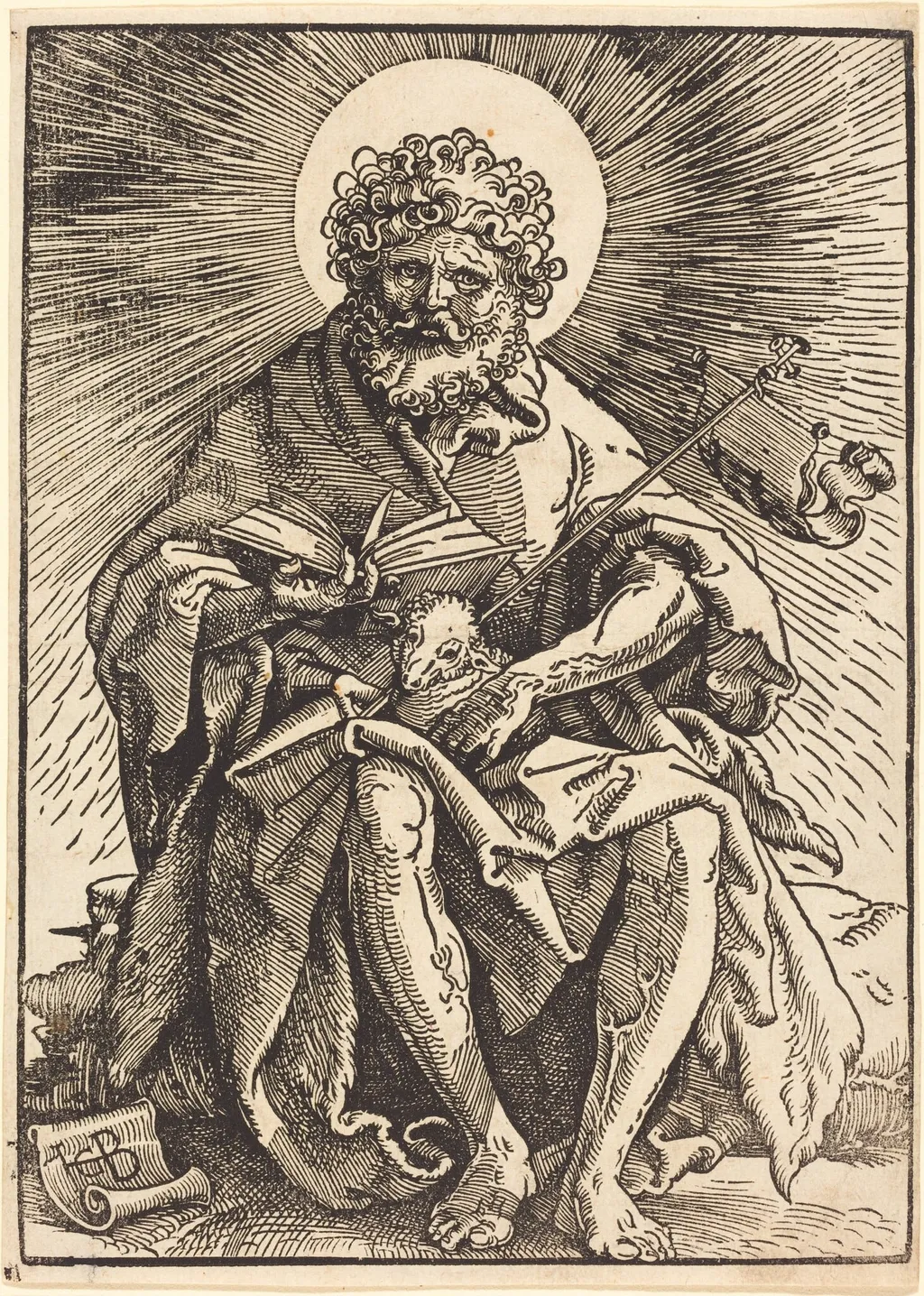
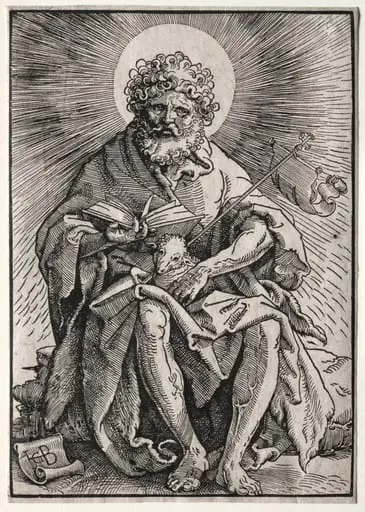
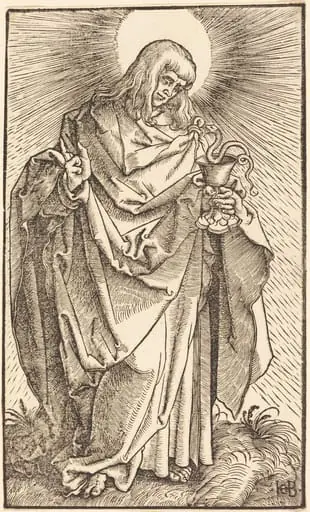
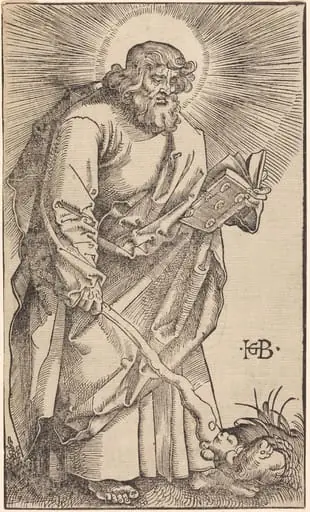
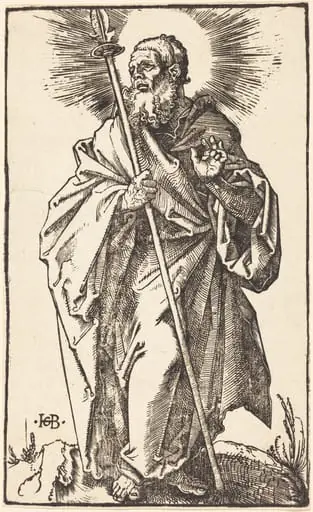
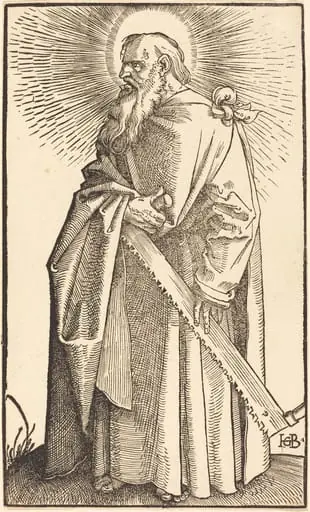
Saint John the Baptist is an ink print by the Renaissance artist Hans Baldung Grien. It dates from 1517 and is held in the collection of the National Gallery of Art.
About this work
Overview
The composition relies on bold line work and stark chiaroscuro, creating a dramatic visual impact characteristic of early sixteenth‑century German printmaking.
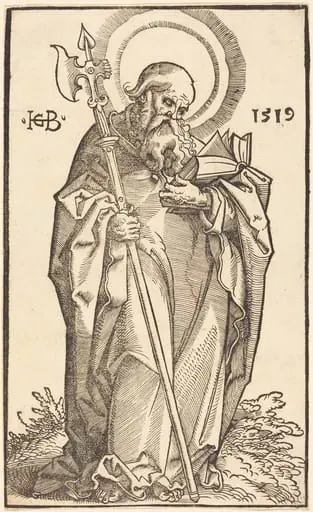
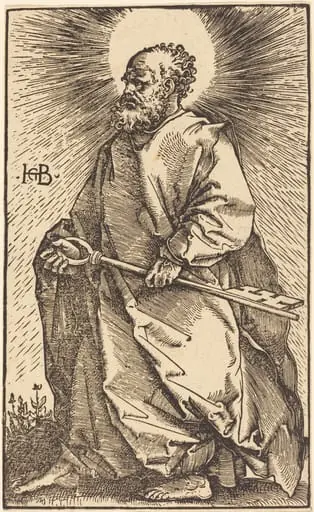
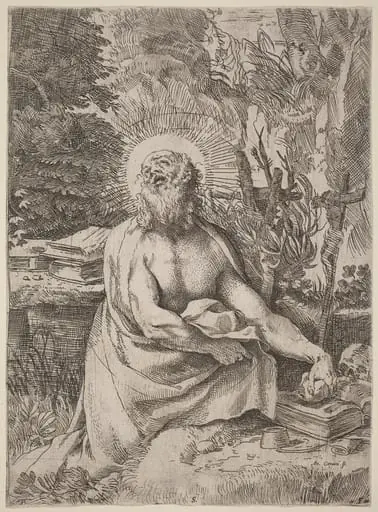
Hans Baldung Grien’s woodcut titled *Saint John the Baptist* dates from 1517. Executed in the traditional relief technique, the print presents a bearded, haloed figure holding a child against a stark, rocky backdrop populated with modest flora and fauna. The composition relies on bold line work and stark chiaroscuro, creating a dramatic visual impact characteristic of early sixteenth‑century German printmaking.
Subject & Meaning
The image depicts Saint John the Baptist, identified by his distinctive beard, curly hair, and halo, in the act of presenting a small child—presumably the infant Christ—symbolizing his role as the forerunner of the Messiah. The solemn expression and austere landscape reinforce themes of prophecy and spiritual preparation within the Christian narrative.
Technique & Style
Baldung employs the woodcut’s capacity for crisp, linear definition, using deep incisions to generate strong contrasts between illuminated areas and deep shadows. The handling of line and cross‑hatching reflects the influence of Albrecht Dürer’s precise draftsmanship while also hinting at emerging Mannerist tendencies through exaggerated gestures and elongated forms.
History & Provenance
Created during Baldung’s early mature period, the print aligns with his broader output that spans painting, stained glass, and other prints. While specific ownership records are limited, the work is documented in several early catalogues of German Renaissance prints and has been held in major European collections since the nineteenth century.
Context
The woodcut illustrates the transitional moment between the German Renaissance’s emphasis on naturalism and the later Mannerist fascination with expressive distortion. Baldung’s integration of vivid tonal contrasts and imaginative composition contributed to the evolution of printmaking as a medium for complex religious storytelling, influencing subsequent generations of Northern European artists.
Artist & collection
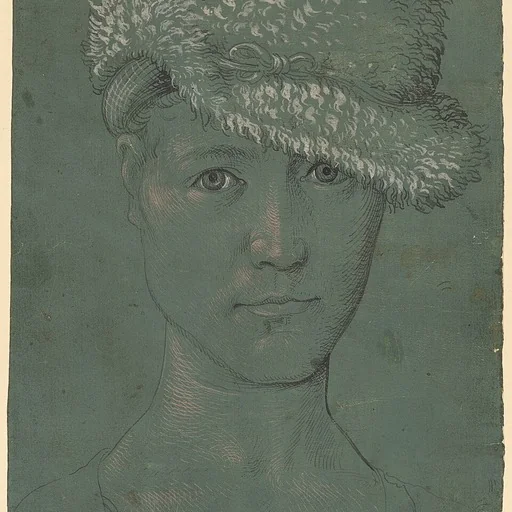
Artist
Hans Baldung (1484 or 1485 – September 1545), called Hans Baldung Grien, (being an early nickname, because of his predilection for the colour green), was a painter, printer, engraver, draftsman, and stained glass…