Artwork
St. John the Baptist
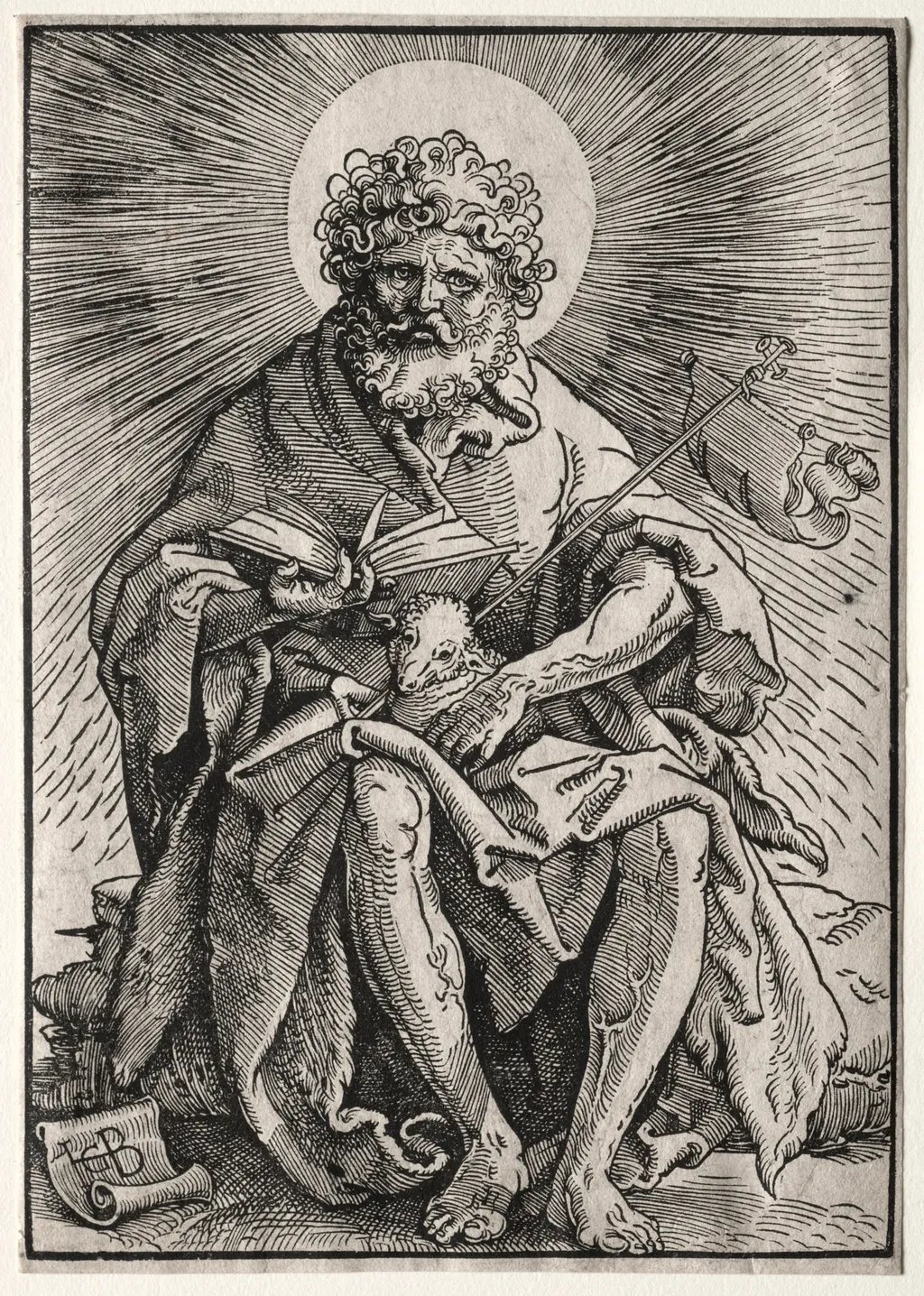
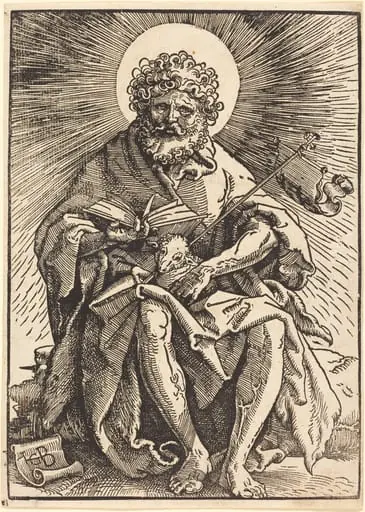
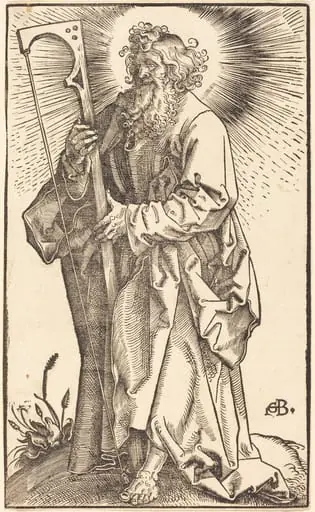
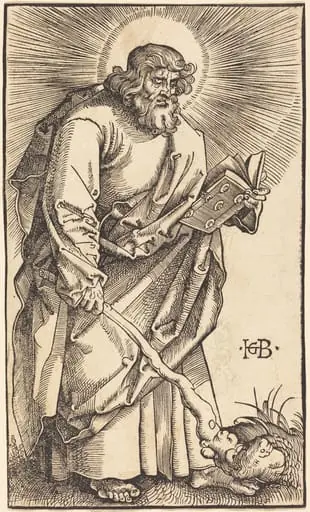
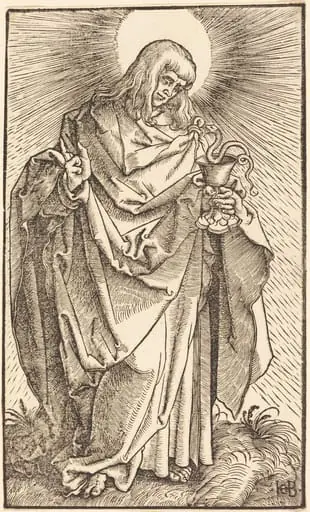
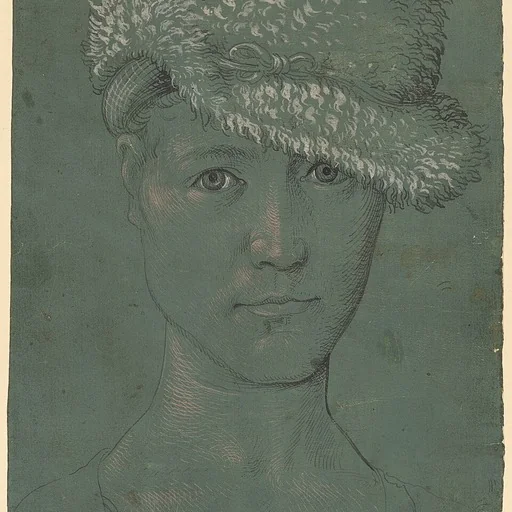
St. John the Baptist is a print by the Renaissance artist Hans Baldung Grien. It dates from 1518 and is held in the collection of the Cleveland Museum of Art. Created around 1518, this print by Hans Baldung depicts St.
About this work
Overview
It resides in the Cleveland Museum of Art’s collection, where it stands as an example of his ability to merge spiritual gravity with inventive visual language.
Created around 1518, this print by Hans Baldung depicts St. John the Baptist in a contemplative pose. Executed in a medium that allowed for wide distribution, the work reflects Baldung’s mastery of graphic art during the German Renaissance. It resides in the Cleveland Museum of Art’s collection, where it stands as an example of his ability to merge spiritual gravity with inventive visual language.
Subject & Meaning
The figure of John the Baptist, identified by his ascetic appearance and the lamb at his side, represents the herald of Christ in Christian tradition. Baldung emphasizes John’s introspective nature, his downward gaze and still posture suggesting inner conviction rather than outward proclamation. The lamb, symbolizing sacrifice, reinforces his role as the one who foretells the coming of the Savior.
Technique & Style
Baldung employs fine, radiating lines behind the figure to suggest a halo, avoiding traditional gold leaf or luminous pigment. The textured rendering of hair and fabric, combined with the angular posture, conveys emotional intensity. His use of line and shadow reflects the influence of Dürer, yet the elongated proportions and psychological depth hint at emerging Mannerist tendencies.
History & Provenance
The print was produced during Baldung’s mature period in Strasbourg, where he worked independently after training under Dürer. It entered the Cleveland Museum of Art’s collection in the 20th century, likely through a broader acquisition of Northern Renaissance prints. Its preservation reflects its significance as a rare example of Baldung’s graphic work outside of larger altarpieces.
Context
In early 16th-century Germany, religious imagery remained central to artistic production even as Reformation ideas spread. Baldung’s depiction of John the Baptist aligns with devotional traditions but diverges through its psychological nuance. Unlike more formulaic representations, his version invites quiet reflection, reflecting a shift toward individualized spirituality in Northern art.
Legacy
Baldung’s treatment of St. John the Baptist influenced later Northern artists seeking emotional depth in religious subjects. His integration of expressive form with symbolic clarity helped bridge the gap between Renaissance naturalism and the stylized intensity of Mannerism. The print remains a key reference for understanding the evolution of German graphic art in the decades before the Reformation.
Artist & collection
Artist
Hans Baldung (1484 or 1485 – September 1545), called Hans Baldung Grien, (being an early nickname, because of his predilection for the colour green), was a painter, printer, engraver, draftsman, and stained glass…