Artwork
The Conversion of Saint Paul
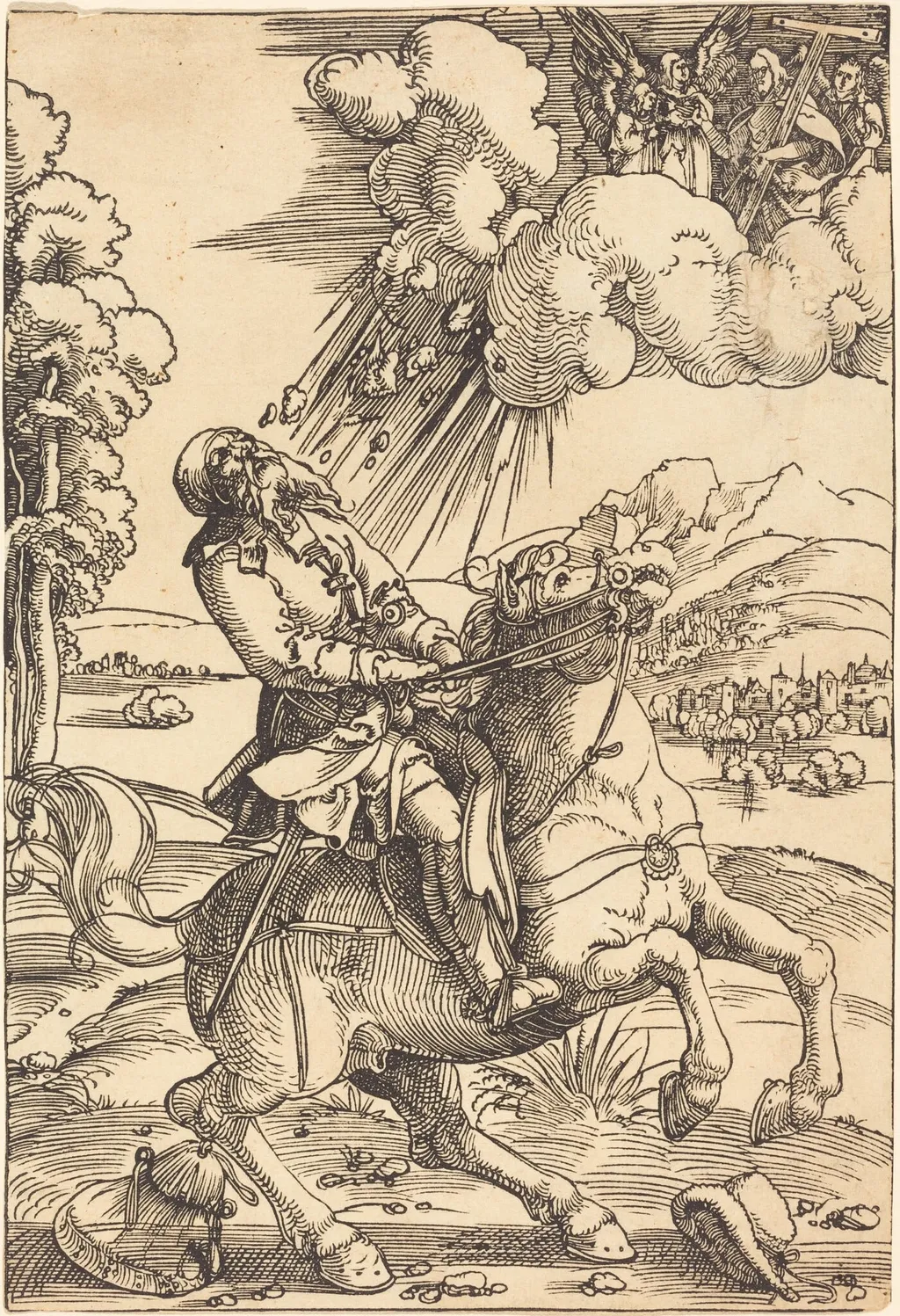
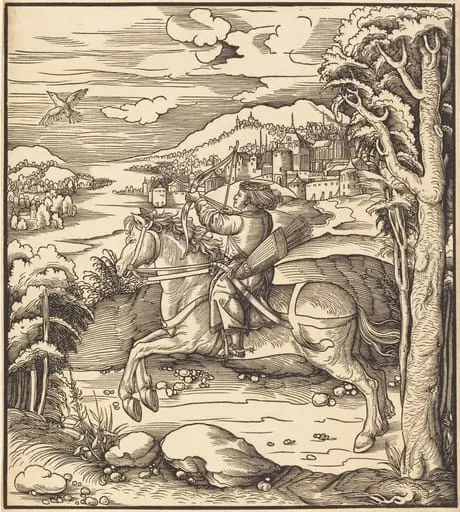
The Conversion of Saint Paul is an ink print by the Renaissance artist Hans Baldung Grien. It dates from 1508 and is held in the collection of the National Gallery of Art.
About this work
Overview
The Conversion of Saint Paul is a woodcut print created by Hans Baldung Grien in 1508, exemplifying his unique blend of German Renaissance and Mannerist elements, honed under the influence of Albrecht Dürer.
Subject & Meaning
The print depicts the pivotal biblical moment of Saul's transformation into Saint Paul. The chaotic scene contrasts the turmoil of the event with the serenity of a distant, orderly town, symbolizing the dramatic shift from darkness to enlightenment.
Technique & Style
Characterized by dynamic linework, symbolic detail, and sharp light-dark contrasts, the woodcut showcases Baldung's expressive printmaking style. Rough, busy lines and swirling compositions emphasize the emotional intensity of the scene.
History & Provenance
Created in 1508, this work is part of Baldung's religious print oeuvre, reflecting his versatility across mediums (painting, printmaking, stained glass) and subjects.
Context
Reflecting both German Renaissance precision and burgeoning Mannerist dramatic flair, the piece situates Baldung within the transitional artistic landscape of early 16th-century Europe.
Artist & collection
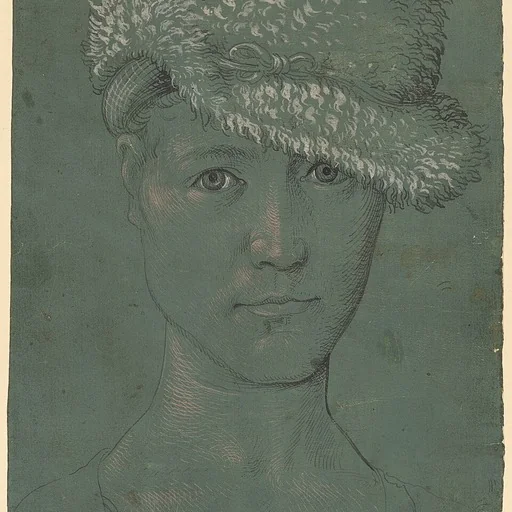
Artist
Hans Baldung (1484 or 1485 – September 1545), called Hans Baldung Grien, (being an early nickname, because of his predilection for the colour green), was a painter, printer, engraver, draftsman, and stained glass…