Artwork
Bildnis eines jungen Mädchens in blauem Kleid
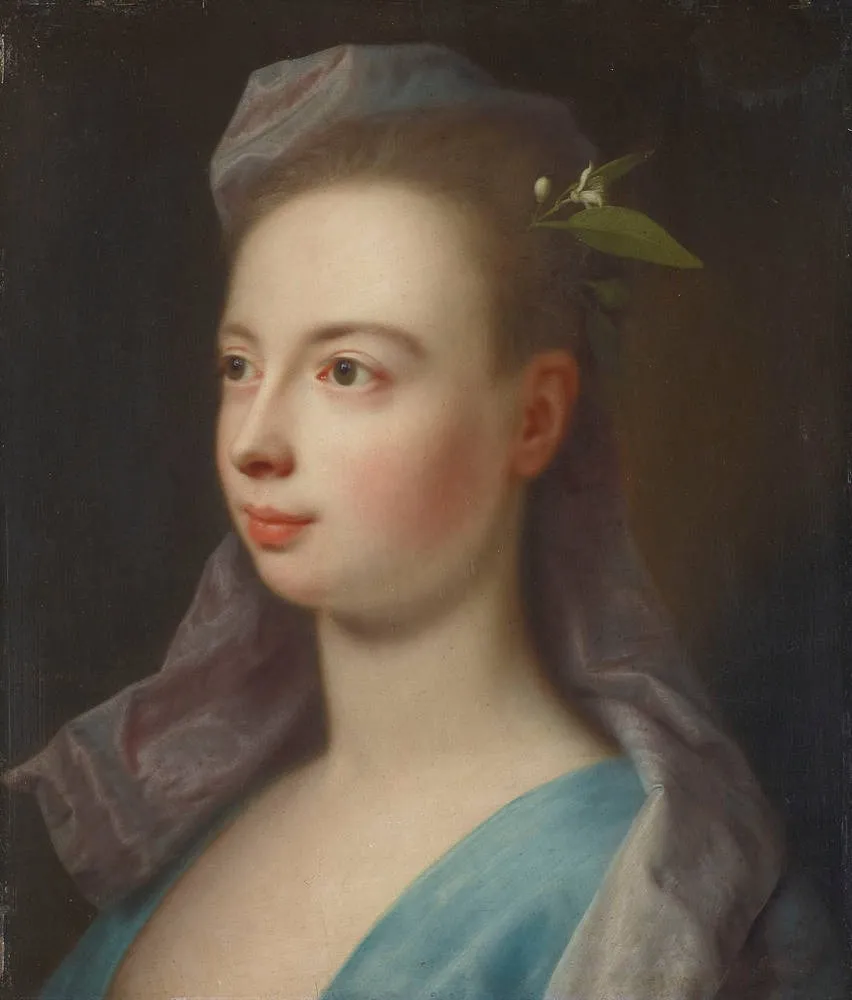
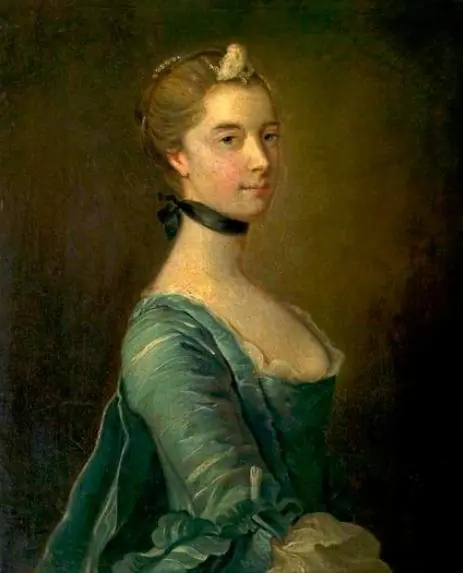
Bildnis eines jungen Mädchens in blauem Kleid is an oil painting by the Rococo painting artist Balthasar Denner. It dates from 1729 and is held in the collection of the Staatliche Kunstsammlungen Dresden.
About this work
Overview
Painted in 1729 by the German artist Balthasar Denner, this portrait captures a young woman in a blue dress on a copper panel. Denner specialized in small-scale, highly detailed portraits, often choosing copper for its smooth surface and ability to hold fine brushwork. The work exemplifies his commitment to psychological realism, emphasizing the sitter’s quiet presence over ornamental display.
Subject & Meaning
Her attire—a light blue dress and matching shawl—suggests modest elegance, while the single flower in her hair adds a touch of personal refinement.
The subject is a young woman, portrayed in a moment of stillness with a faint smile and direct, calm gaze. Her attire—a light blue dress and matching shawl—suggests modest elegance, while the single flower in her hair adds a touch of personal refinement. The absence of elaborate symbols or status markers points to an intimate, non-idealized representation, reflecting Denner’s interest in individual character over social display.
Technique & Style
Denner employed fine brushwork and subtle chiaroscuro to model the face with exceptional precision, capturing minute textures like skin tones and faint facial hairs. The copper support allowed for sharp detail and luminous color, while the dark, indistinct background isolates the figure and enhances three-dimensionality. Though clothing and accessories were often handled by assistants, Denner reserved the face for his own hand, ensuring lifelike expression.
History & Provenance
The painting entered the collection of the Gemäldegalerie Alte Meister in Dresden, where it remains today. Its documented provenance traces back to the 18th century, aligning with Denner’s active period in Hamburg and his reputation among northern European collectors. The work’s survival in good condition reflects its early recognition as a refined example of German portraiture.
Context
Created during the early Rococo era, the portrait diverges from the period’s ornamental tendencies by favoring restraint and psychological depth. While contemporaries in France and Italy embraced theatricality, Denner’s approach aligned with northern European traditions of realism, influenced by Dutch and Flemish portraiture. His focus on unidealized detail marked a quiet resistance to prevailing aesthetic trends.
Legacy
Denner’s technique influenced later generations of German portraitists who valued precision over grandeur. His method of delegating costume details while personally executing facial likenesses became a model for studio practice. Though less celebrated than his Italian or French peers, his work endures as a testament to the expressive potential of quiet observation in 18th-century painting.
Artist & collection
Artist
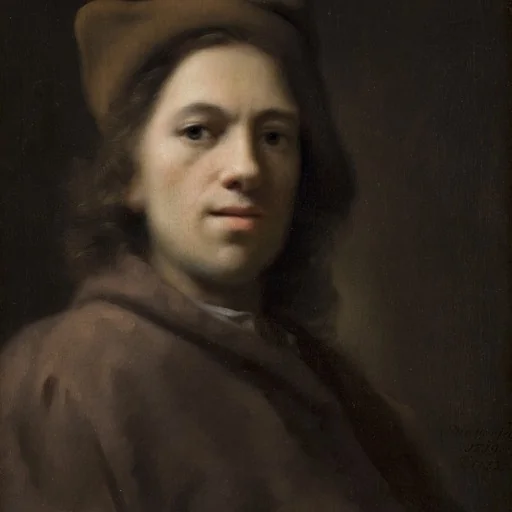
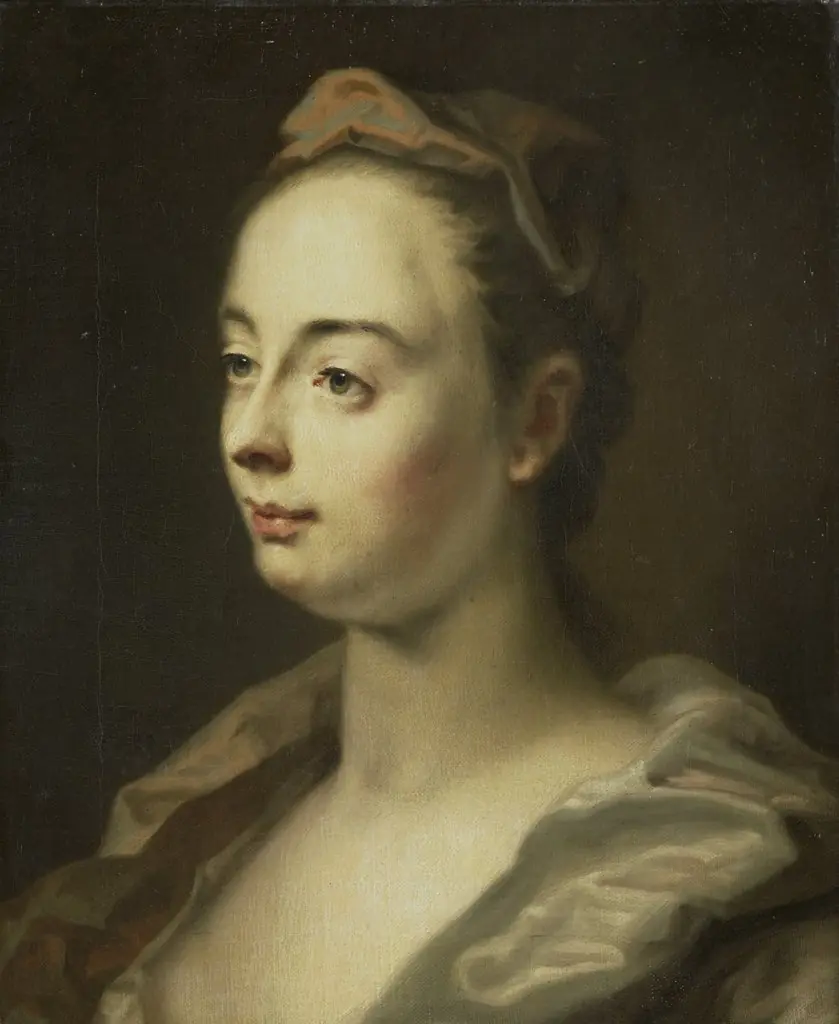
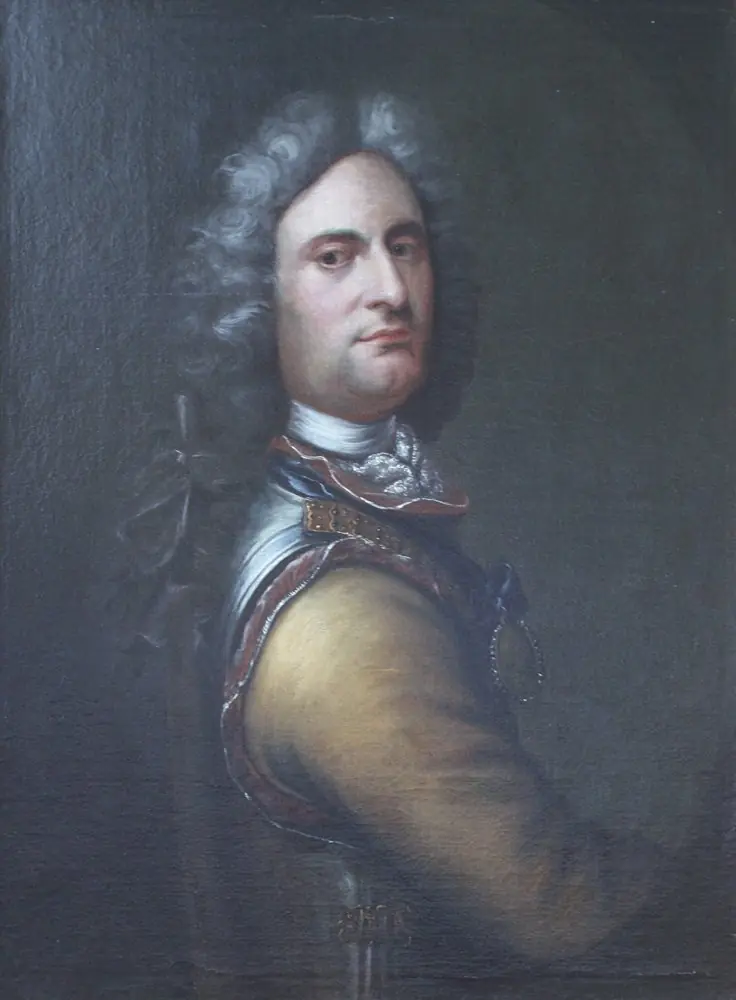
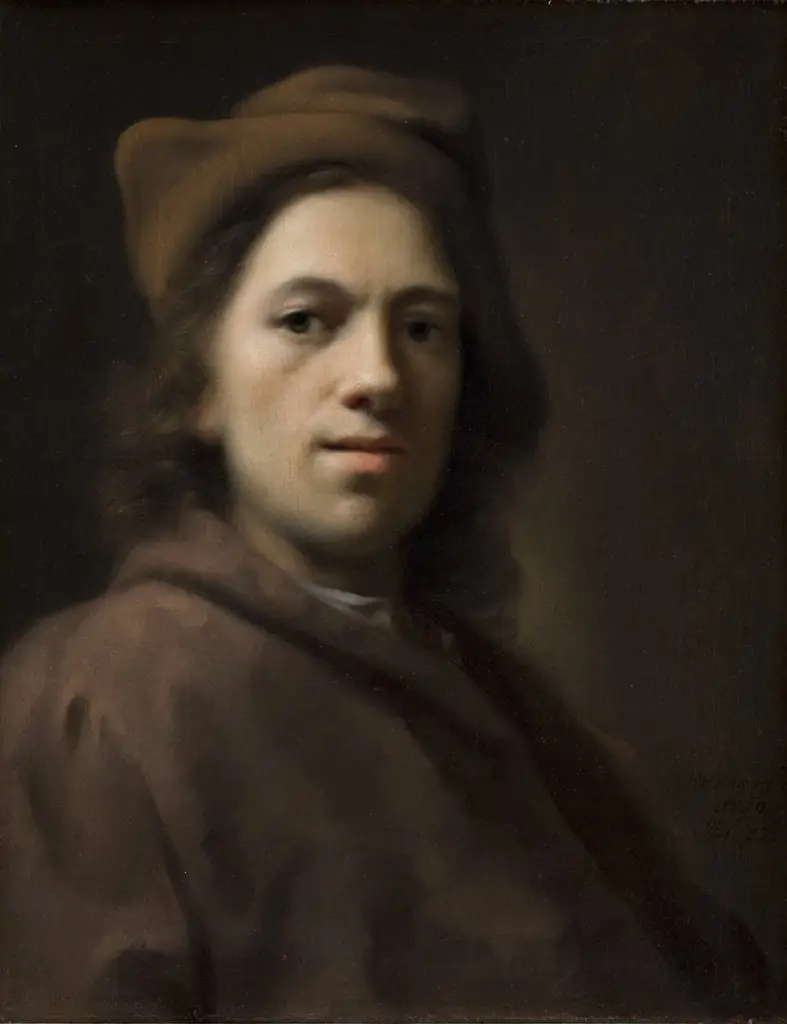
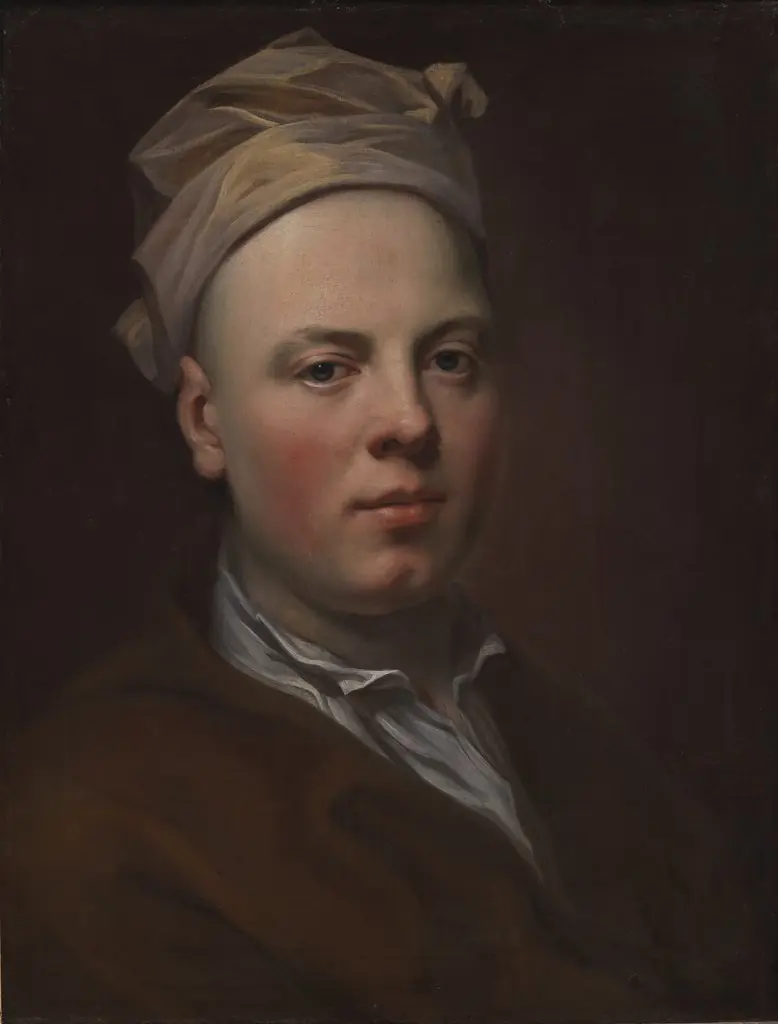
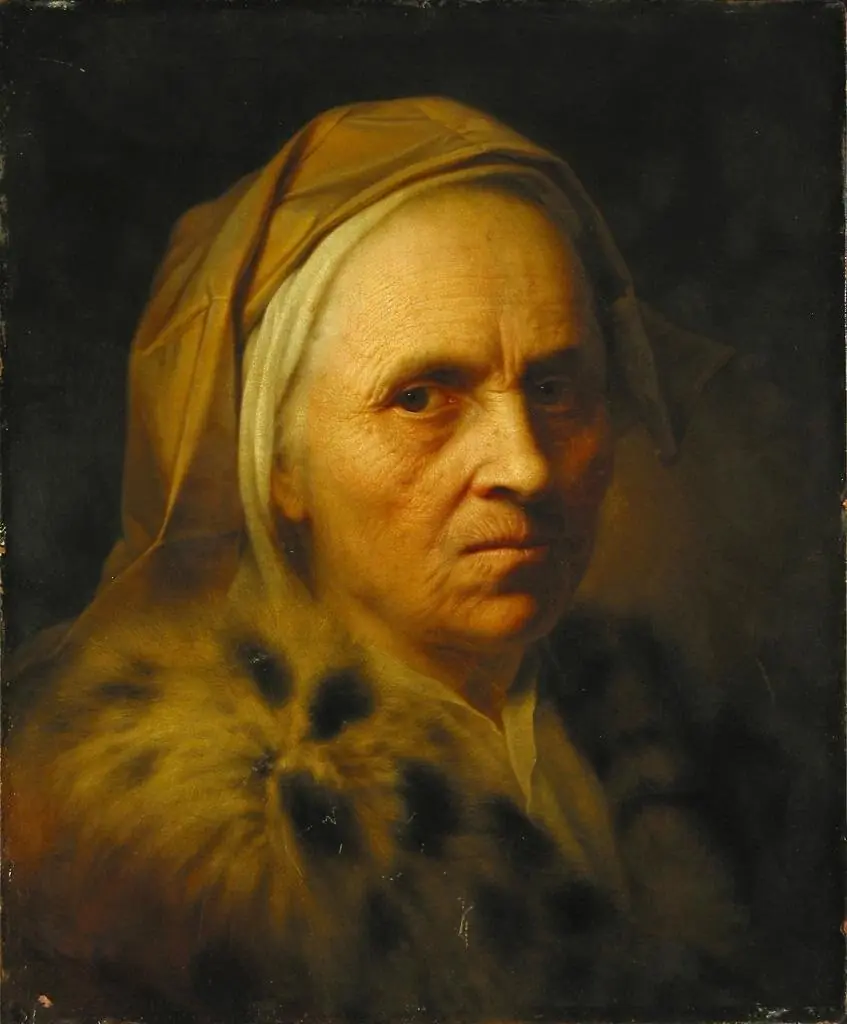
Balthasar Denner (15 November 1685 – 14 April 1749) was a German painter, highly regarded as a portraitist.

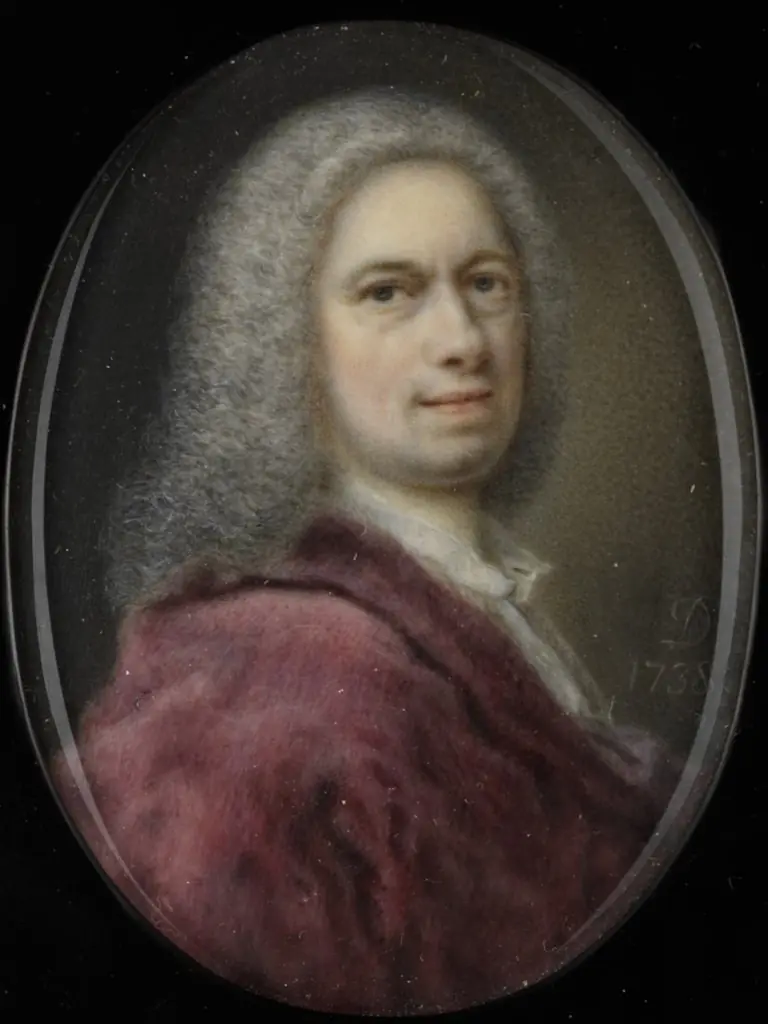
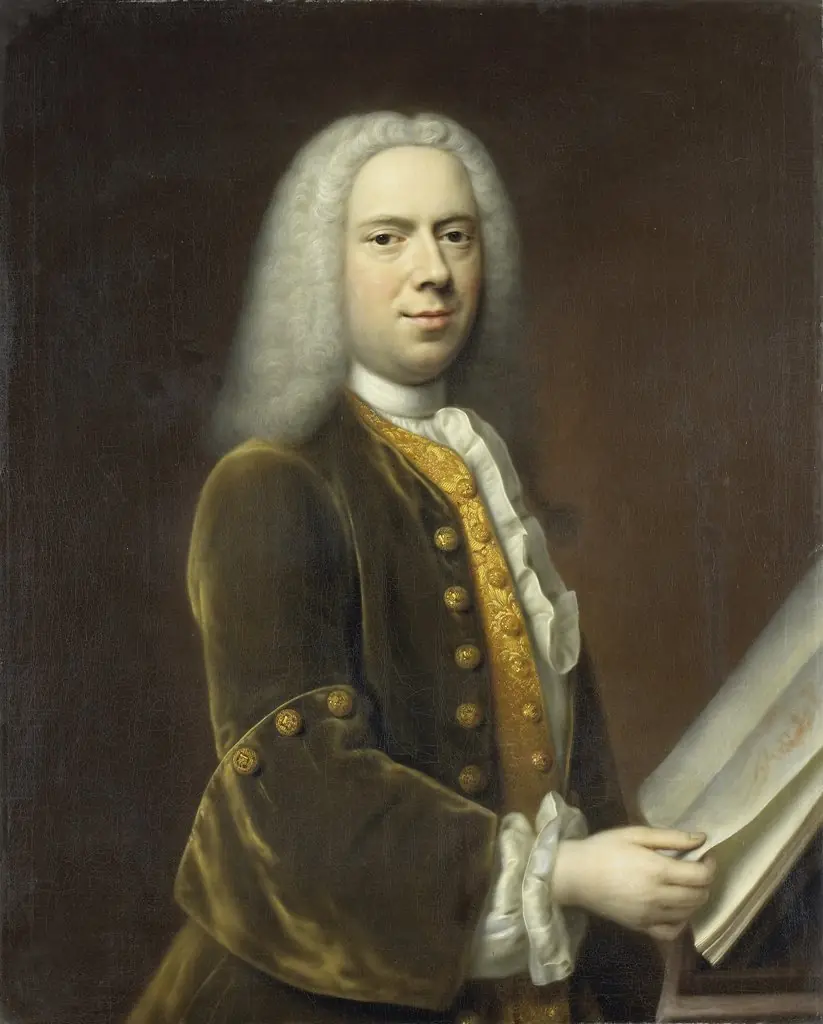
 Portrait of Justina Johanna Ramskrammer, Wife of Isaac Parker
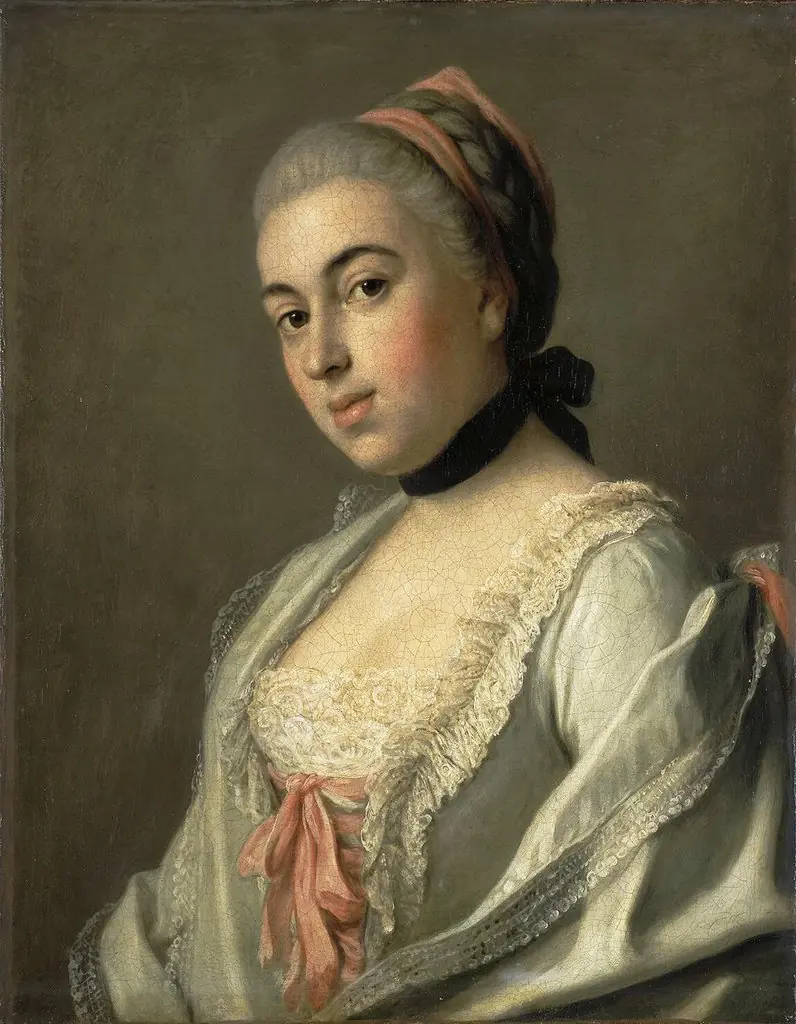 Portrait of Countess A.M. Vorontsova
 Mrs. Pierre Bacot (Marianne Fleur Du Gue)
 Portrait of Maria Amalia Fryderyka Mniszech née Brühl (1737–1772)
 Portrait of Josina Clara van Citters (1671-1753), daughter of Josina Parduyn
 Anna Dorothea Amiga
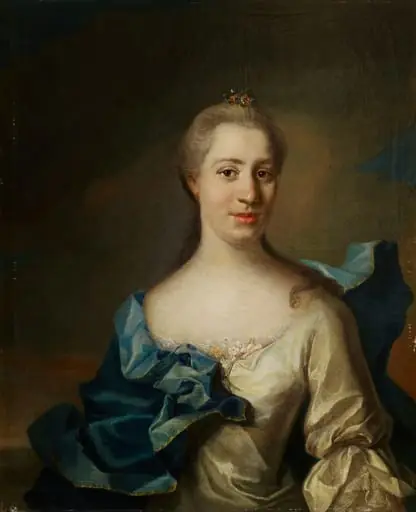 Maria Charlotta Silfverstjerna
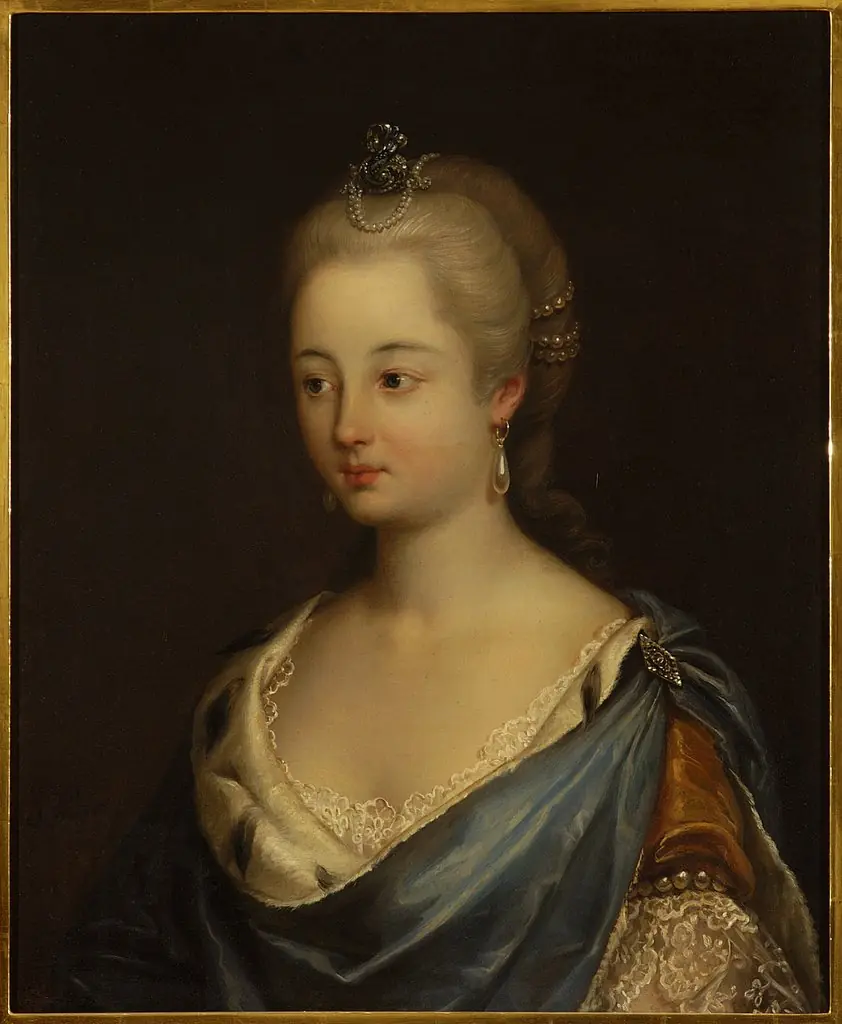 Portrait of Mrs. Kruszewska née Komorowska
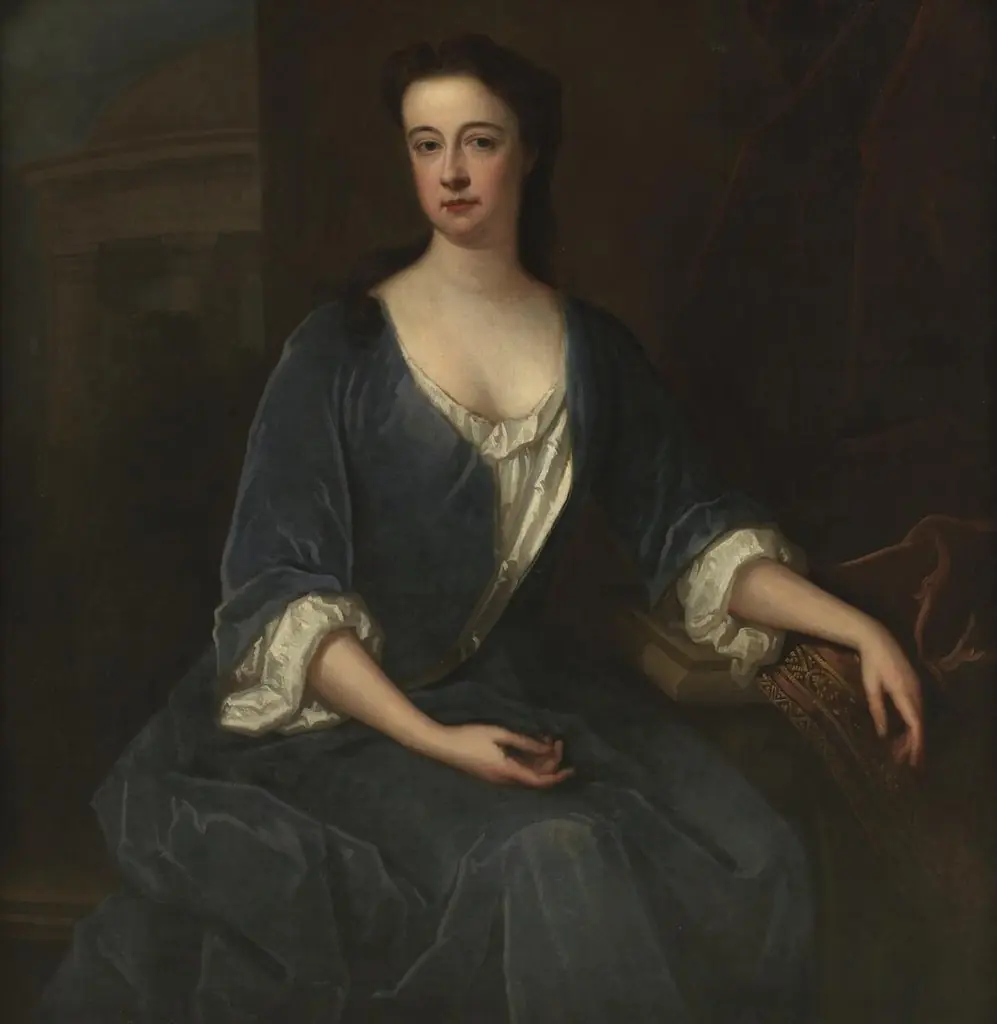 Barbara, Countess of Pembroke & Mont
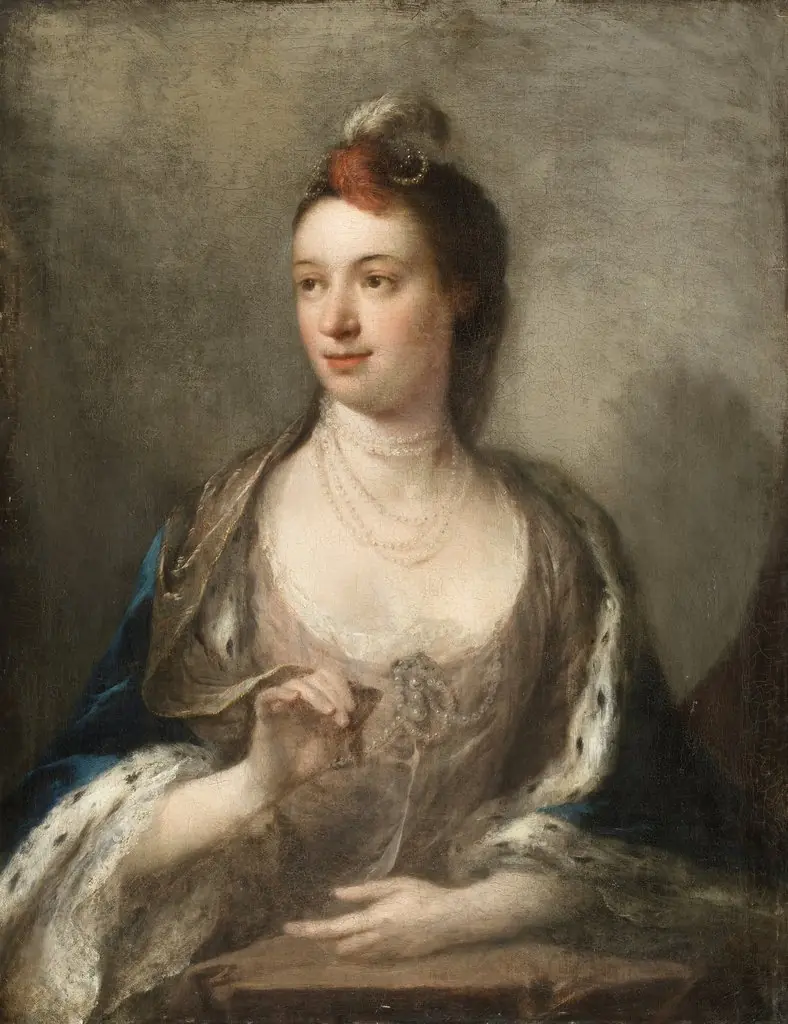 Portrait of Susannah Walker
 Portrait of an Unknown Woman (possibly Laura Walpole)