Artwork
Eastern Patriarch
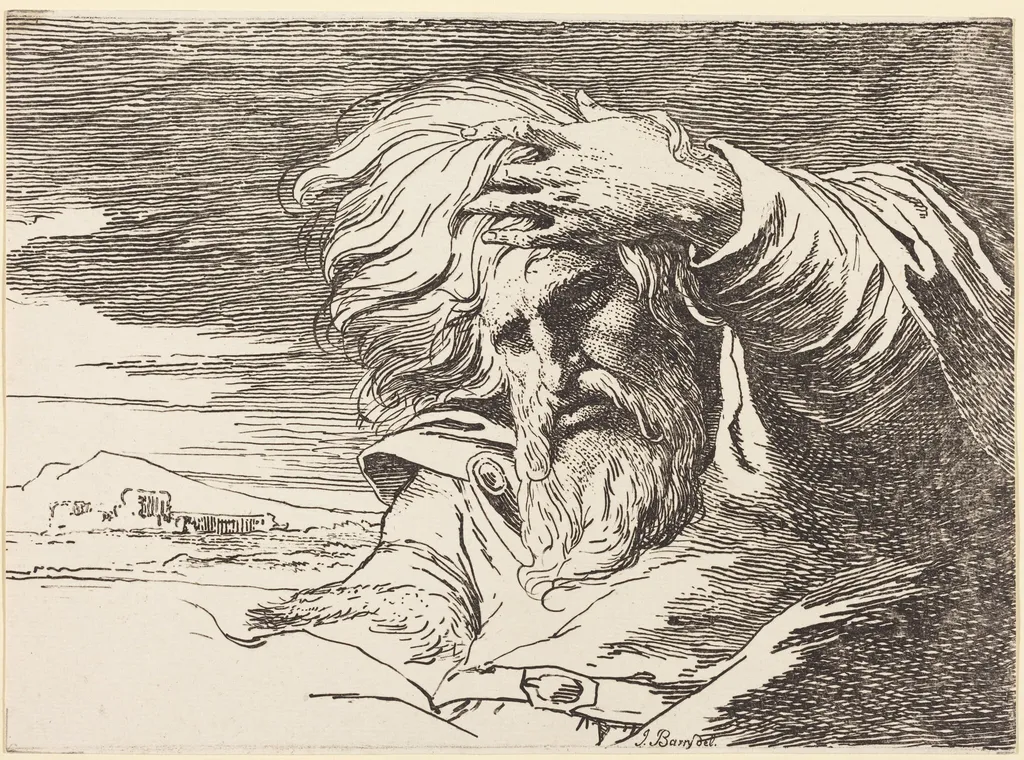
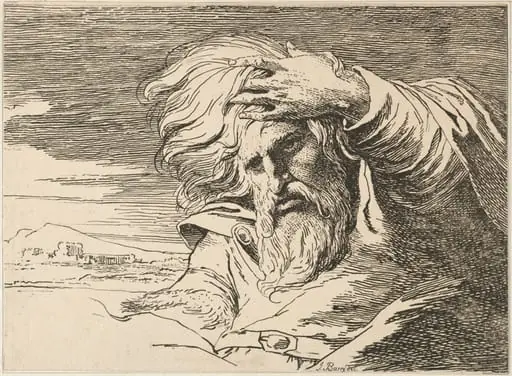
Eastern Patriarch is an ink print by the Romanticist artist James Barry. It dates from 1803 and is held in the collection of the National Gallery of Art.
About this work
Overview
Eastern Patriarch is a 1803 pen-and-tusche lithograph by James Barry, an Irish painter recognized for his Romantic leanings and unconventional artistic approach in early 19th-century Britain.
Subject & Meaning
The print depicts a contemplative, robed figure seated on a rocky shoreline, absorbed in thought amidst turbulent sea and sky. The figure's averted face and poised hands convey introspection, set against a backdrop of dynamic natural elements.
Technique & Style
Barry employed pen-and-tusche lithography to achieve expressive, quick lines, capturing the restless movement of waves and wind. This technique suited the work's emphasis on conveying emotional and natural turmoil.
History & Provenance
Created in 1803, Eastern Patriarch reflects Barry's interest in historical and cultural themes, characteristic of his independent artistic stance. Specific provenance details are not provided.
Context
The work aligns with burgeoning Romantic sentiments in Britain, emphasizing emotion, individualism, and the sublime in nature. Barry's choice of lithography, a relatively new technique at the time, further highlights his innovative approach.
Legacy
Eastern Patriarch contributes to Barry's legacy as a pioneering figure in early British Romanticism, though its broader impact on the development of lithography or Romantic art movements is not explicitly defined in available information.
Artist & collection
Artist
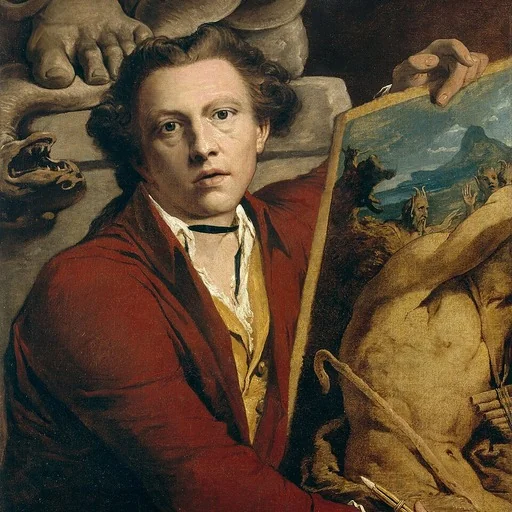
James Barry (11 October 1741 – 22 February 1806) was an Irish painter, best remembered for his six-part series of paintings entitled The Progress of Human Culture in the Great Room of the Royal Society of Arts in London.

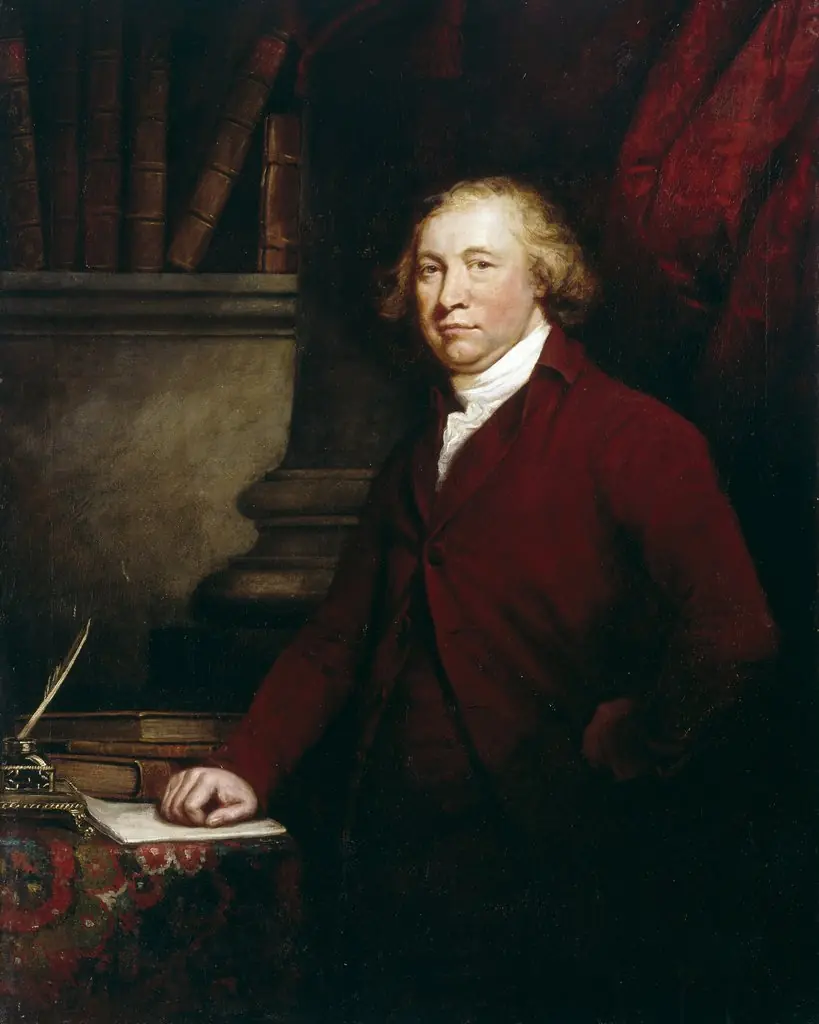 Portrait of Edmund Burke (1729-1797), Statesman, Orator and Writer
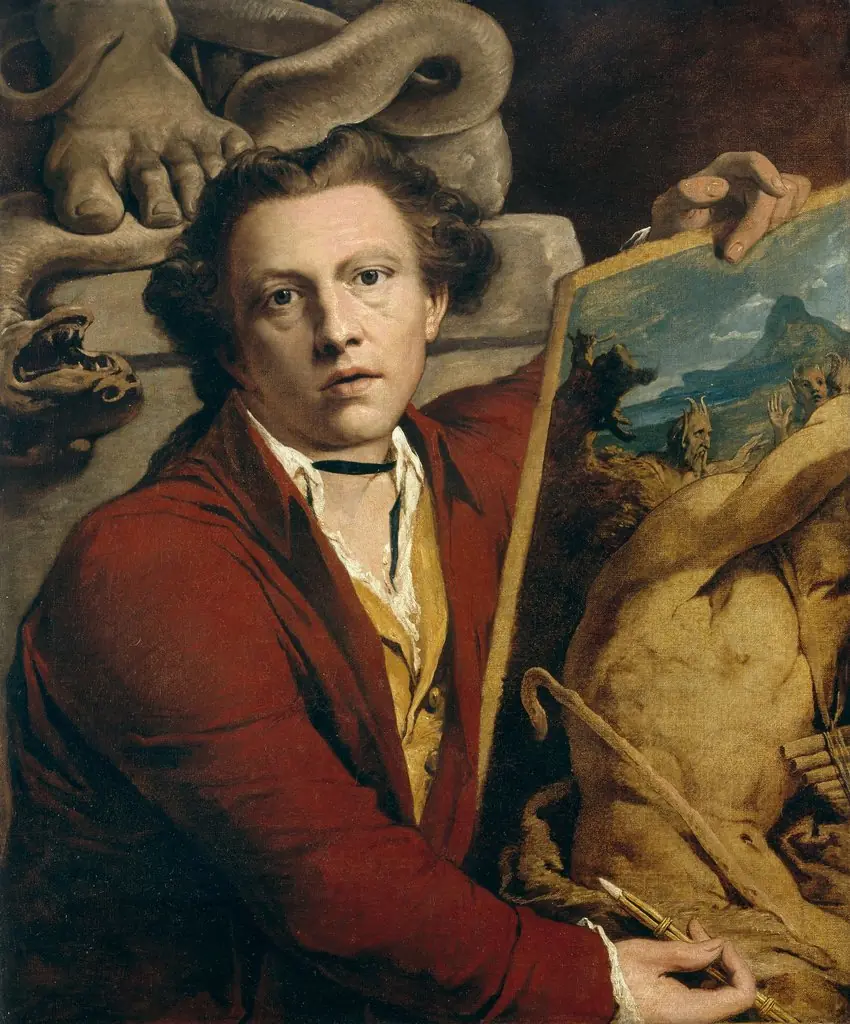 Self-Portrait as Timanthes
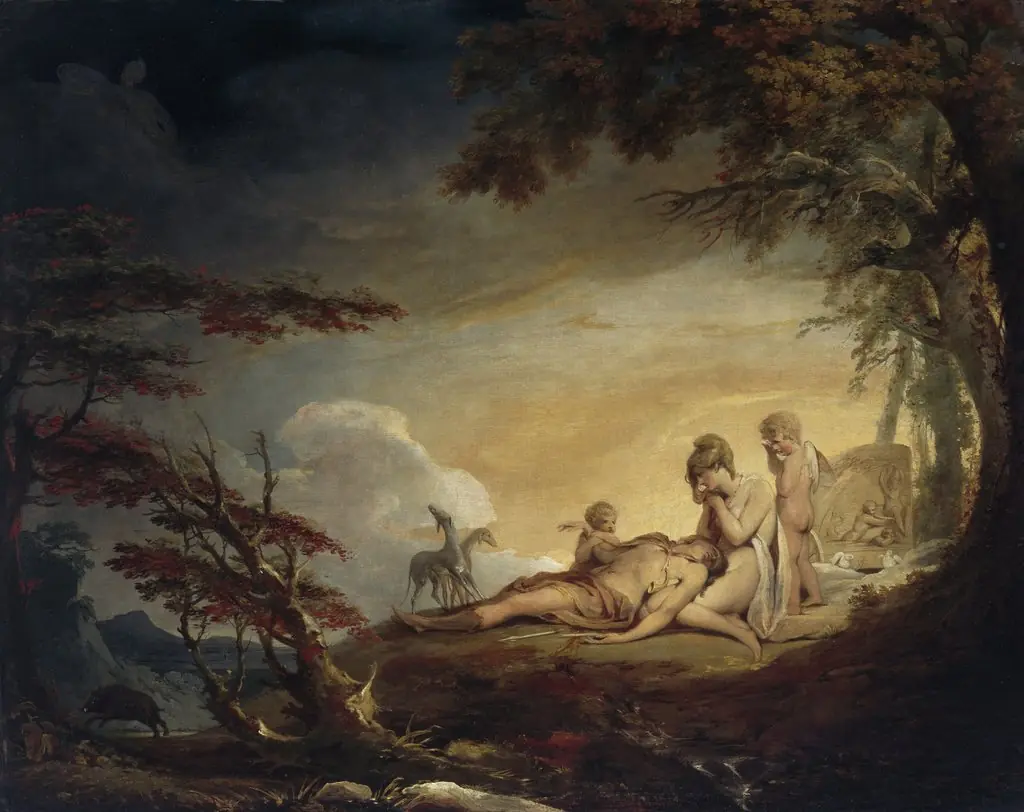 The Death of Adonis
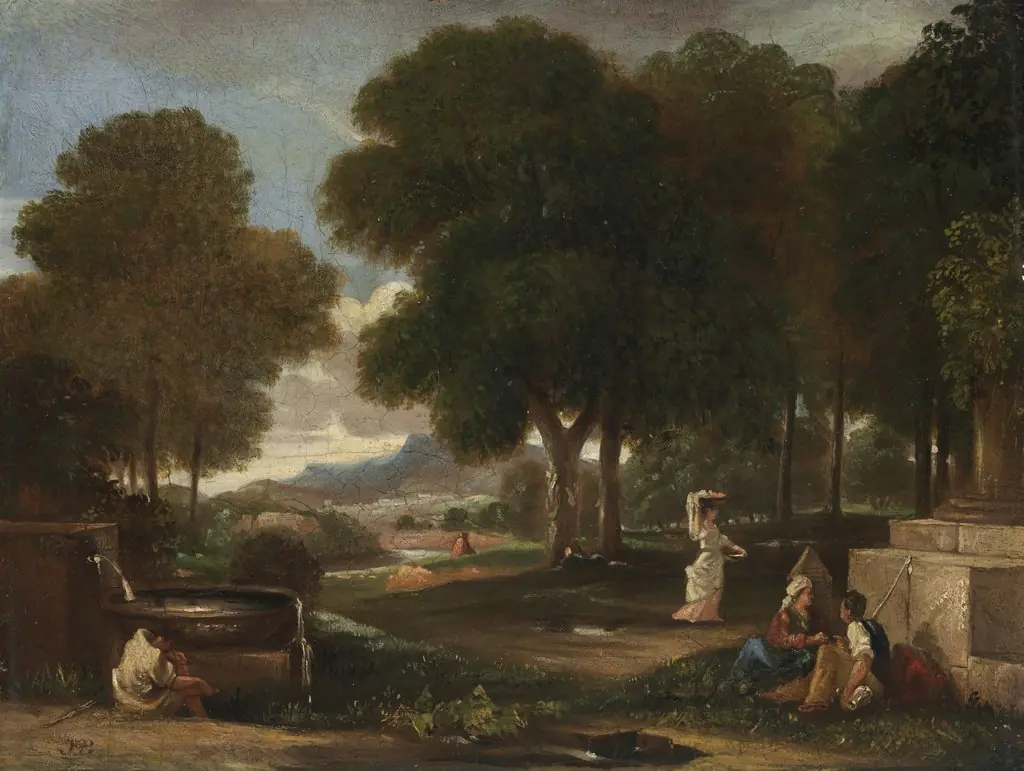 Landscape with a Man Washing his Feet at a Fountain
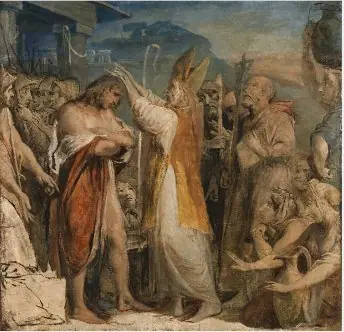 The Baptism of the King of Cashel by Saint Patrick
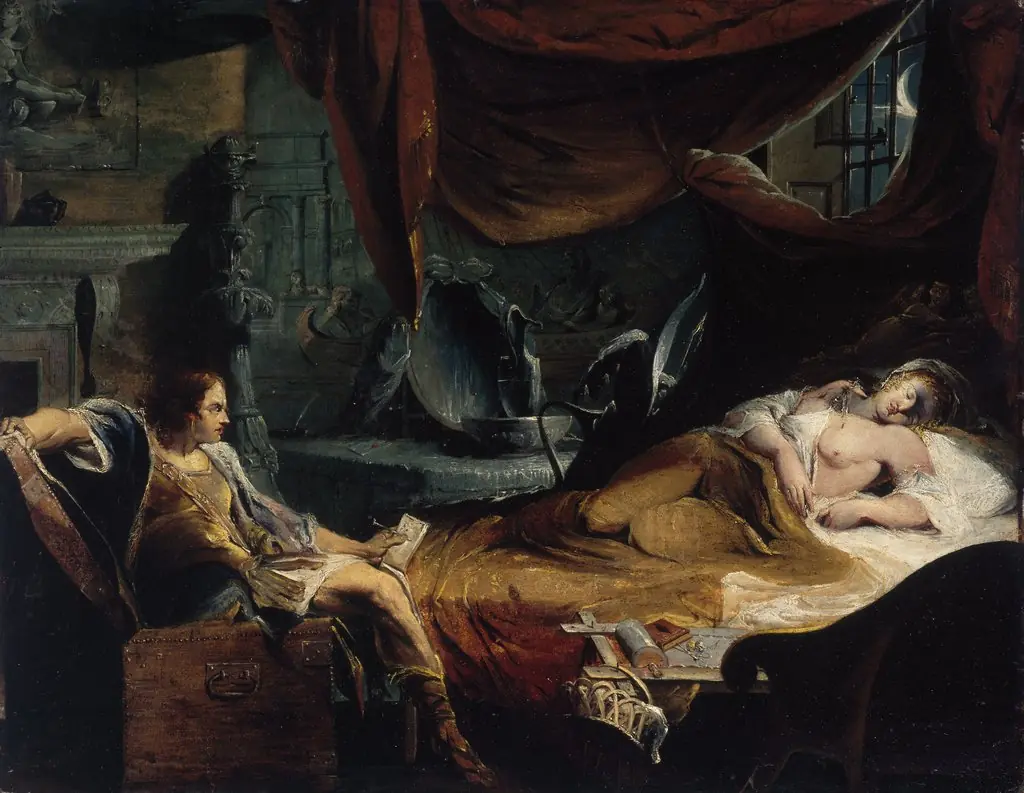 Iachimo Emerging from the Chest in Imogen's Chamber
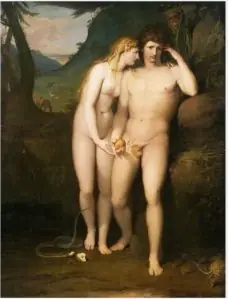 The Temptation of Adam
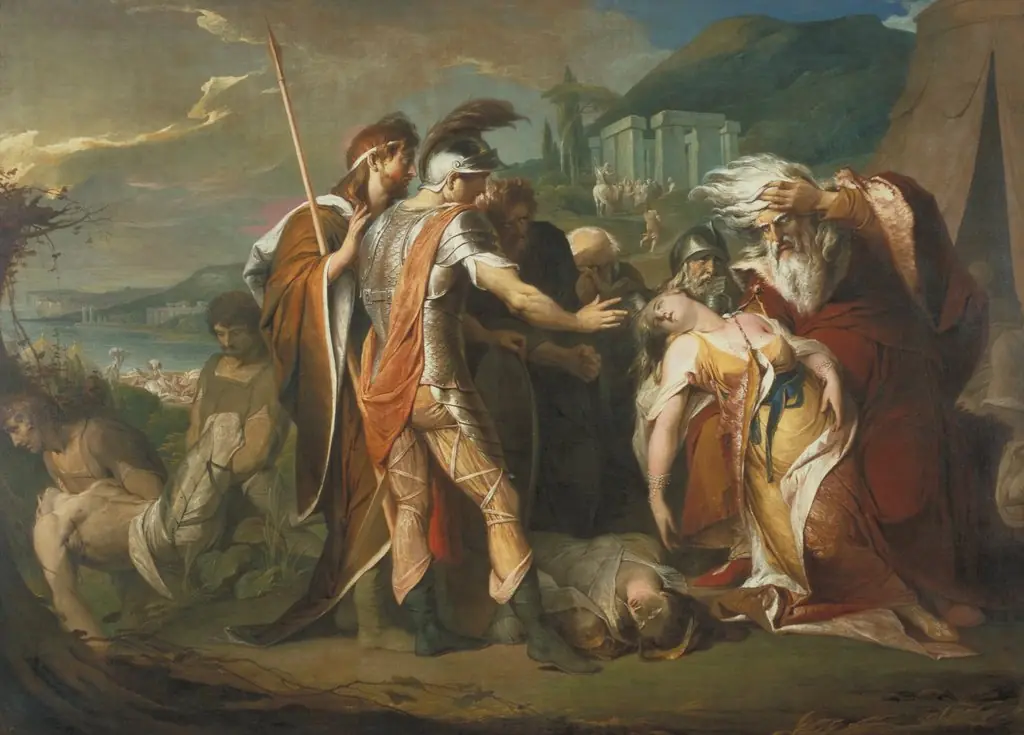 King Lear Weeping over the Dead Body of Cordelia
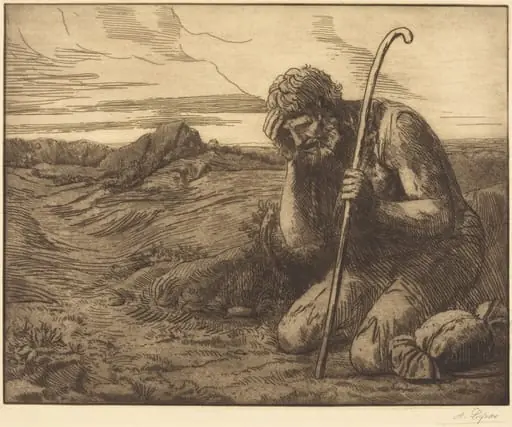 The Prodigal Son, 6th plate (L'enfant prodigue)
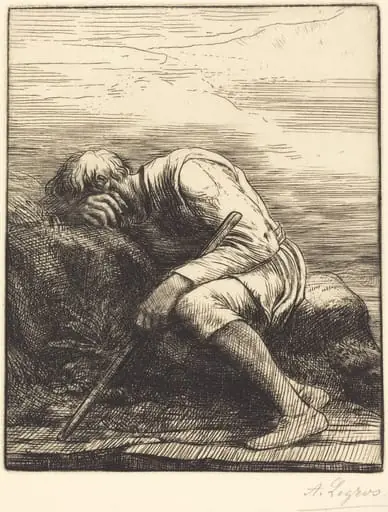 Sinbad the Sailor (Sinbad le marin)
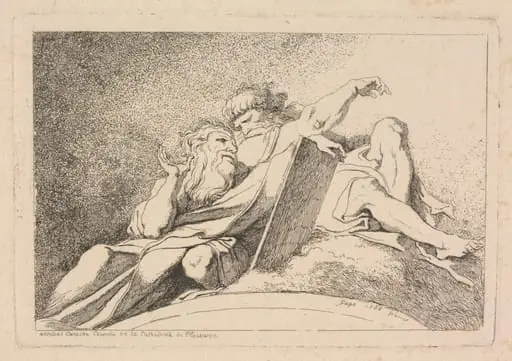 The Two Prophets
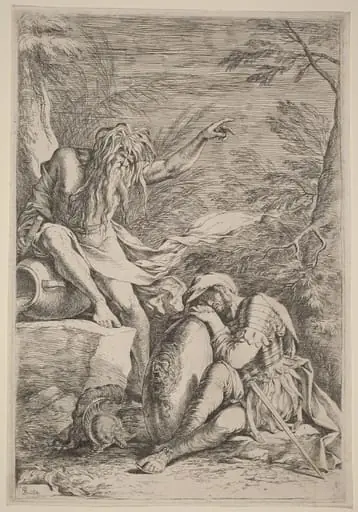 The Dream of Aeneas
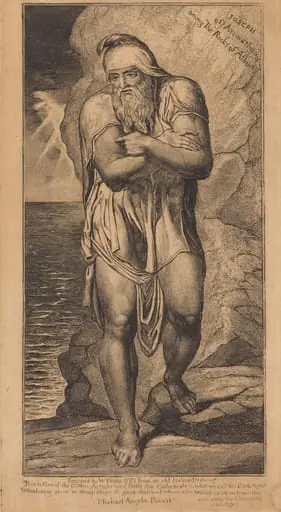 Joseph of Arimathea Among the Rocks of Albion
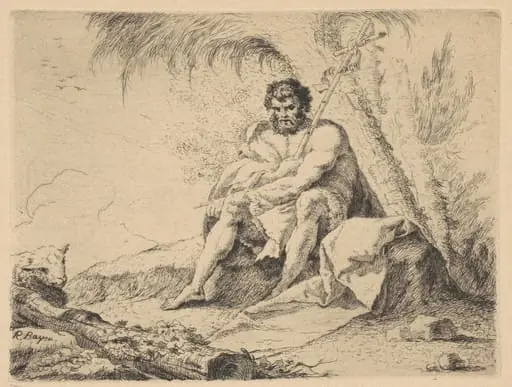 John the Baptist and the Lamb
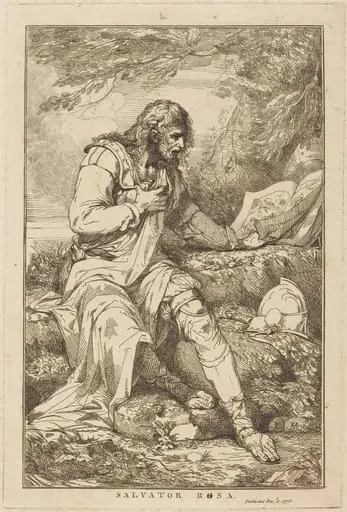 Salvator Rosa
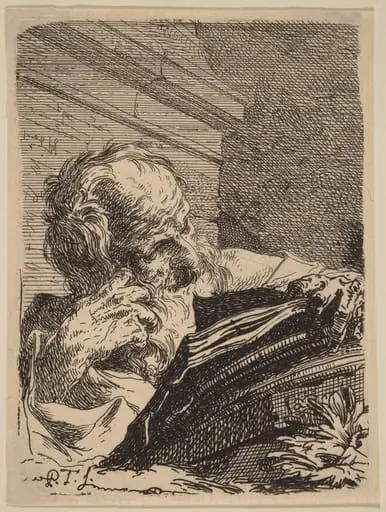 A Philosopher
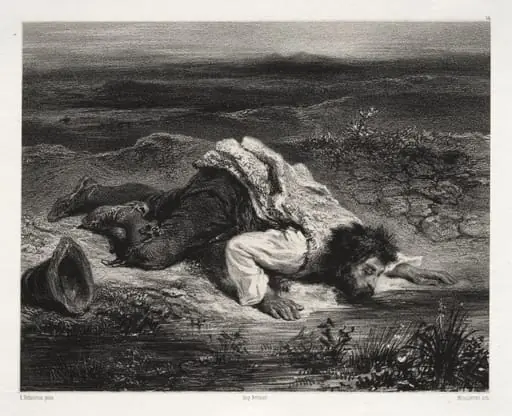 The Wounded Brigand
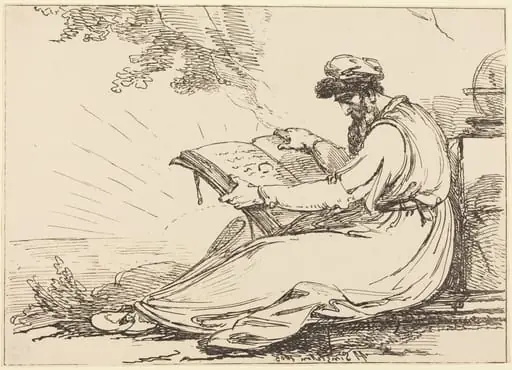 Oriental with Beard, Reading a Book
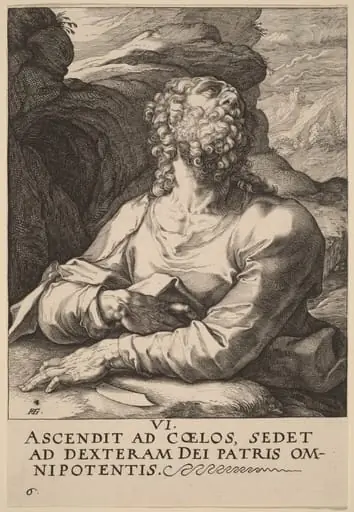 Saint Bartholomew
 Eastern Patriarch