Artwork
Ceres and Bacchus
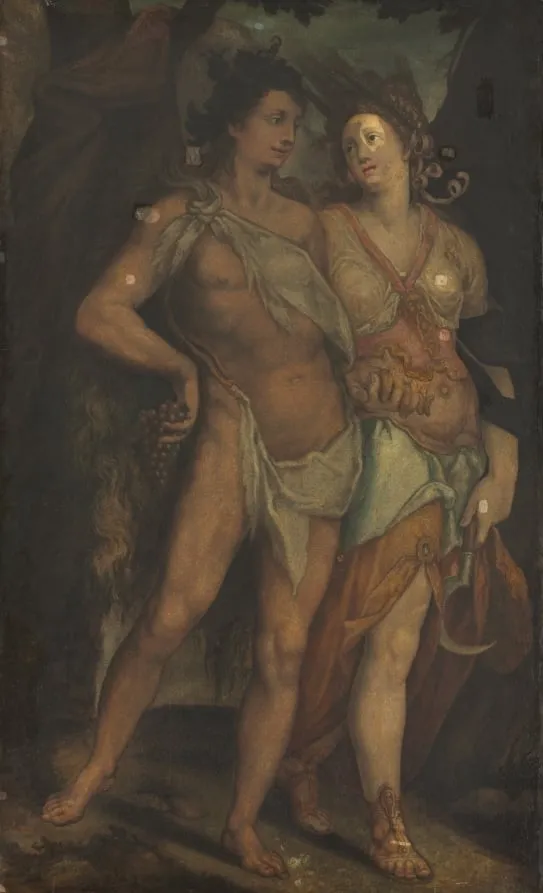
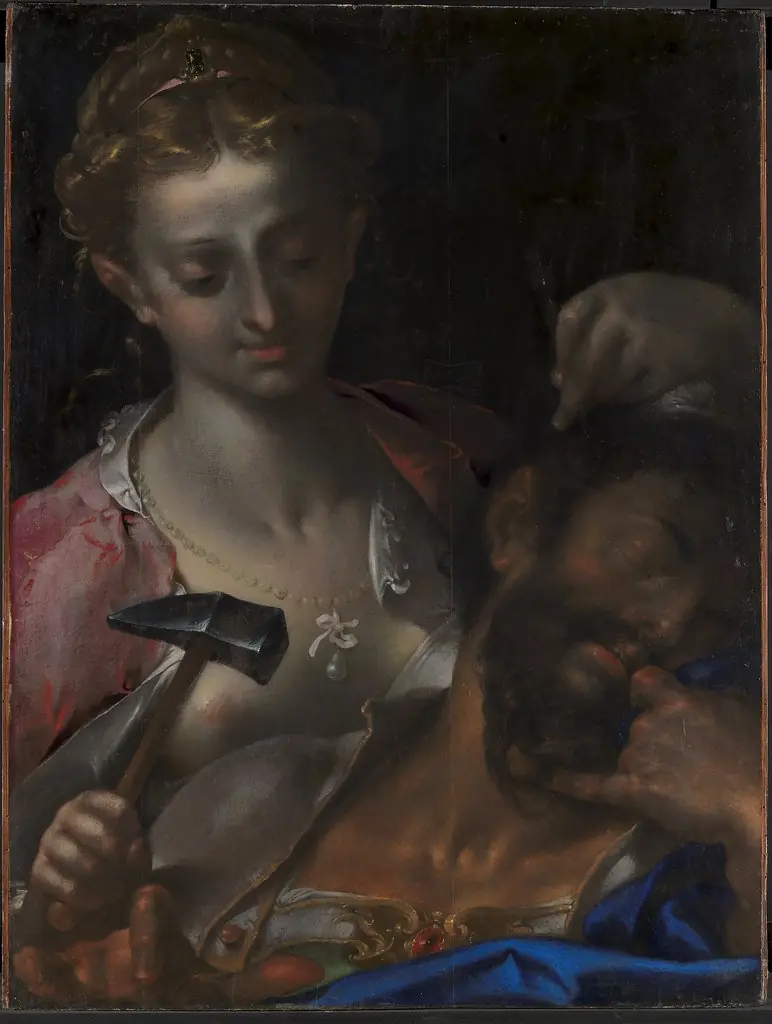
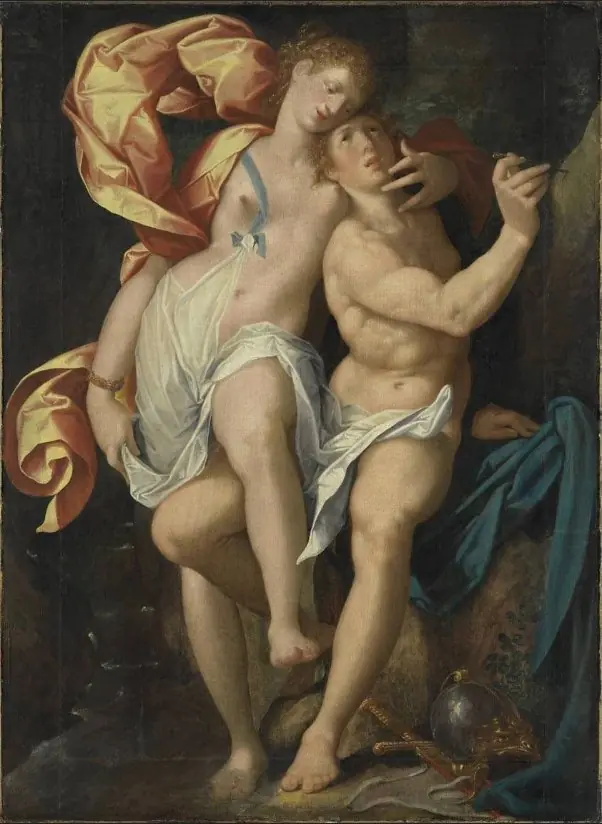
Ceres and Bacchus is an unspecified painting by the Baroque artist Bartholomeus Spranger. It dates from 1604 and is held in the collection of the Cleveland Museum of Art.
About this work
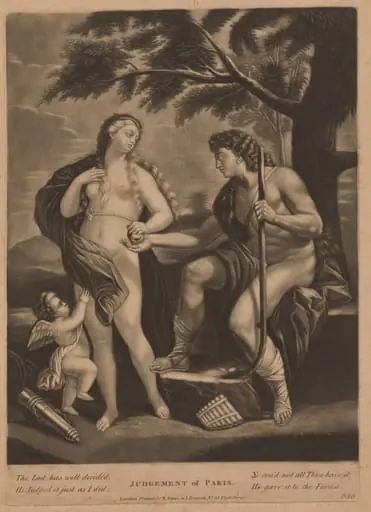
The Latin phrase under the print says love needs food and drink to survive.
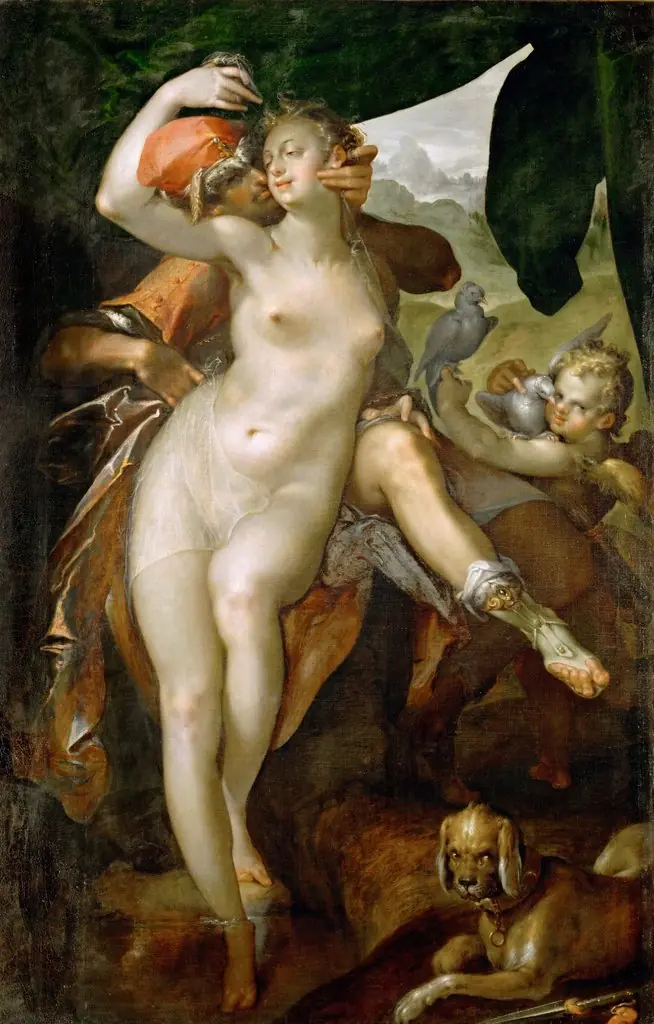
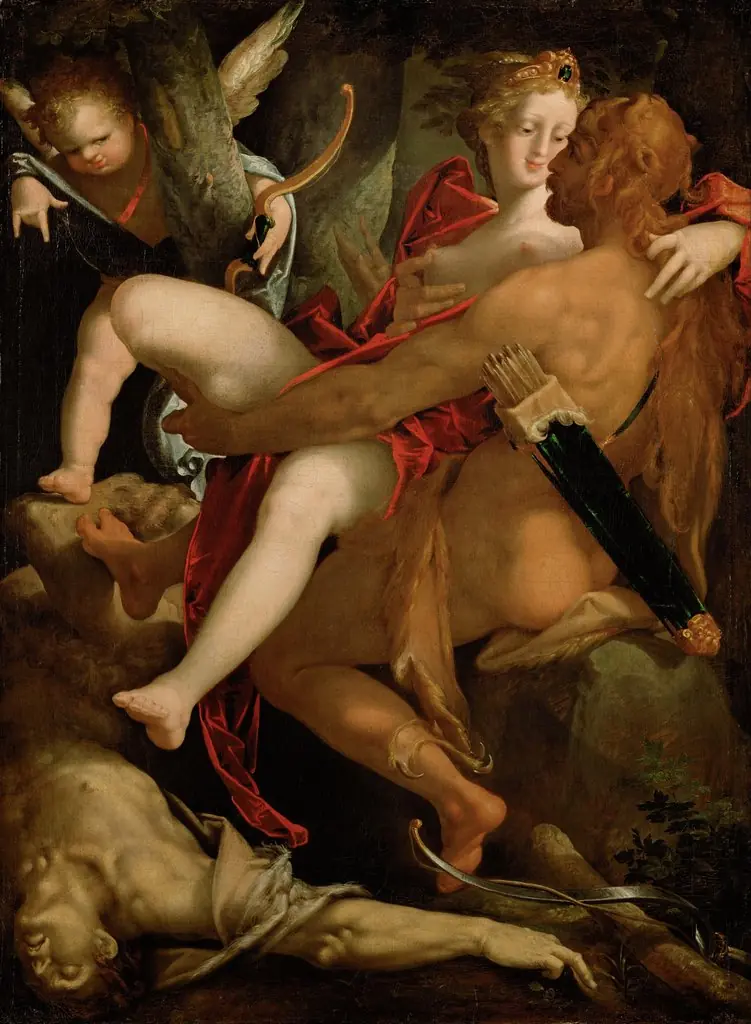
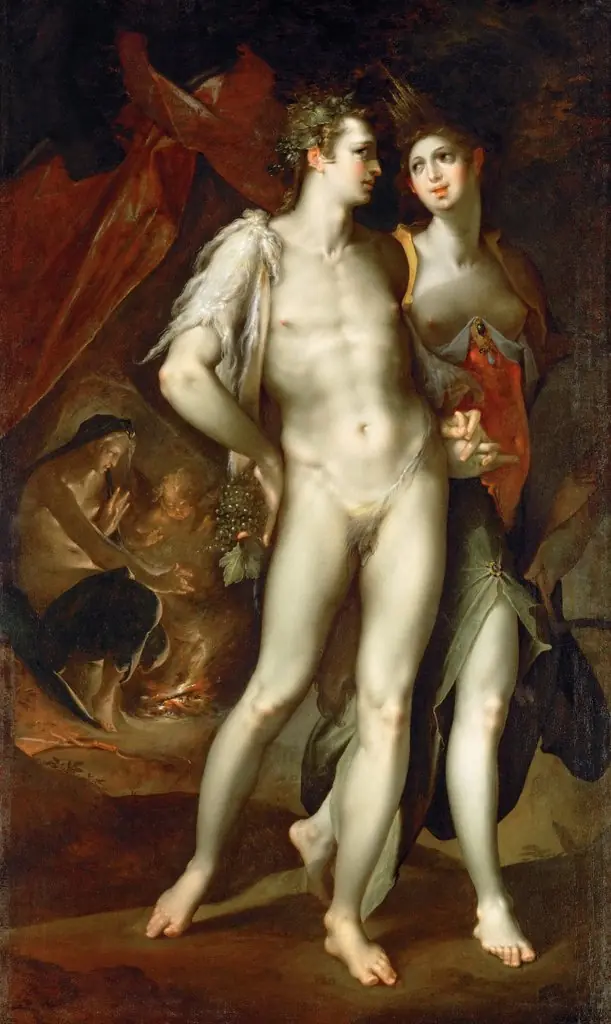
This painting shows Ceres and Bacchus floating above a dark ground. Ceres holds wheat and a torch. Bacchus carries grapes and a cup. Their bodies glow against the shadowy background.
Spranger painted this in the early 1600s. It copies a print by Jan Harmensz Muller. The Latin phrase under the print says love needs food and drink to survive.
Look up Bartholomaeus Spranger (Flemish, 1546–1611) next.
Overview
The work is a painted rendition of a print originally created by Jan Harmensz Muller, which itself was derived from an early‑17th‑century composition by Bartholomaeus Spranger. It depicts the Roman deities Ceres and Bacchus hovering above a darkened ground, each bearing symbols of their domains—wheat and a torch for Ceres, grapes and a cup for Bacchus—while their luminous forms contrast with the surrounding shadow.
Subject & Meaning
The pairing of Ceres, goddess of grain, and Bacchus, god of wine, reflects a longstanding allegorical theme that links agricultural abundance to the sustenance of love. A Latin motto accompanying the original print, “Sine Cerere et Bacchio friget Venus,” translates as “without Ceres and Bacchus, Venus grows cold,” suggesting that affection (Venus) cannot thrive without the nourishment provided by food and drink.
Technique & Style
Executed in oil on canvas, the painting adopts a chiaroscuro approach, emphasizing the radiant bodies of the deities against a tenebrous backdrop. The figures are rendered with a smooth, idealised finish typical of late Mannerist portraiture, while the inclusion of detailed attributes—wheat sheaves, torchlight, grape clusters, and a drinking vessel—enhances the symbolic narrative.
History & Provenance
The image originates from Spranger’s early‑1600s design, which was first disseminated through Muller's print. The present painted copy was produced later, likely by an unknown hand familiar with the print, and has since entered a private collection before being acquired by the museum in the early 21st century.
Context
Spranger, a Flemish artist active in the courts of Rudolf II in Prague, frequently employed mythological subjects to convey moral or philosophical ideas. The Ceres‑Bacchus motif aligns with the period’s interest in allegorical representations of the four elements—earth, water, air, fire—linking agricultural fertility to human passions.
Artist & collection
Artist
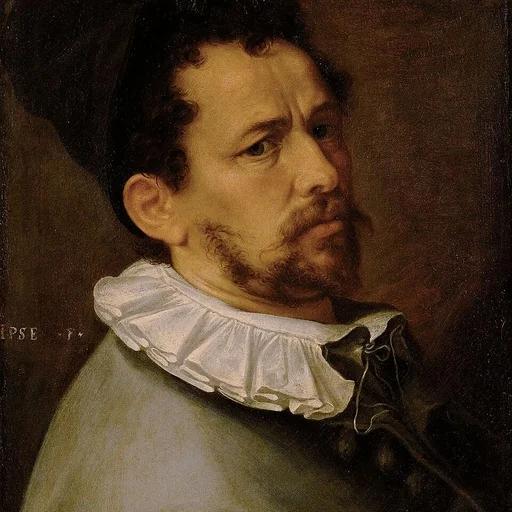
Bartholomeus Spranger or Bartholomaeus Spranger (21 March 1546 – 27 June 1611) was a Flemish painter, draughtsman, sculptor, and designer of prints.