Artwork
Figures Dancing near a Ruin
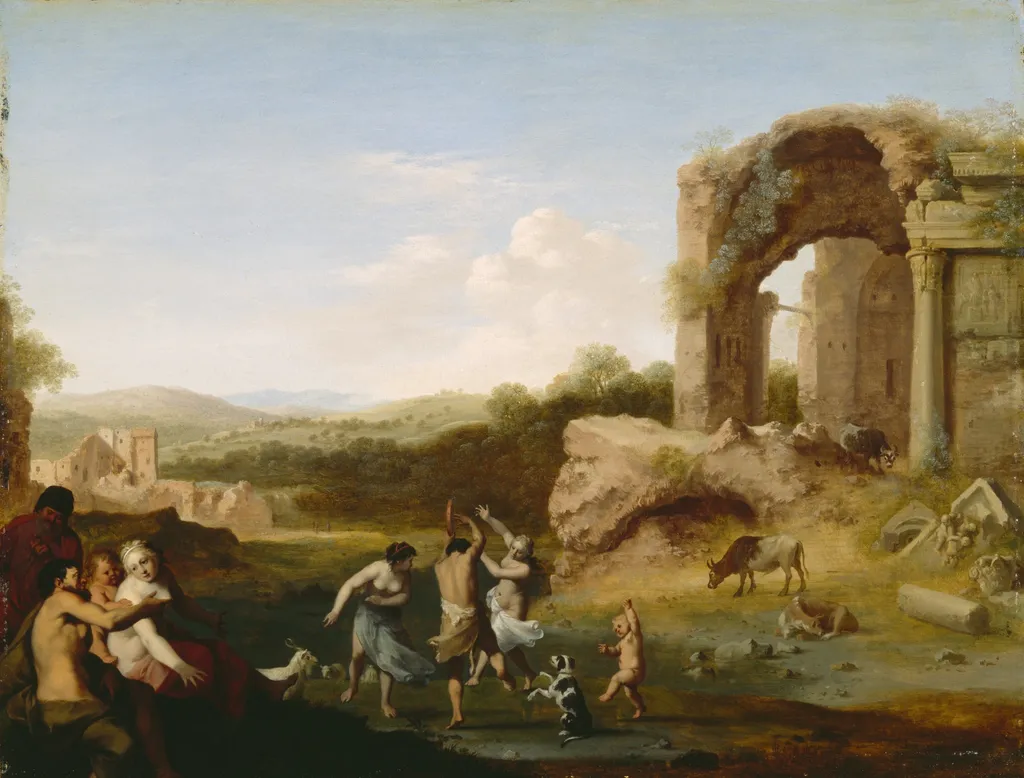
Figures Dancing near a Ruin is an oil painting by the Dutch Golden Age artist Cornelius van Poelenburgh. It dates from 1624 and is held in the collection of the Detroit Institute of Arts.
About this work
Overview
Painted in 1624, *Figures Dancing near a Ruin* is an oil-on-canvas work by Cornelius van Poelenburgh, a Dutch artist active during the Golden Age.
Painted in 1624, *Figures Dancing near a Ruin* is an oil-on-canvas work by Cornelius van Poelenburgh, a Dutch artist active during the Golden Age. Though Dutch by birth, Poelenburgh spent formative years in Rome, where he absorbed classical motifs and developed a niche for intimate landscapes populated with small, animated figures. This piece exemplifies his signature fusion of natural scenery and human narrative, rendered on a modest scale.
Subject & Meaning
The scene portrays a group of figures engaged in dance amid the remnants of classical architecture. Some move in rhythmic motion, while others observe or interact with animals, suggesting a moment of informal celebration. The ruins imply a connection to antiquity, not as a site of decay but as a backdrop to contemporary life. The composition evokes a quiet harmony between human activity and the enduring presence of the past.
Technique & Style
Poelenburgh employed soft, warm tonalities and gentle lighting to unify the figures with their surroundings. Brushwork is delicate, with attention to subtle shifts in color and texture rather than dramatic contrast. The figures are rendered with light, fluid strokes, emphasizing movement and spontaneity. The landscape recedes into hazy distance, enhancing depth without overwhelming the central action.
History & Provenance
Created during Poelenburgh’s mature period after his return from Italy, the painting reflects the influence of Roman antiquities and Italianate landscape traditions. It was likely made for a private collector interested in refined, narrative-driven scenes. While its early ownership is undocumented, its stylistic consistency with his known works from the 1620s supports its attribution and dating.
Context
In early 17th-century Dutch art, landscape painting was gaining prominence as a distinct genre. Poelenburgh’s work stood apart by integrating classical ruins and mythological undertones into otherwise secular scenes. His approach resonated with collectors who valued intellectual allusion alongside visual pleasure, bridging northern European realism with southern European antiquarianism.
Legacy
Poelenburgh’s integration of narrative figures within landscape settings influenced later Dutch and Flemish painters, particularly those drawn to pastoral and classical themes. Though not widely celebrated today, his small-scale compositions contributed to the evolution of genre-infused landscapes, offering a model for balancing human presence with environmental serenity.
Own this work as a print
Artist & collection
Artist
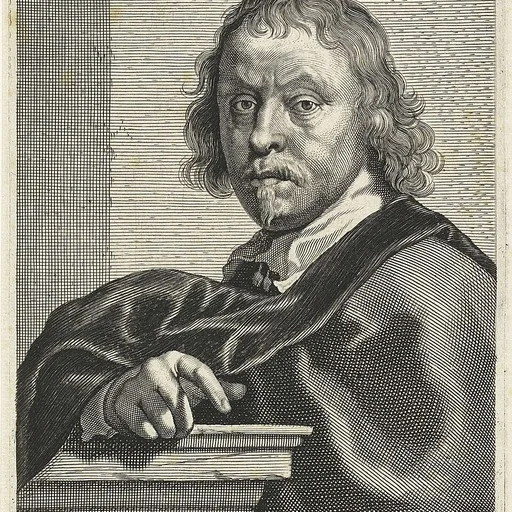
Cornelis van Poelenburgh or Cornelis van Poelenburch (1594 – 12 August 1667), was a Dutch landscape painter and draughtsman.

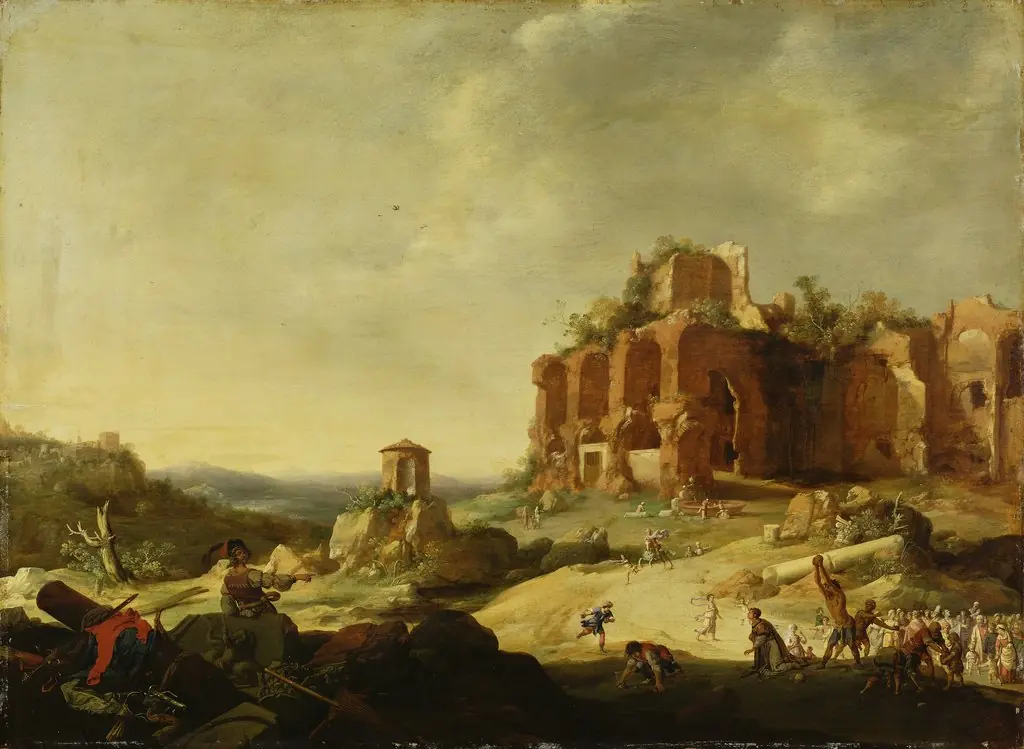 The Stoning of St. Stephen
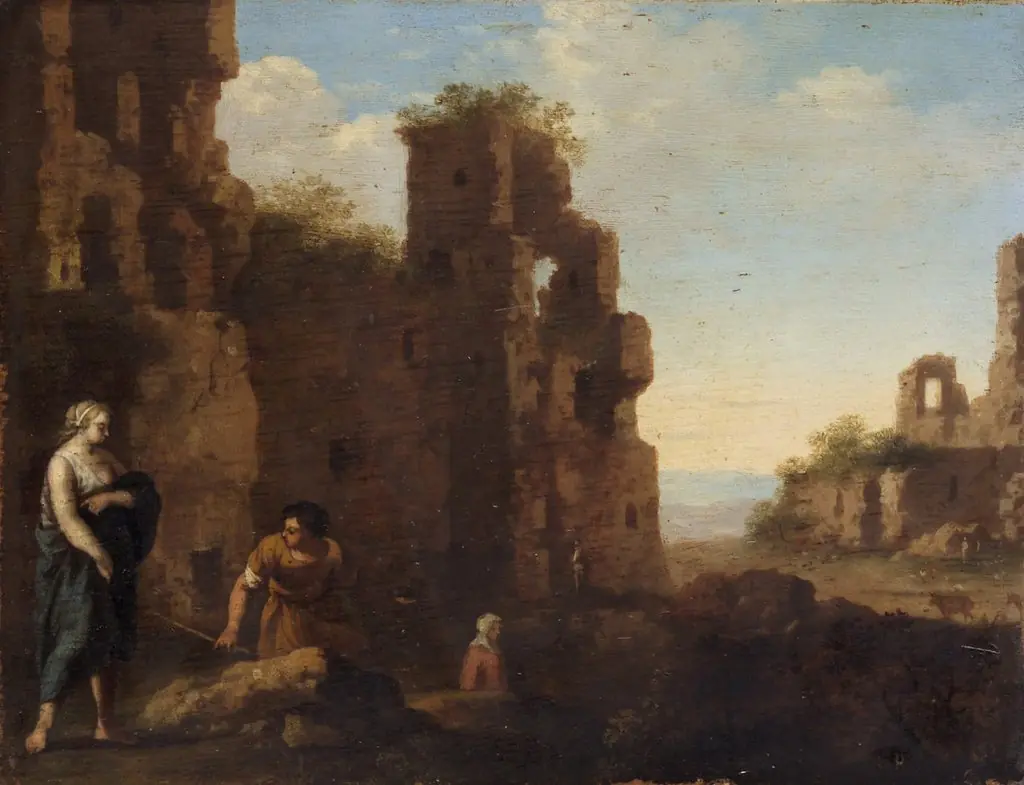 Ruinenlandschaft mit Staffage
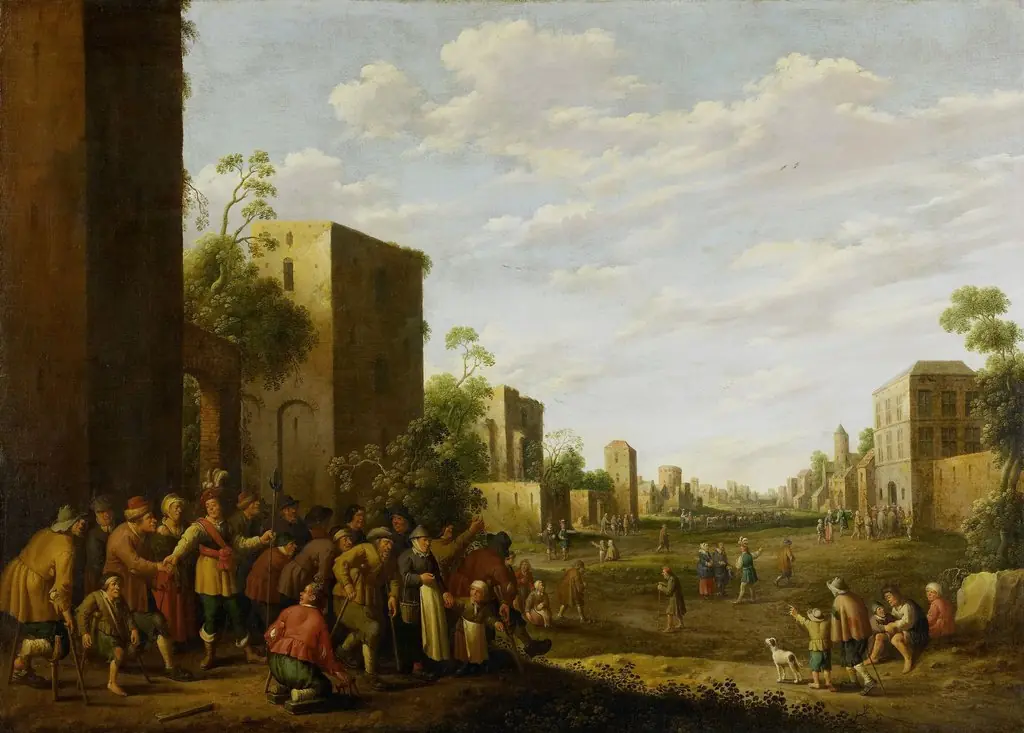 Housing the poor
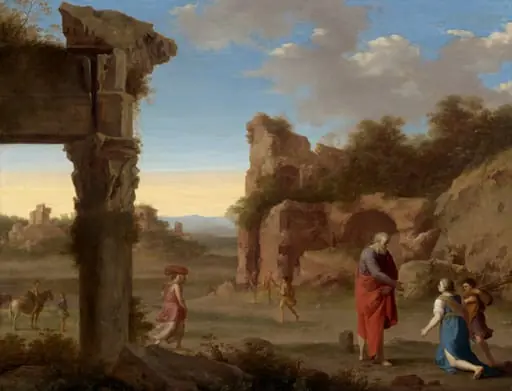 The Prophet Elijah and the Widow of Zarephath
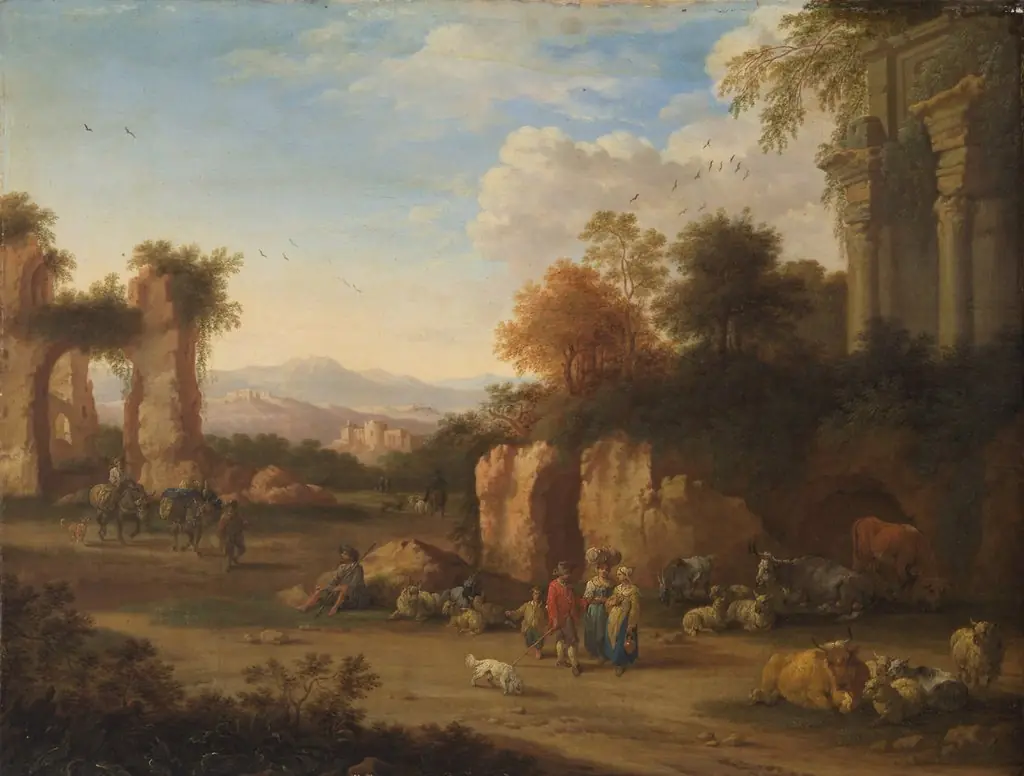 Italian landscape with ancient ruins and peasants
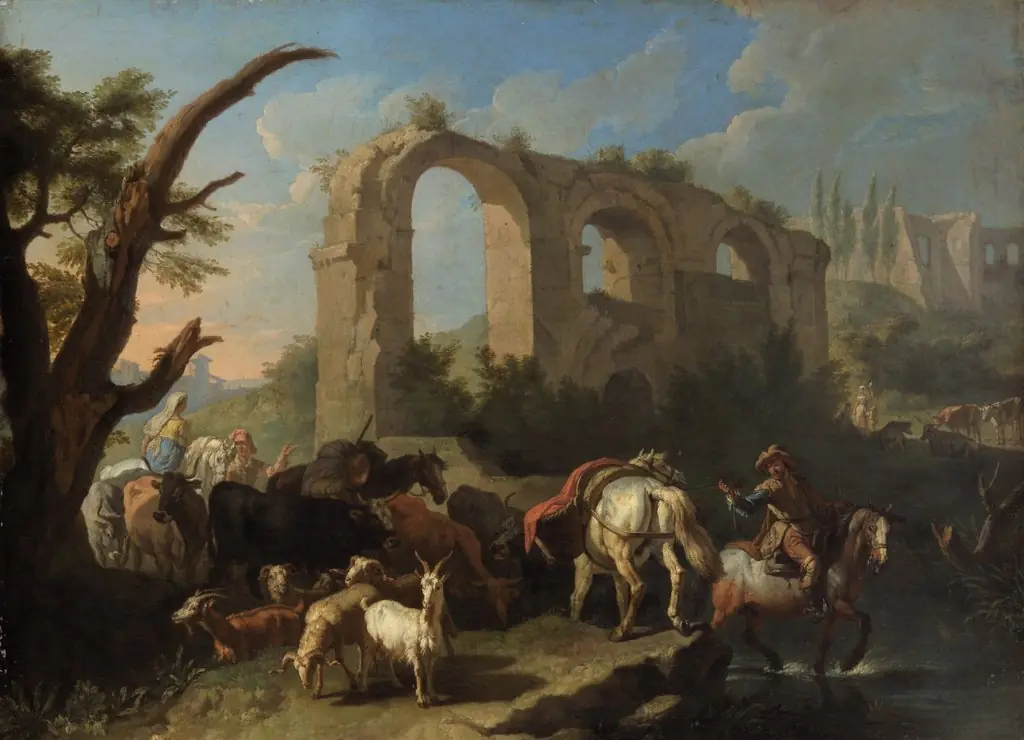 Italian Landscape with Horses and Herdsmen
 A Classical Landscape with Judah and Tamar
 Capriccio Roman landscape with ruins
 Landscape with ruins
 Moses and Aaron Changing the Rivers of Egypt to Blood
 Landscape with Polyphemus
 Pastoral landscape