Artwork
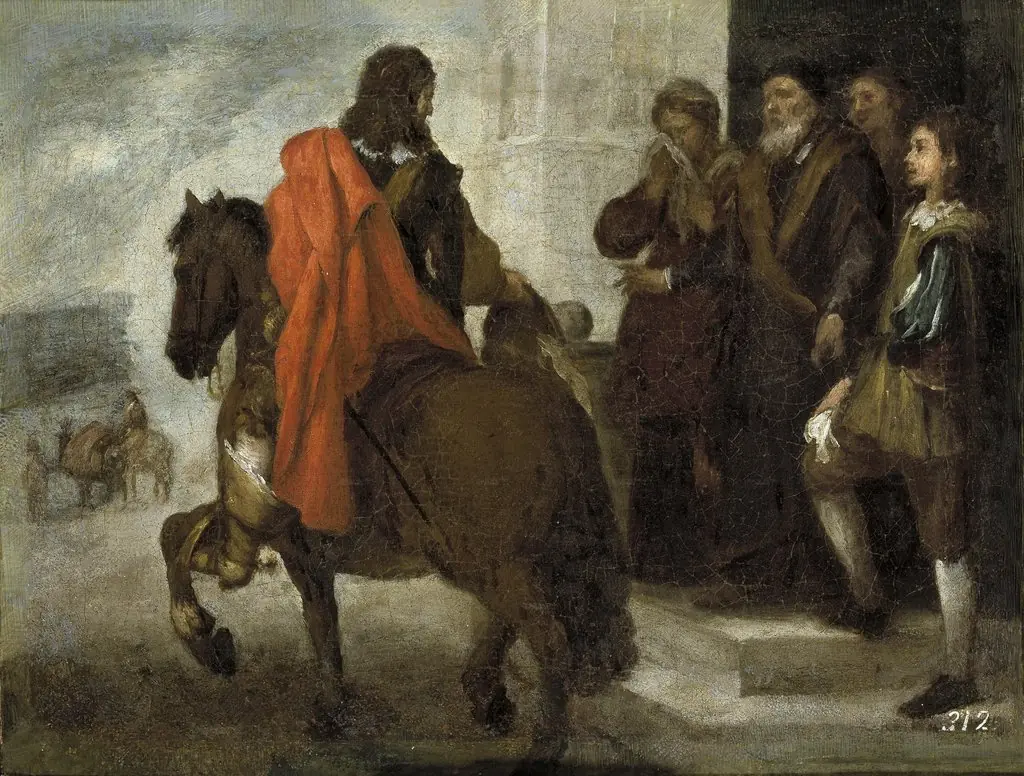
La despedida del hijo pródigo, de Murillo (Museo del Prado)
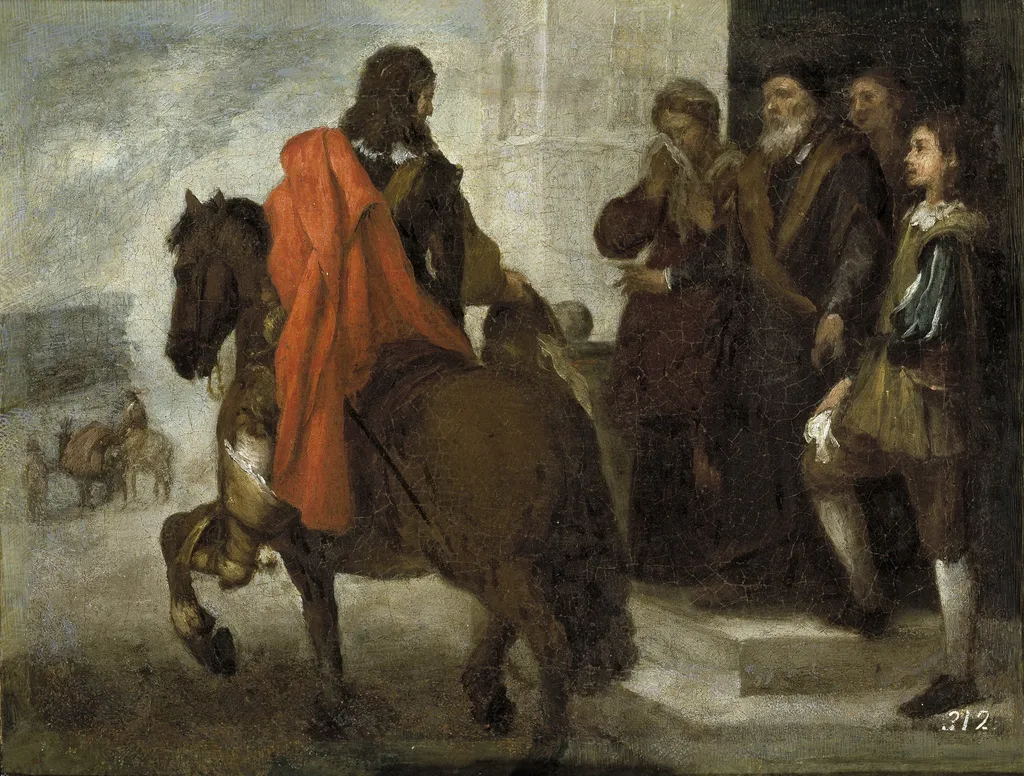
La despedida del hijo pródigo, de Murillo (Museo del Prado) is an unspecified painting by the Spanish Baroque Tenebrist artist Bartolomé Esteban Murillo. It dates from 1659 and is held in the collection of the Museo del Prado.
About this work
Overview
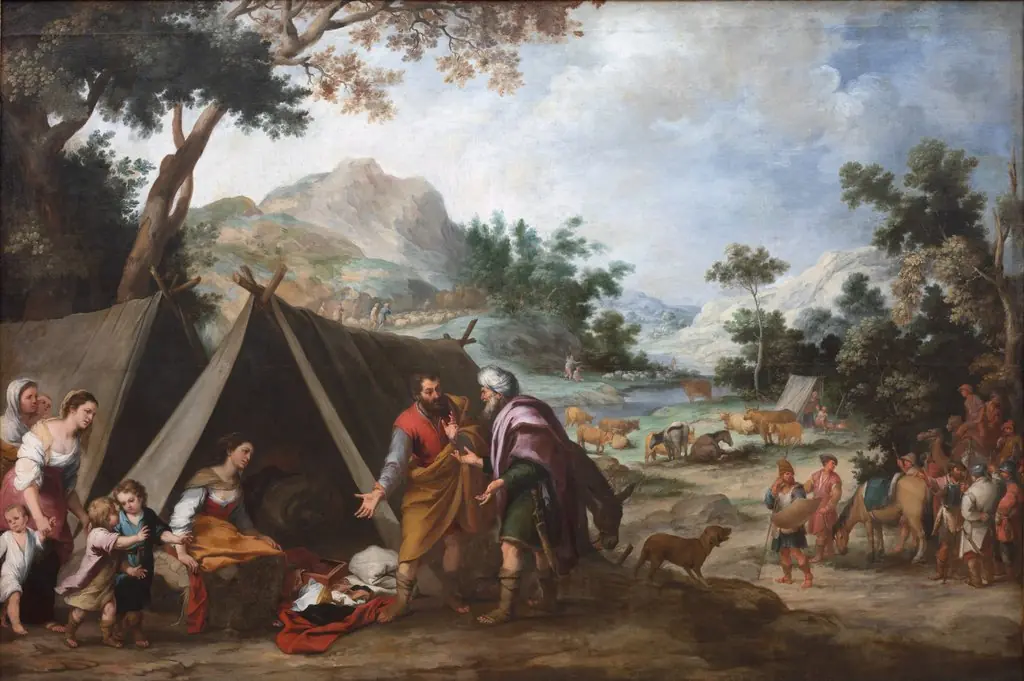
Bartolomé Esteban Murillo’s *La despedida del hijo pródigo*, painted around 1659, is held in the Museo del Prado. The canvas captures a moment of parting, with a rider in a red cloak turning toward a group assembled on a stone platform as he prepares to leave. A distant waterway, a boat, and another mounted figure complete the scene, evoking a mood of departure and yearning.
Subject & Meaning
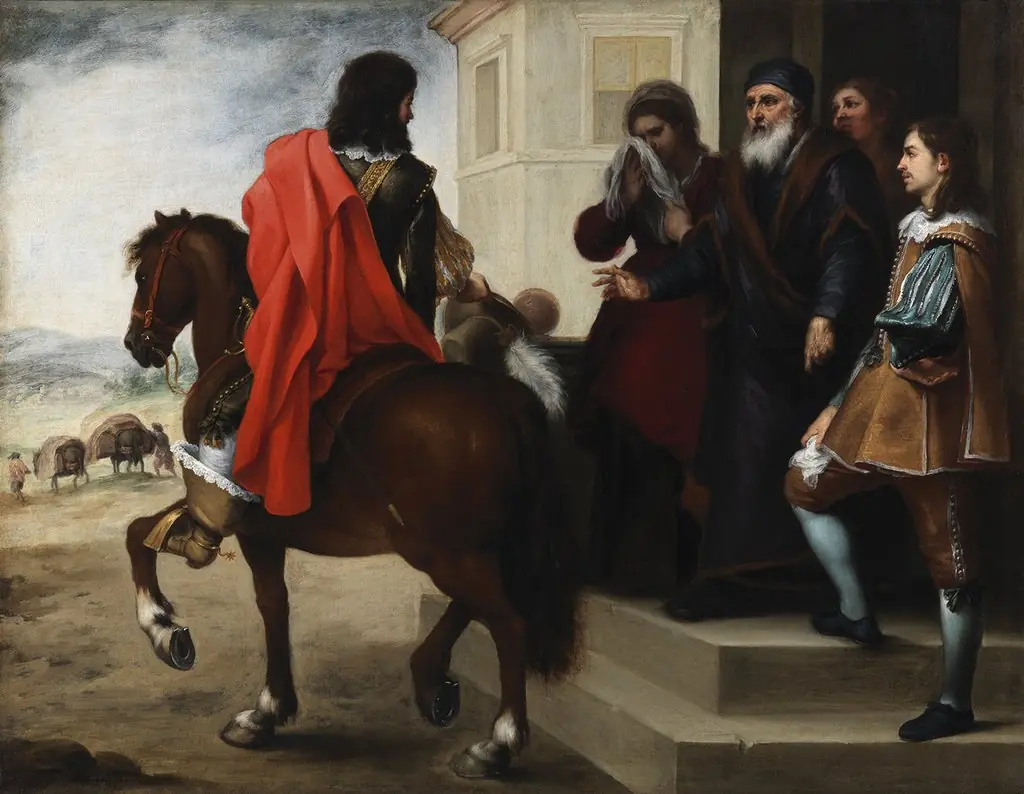
The work illustrates the biblical parable of the prodigal son at the instant of his farewell, emphasizing the emotional tension between the departing figure and those who remain. By focusing on the act of leaving rather than the return, Murillo highlights themes of repentance, familial bonds, and the human experience of separation, inviting viewers to contemplate the costs of personal choice.
Technique & Style
Executed in the tenebrist vein of Spanish Baroque, the painting employs stark chiaroscuro to model forms and direct attention to the illuminated figures against a darkened background. Murillo’s handling of light creates a dramatic contrast that accentuates the red cloak and the faces of the onlookers, while the softer rendering of distant water and landscape provides depth without detracting from the central narrative.
History & Provenance
Created in the latter half of Murillo’s career, the canvas entered the collection of the Museo del Prado, where it remains on display. Its attribution to Murillo has been consistently accepted by scholars, and the work has been documented in the museum’s catalogues since the 19th century, reflecting its recognized place within the artist’s religious oeuvre.
Context
The painting’s tenebrist approach mirrors the influence of Caravaggio’s followers, adapted to Murillo’s softer, more compassionate sensibility.
Murillo, a native of Seville born in 1618, was a leading figure of the Spanish Baroque, known for both devotional subjects and genre scenes. *La despedida del hijo pródigo* aligns with his frequent engagement with biblical narratives, a genre that catered to the Counter‑Reformation’s demand for emotionally resonant religious imagery. The painting’s tenebrist approach mirrors the influence of Caravaggio’s followers, adapted to Murillo’s softer, more compassionate sensibility.
Own this work as a print
Artist & collection
Artist
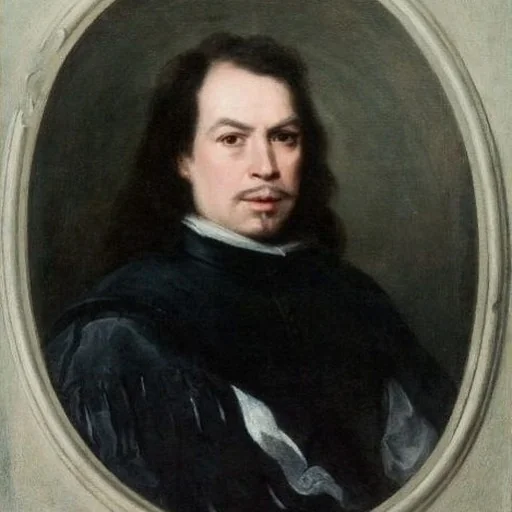
Bartolomé Esteban Murillo ( mure-IL-oh, m(y)uu-REE-oh, Spanish: ; late December 1617, baptised 1 January 1618 – 3 April 1682) was a Spanish Baroque painter.

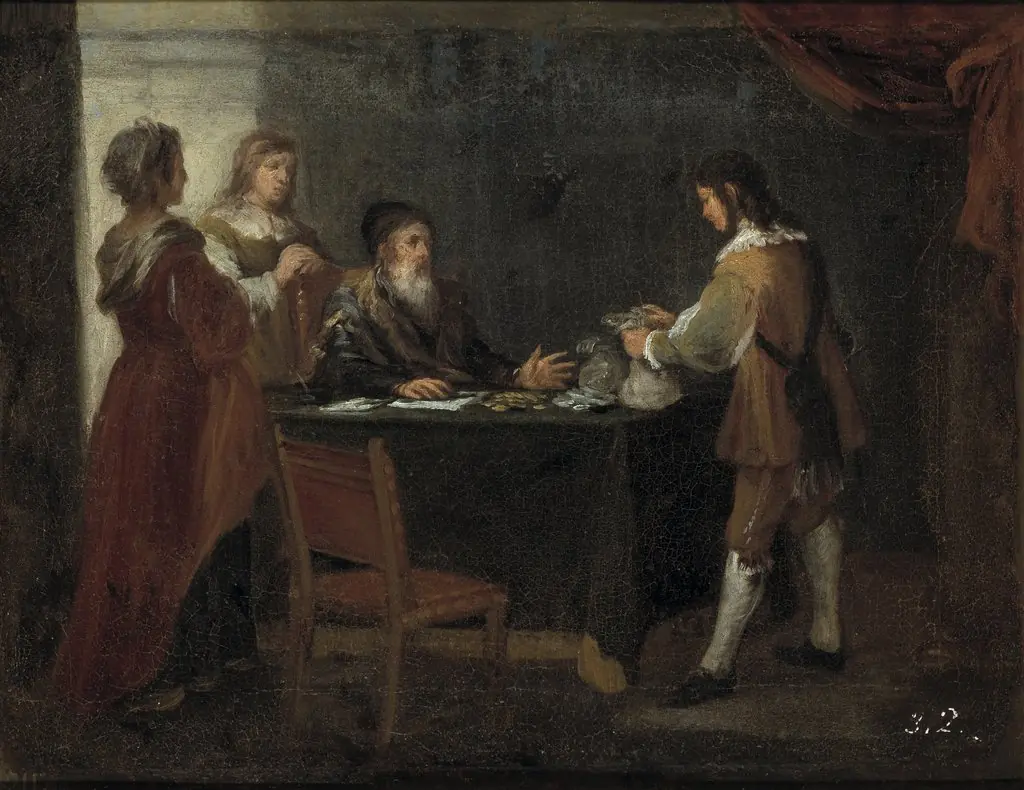 The Prodigal Son receiving his Inheritance
 Christ disputing with the Doctors
 The Prodigal Son taking leave of his Home
 The Departure of the Prodigal Son
 Imperial Coronation
 The Adoration of the Magi
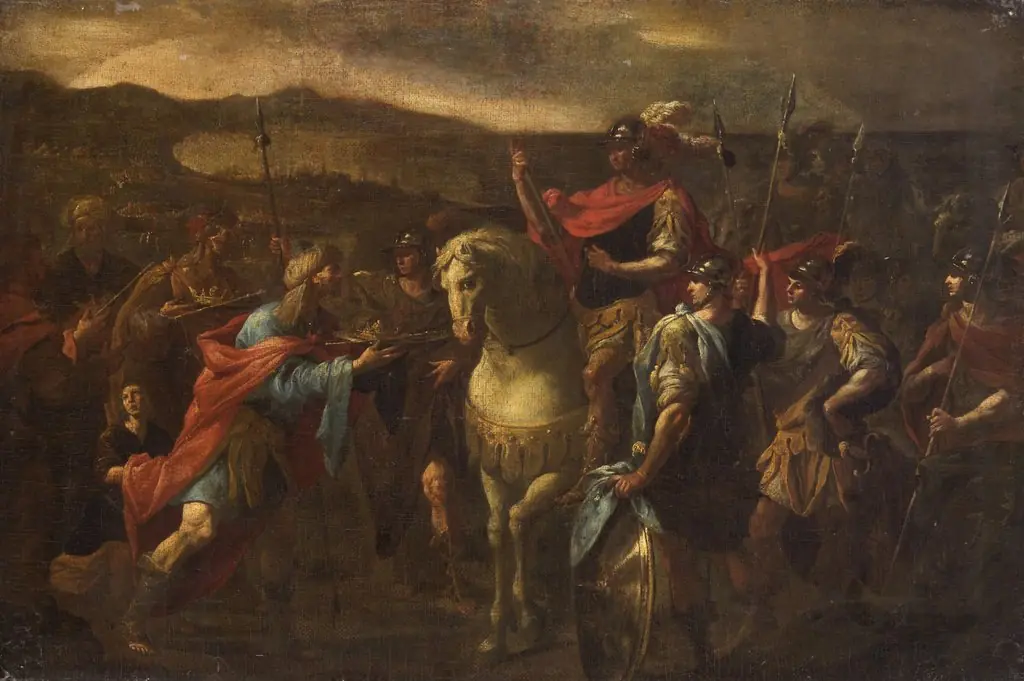 Indische Könige huldigen Alexander dem Großen
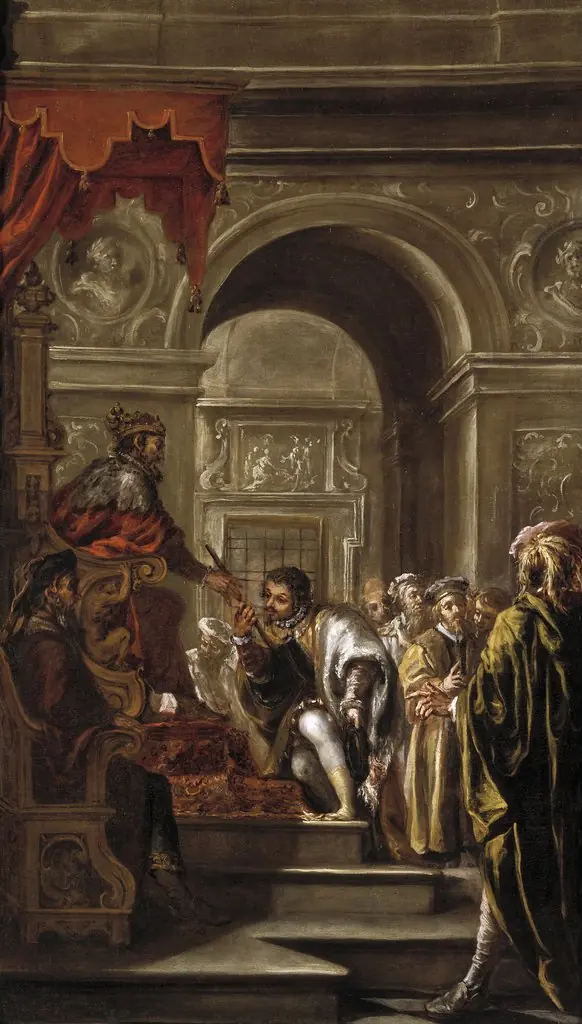 Saint Ambrose appointed Governor of Liguria and Emilia
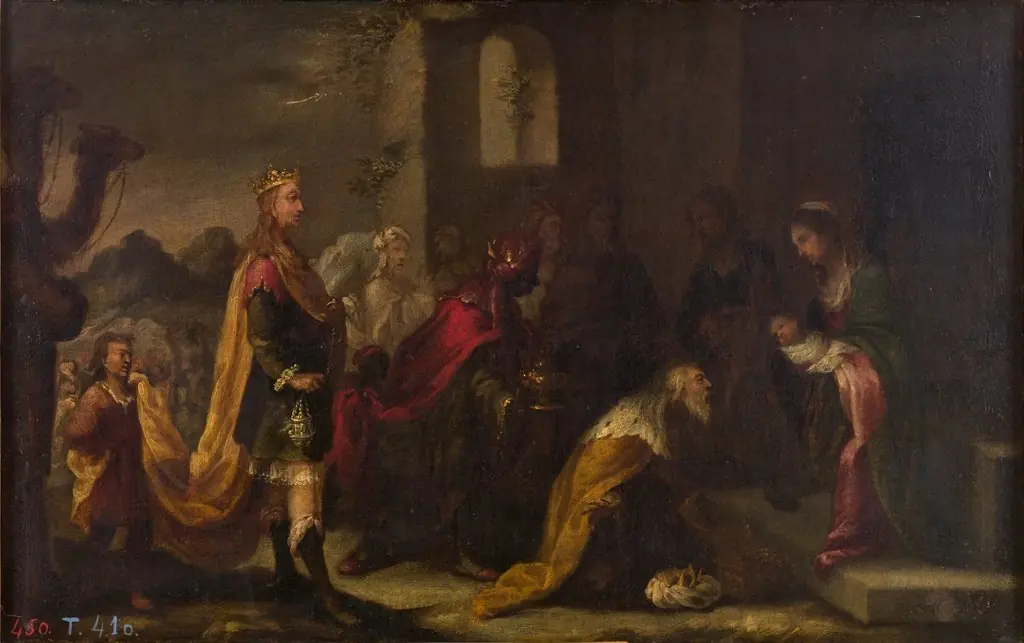 The Adoration of the Magi
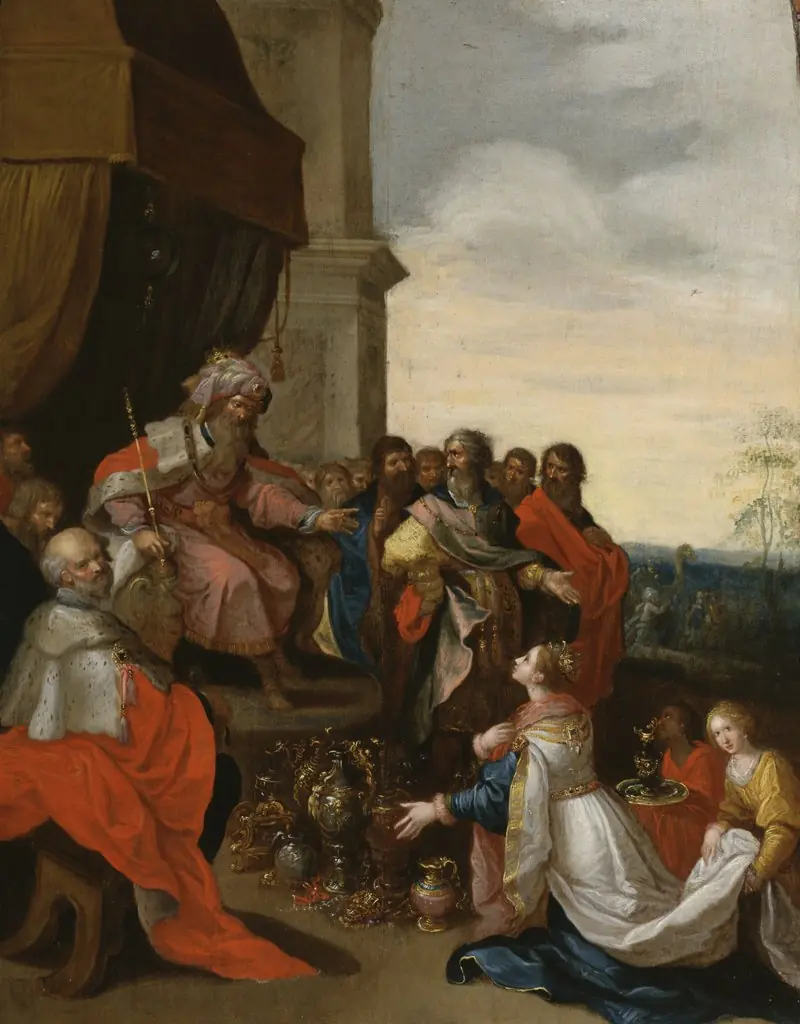 King Solomon Receiving the Queen of Sheba
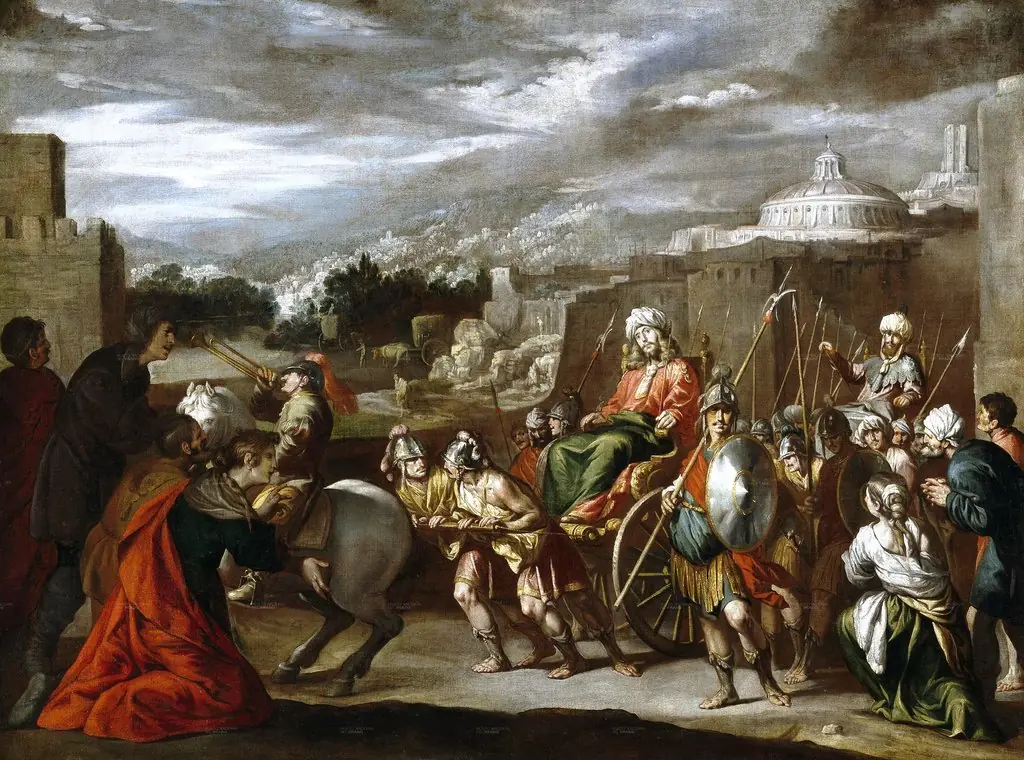 Joseph’s Triumph in Egypt
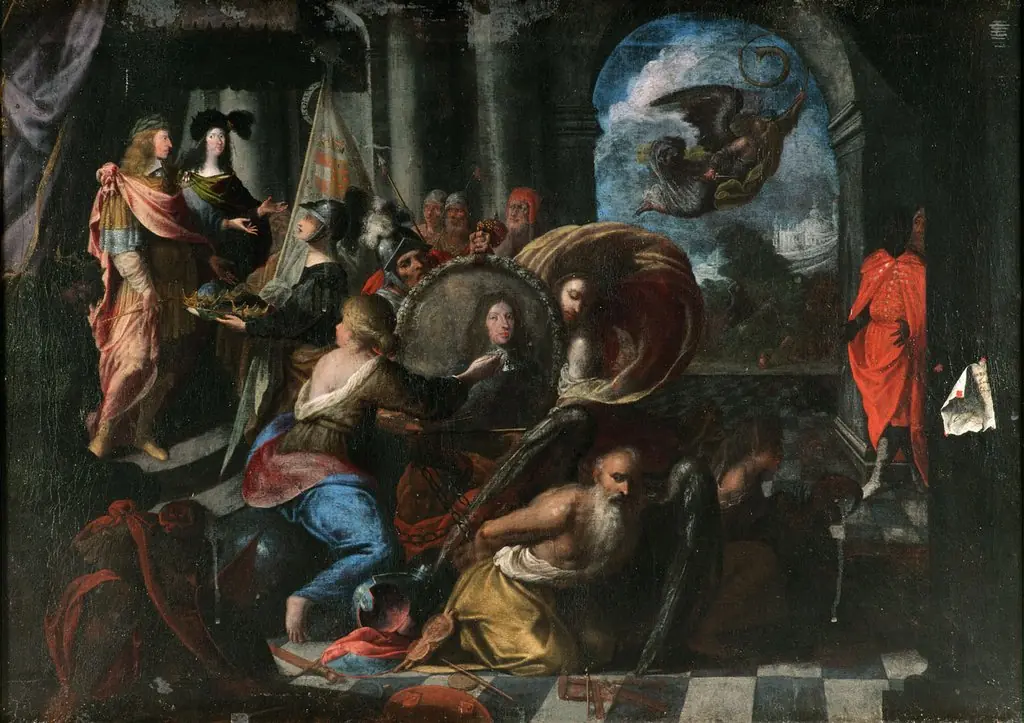 Allegory of the wedding of Archduke Ferdinand Karl and Anna de' Medici