Artwork
The Prodigal Son taking leave of his Home
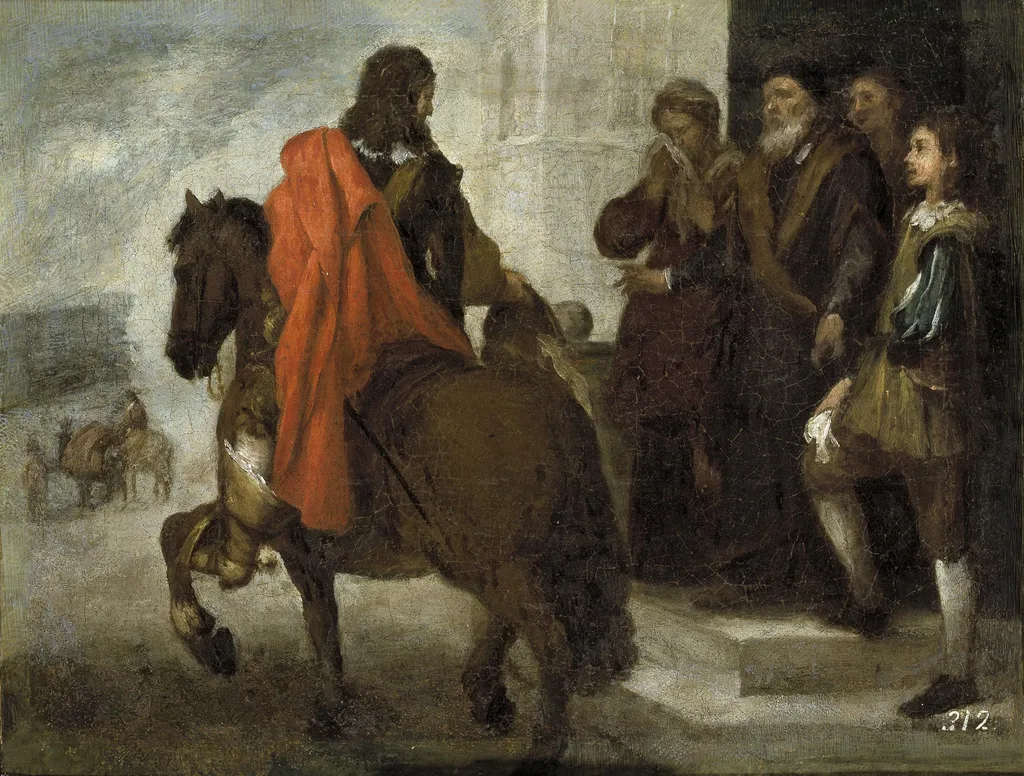
The Prodigal Son taking leave of his Home is an oil painting by the Early Baroque Italian artist Bartolomé Esteban Murillo. It dates from 1660 and is held in the collection of the Museo del Prado.
About this work
Overview
Bartolomé Esteban Murillo’s 1660 oil painting, *The Prodigal Son taking leave of his Home*, depicts a moment from the biblical parable. Executed in the early Baroque manner, the work is housed in Madrid’s Museo del Prado and exemplifies Murillo’s focus on religious narrative.
Subject & Meaning
The composition shows a man cloaked in vivid red mounting a dark horse, departing from a small crowd of onlookers dressed in heavy coats and hats. The scene captures the prodigal son’s departure, emphasizing themes of repentance, exile, and the emotional tension between the individual and his community.
Technique & Style
Murillo employs a restrained palette punctuated by the striking red of the protagonist’s cloak. Soft chiaroscuro creates a gentle modeling of light and shadow, lending the figures a quiet solemnity while the background recedes into a hazy suggestion of architecture and steps.
History & Provenance
Painted in 1660, the work entered the collection of the Museo del Prado, where it remains on display. Its inclusion in the Prado’s holdings reflects the museum’s commitment to representing Murillo’s contributions to 17th‑century Spanish religious art.
Context
During the early Baroque period, Murillo was renowned for both sacred subjects and genre scenes of everyday life. This painting aligns with his religious output, yet the realistic portrayal of common clothing and the domestic setting hints at his broader interest in contemporary Spanish society.
Artist & collection
Artist
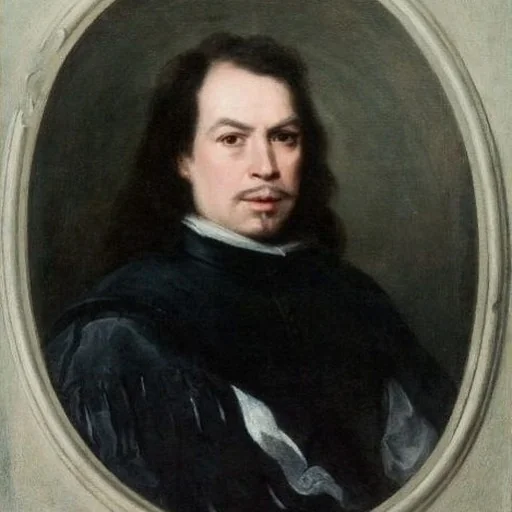
Bartolomé Esteban Murillo ( mure-IL-oh, m(y)uu-REE-oh, Spanish: ; late December 1617, baptised 1 January 1618 – 3 April 1682) was a Spanish Baroque painter.

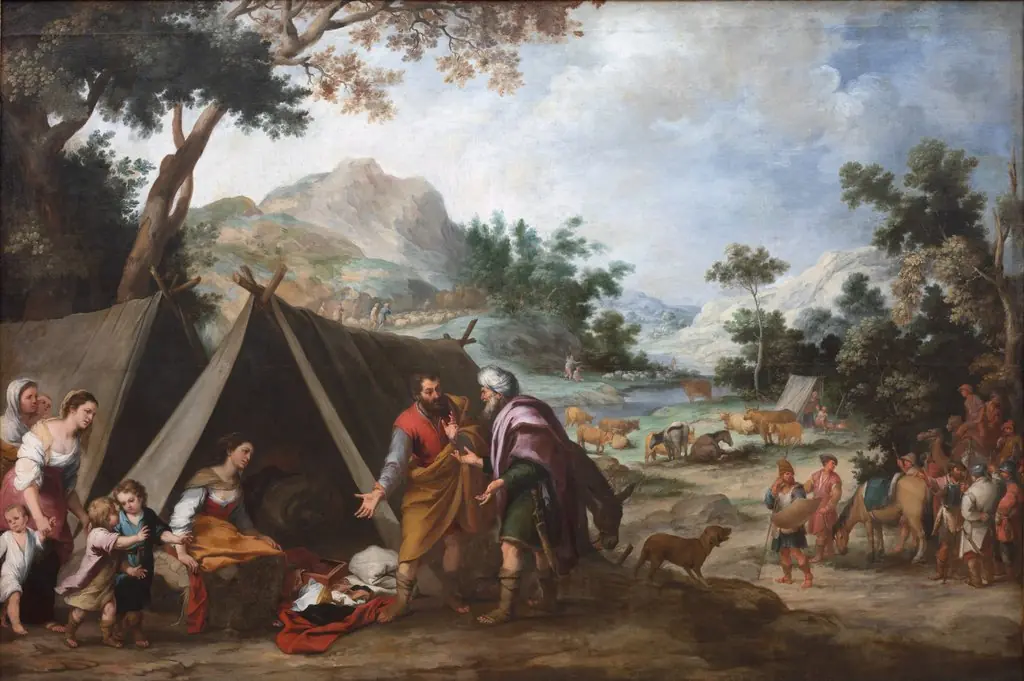
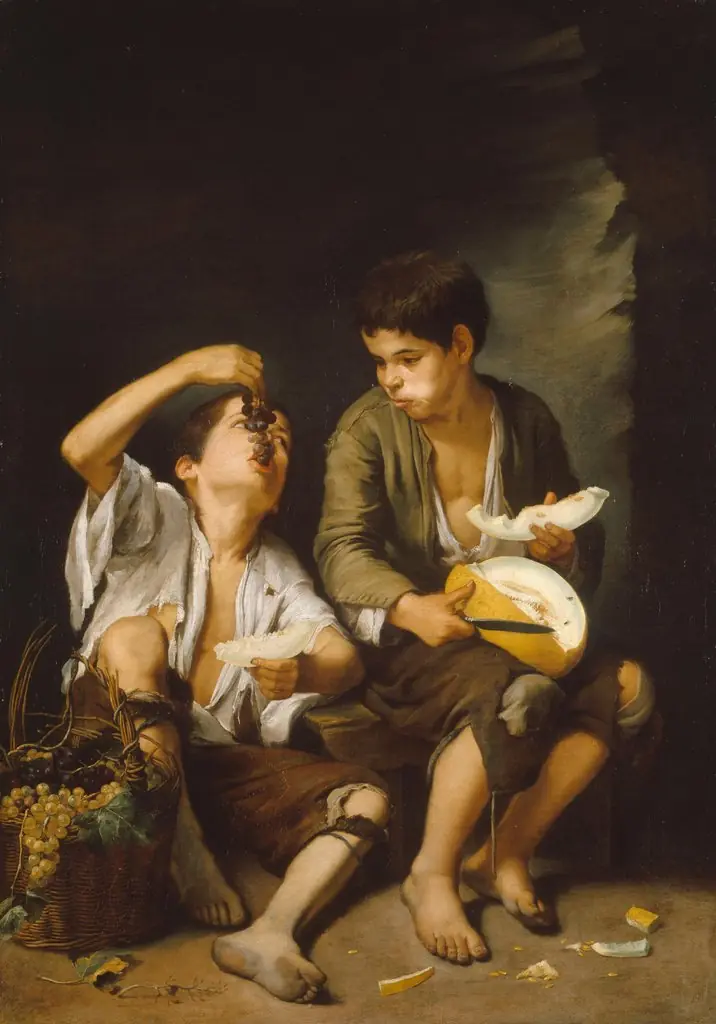
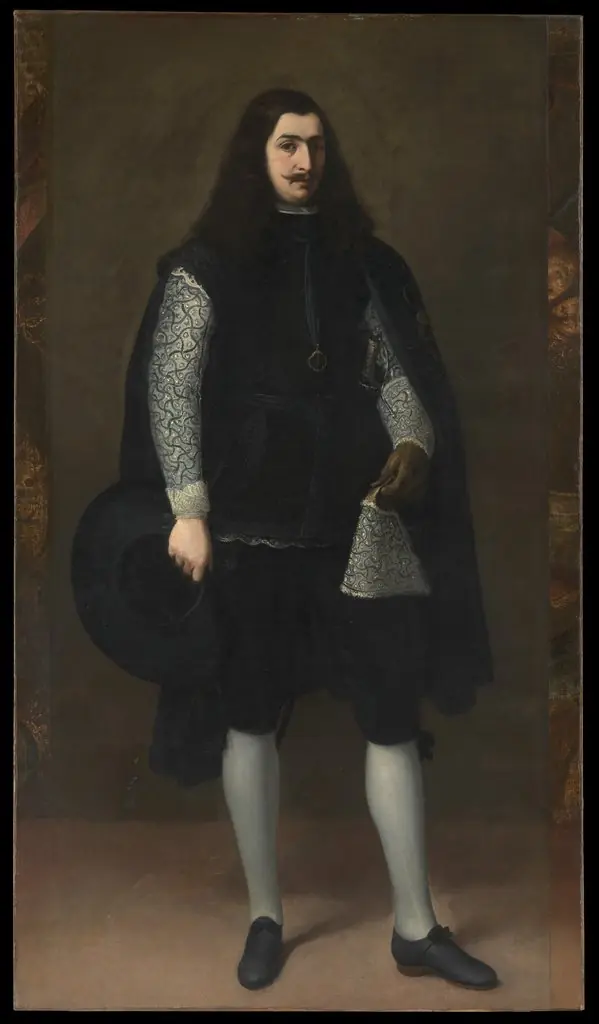
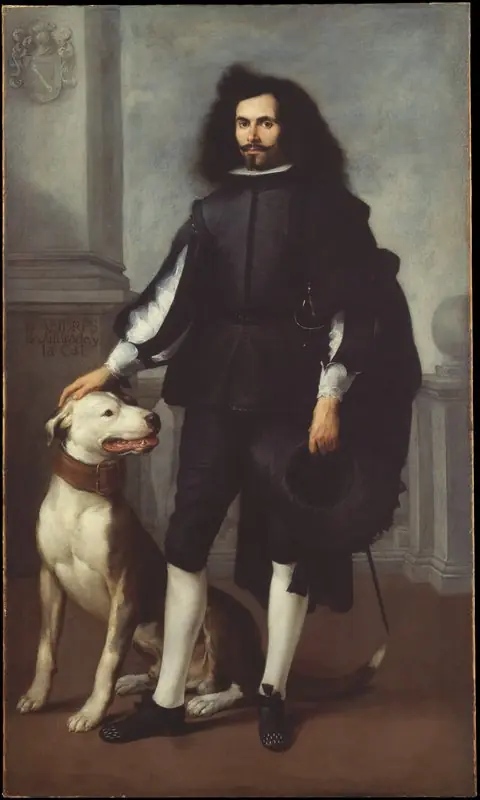
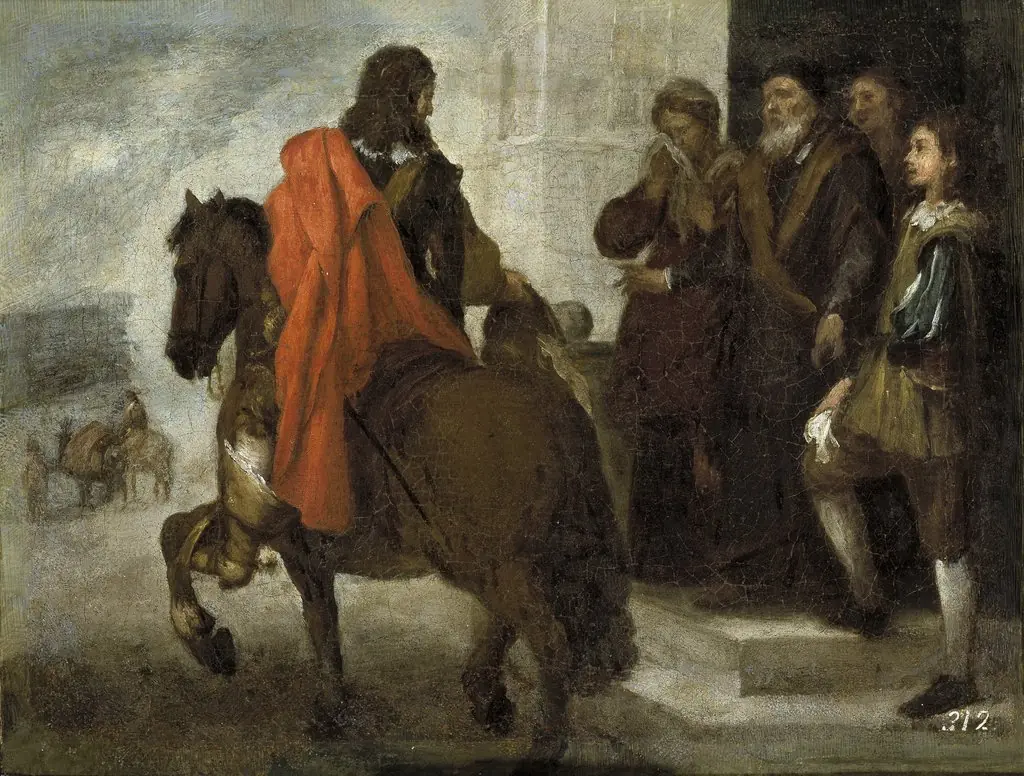 La despedida del hijo pródigo, de Murillo (Museo del Prado)
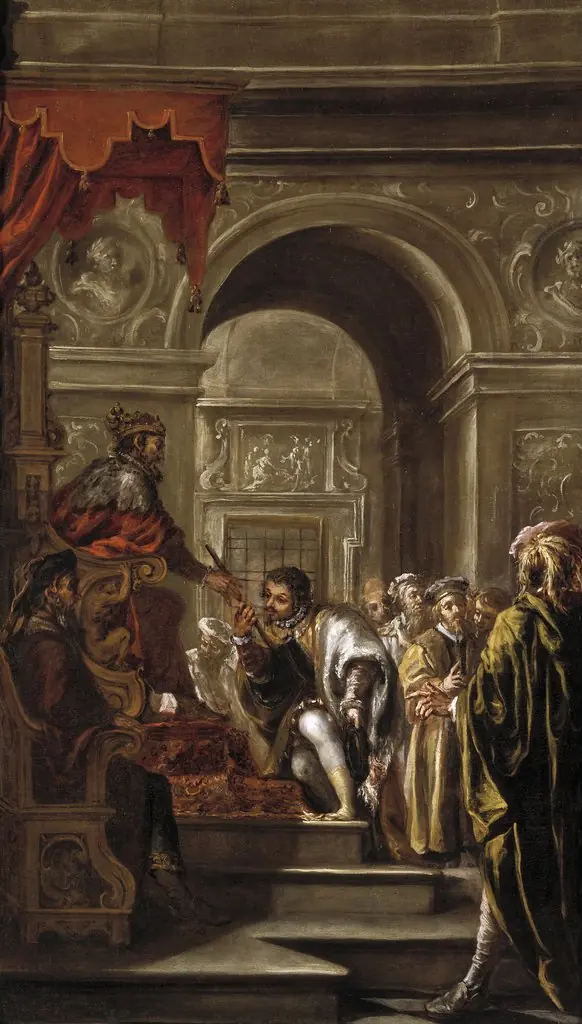 Saint Ambrose appointed Governor of Liguria and Emilia
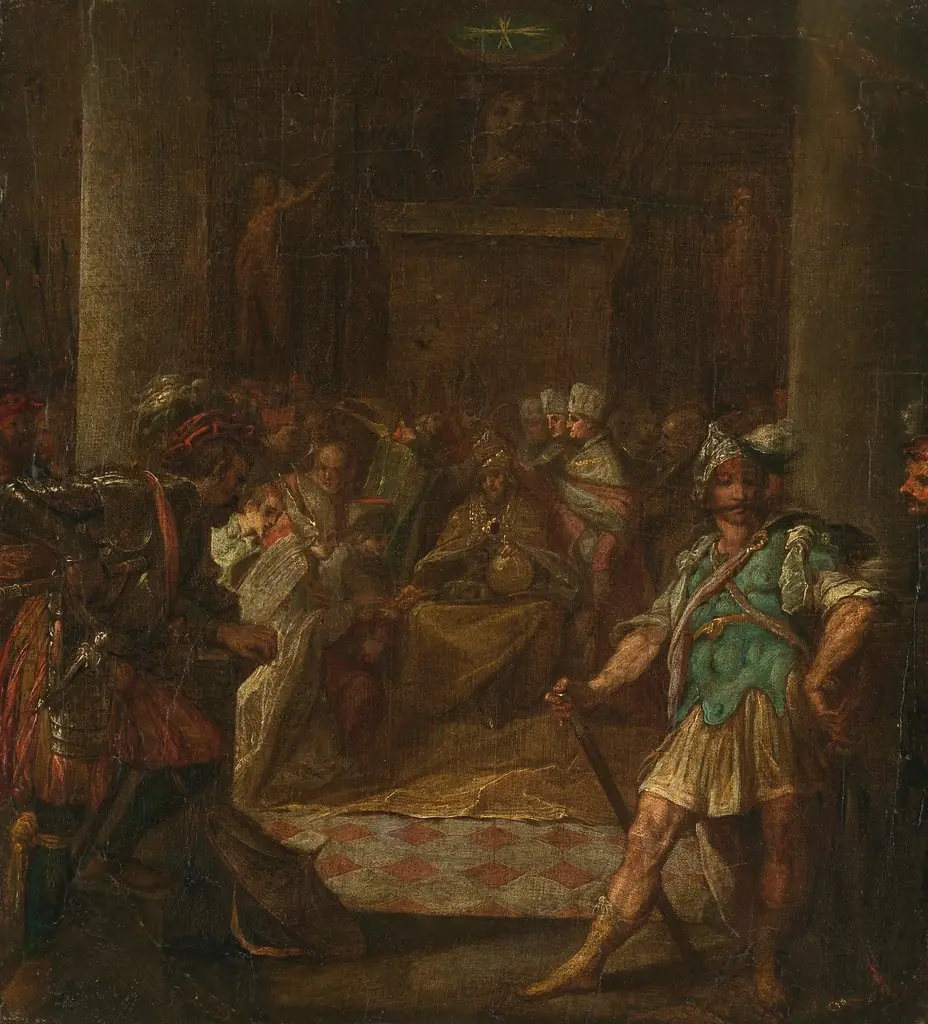 Imperial Coronation
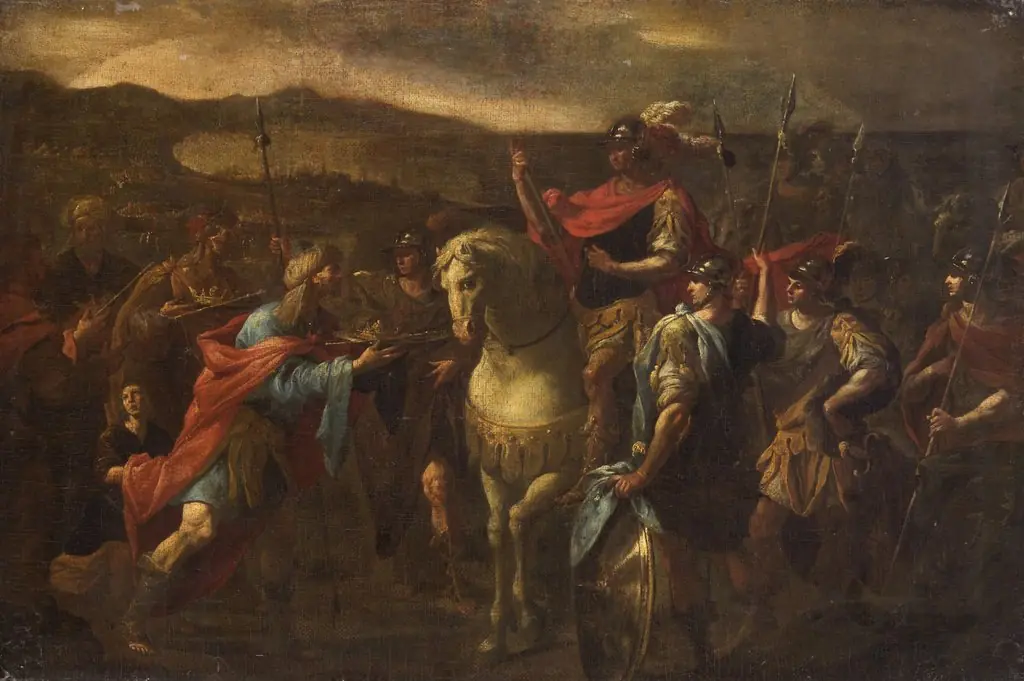 Indische Könige huldigen Alexander dem Großen
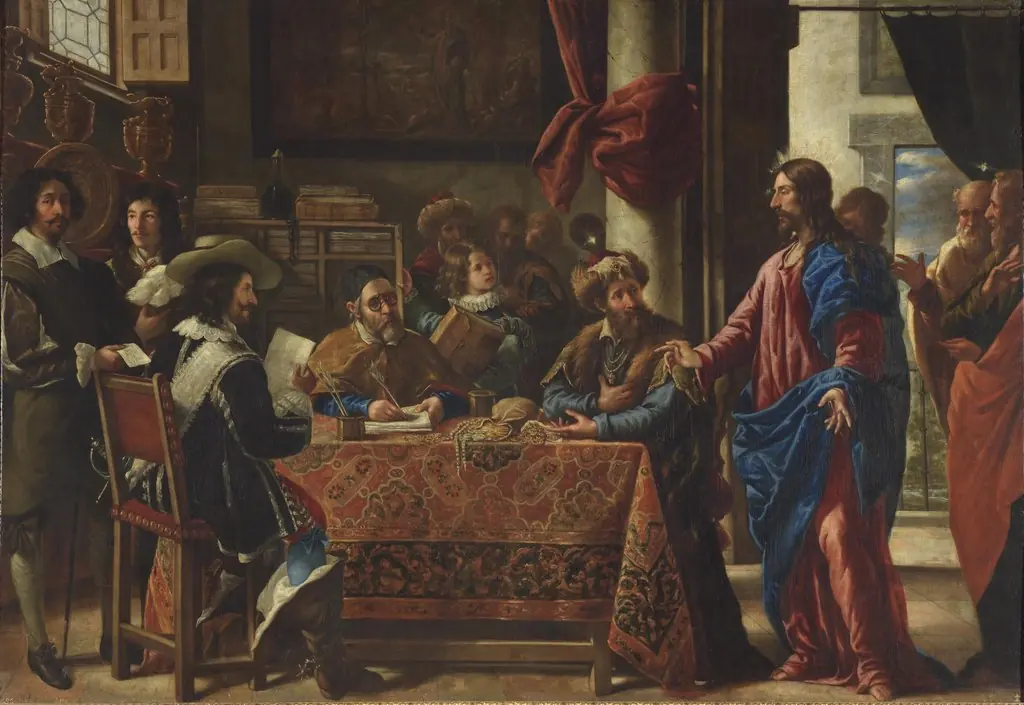 The Calling of Saint Matthew
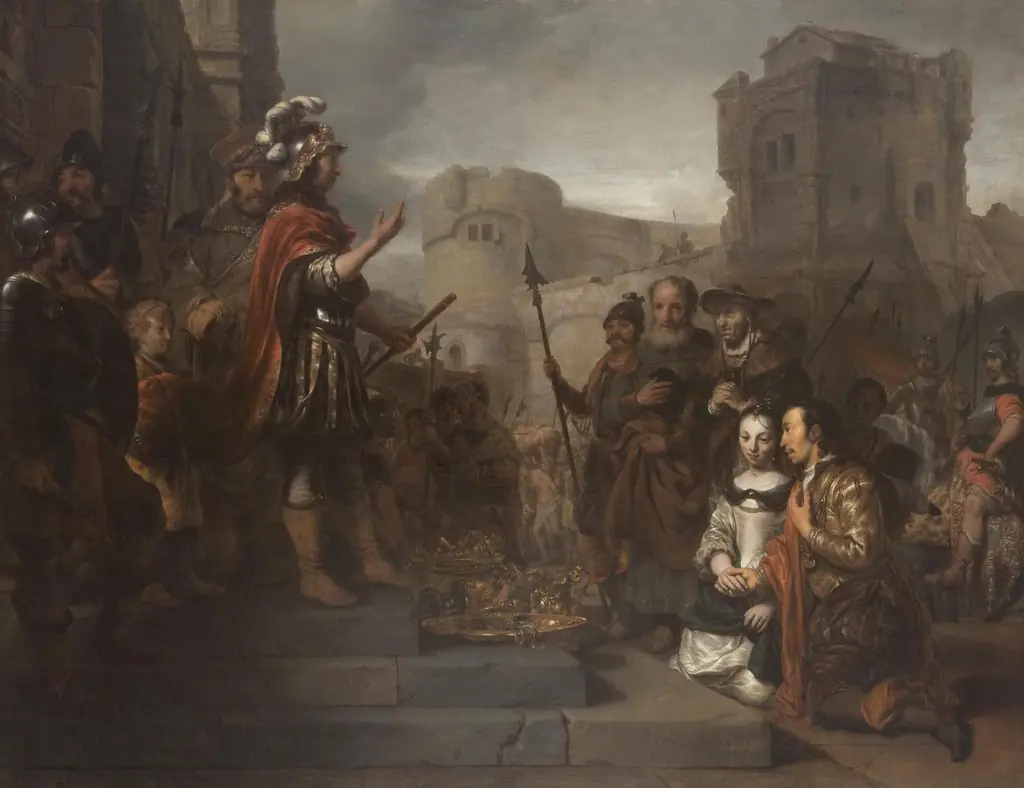 The Continence of Scipio
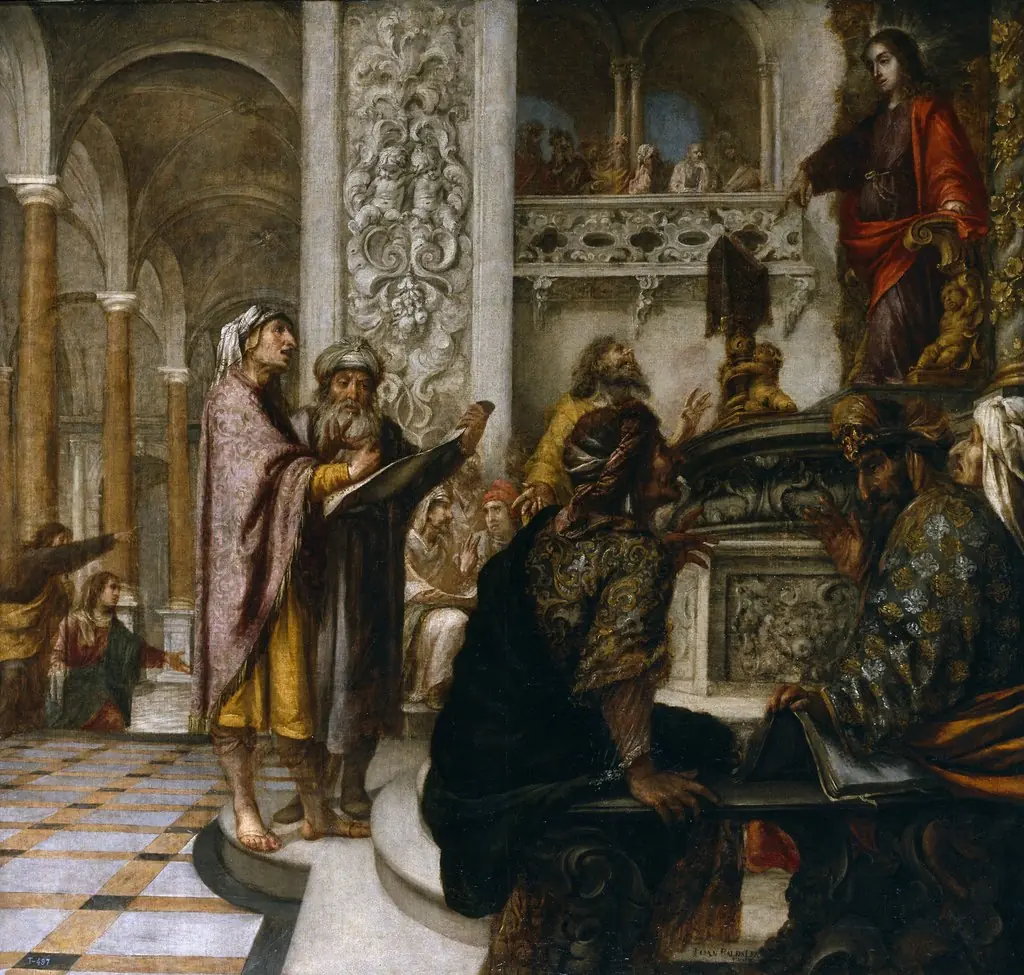 Christ disputing with the Doctors
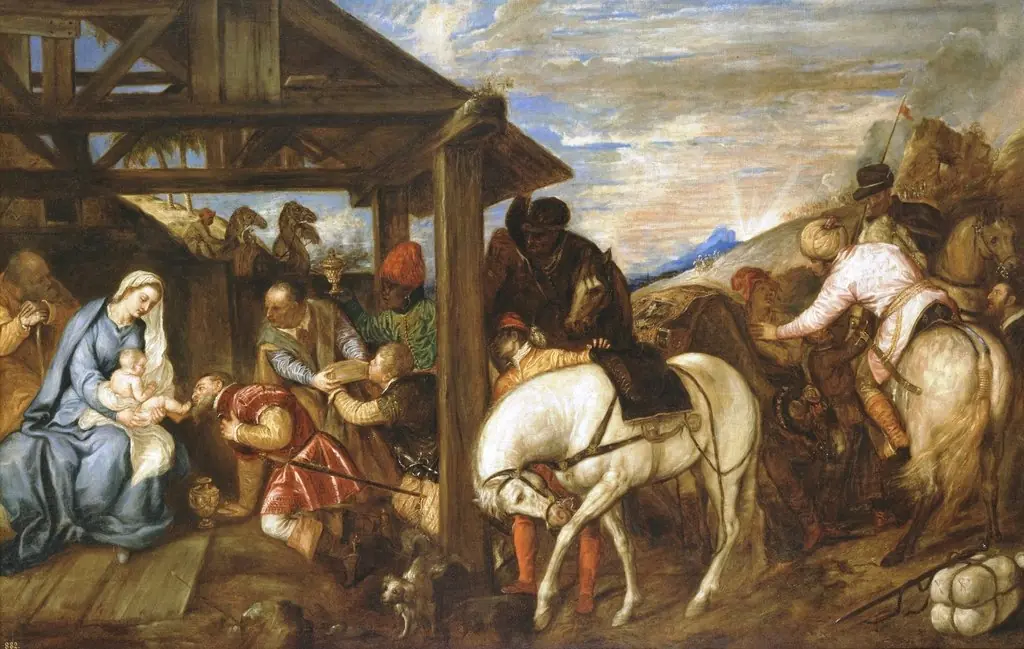 The Adoration of the Magi
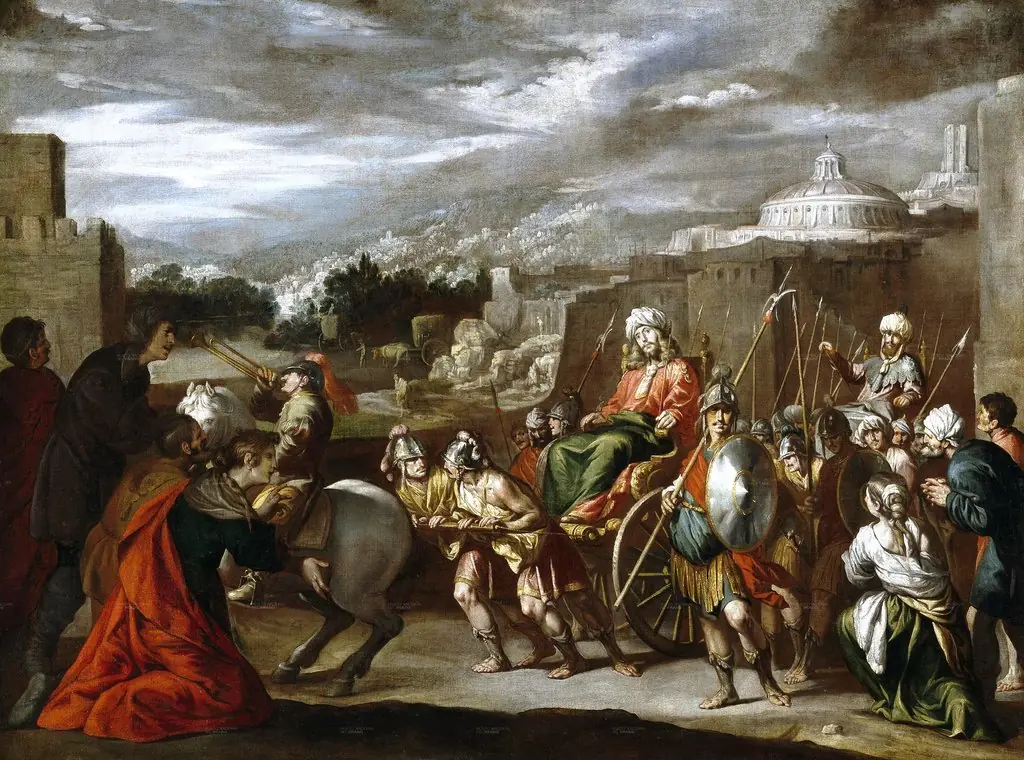 Joseph’s Triumph in Egypt
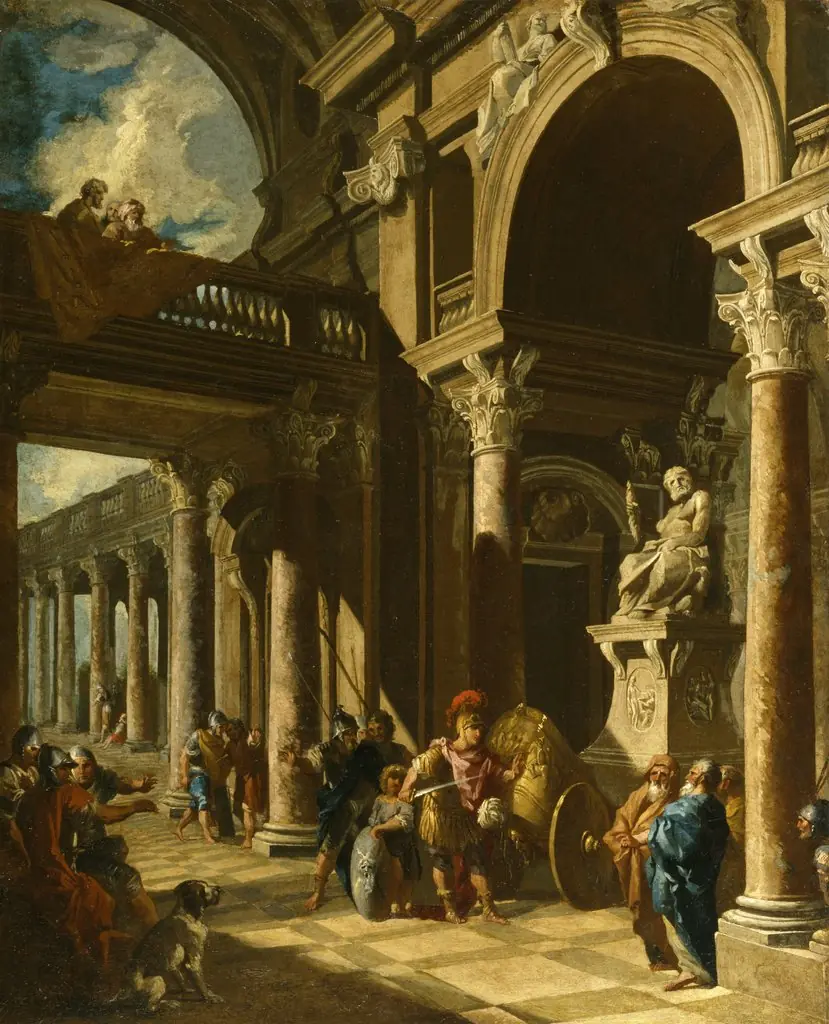 Alexander the Great Cutting the Gordian Knot