Artwork
El Niño Jesús dormido sobre la Cruz
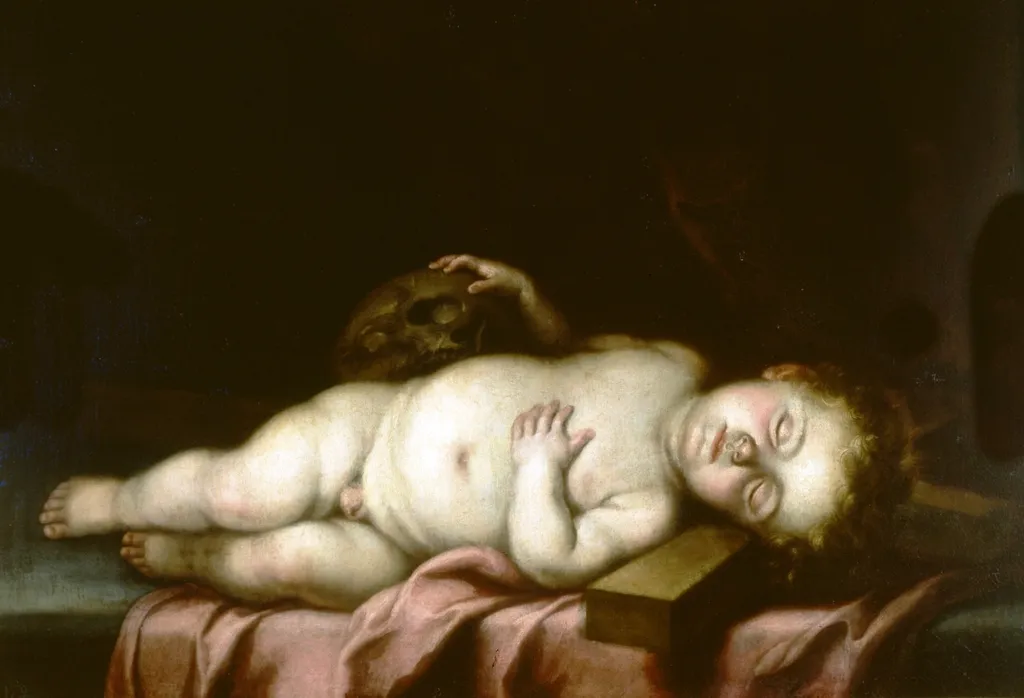
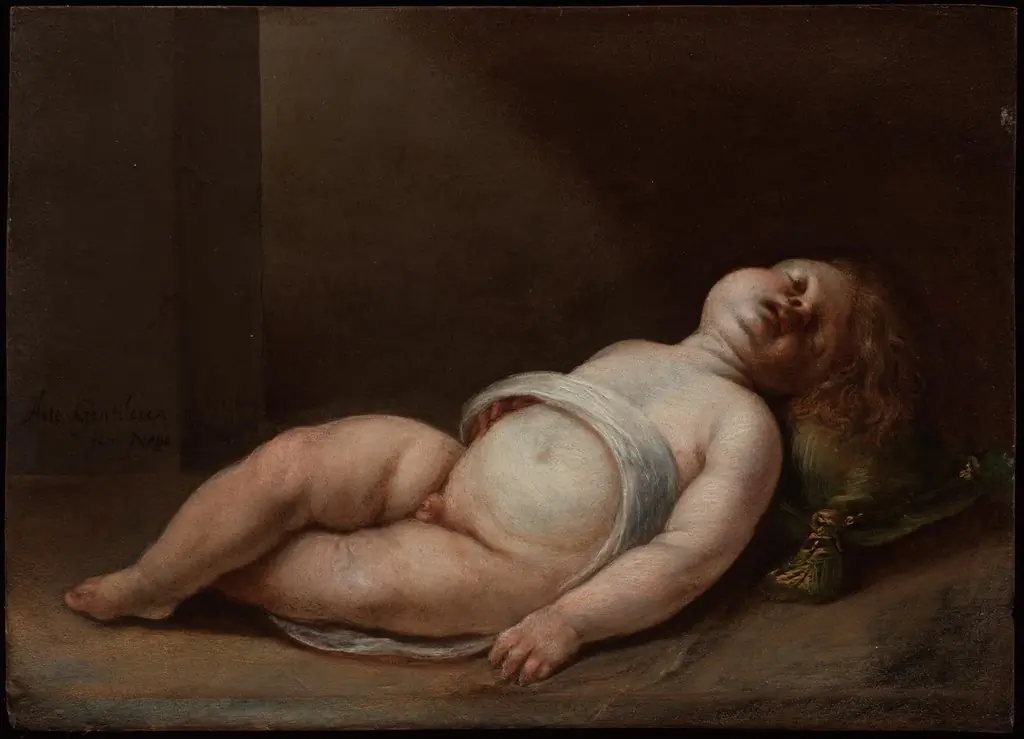
El Niño Jesús dormido sobre la Cruz is an oil painting by the Early Baroque Italian artist Bartolomé Esteban Murillo. It dates from 1601 and is held in the collection of the Museo del Prado.
About this work
Overview
Executed in 1601, *El Niño Jesús dormido sobre la Cruz* is an oil painting by the Spanish Baroque artist Bartolomé Esteban Murillo. The work reflects the artist’s engagement with religious themes, a hallmark of his broader oeuvre, which also encompasses genre scenes. Preserved in Madrid’s Museo del Prado, the painting exemplifies the early Baroque Italian influence on Spanish devotional imagery.
Subject & Meaning
Beneath the child, a red cloth provides a stark contrast to his pale skin, while the surrounding darkness hints at an ambiguous presence, possibly symbolic.
The composition depicts the Christ Child asleep, his plump, unclothed form evoking the classical *putto*—a motif often employed to convey innocence. Beneath the child, a red cloth provides a stark contrast to his pale skin, while the surrounding darkness hints at an ambiguous presence, possibly symbolic. The image merges playful childhood with sacred foreshadowing, suggesting both vulnerability and divine destiny.
Technique & Style
Murillo employs *chiaroscuro* to isolate the figure against a shadowed background, heightening the contrast between luminous flesh and deep tones. The soft modeling of the child’s features and the delicate blush on his cheeks demonstrate the artist’s mastery of subtle tonal transitions. This approach aligns with the Baroque emphasis on dramatic illumination and tactile realism.
History & Provenance
The painting entered the collection of the Museo del Prado, where it remains part of the institution’s holdings of Spanish Baroque art. Its precise early history is unrecorded, though its attribution to Murillo has been consistently maintained. The work’s condition and provenance reflect its status as a significant example of 17th-century devotional painting.
Context
Murillo’s output coincided with Spain’s Counter-Reformation, a period that demanded emotive, accessible religious imagery. His depictions of the Christ Child often emphasized tenderness and humanity, aligning with the era’s devotional practices. This painting, with its intimate scale and symbolic undertones, exemplifies the era’s fusion of sacred narrative and artistic innovation.
Own this work as a print
Artist & collection
Artist
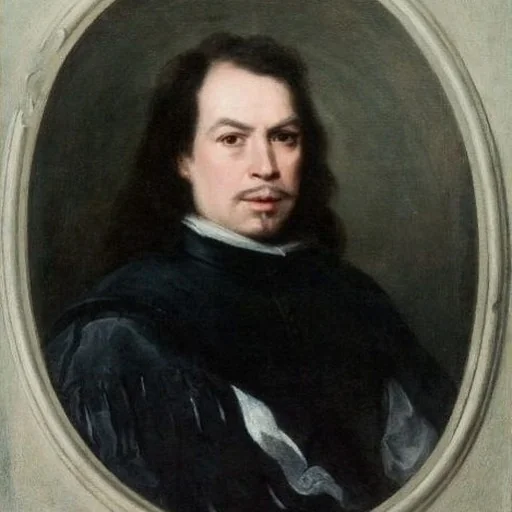
Bartolomé Esteban Murillo ( mure-IL-oh, m(y)uu-REE-oh, Spanish: ; late December 1617, baptised 1 January 1618 – 3 April 1682) was a Spanish Baroque painter.

 The Sleeping Christ Child
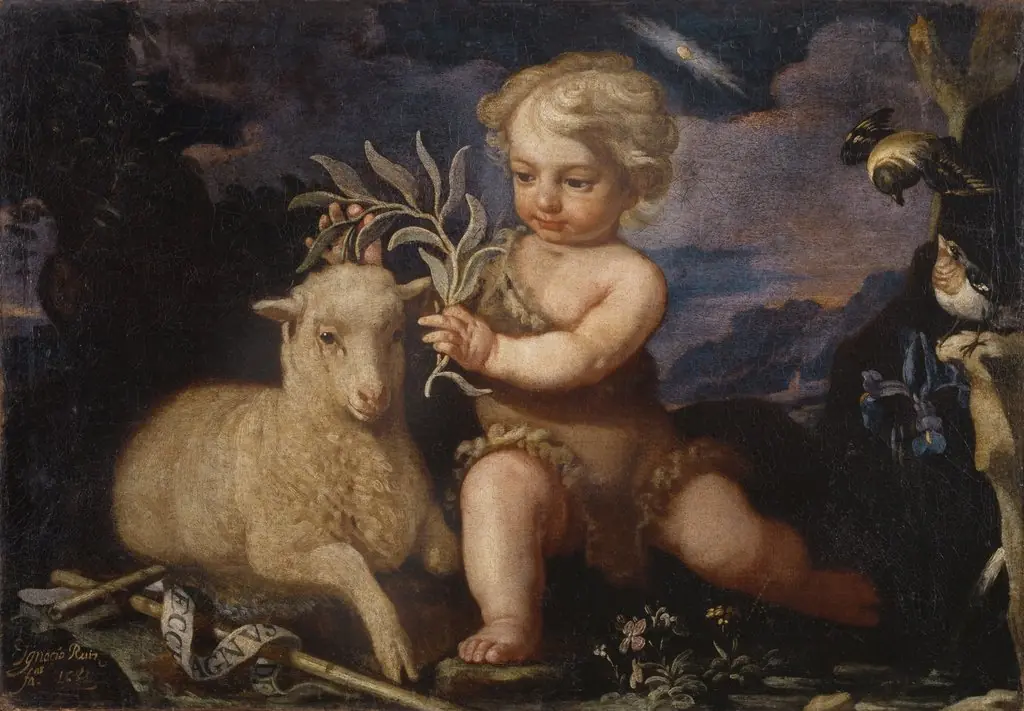 The Infant Saint John the Baptist with the Lamb
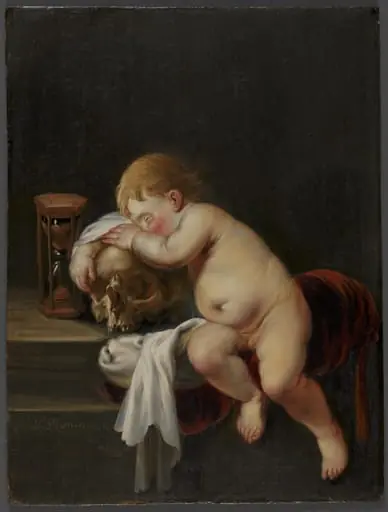 Boy sleeping on a Skull
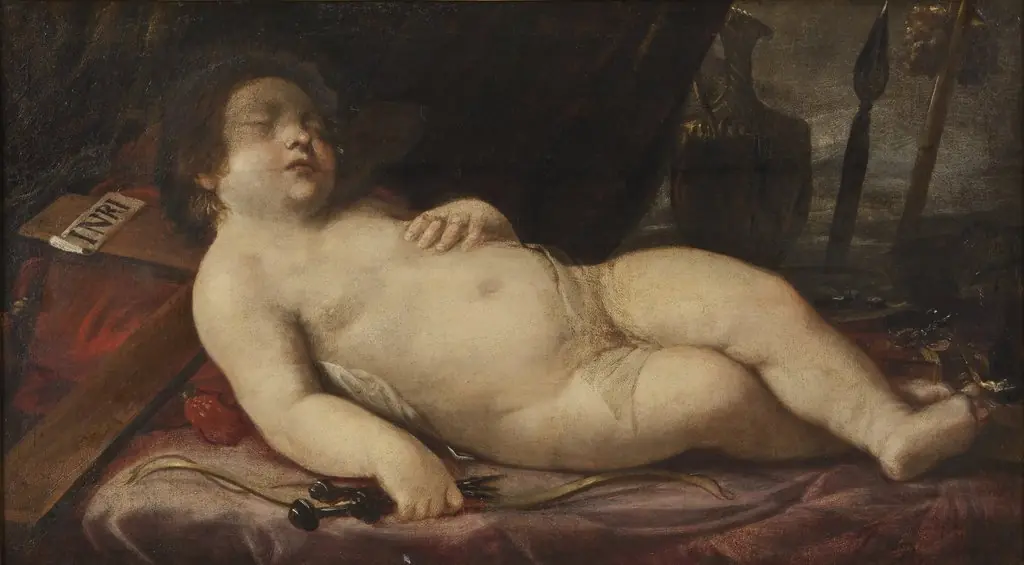 The Christ Child Sleeping on the Cross
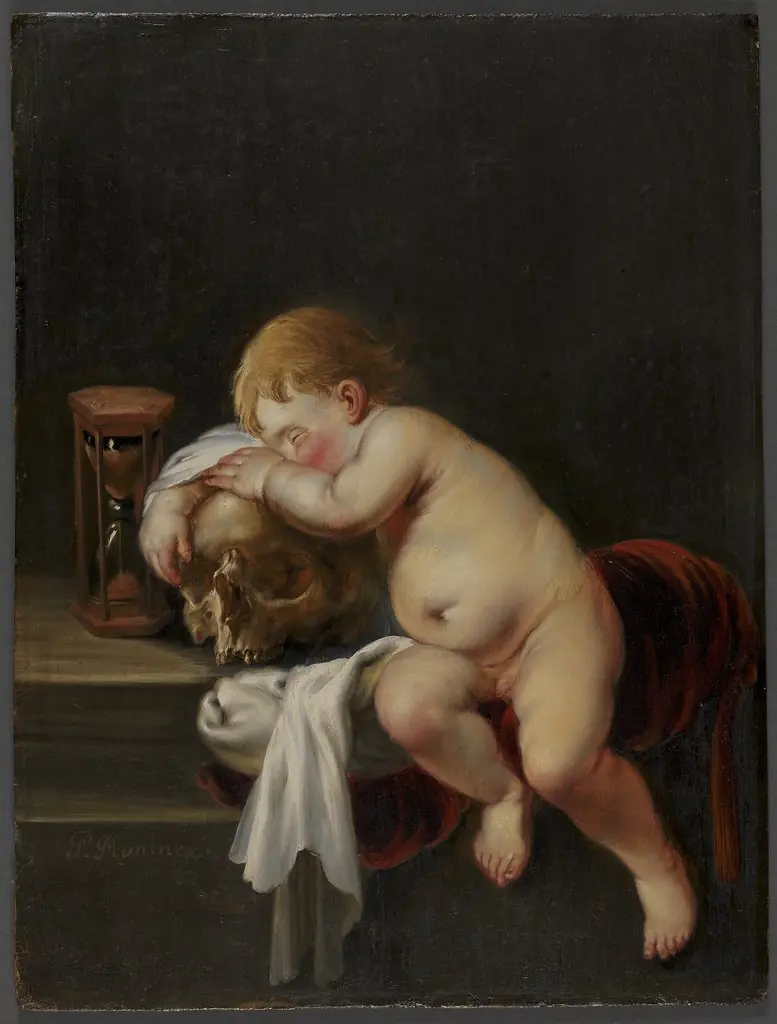 Boy sleeping on a Skull
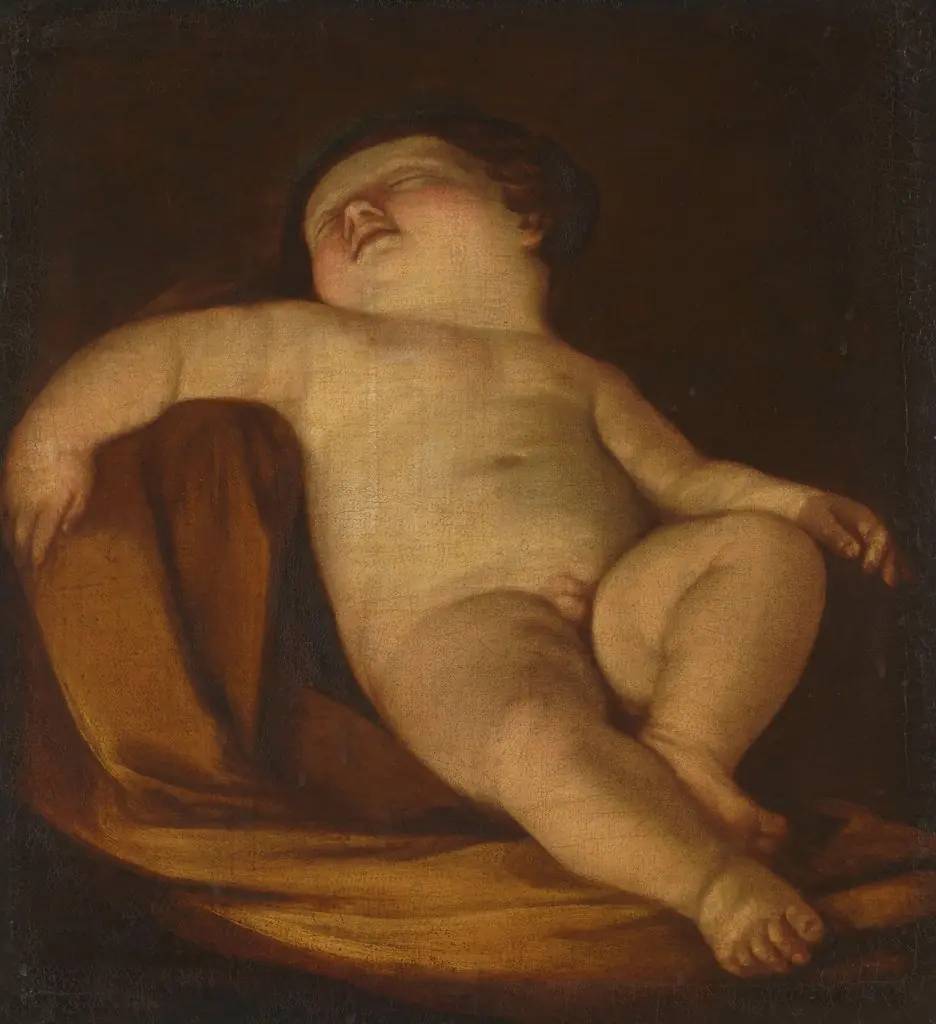 Sleeping Putto
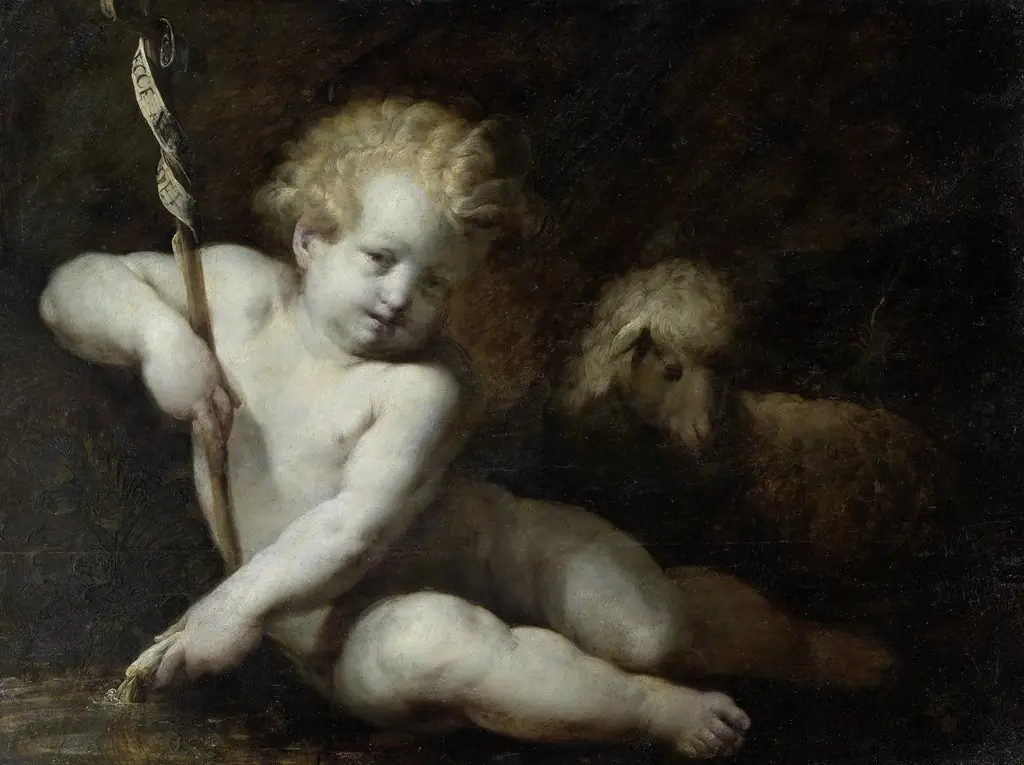 Young St. John
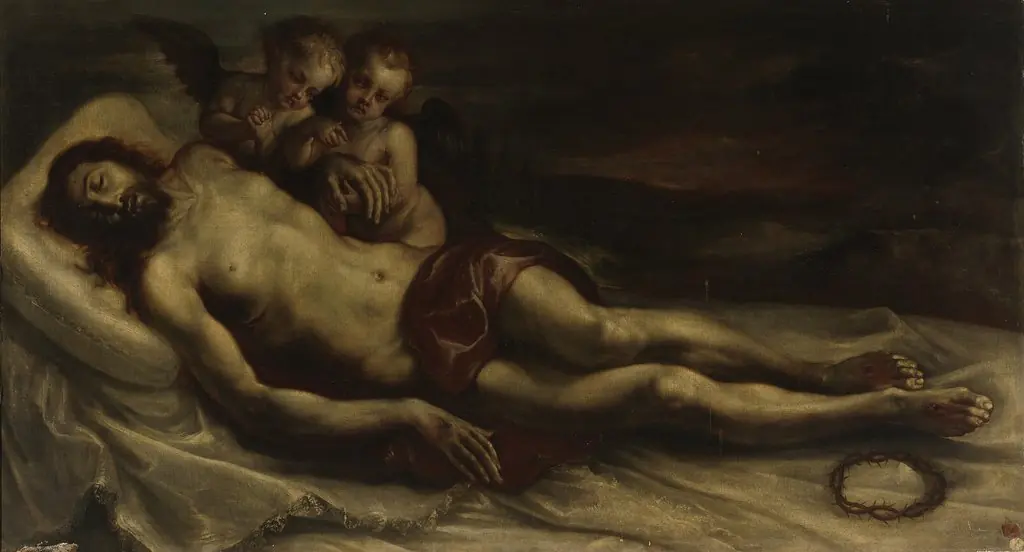 Recumbent Christ
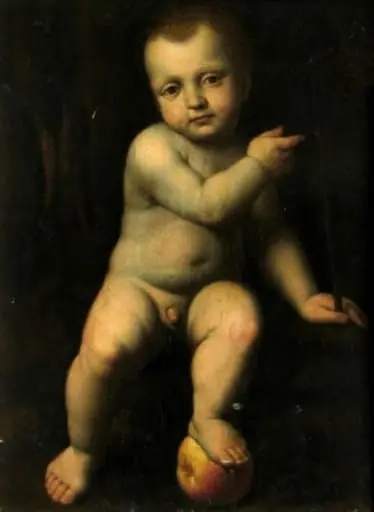 Salvator mundi (în registrul inventar: Micul Isus)
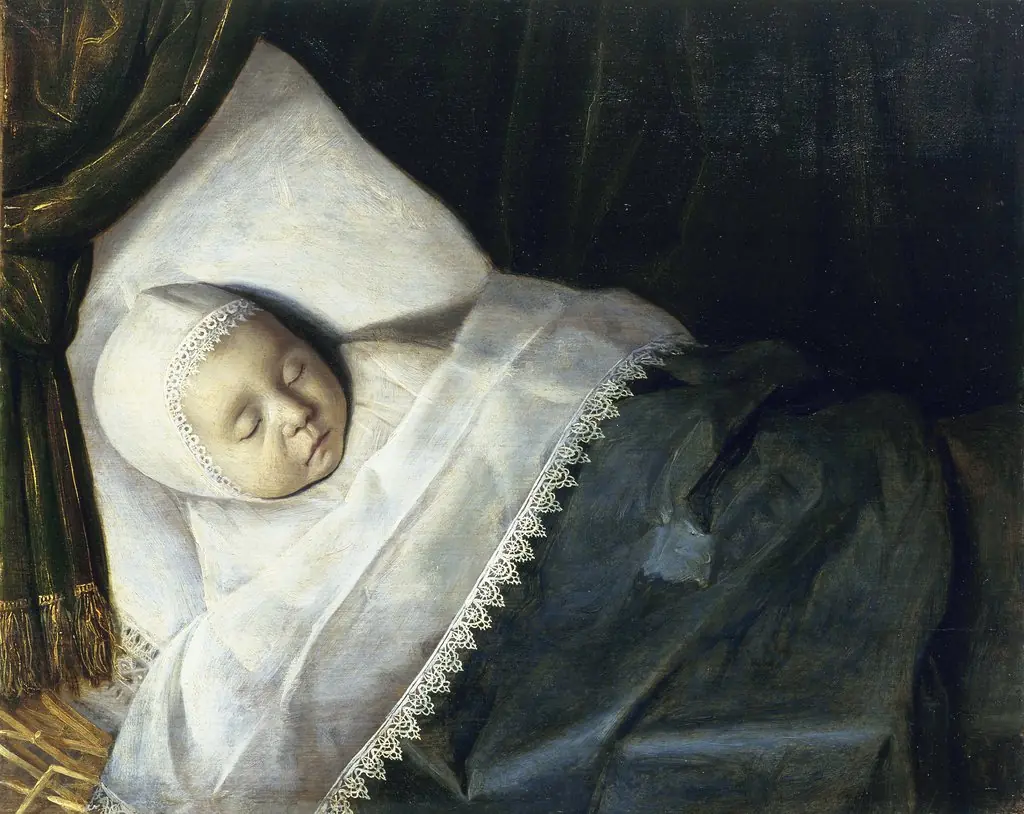 A Child of the Honigh Family on its Deathbed
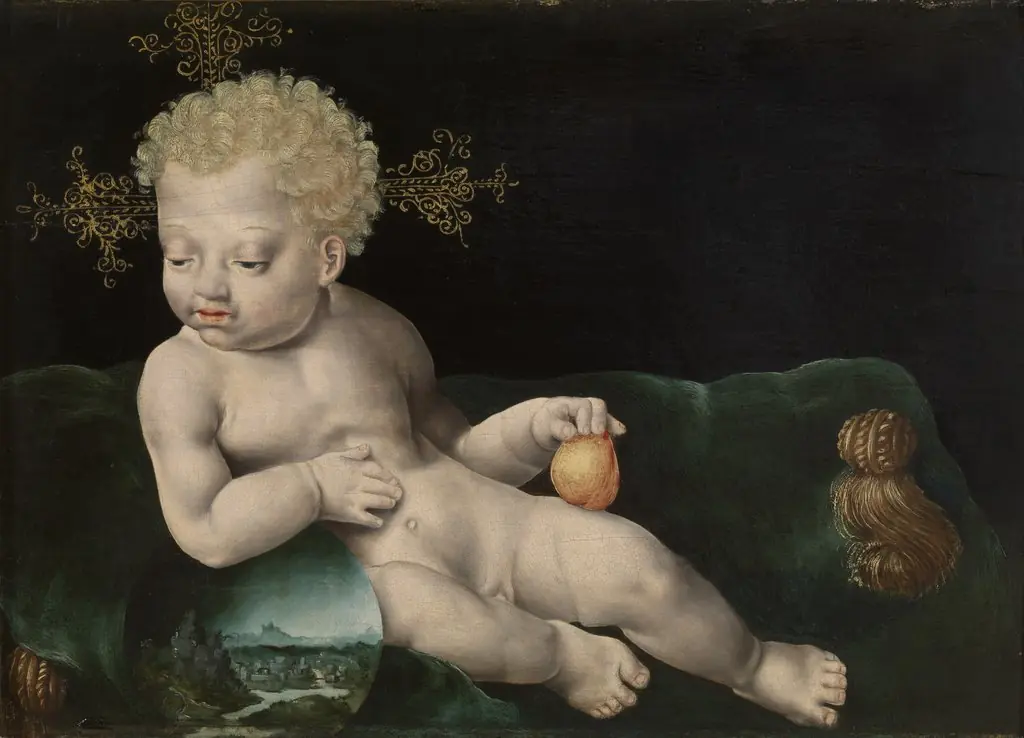 The Christ-Child
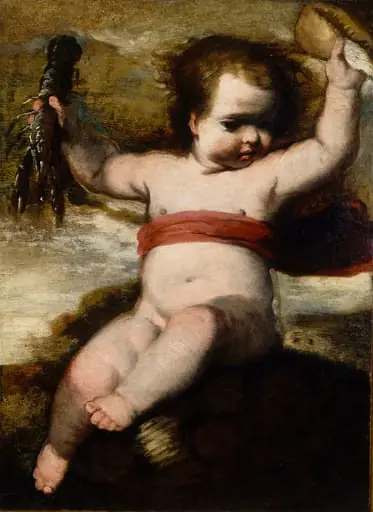 Meren allegoria