Artwork
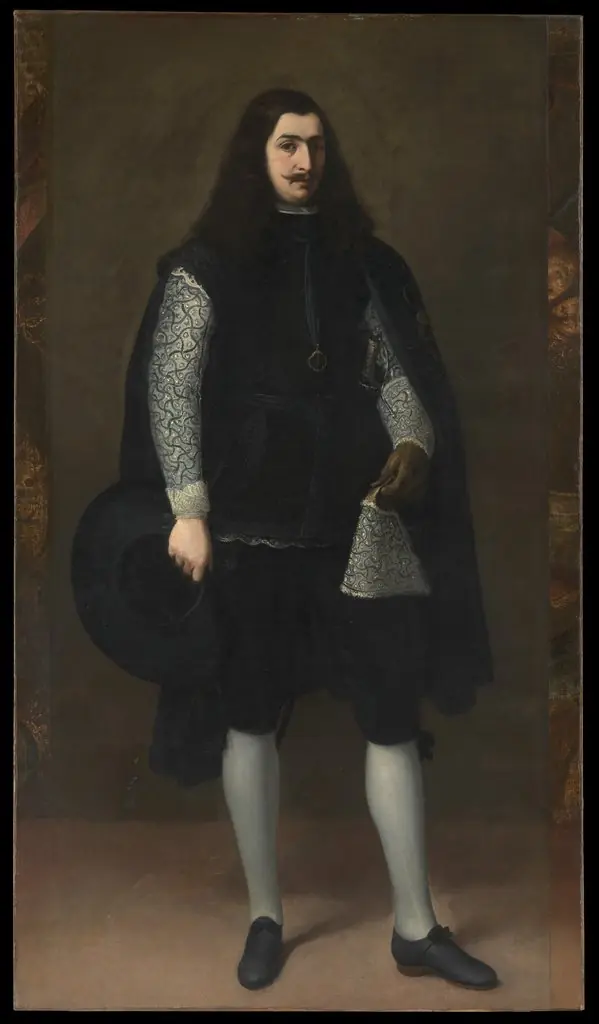
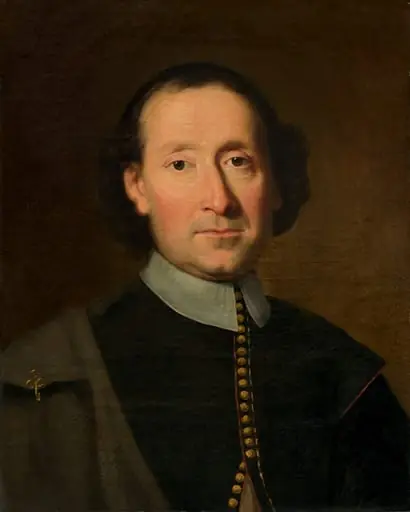
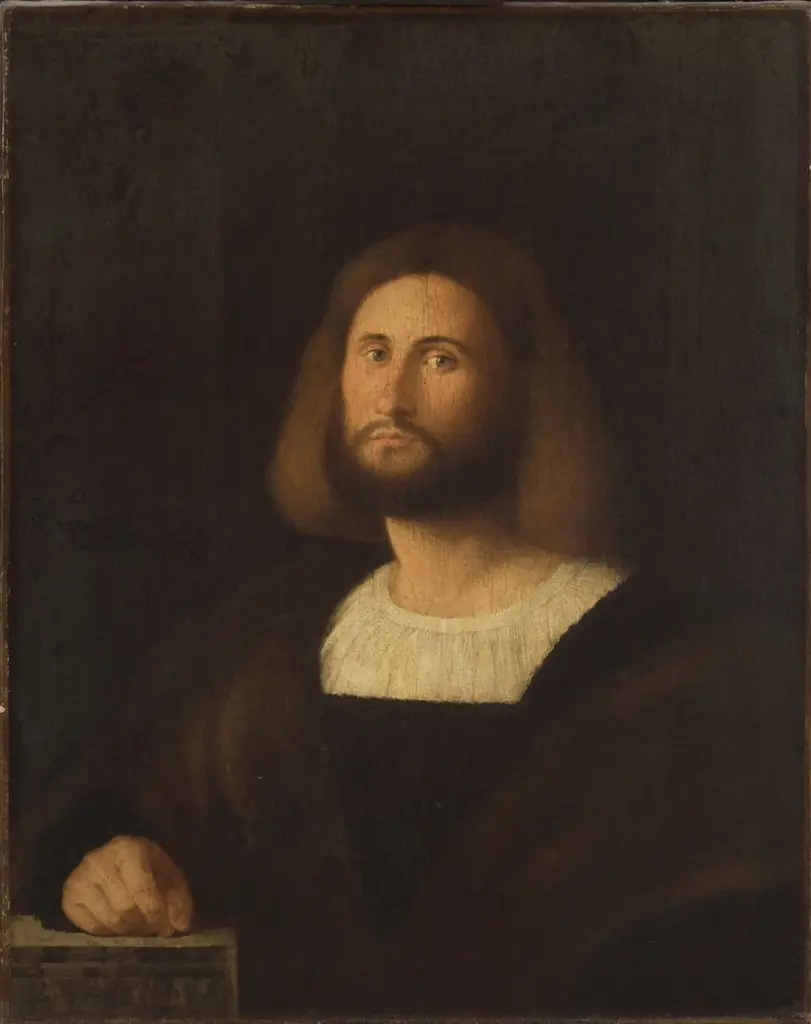
Retrato de caballero
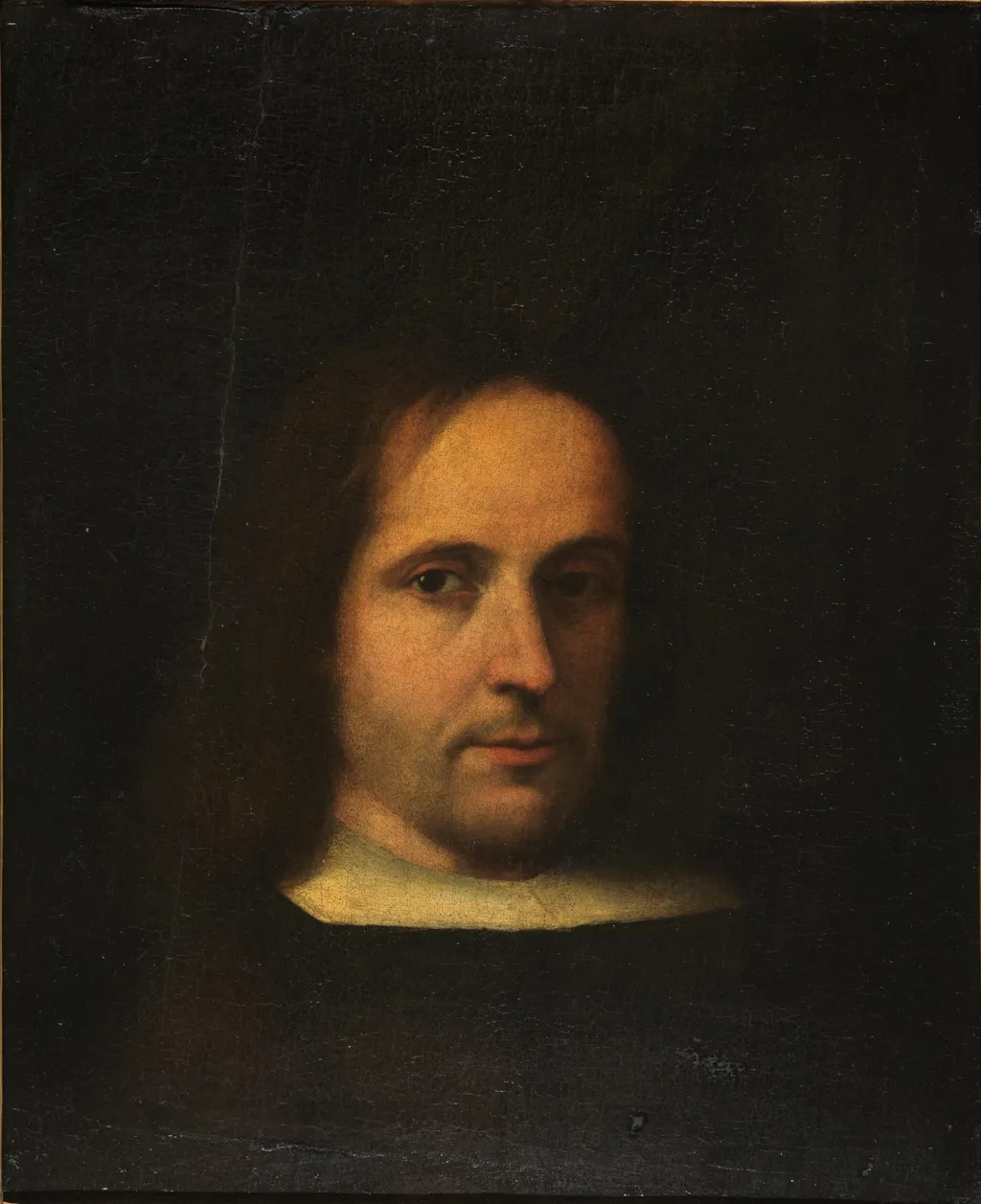
Retrato de caballero is an oil painting by the Early Baroque Italian artist Bartolomé Esteban Murillo. It dates from 1601 and is held in the collection of the Museo del Prado.
About this work
Overview
This oil painting by Bartolomé Esteban Murillo depicts a gentleman in three-quarter view, rendered with quiet intensity.
This oil painting by Bartolomé Esteban Murillo depicts a gentleman in three-quarter view, rendered with quiet intensity. Though often associated with religious subjects, Murillo also produced portraits during his early career, and this work exemplifies his skill in capturing individual presence through subtle lighting and restrained composition. It is part of the Museo del Prado’s collection and dates to the early 17th century.
Subject & Meaning
The sitter is a man of probable modest nobility or urban elite, dressed in a simple yet refined collar and dark attire. His calm, direct gaze suggests self-possession rather than grandeur. The absence of symbols or elaborate setting shifts focus to the individual’s demeanor, reflecting a shift in portraiture toward psychological realism over status display.
Technique & Style
Murillo employs chiaroscuro to model the face and shoulders against a deep, unbroken background. Warm tones in the skin and pale yellow collar emerge from shadow with soft transitions, avoiding harsh outlines. The brushwork is controlled yet fluid, emphasizing texture in fabric and flesh without overt detail, characteristic of early Baroque naturalism in Spanish painting.
History & Provenance
Painted during Murillo’s formative years in Seville, the work predates his more famous religious compositions. It entered the Prado’s collection in the 19th century, likely through royal or ecclesiastical acquisitions. Its attribution has remained consistent, though its exact provenance before museum acquisition remains undocumented.
Context
In early 17th-century Spain, portraiture was less dominant than religious art, yet demand grew among the middle and upper classes for personal likenesses. Murillo’s approach here aligns with Flemish and Italian influences circulating in Andalusia, blending realism with a muted elegance that distinguishes it from more ornate contemporary styles.
Legacy
While not among Murillo’s most celebrated works, this portrait illustrates his early command of light and psychological nuance. It contributes to understanding his evolution from genre scenes to mature religious imagery, and remains a quiet example of how Spanish Baroque artists adapted broader European trends to intimate, human subjects.
Own this work as a print
Artist & collection
Artist
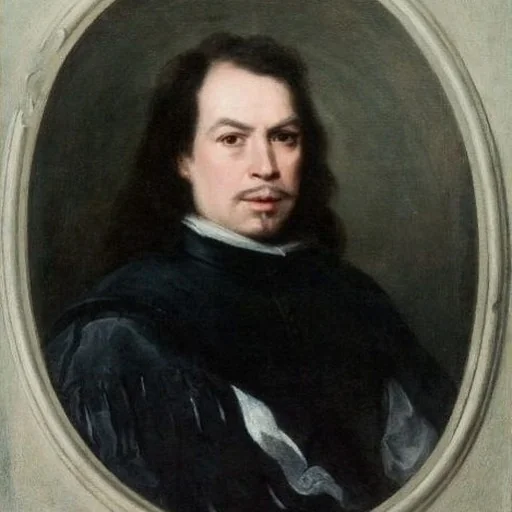
Bartolomé Esteban Murillo ( mure-IL-oh, m(y)uu-REE-oh, Spanish: ; late December 1617, baptised 1 January 1618 – 3 April 1682) was a Spanish Baroque painter.

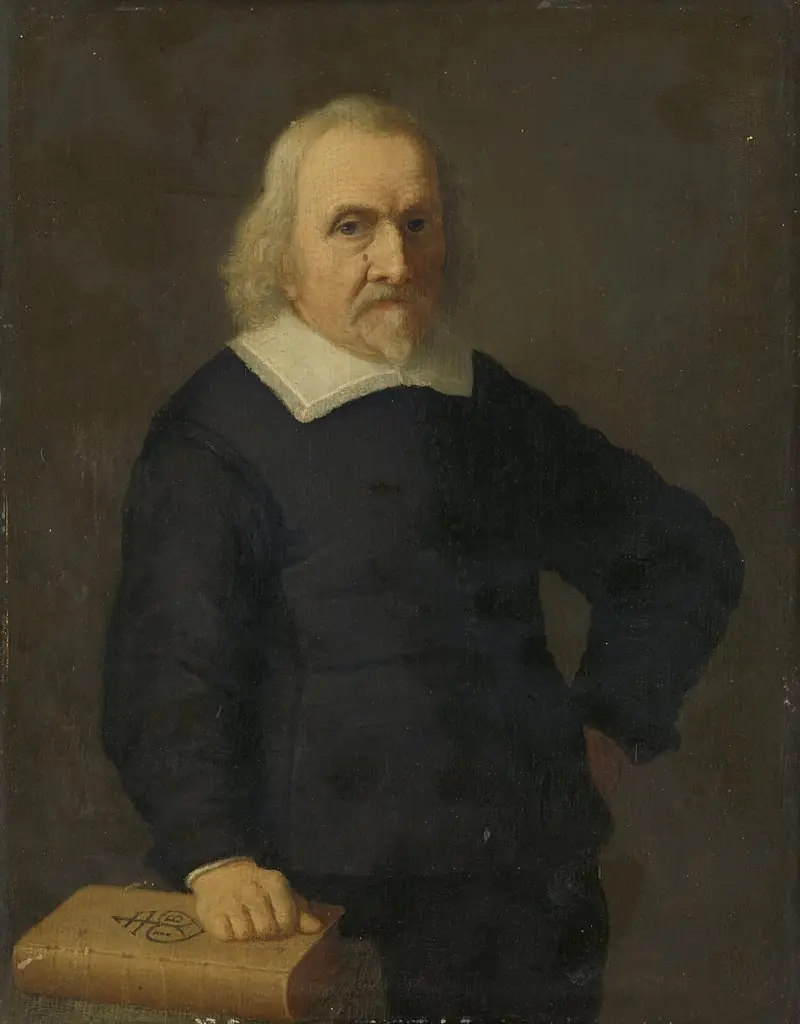 Portrait of a Man
 Portrait of a Man
![Portrait of a Gentleman [possibly Jacob van Campen], by Thomas de Keyser](https://artifactworldgallery.com/img/thomas-de-keyser--portrait-of-a-gentleman-possibly-jacob-van-campen--d0c829ca95efaf31-w320.webp) Portrait of a Gentleman [possibly Jacob van Campen]
Portrait of a Gentleman [possibly Jacob van Campen]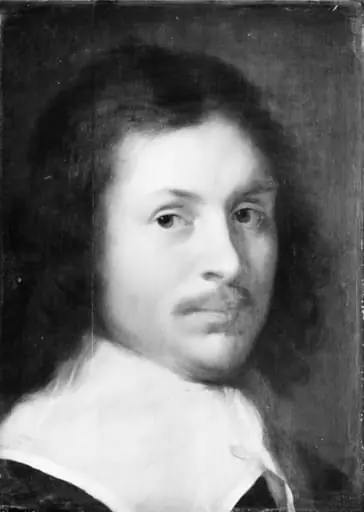 Portrait of a Man
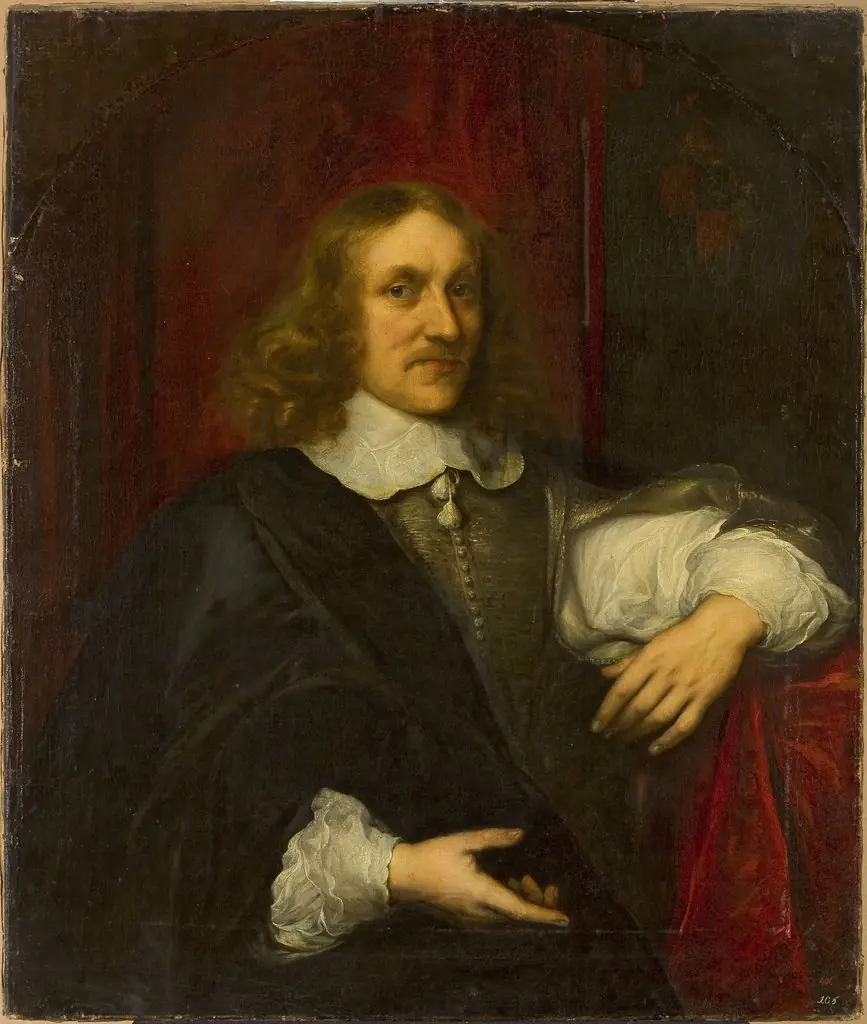 Portrait of a man
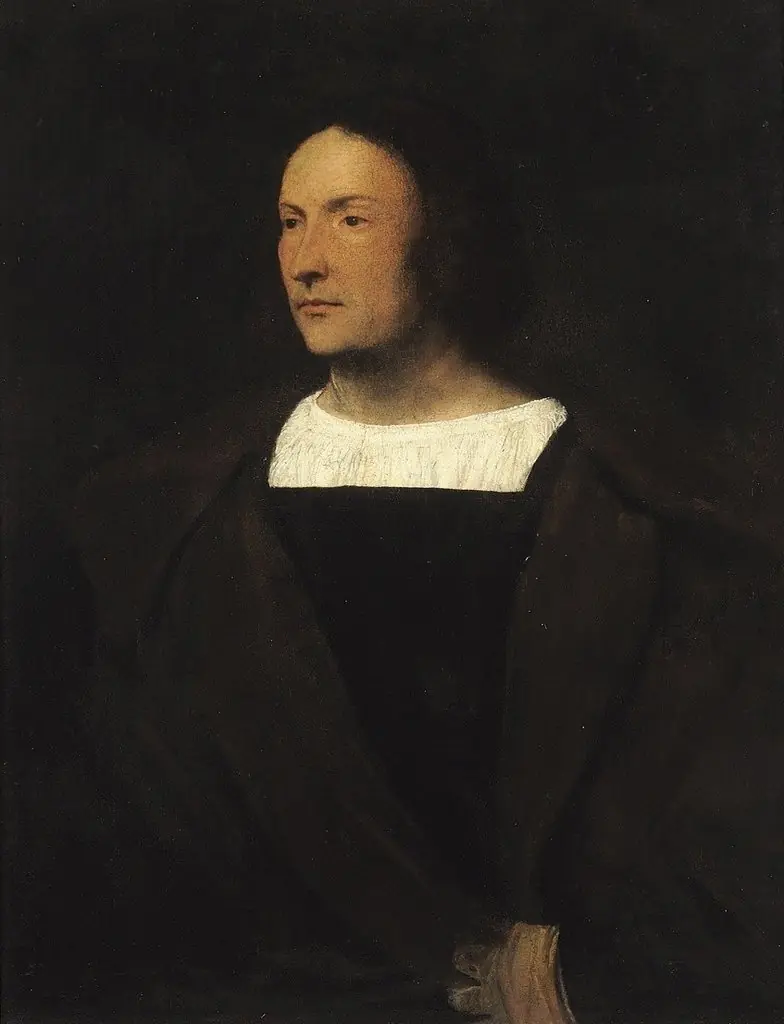 Portrait of a Man
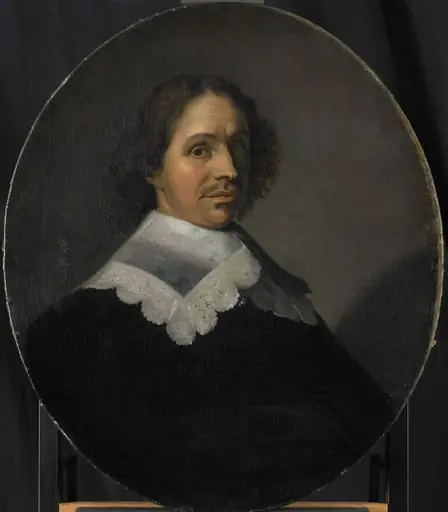 Portrait of Paulus Verschuur, Served seven terms as Burgomaster of Rotterdam and also Director of the Rotterdam Chamber of the East India Company, elected 1651
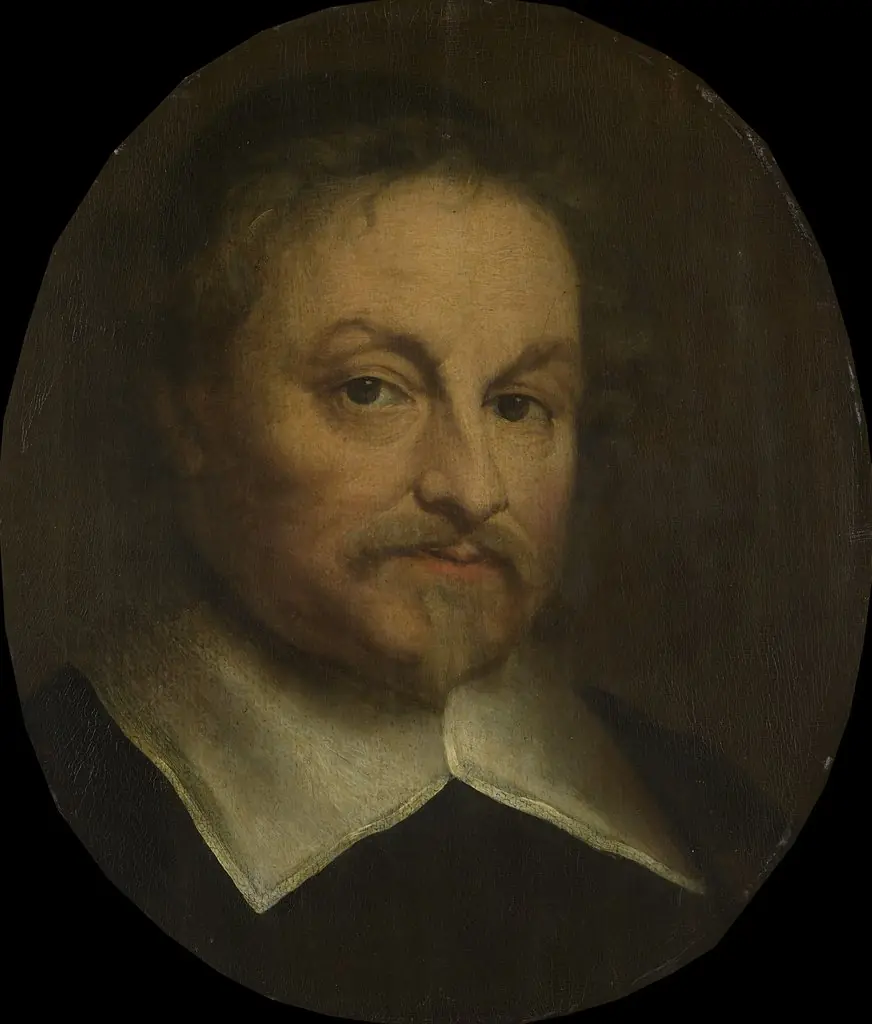 Joost van den Vondel (1587-1679). Poet
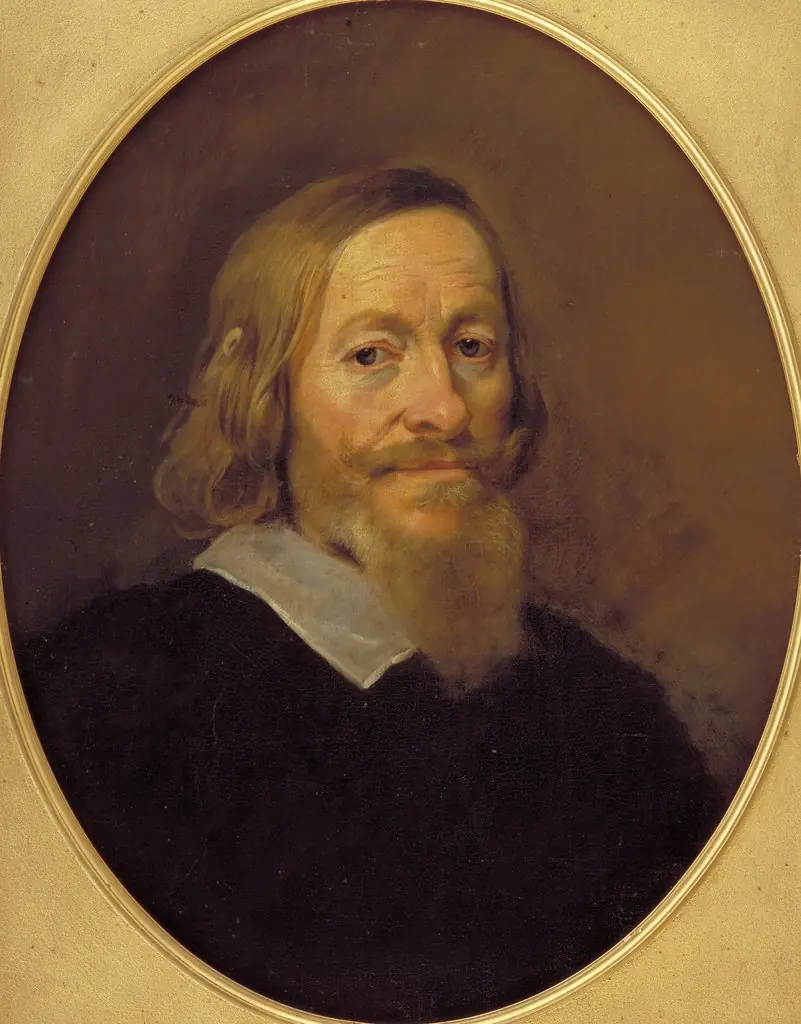 Rigsadmiral Ove Gjedde
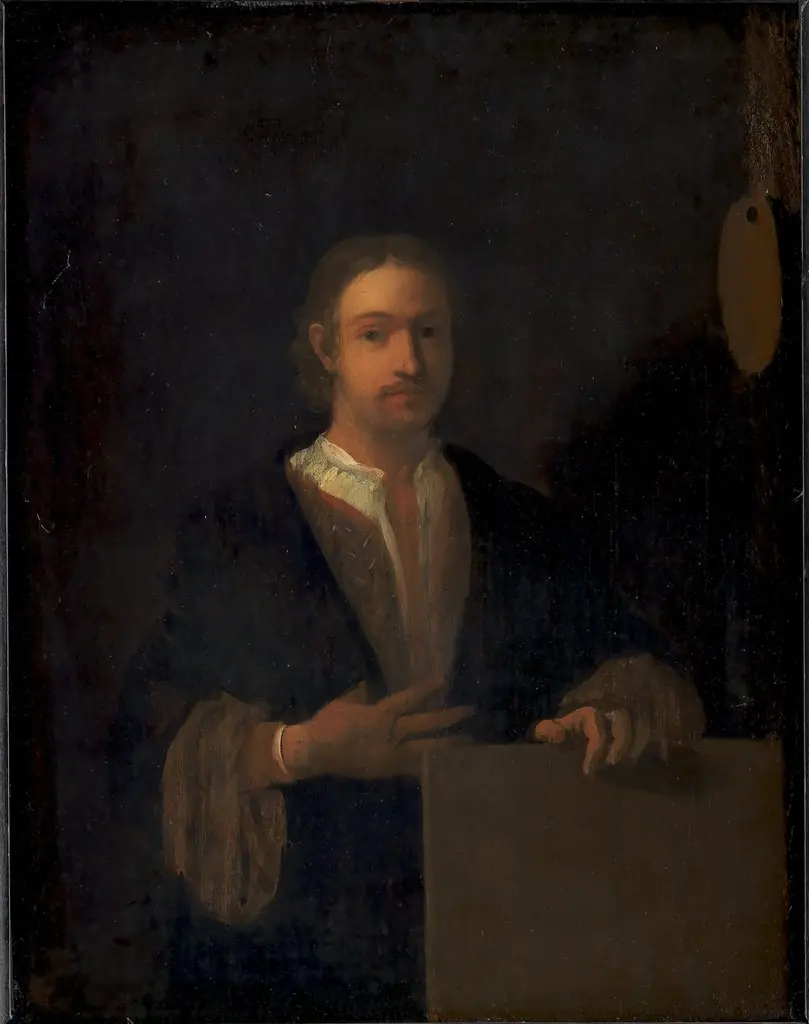 Self-Portrait
 Rigsadmiral Ove Gjedde
 Portrait of a Gentleman