Artwork
Vision of St Antony of Padua
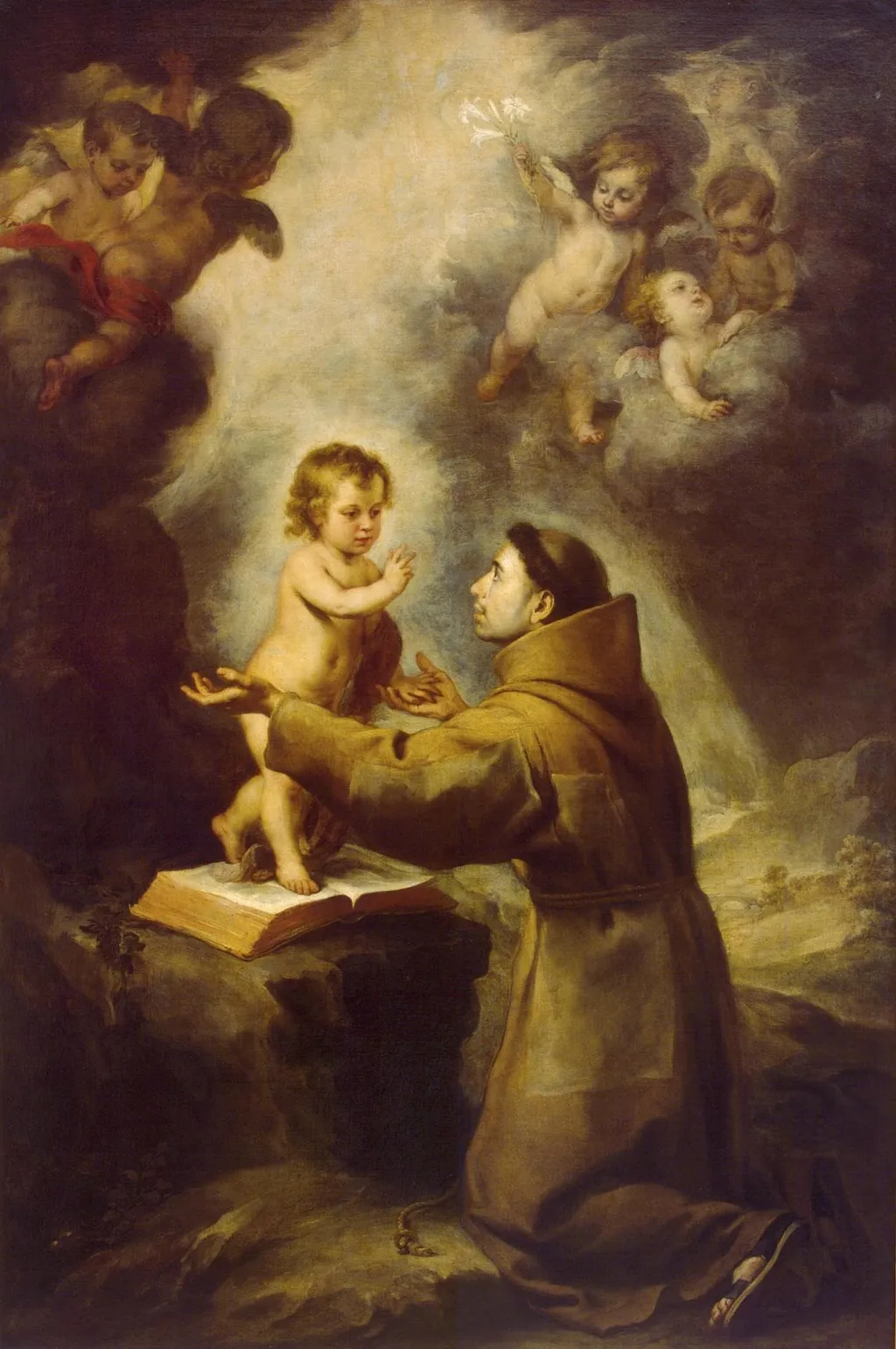
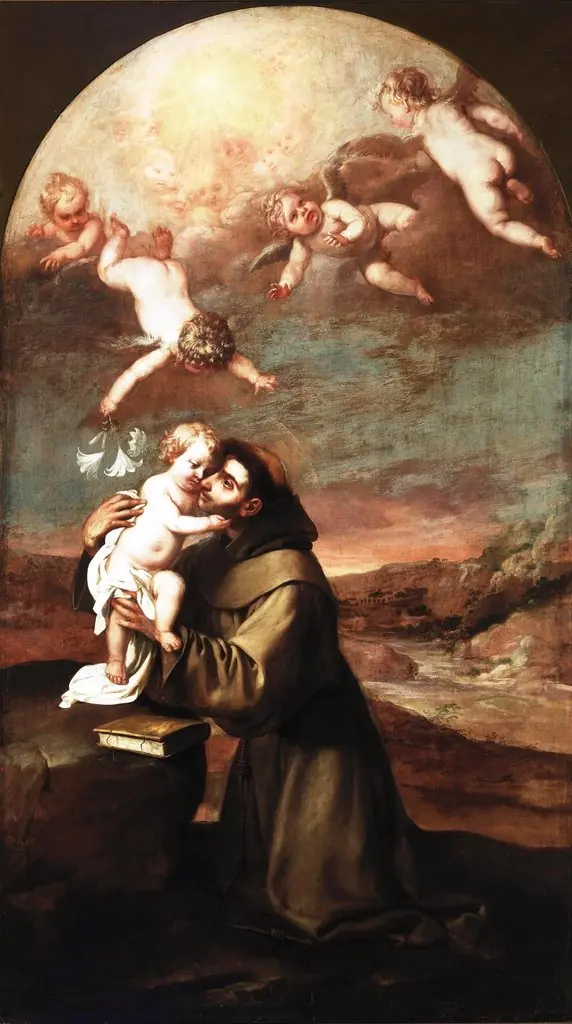
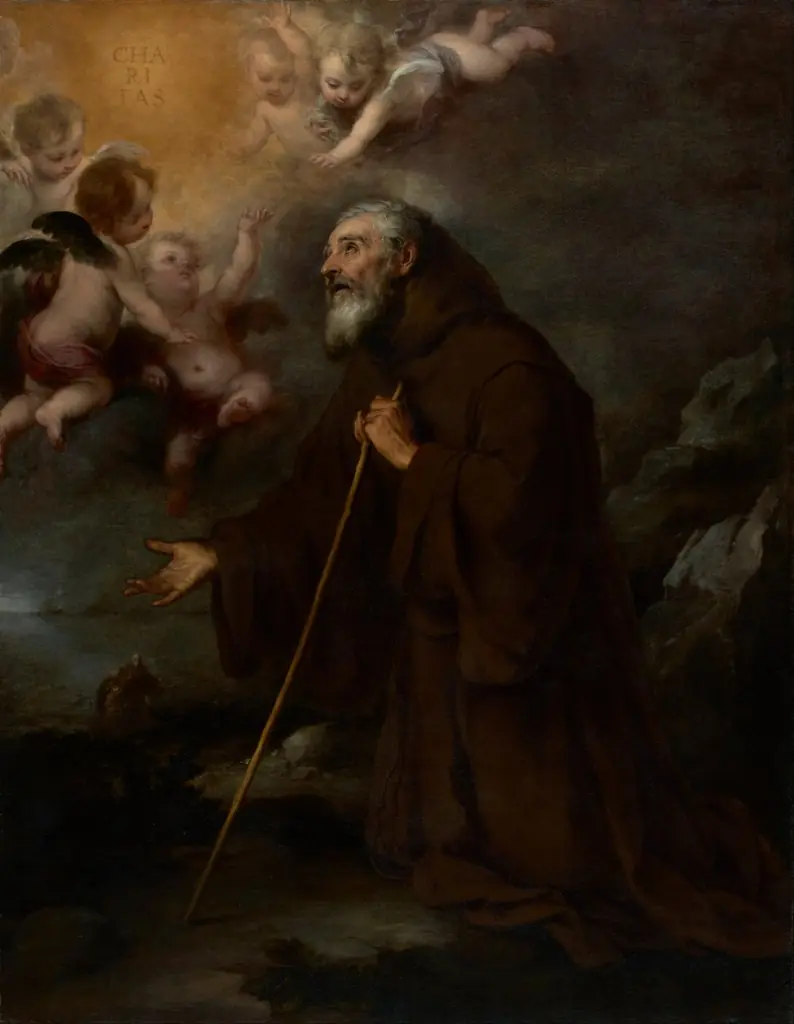
Vision of St Antony of Padua is an oil painting by the Spanish Baroque Tenebrist artist Bartolomé Esteban Murillo. It dates from 1670 and is held in the collection of the Hermitage Museum.
About this work
Overview
Painted in 1670 by Bartolomé Esteban Murillo, this oil on canvas work captures a mystical encounter between Saint Antony of Padua and the Christ Child.
Painted in 1670 by Bartolomé Esteban Murillo, this oil on canvas work captures a mystical encounter between Saint Antony of Padua and the Christ Child. Executed in the Spanish Baroque tradition, the painting reflects Murillo’s mastery of spiritual narrative and emotional restraint. It is now held in the State Hermitage Museum, where it remains a quiet example of 17th-century devotional art from southern Spain.
Subject & Meaning
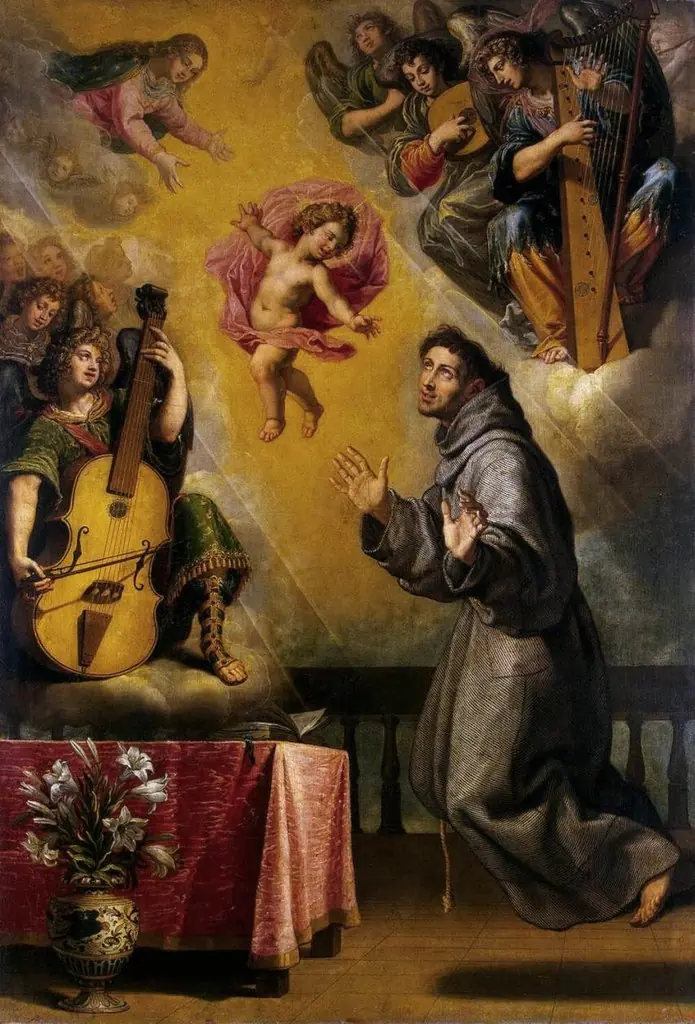
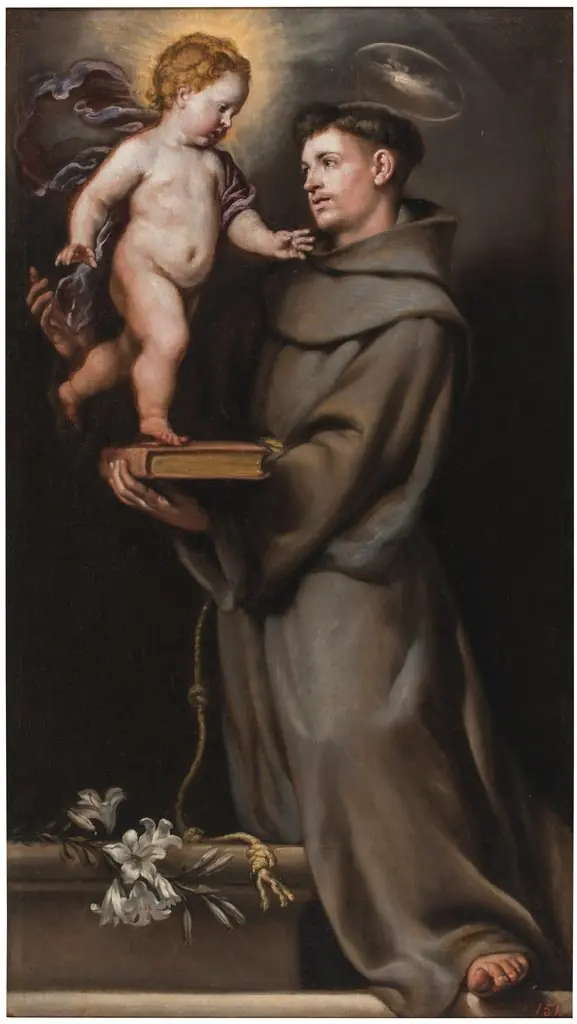
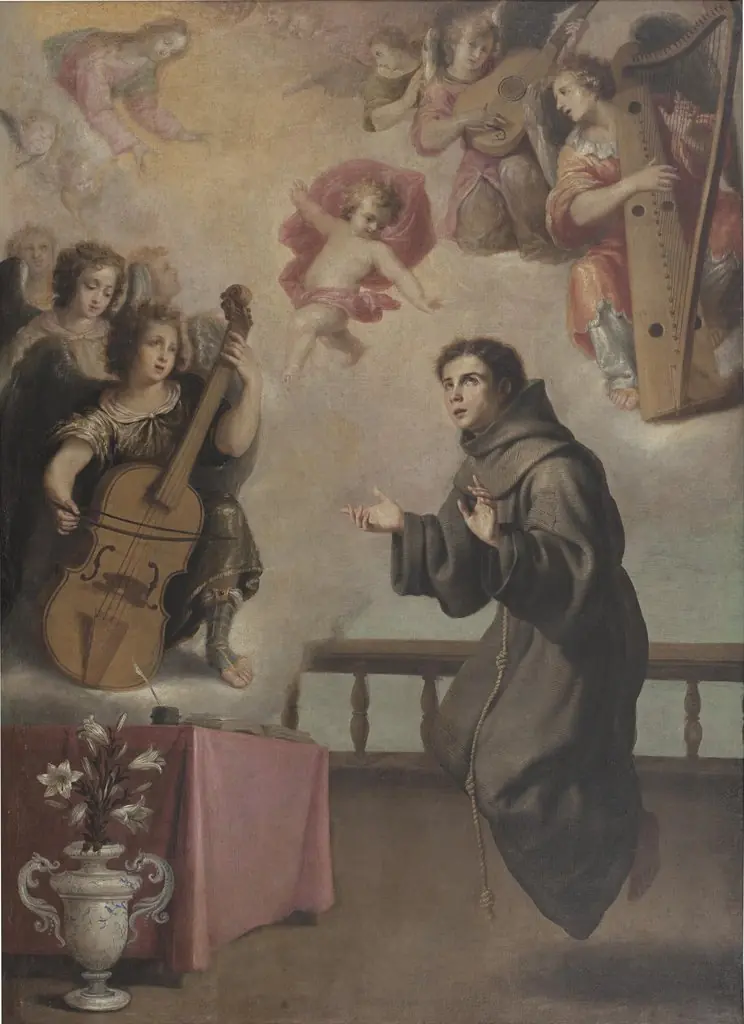
The scene portrays Saint Antony, kneeling in humble awe, reaching toward a luminous, naked child who hovers above a book—symbolizing divine wisdom. The child, understood as the infant Jesus, extends his hand in blessing. Surrounding cherubs suggest celestial presence, reinforcing the vision’s sacred nature. The composition emphasizes spiritual intimacy over theatrical spectacle, aligning with Franciscan ideals of humility and grace.
Technique & Style
Murillo employs chiaroscuro to model forms with soft, atmospheric transitions between light and shadow, avoiding harsh contrasts typical of tenebrism. The saint’s drapery falls in muted earth tones, while the child glows with a gentle, otherworldly radiance. Background clouds dissolve into darkness, focusing attention on the central figures. Brushwork is fluid yet controlled, enhancing the dreamlike stillness of the moment without overt drama.
History & Provenance
Commissioned during Murillo’s mature period, the painting entered the Hermitage collection in the 19th century, likely through imperial Russian acquisitions of Spanish art. Its journey from Seville to St. Petersburg reflects broader European interest in Iberian religious painting. No early documentation of its original patron survives, but its quality suggests it was intended for a convent or private devotional space.
Context
In 17th-century Spain, religious imagery served both devotional and Counter-Reformation purposes. Murillo’s depictions of saints often emphasized accessibility and tenderness, contrasting with the more austere styles of northern Spain. This work aligns with a trend in Andalusian art that favored emotional resonance over doctrinal rigidity, appealing to popular piety and monastic communities devoted to Saint Antony.
Legacy
Though less celebrated than Murillo’s genre scenes, this painting exemplifies his ability to convey sacred experience with quiet dignity. It influenced later Spanish religious painters who sought to balance mysticism with naturalism. Today, it remains a key reference for understanding how Baroque spirituality was rendered through understated composition and luminous restraint.
Own this work as a print
Artist & collection
Artist
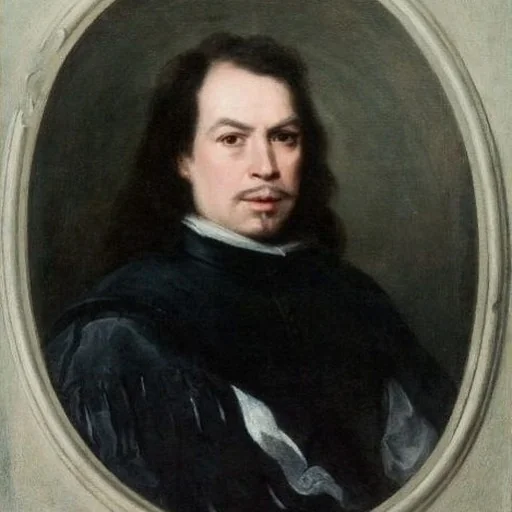
Bartolomé Esteban Murillo ( mure-IL-oh, m(y)uu-REE-oh, Spanish: ; late December 1617, baptised 1 January 1618 – 3 April 1682) was a Spanish Baroque painter.