Artwork
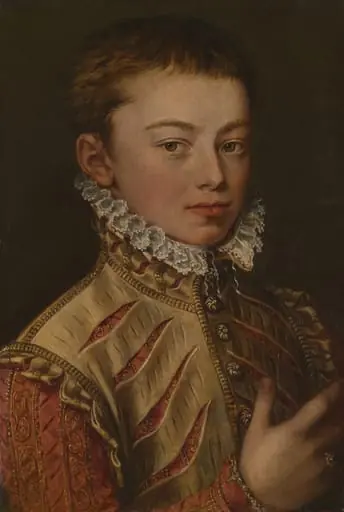
El archiduque Leopoldo cuñado de Felipe III
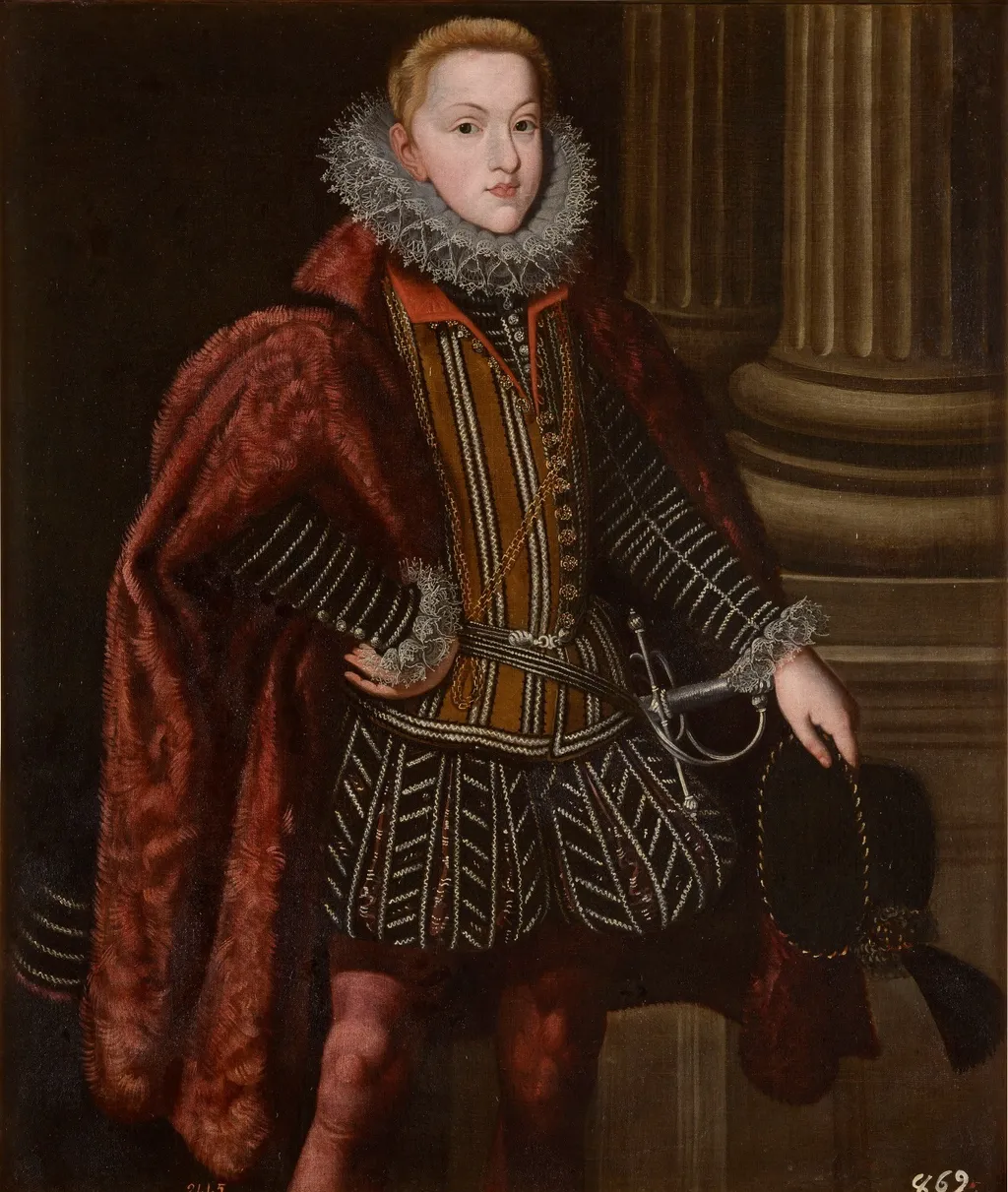
El archiduque Leopoldo cuñado de Felipe III is an oil painting by the Early Baroque Italian artist Bartolomé González y Serrano. It dates from 1608 and is held in the collection of the Museo del Prado.
About this work
Overview
Bartolomé González y Serrano painted this oil portrait in 1608, depicting the Archduke Leopold, who was married to the sister of Spain’s King Felipe III. The work belongs to the Spanish Baroque period and is part of the Prado Museum’s collection.
Subject & Meaning
The sitter is shown as a young nobleman dressed in elaborate court attire, his posture formal and dignified. Elements such as the jeweled ornament and the sword convey status, martial virtue, and the diplomatic ties between the Habsburg families of Spain and Austria.
Technique & Style
Executed in oil on canvas, the portrait employs a restrained palette and strong chiaroscuro, isolating the figure against a muted backdrop. Fine brushwork renders the intricate embroidery, fur lining, and the cord‑wrapped sword hilt, while the lighting highlights the face in a subtle spotlight effect.
History & Provenance
Created during González y Serrano’s early career, the painting follows the courtly portrait tradition established by artists like Juan Pantoja de la Cruz. It entered the Museo del Prado’s holdings in the 19th century, where it remains on display as an example of early‑17th‑century Spanish aristocratic portraiture.
Own this work as a print
Artist & collection
Artist
Bartolomé González y Serrano (1564–1627) was a Spanish Baroque painter specializing in portraits that represent a continuation of Renaissance court portrait types practiced by Alonso Sánchez Coello and especially by Juan Pantoja de la Cruz.

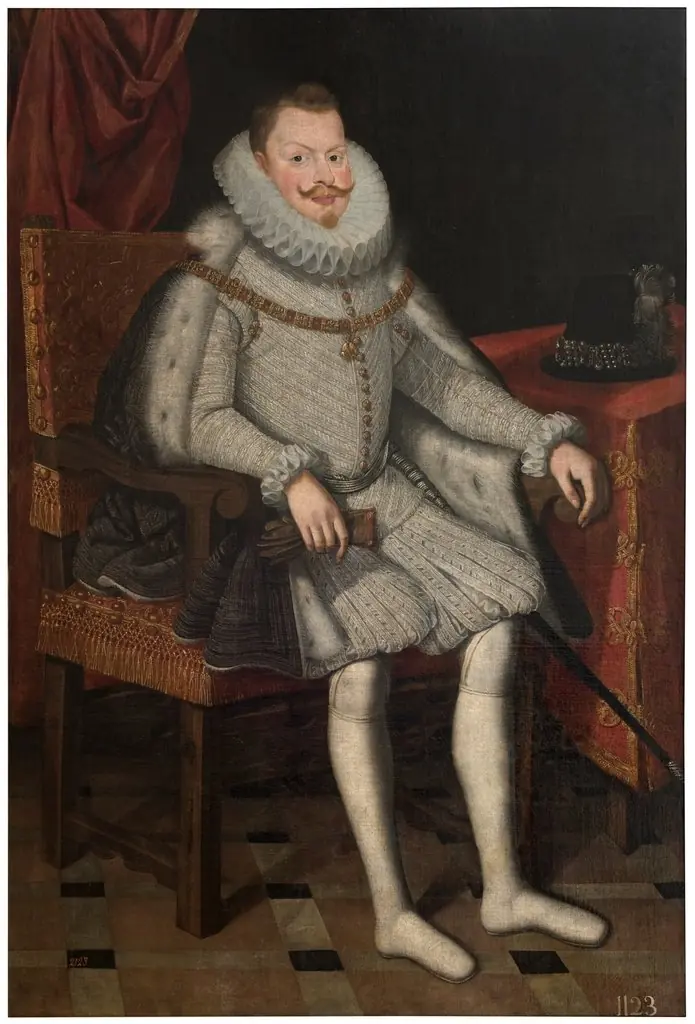 Felipe III rey de España sedente
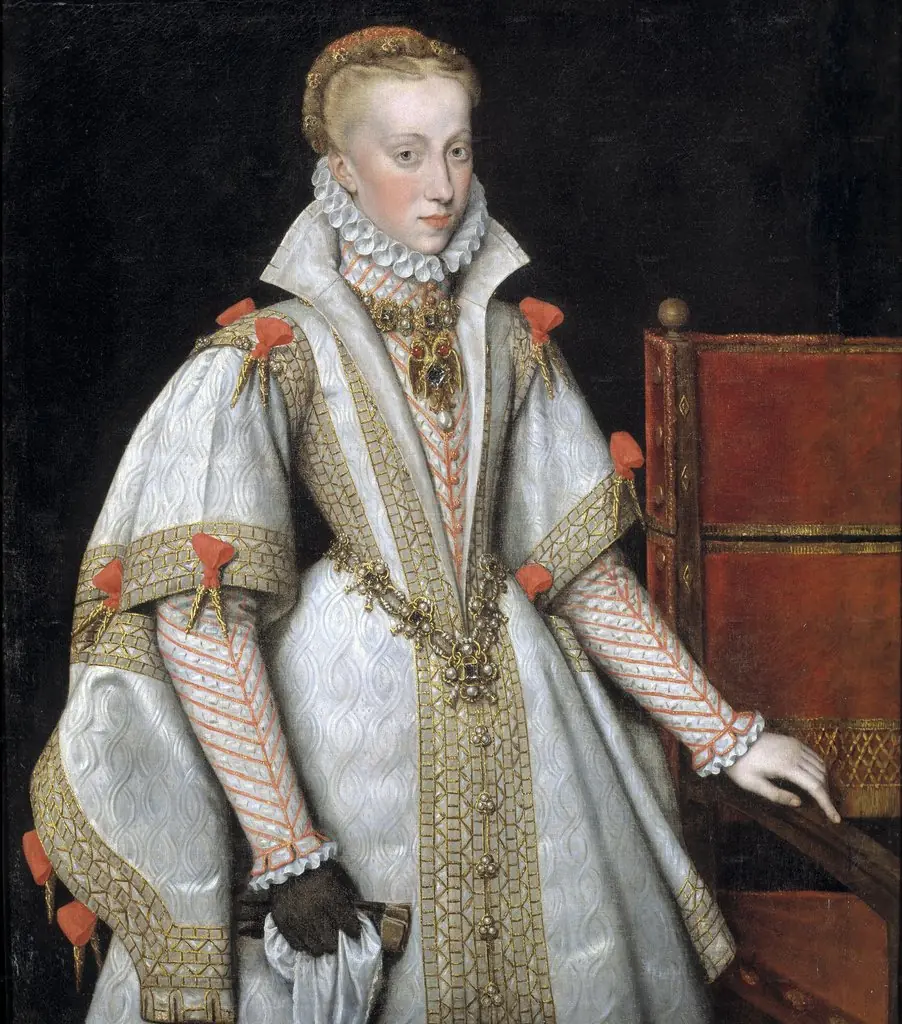 Queen Anne of Austria, fourth Wife of Philip II
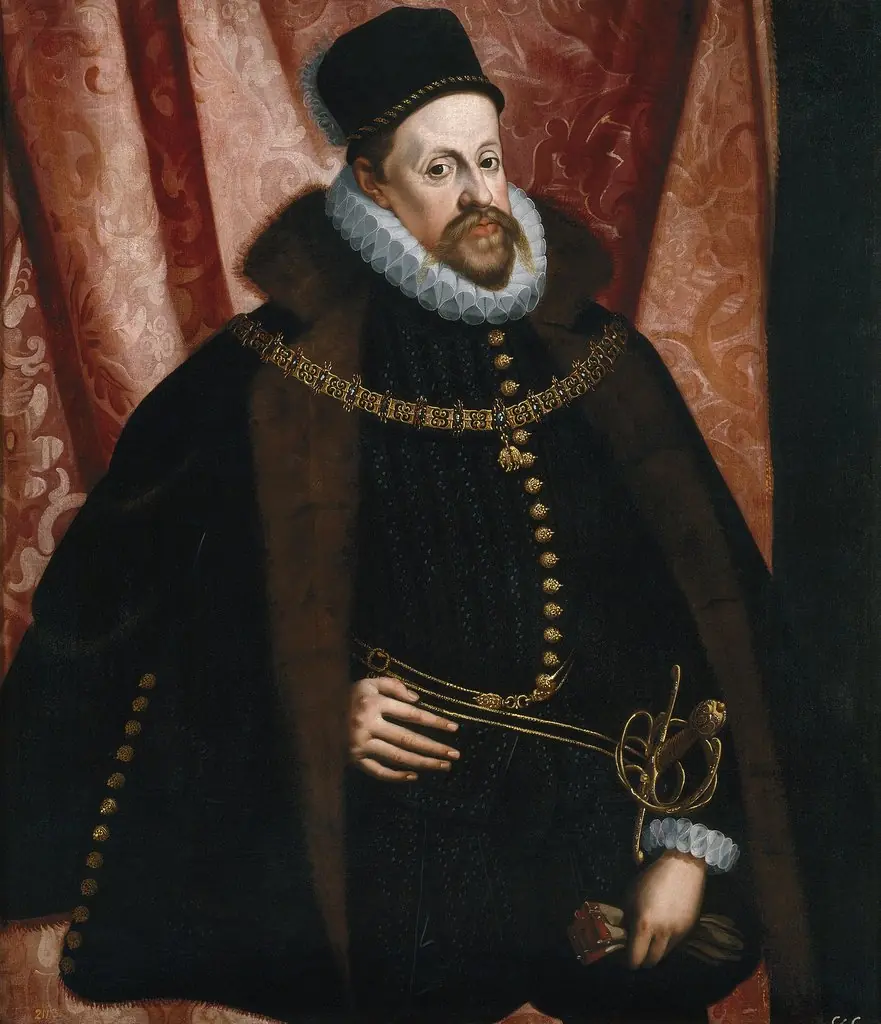 El archiduque Carlos de Austria, duque de Stiria
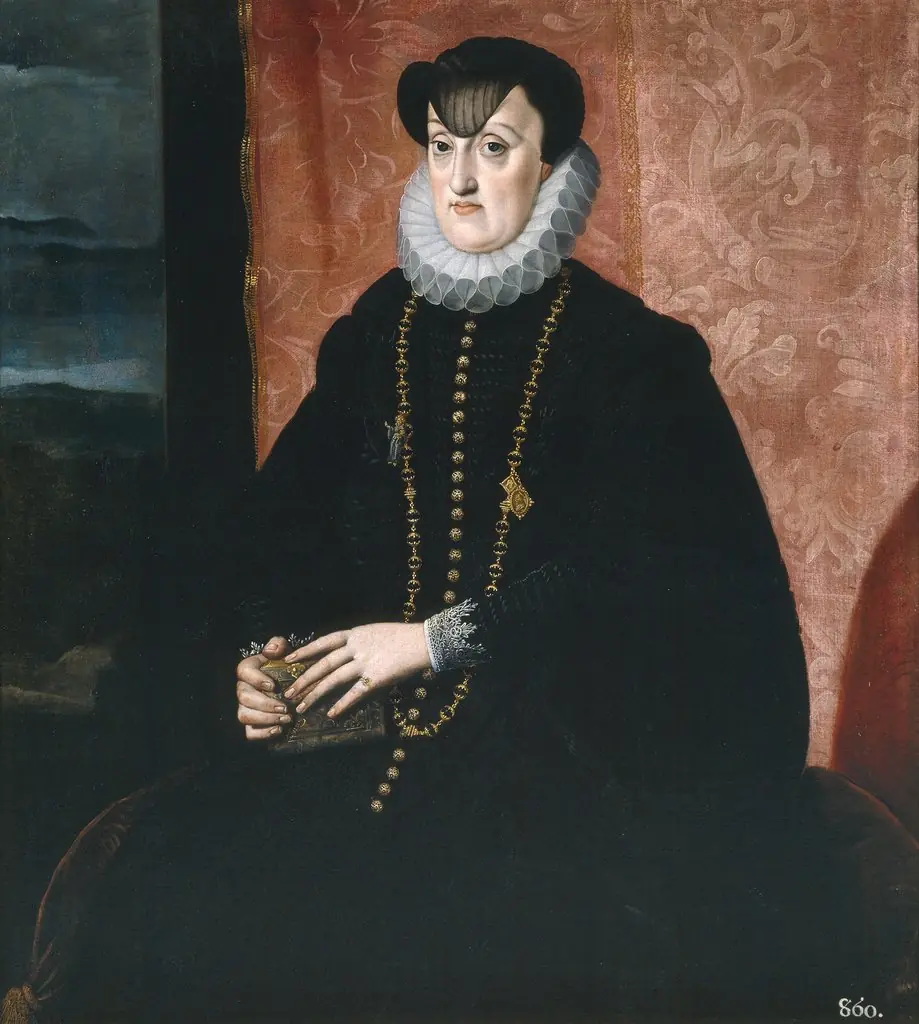 La archiduquesa María de Baviera duquesa de Stiria
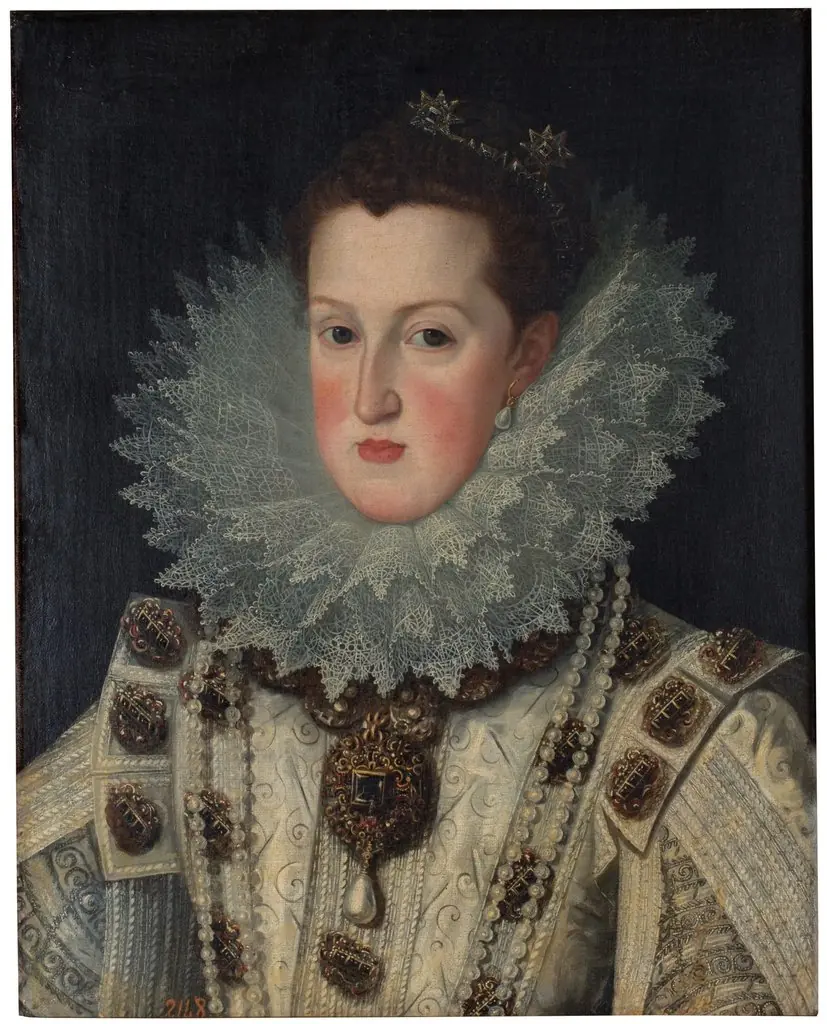 Margarita de Austria, reina de España
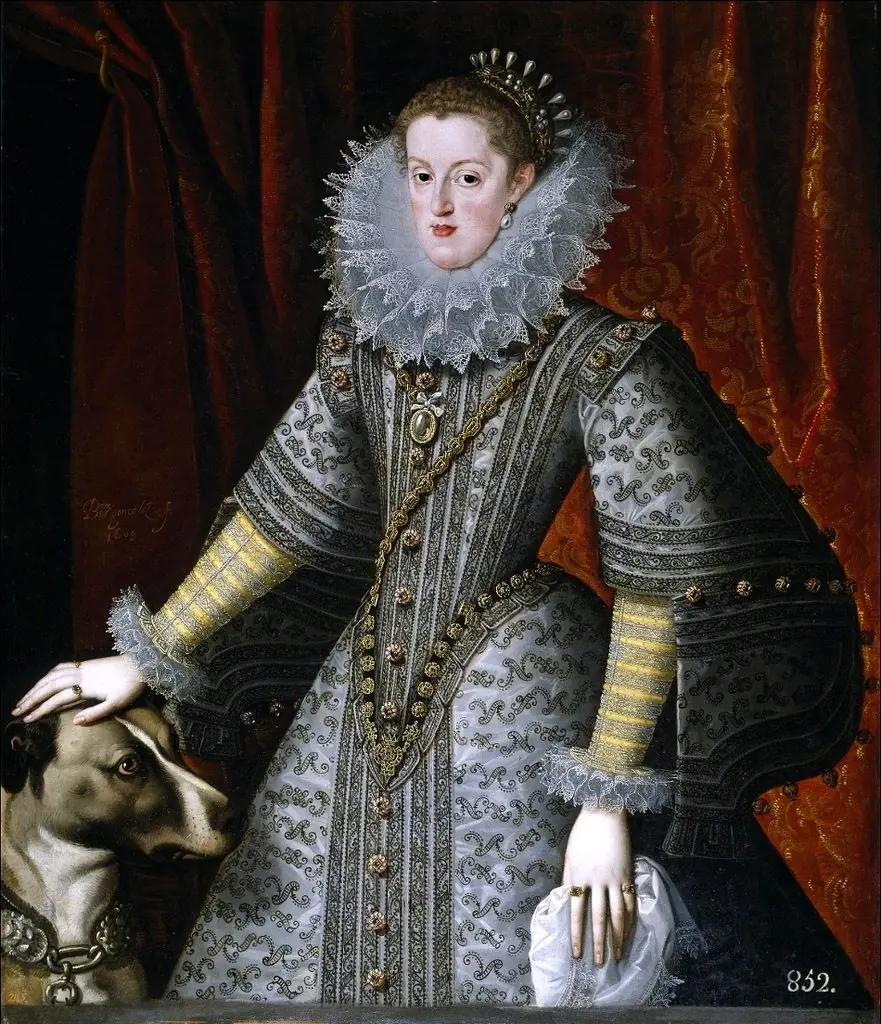 Queen Margaret of Austria
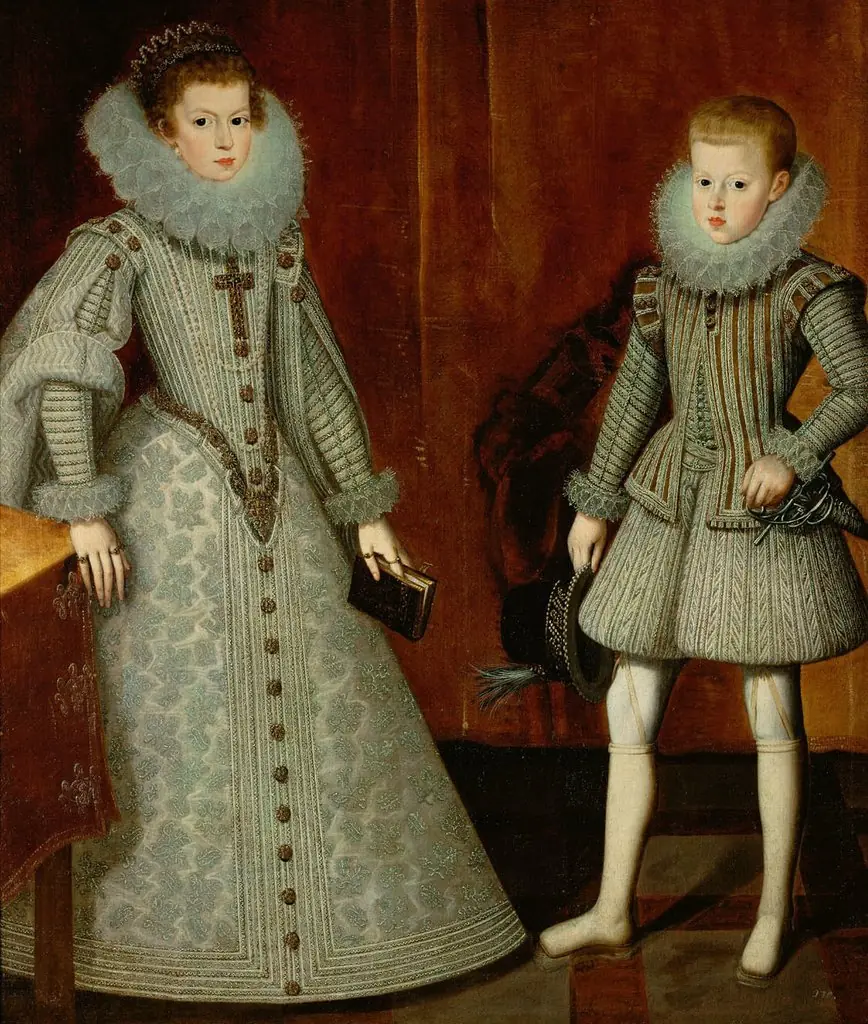 König Philipp IV. von Spanien (1605-1665) mit seiner Schwester, der Infantin Anna (1601-1666), Bildnis in ganzer Figur
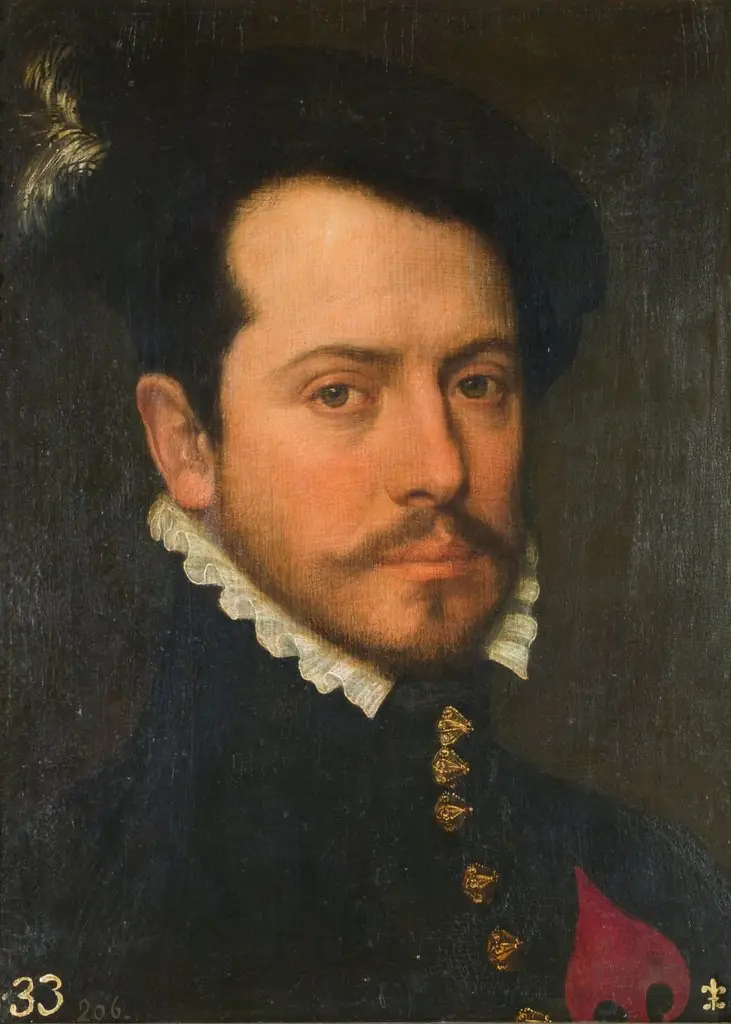 Portrait of a Knight of the Order of Santiago
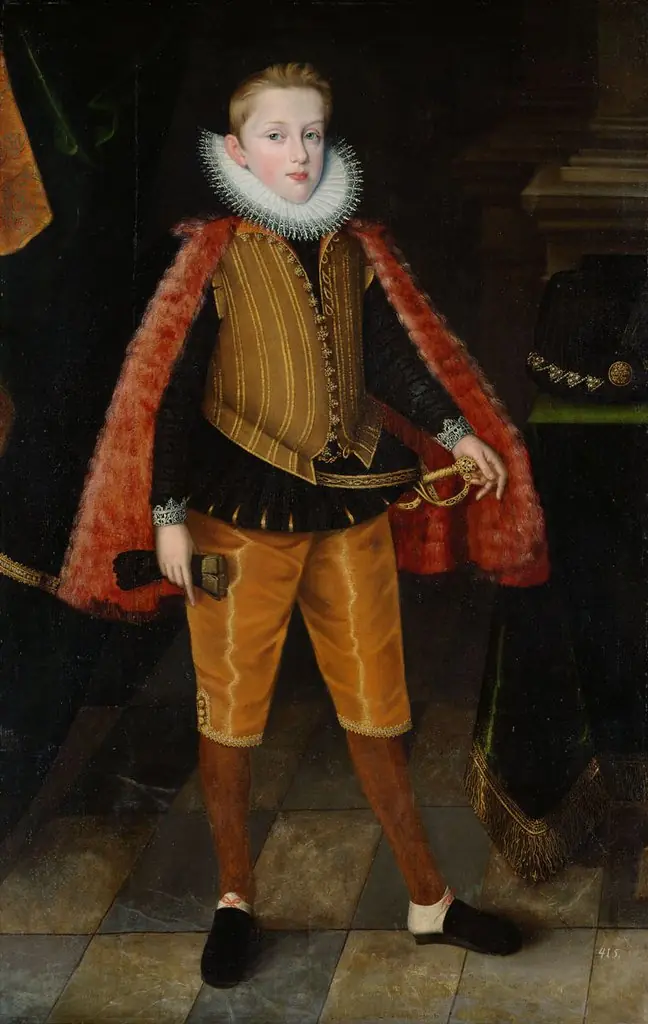 Kaiser Ferdinand II (1578-1637) at the age of 14
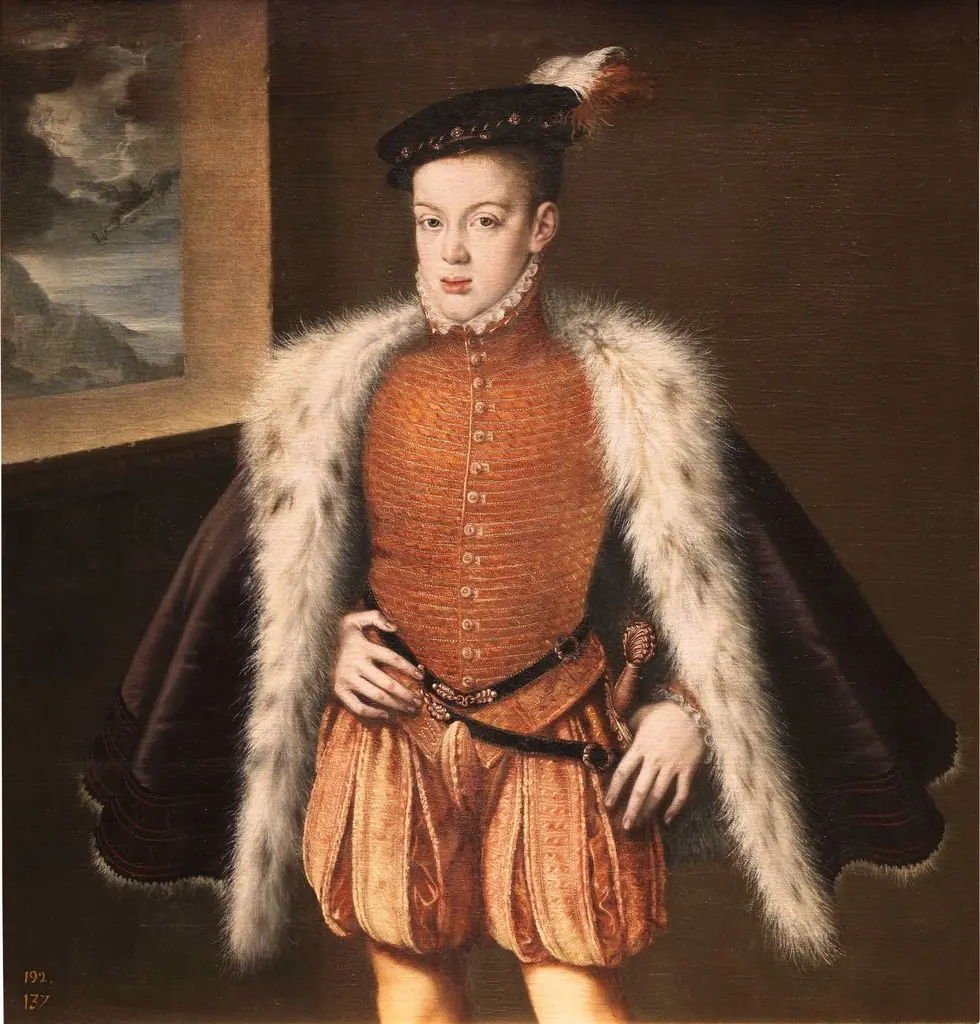 Prince Don Carlos
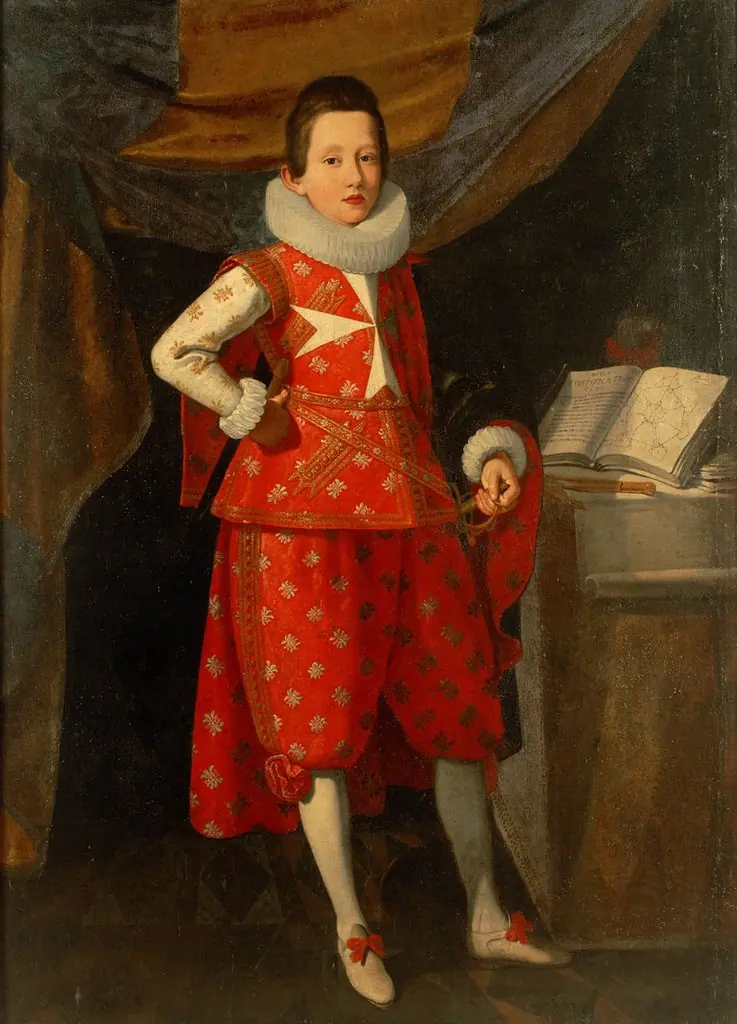 Giancarlo de' Medici (1611-1663), Cardinal, at the age of 10.
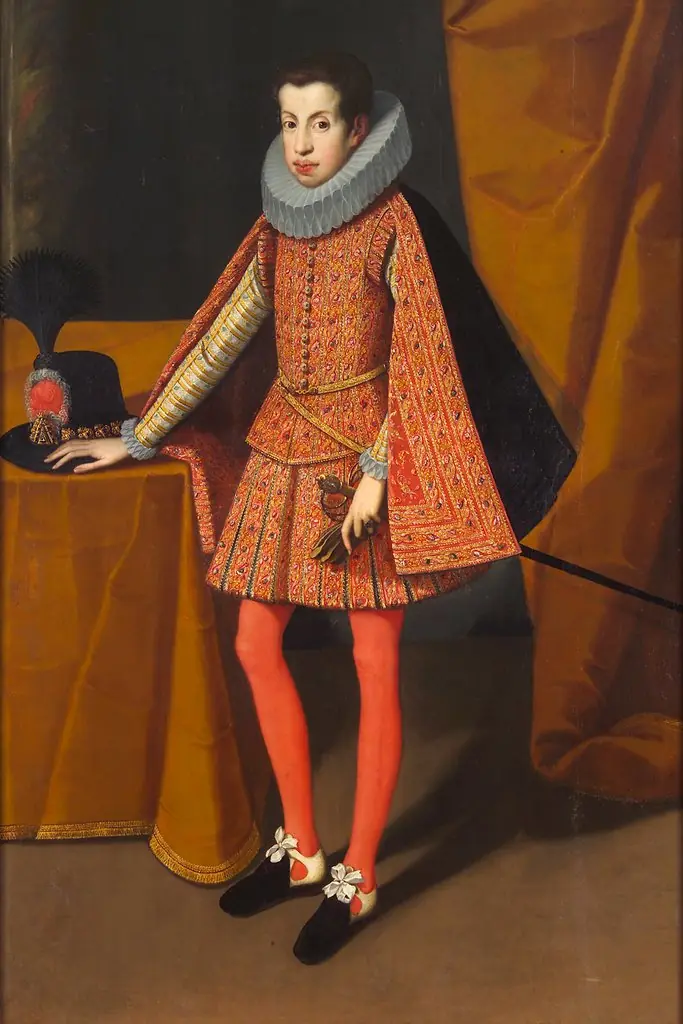 Kaiser Ferdinand III. (1608-1657)
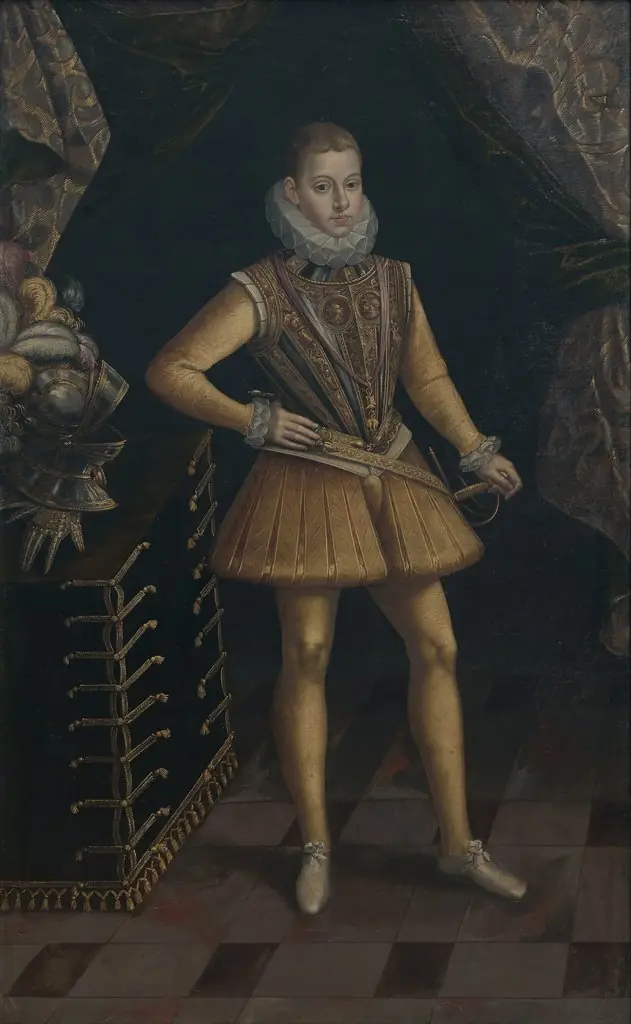 Philip of Asturias, later Philip III of Spain
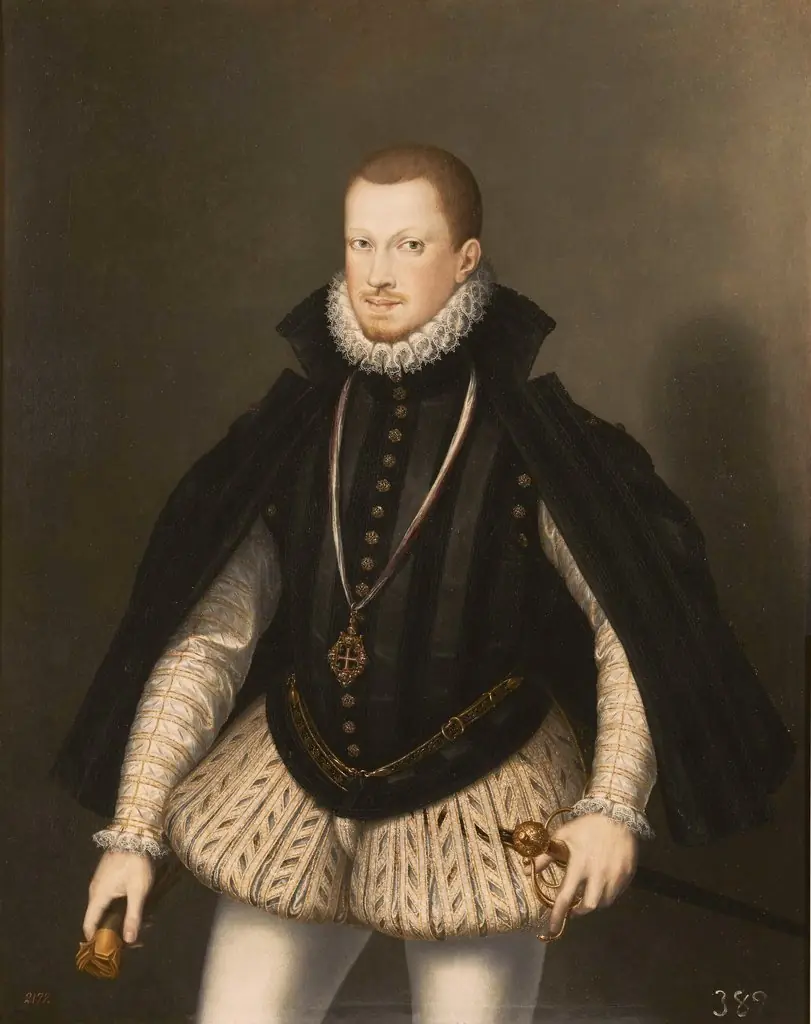 Don Sebastián rey de Portugal
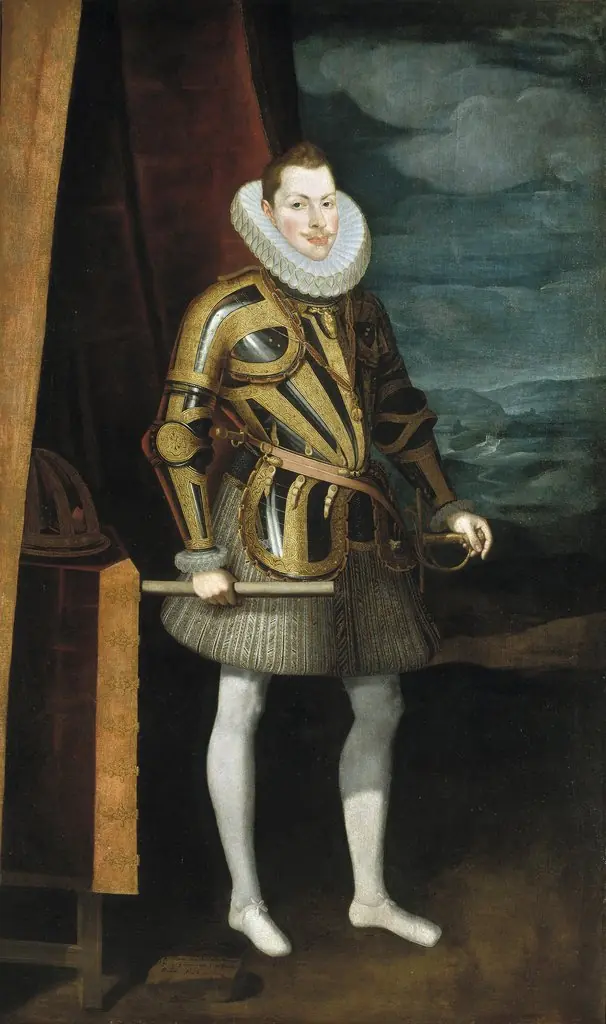 Philip III
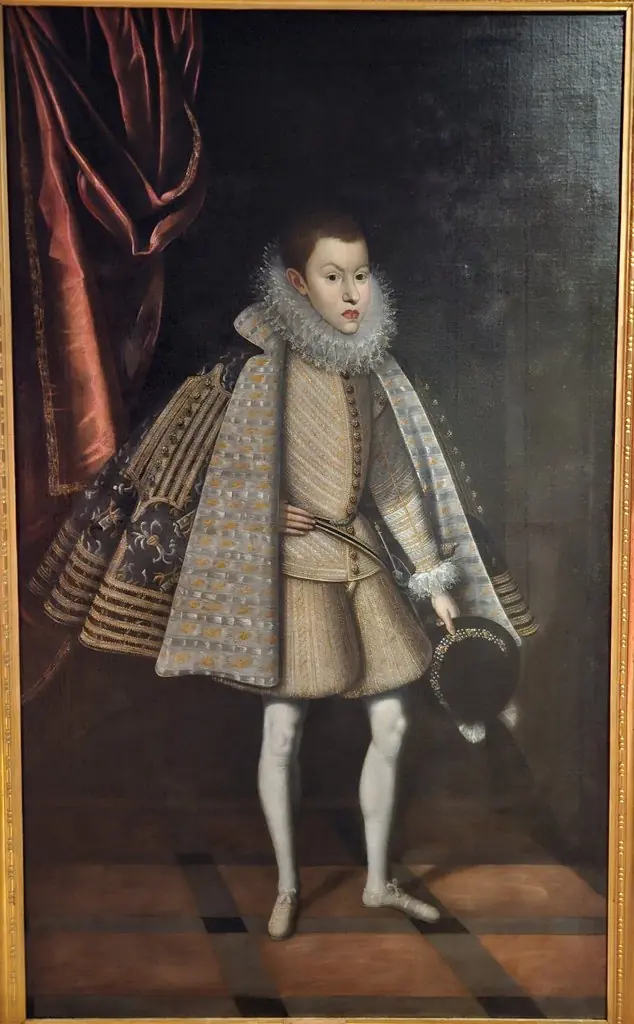 Retrato do Infante Carlos de Áustria
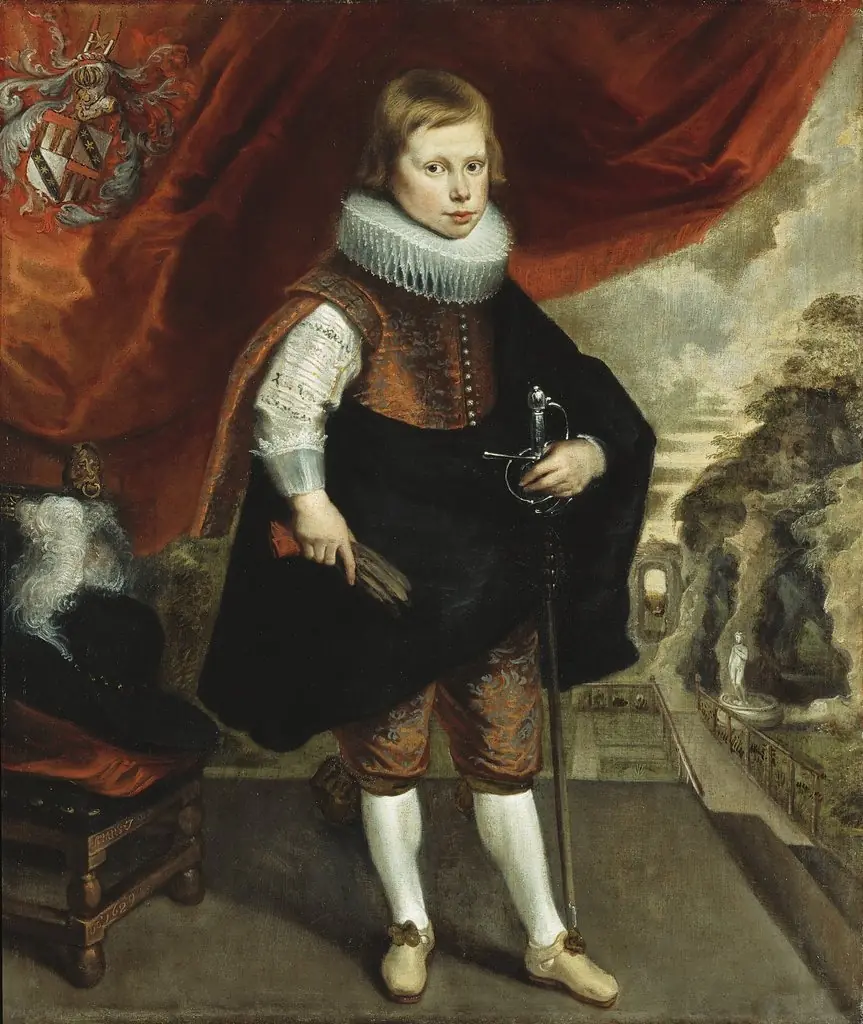 A Boy
A Boy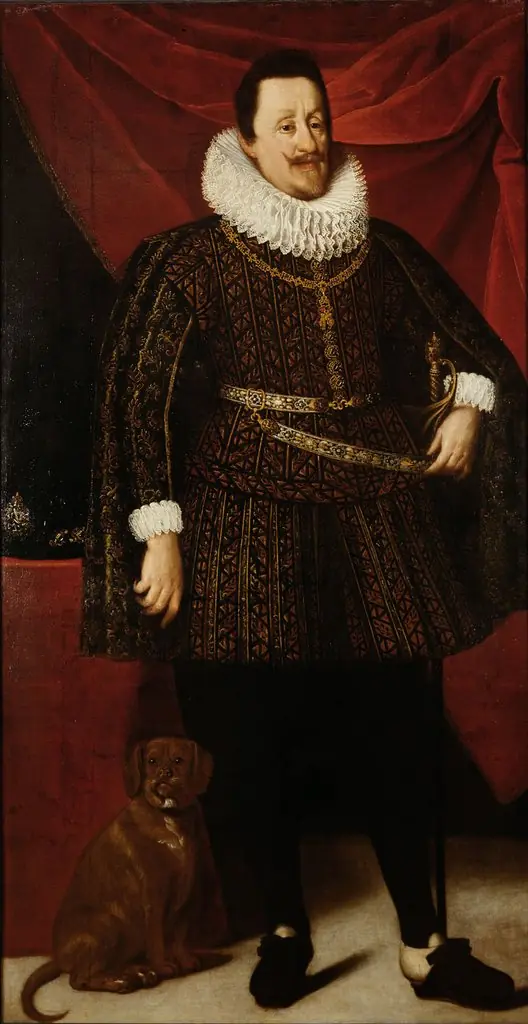 Portrait of Ferdinand II of Habsburg (1578-1637, Holy Roman Emperor
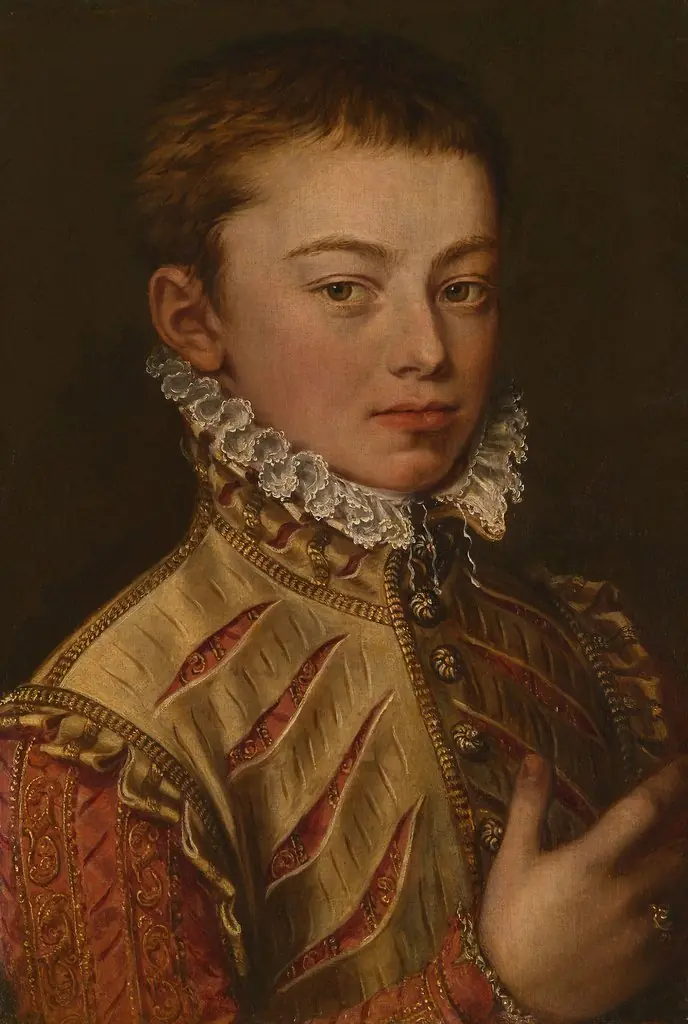 Portrait of Don Juan of Austria
 Portrait of Don Juan of Austria