Artwork
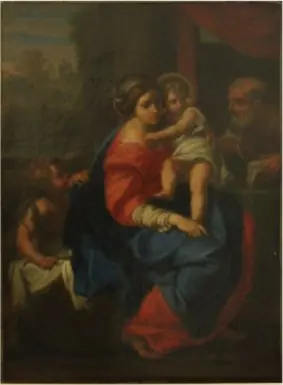
The Holy Family mit S. John
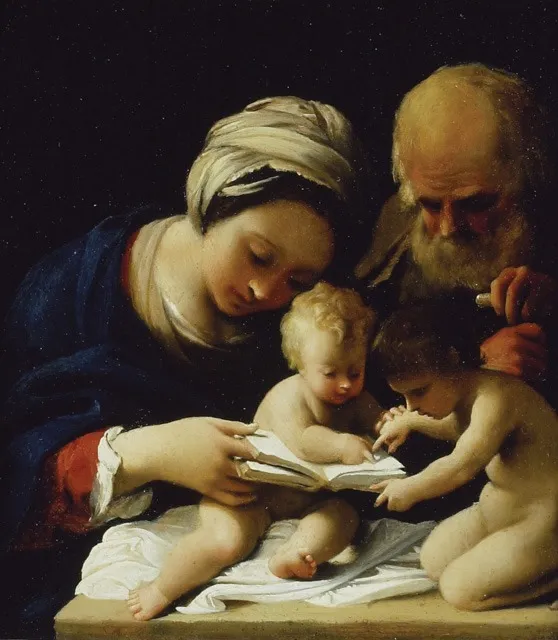
The Holy Family mit S. John is an oil painting by the Early Baroque Italian artist Bartolomeo Schedoni. It dates from 1610 and is held in the collection of the Ashmolean Museum.
About this work
Overview
Painted in 1610 by Bartolomeo Schedoni, this oil-on-canvas work portrays the Holy Family alongside the young Saint John the Baptist. The composition centers on a quiet, domestic moment, emphasizing tenderness over grandeur. The painting is part of the Ashmolean Museum’s collection, where it remains a quiet example of early 17th-century Italian devotional art.
Subject & Meaning
The scene shows the Virgin Mary reading from an open book to the Christ Child, while Joseph leans in, gesturing toward the text. The presence of the infant John the Baptist, though not always clearly identified in early interpretations, suggests a foreshadowing of his future role as the herald of Christ. The intimacy of the moment underscores themes of familial devotion and spiritual instruction.
Technique & Style
The brushwork is restrained, favoring smooth transitions and subtle gradations.
Schedoni employs chiaroscuro to model the figures with soft, directional light that illuminates the faces and skin of the central figures, contrasting with the deep, unbroken shadows behind them. The brushwork is restrained, favoring smooth transitions and subtle gradations. The lack of decorative detail in the background heightens the emotional focus on the three figures, aligning with Counter-Reformation ideals of clarity and piety.
History & Provenance
The painting entered the Ashmolean Museum’s collection in the 19th century, having previously been held in private European collections. Its attribution to Schedoni has been consistently supported by stylistic analysis and documentary evidence from the early 1600s. No major alterations or restorations are recorded, preserving its original tonal balance and composition.
Context
Created during the height of the Counter-Reformation, the work reflects the Catholic Church’s emphasis on accessible, emotionally resonant religious imagery. Schedoni, influenced by Correggio and early Caravaggio, adapted naturalism to serve devotional ends. Unlike more theatrical altarpieces, this painting invites quiet contemplation, aligning with private prayer practices of the period.
Legacy
Though not widely exhibited outside academic circles, the painting remains a representative example of Emilian religious art from the early Baroque era. It illustrates how regional artists synthesized broader stylistic trends into intimate, human-centered scenes. Its preservation in a public museum ensures continued study of how faith was rendered in everyday terms during a time of religious upheaval.
Artist & collection

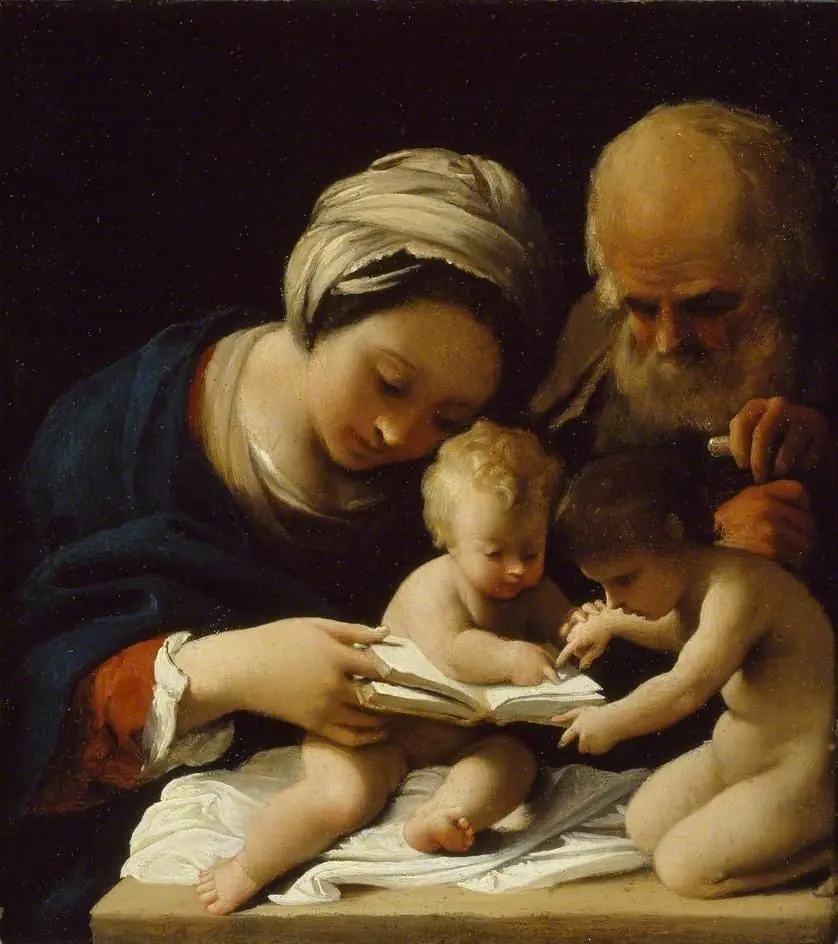 The Holy Family with the young St John the Baptist
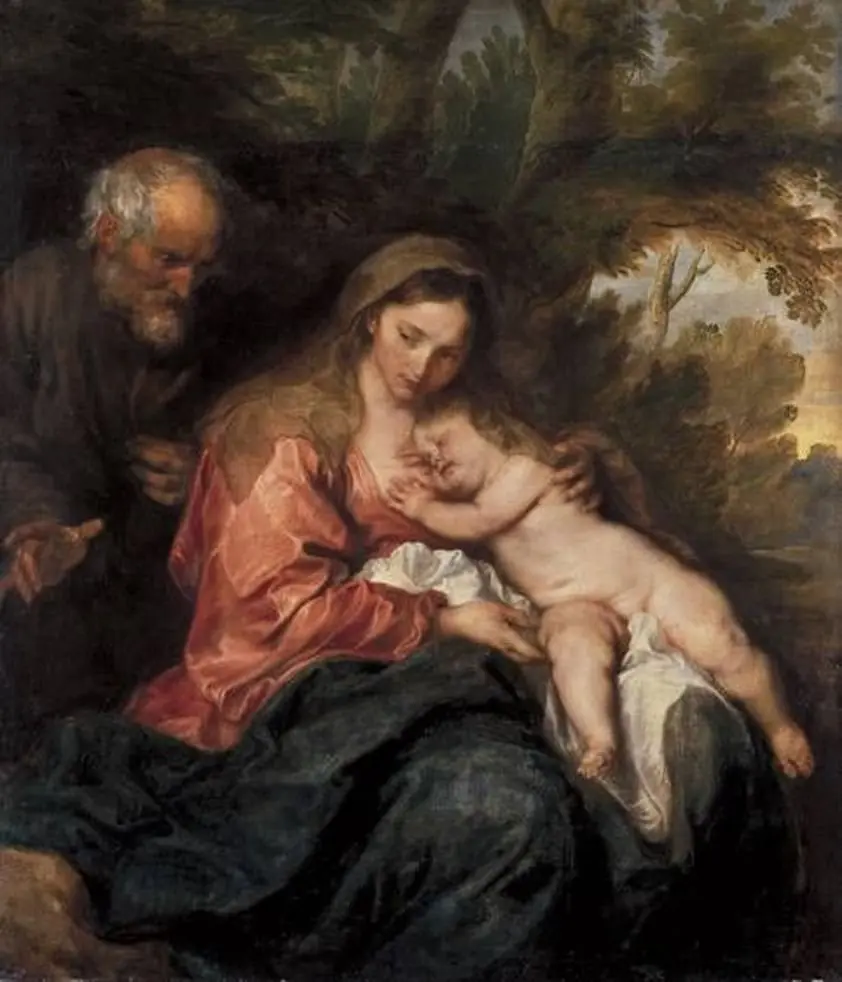 Rest on the Flight to Egypt
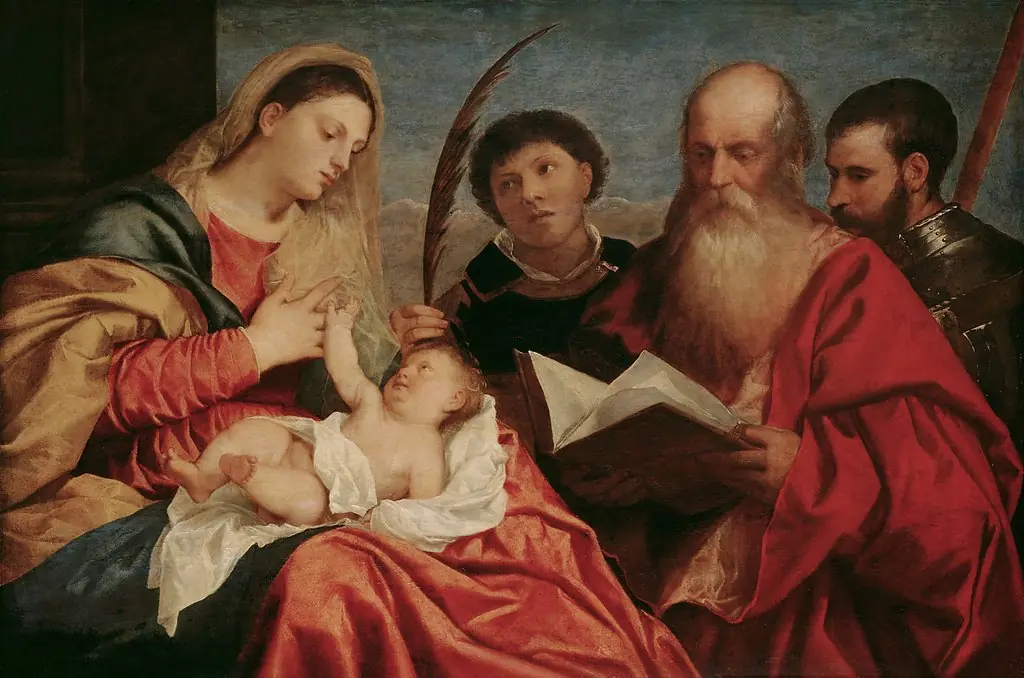 Virgin and Child with Saints Stephen, Jerome and Maurice
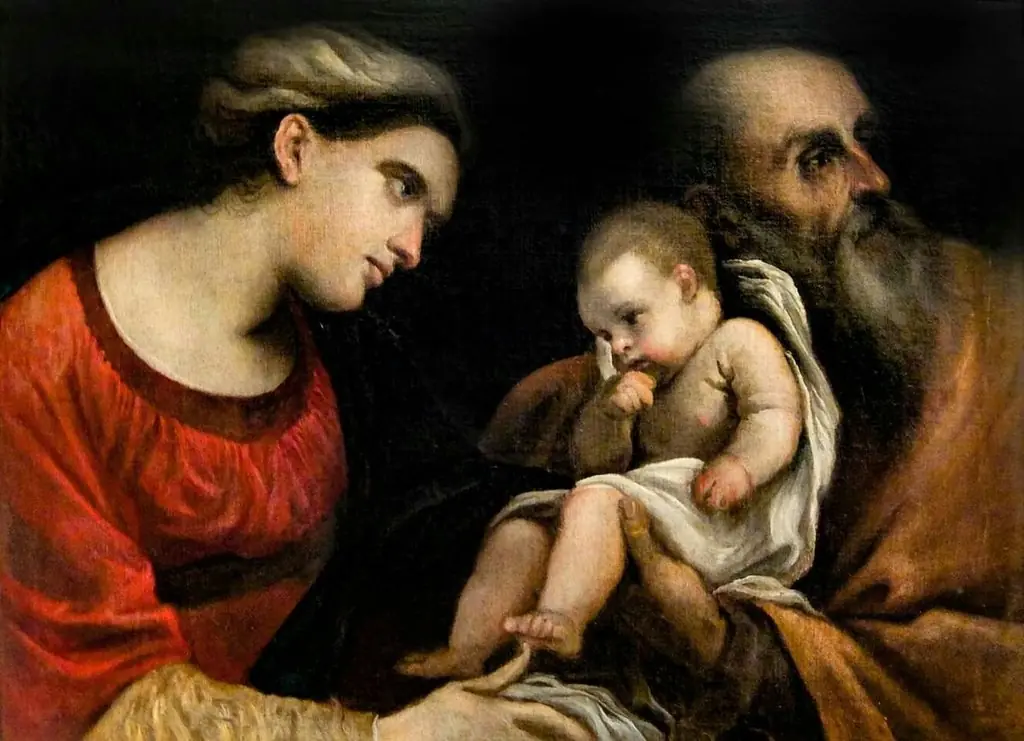 The Holy Family
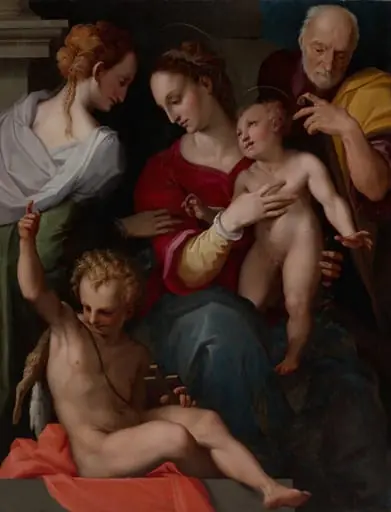 Holy Family with the Mystic Marriage of Saint Catherine
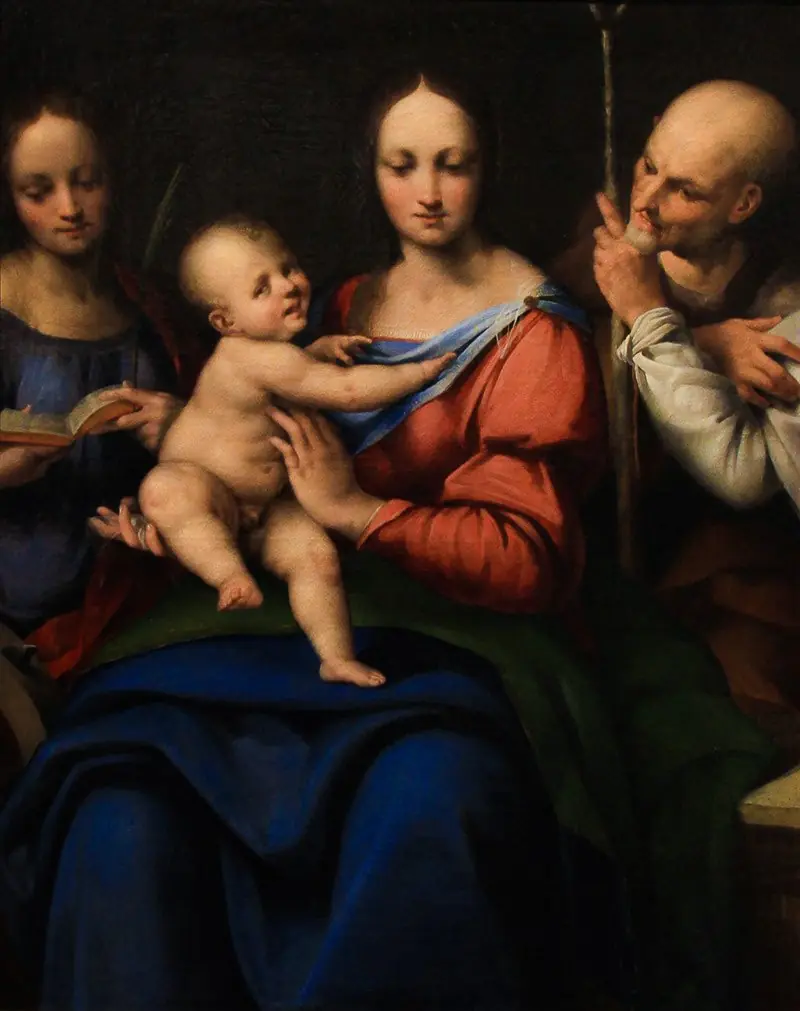 The Holy Family with Catherine
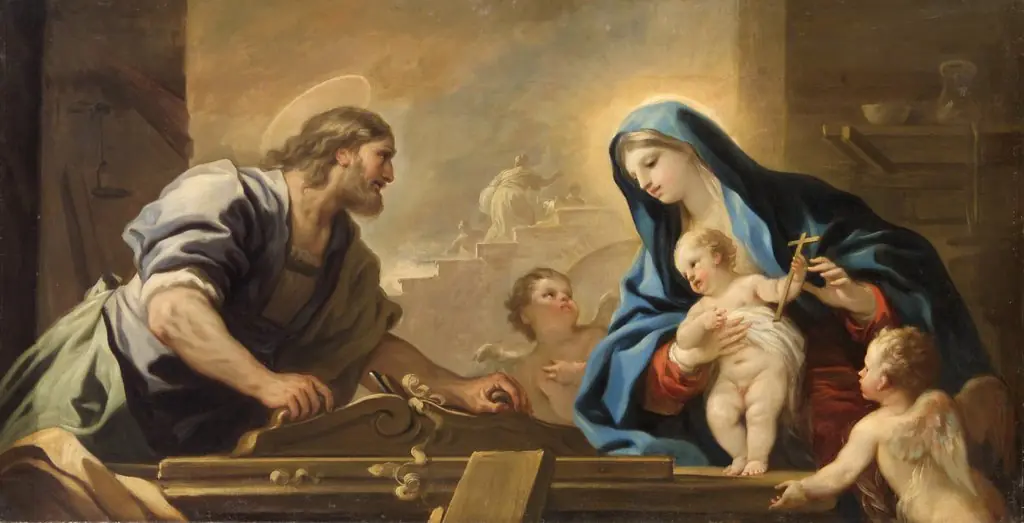 Holy Family with Joseph at the Carpenter's Bench
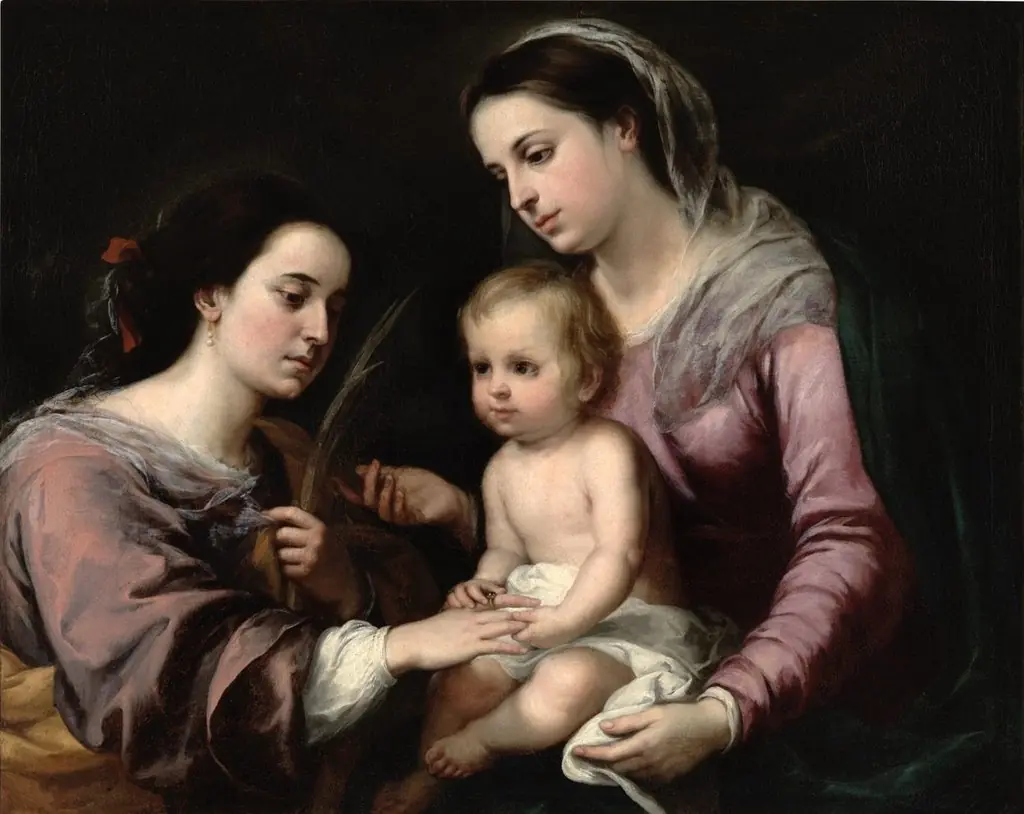 The Mystical Marriage of Saint Catherine
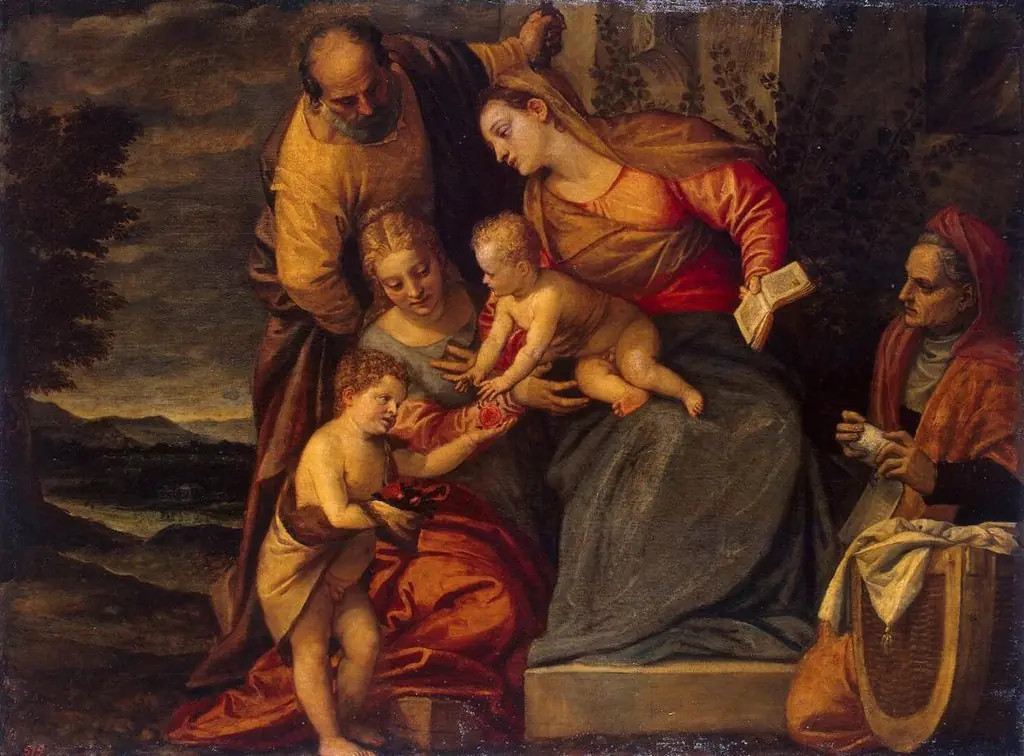 Holy Family with Sts Catherine, Anne and John
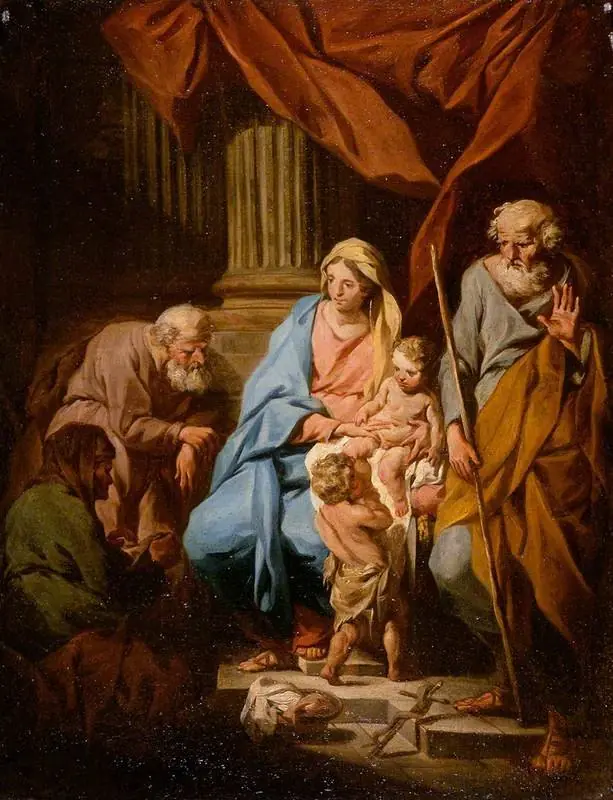 The Holy Family with Saints Elisabeth and Zaccharias and the Infant Saint John
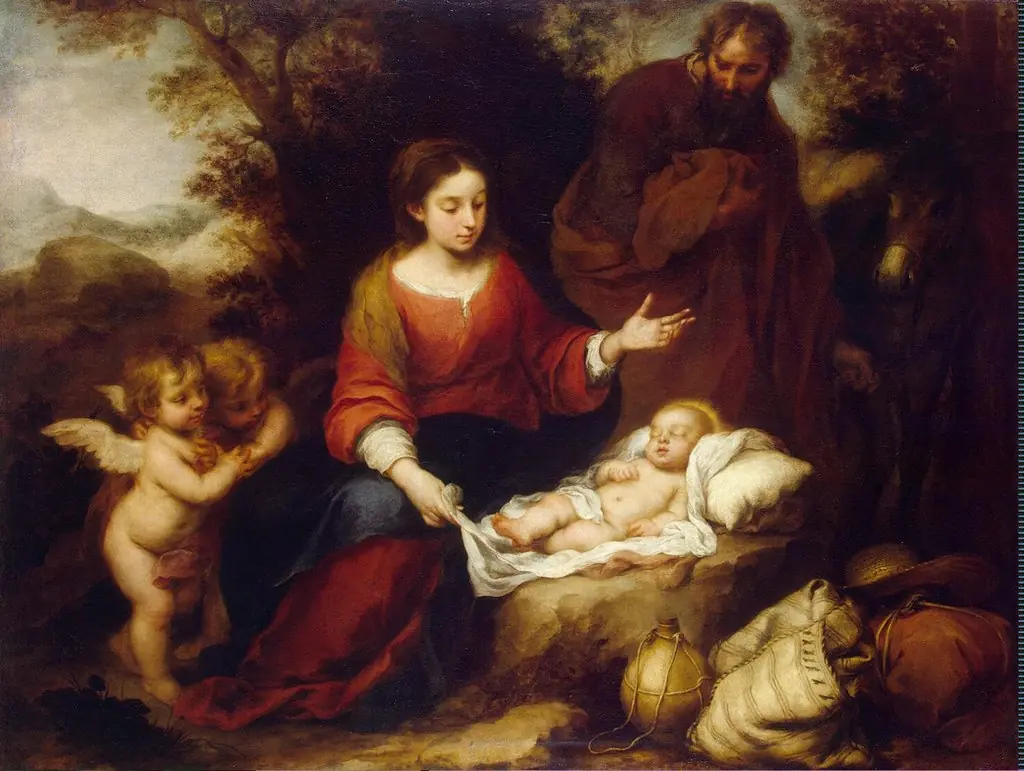 Rest on the Flight into Egypt
 The Holy Family with Saint John