Artwork
Copy after Christ and Disciples at Emmaus, Fra Bartolomeo in the Convent of San Marco (Florence)
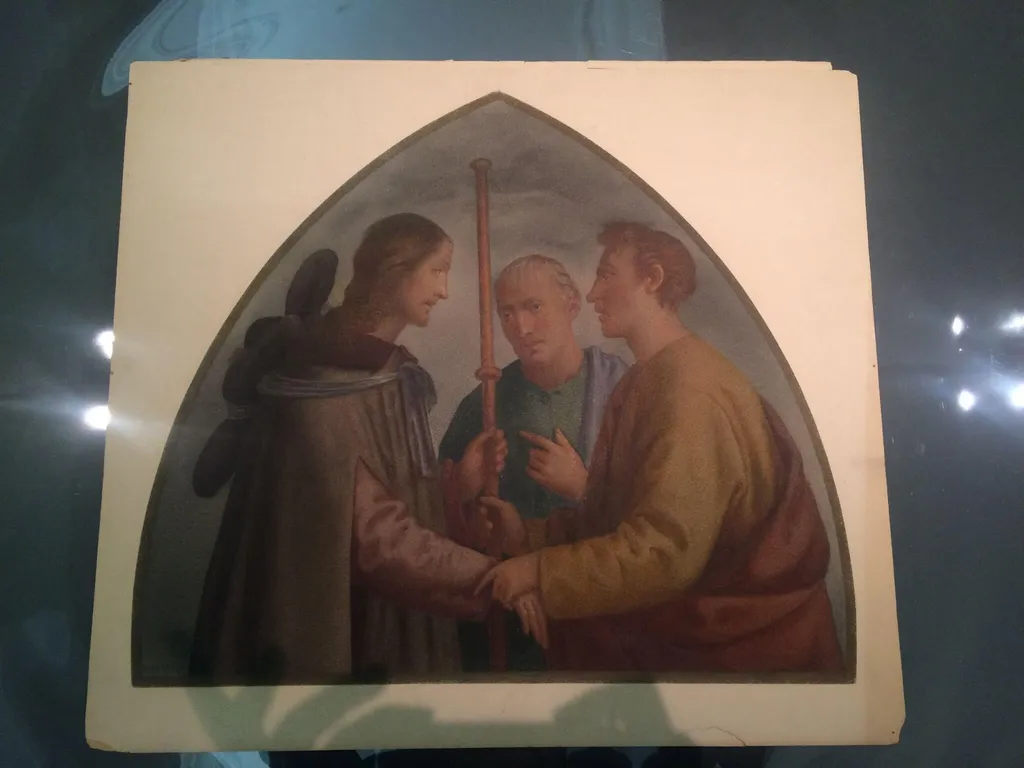
Copy after Christ and Disciples at Emmaus, Fra Bartolomeo in the Convent of San Marco (Florence) is a watercolor work on paper by Bartolommeo Frà. It dates from 1850 and is held in the collection of the Victoria and Albert Museum.
About this work
Overview
This watercolor, executed by Eduard Kaiser (1820‑1895), reproduces the frescoes by Fra Bartolomeo that once adorned the Convent of San Marco in Florence. Created for the Arundel Society, the work was intended to disseminate knowledge of Renaissance art through printed reproductions, and it appeared as a chromolithograph in 1870 (Museum no. 24145).
Subject & Meaning
The original frescoes depict the biblical scene of Christ and the disciples at Emmaus, a moment of revelation and recognition that was a popular devotional theme in Renaissance religious art. Fra Bartolomeo’s composition emphasizes the narrative’s emotional intimacy, inviting contemplation of the miracle of recognition.
Technique & Style
Kaiser’s watercolor translates the fresco’s color palette and compositional structure into a portable medium, preserving the delicate modeling and chiaroscuro characteristic of Fra Bartolomeo’s work. The original fresco combined Florentine draftsmanship with the richer coloration Fra Bartolomeo absorbed during his later years in Venice, a synthesis reflected in the watercolor’s balanced tones.
History & Provenance
Fra Bartolomeo, a Dominican friar and follower of Savonarola, painted the San Marco frescoes after joining the order in 1500.
Fra Bartolomeo, a Dominican friar and follower of Savonarola, painted the San Marco frescoes after joining the order in 1500. The frescoes were later documented by Kaiser, whose copy was commissioned by the Arundel Society, an organization founded in 1848 to promote art education through reproductions. The watercolor entered the museum collection as part of the society’s 19th‑century publishing program.
Context
In the mid‑19th century, the Arundel Society played a key role in reviving interest in Italian Old Masters and earlier ‘primitive’ art. By reproducing works like Fra Bartolomeo’s Emmaus scene, the society helped integrate Renaissance visual culture into broader scholarly and public awareness during a period of growing historicist appreciation.
Artist & collection
Artist
This artist made watercolor copies of famous paintings from the 15th-century Florentine tradition.

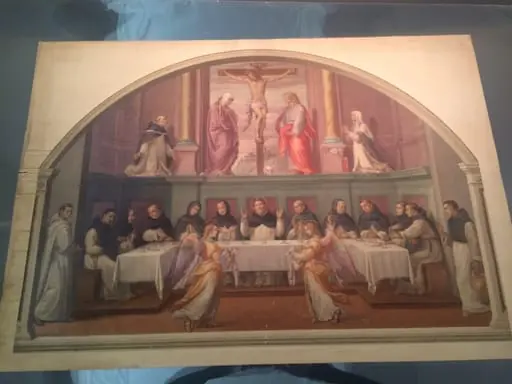 Watercolour, copy after Supper of St Dominic and Crucifixion with Saints, Giovanni Antonio Sogliani in the Convent of San Marco (Florence)
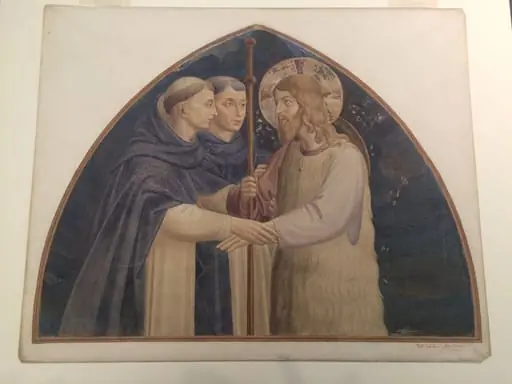 Copy after the fresco Christ as pilgrim received by two Dominicans, Fra Angelico in the Museo di San Marco (Florence).
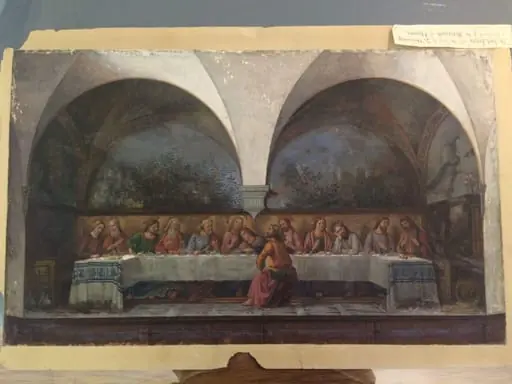 Copy after The Last Supper, Domenico Ghirlandaio in the Chiesa di Ognissanti (Florence)
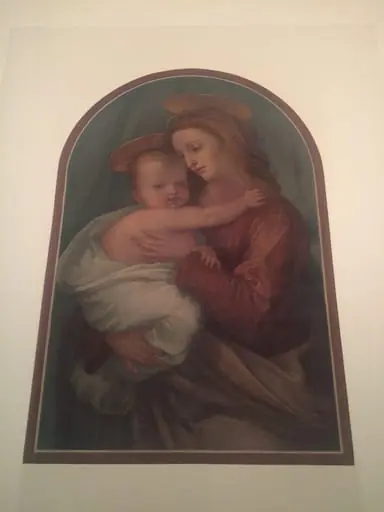 Copy after <i>Virgin and Child</i>, Fra Bartolomeo in the Convent of San Marco (Florence)
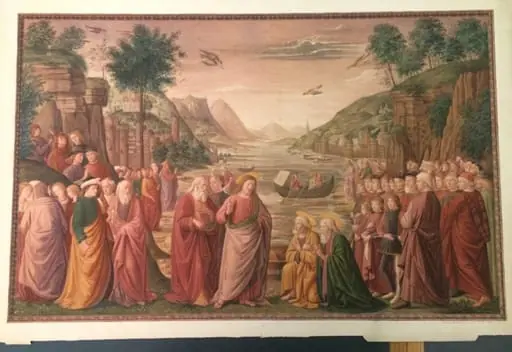 Copy after Calling of the Apostoles, Domenico Ghirlandaio in the Sistine Chapel, Vatican (Rome)
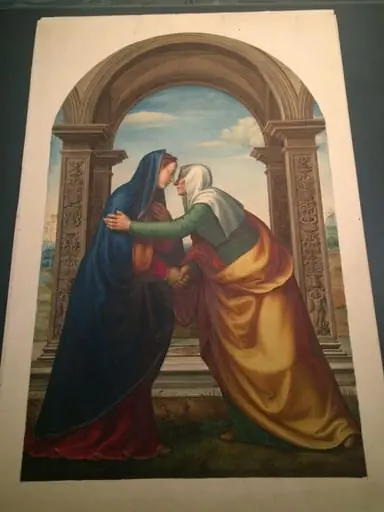 Copy after The Visitation (The meeting of Mary and Elizabeth), Mariotto Albertinelli in the Uffizi (Florence)
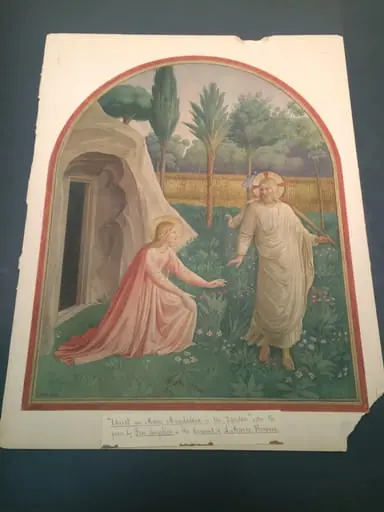 Copy after Christ and Mary Magdalene in the Garden, Fra Angelico in the Museo di San Marco (Florence)
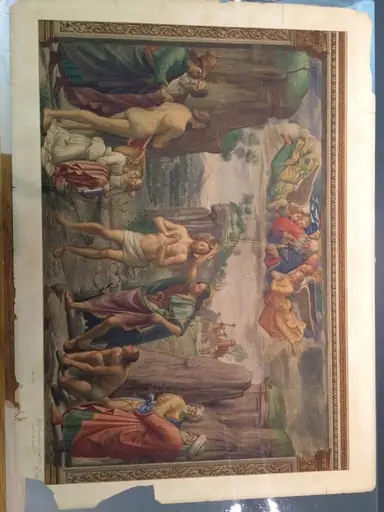 Watercolour, copy after the Baptism of Christ, Domenico Ghirlandaio in the Tornabuoni Chapel, Santa Maria Novella (Florence)
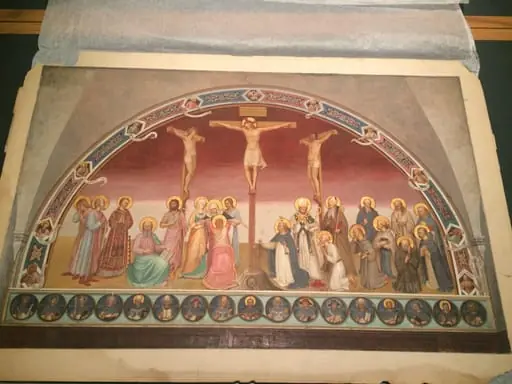 Copy after The Crucifixion, Fra Angelico in the Museo di San Marco (Florence)
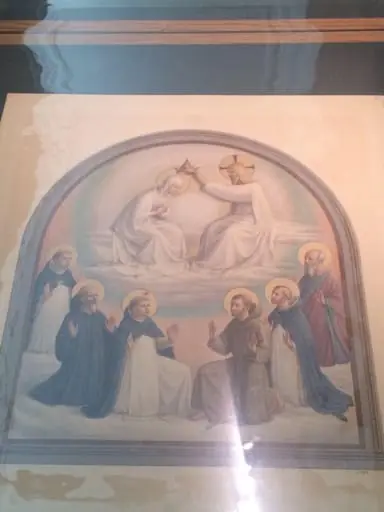 Copy after The Coronation of the Virgin, Fra Angelico in the Convent of San Marco (Florence)
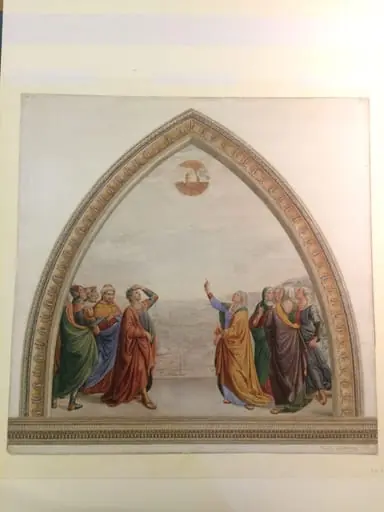 Copy after The meeting of Augustus and the Sibyl, Domenico Ghirlandaio in the Sassetti Chapel, Chiesa di Santa Trinita (Florence)
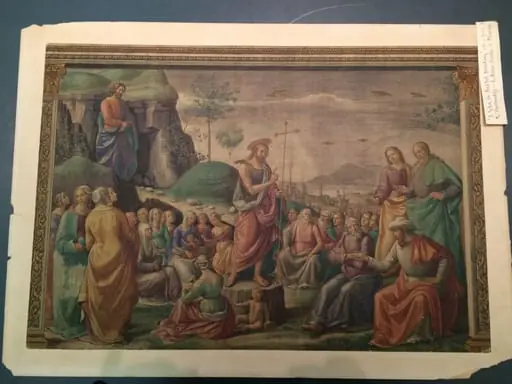 Copy after the Preaching of St. John the Baptist, Domenico Ghirlandaio in the Tornabuoni Chapel, Santa Maria Novella (Florence)
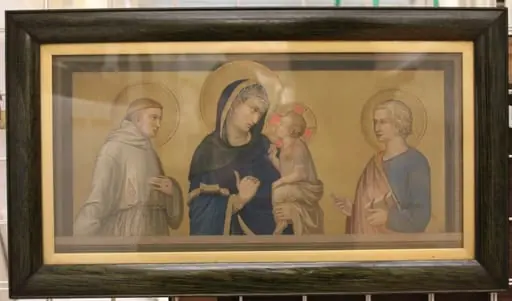 Virgin and Child with St John and St Francis
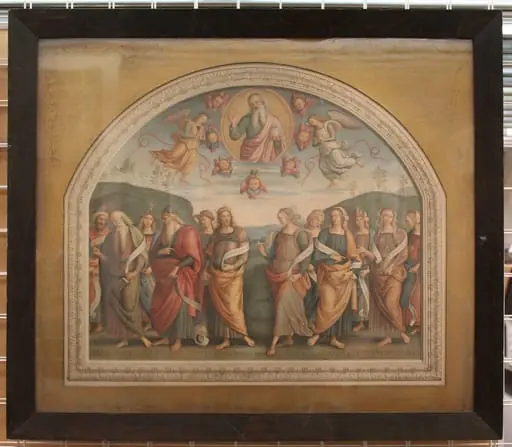 Prophets and Sibyls
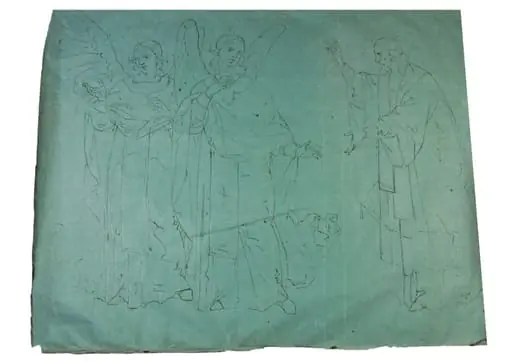 Liturghia îngerilor - scenă religioasă
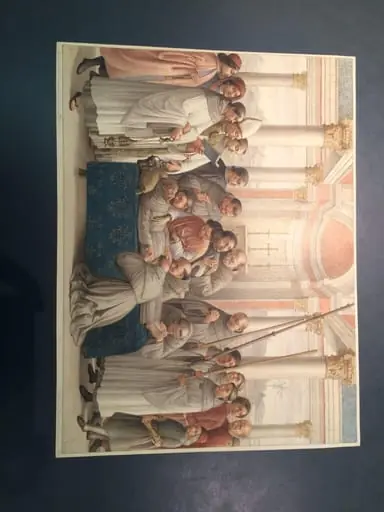 Copy after the Death of St Francis, Domenico Ghirlandaio in the Sassetti Chapel, Chiesa di Santa Trinita (Florence)
 Getsemanen rukous, Kymin kirkon alttaritaulun luonnos
 Pinnacle with Angel