Artwork
Harlequin as a Painter
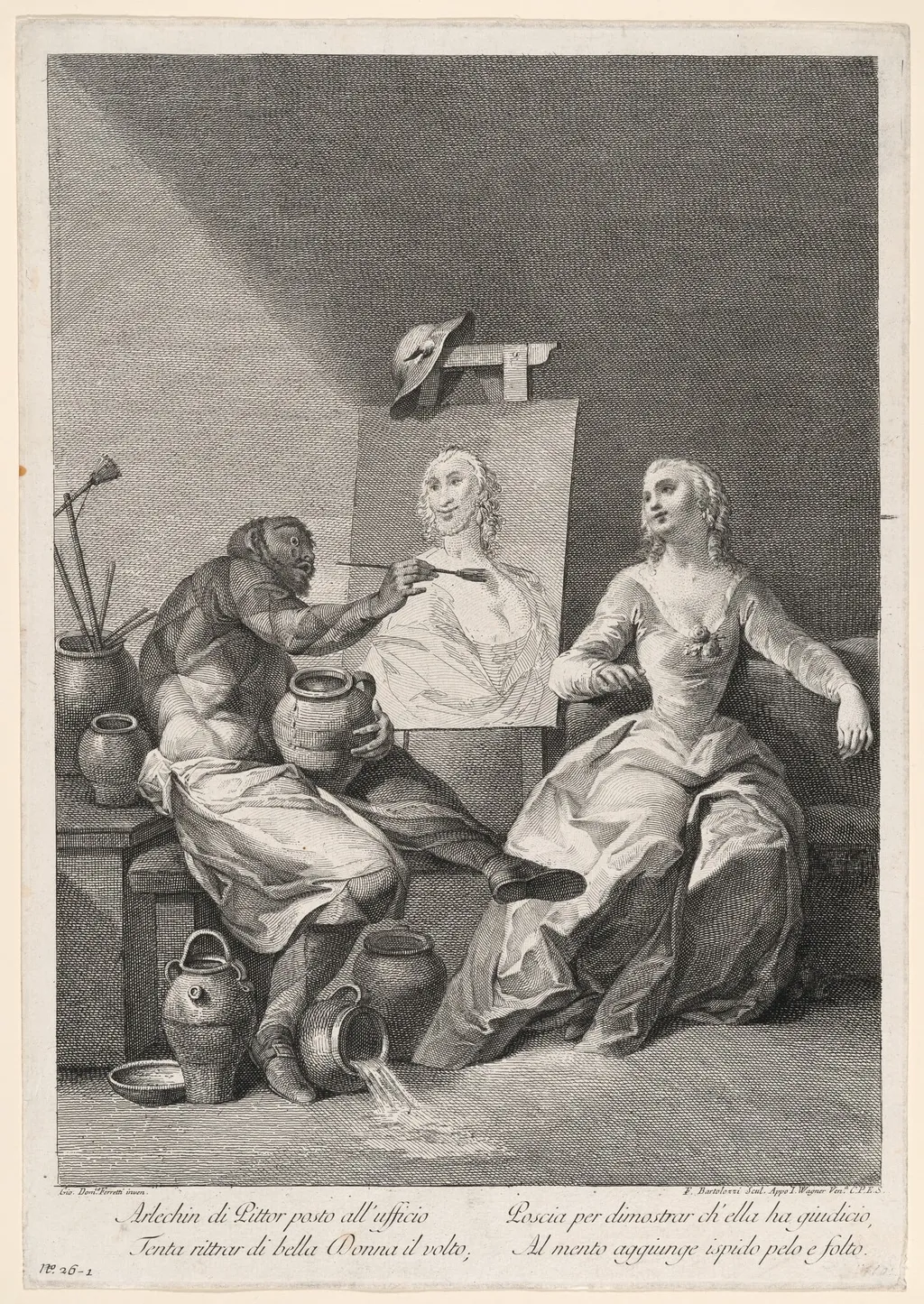
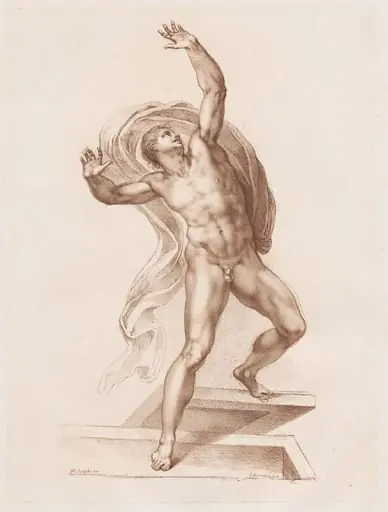
Harlequin as a Painter is an ink print by the Romanticist artist Francesco Bartolozzi. It dates from 1760 and is held in the collection of the National Gallery of Art.
About this work
Overview
Created in 1760, *Harlequin as a Painter* is a print executed by Francesco Bartolozzi, an Italian engraver who spent the bulk of his career in London. The work combines etching and engraving on laid paper, reflecting the artist’s skill in the “crayon” engraving technique that he helped popularise in mid‑eighteenth‑century England.
Subject & Meaning
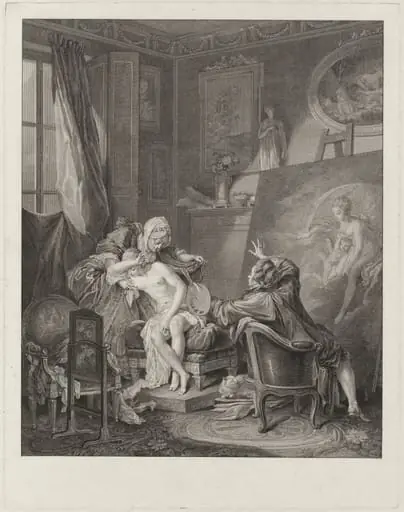
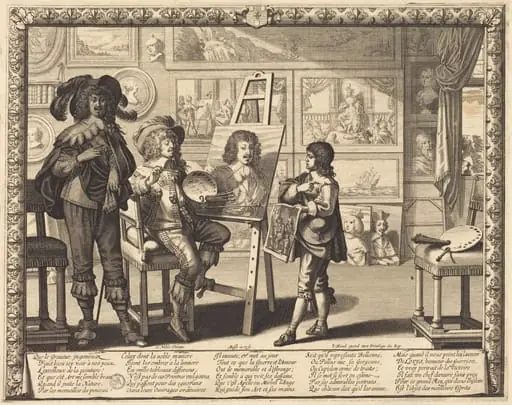
The image presents a figure dressed in a traditional harlequin costume, poised with a palette and brushes as if preparing to paint.
The image presents a figure dressed in a traditional harlequin costume, poised with a palette and brushes as if preparing to paint. Opposite him sits a woman in a long gown with an up‑do hairstyle, serving as the sitter for a portrait. The juxtaposition of a theatrical performer assuming the role of an artist suggests a playful commentary on the fluid boundaries between performance and visual creation.
Technique & Style
Bartolozzi employed both etching and engraving, allowing for fine line work and tonal variation characteristic of his “crayon” method, which imitates the texture of chalk drawing. The use of laid paper provides a subtle ribbed surface that enhances the depth of the printed lines, while the careful rendering of costume details and facial expressions demonstrates the engraver’s meticulous approach.
History & Provenance
Produced during the period when Bartolozzi was establishing his reputation in England, the print reflects his integration into the British art market. Though originally issued in the 1760s, copies have circulated among collectors of eighteenth‑century prints and are now held in several museum collections, documenting the artist’s influence on printmaking practices of his time.
Artist & collection
Artist
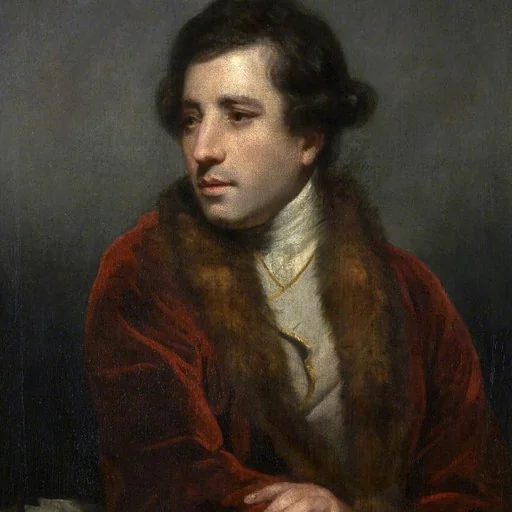
Francesco Bartolozzi (21 September 1727 – 7 March 1815) was an Italian engraver, whose most productive period was spent in London. He is noted for popularizing the "crayon" method of engraving.