Artwork
Skeleton
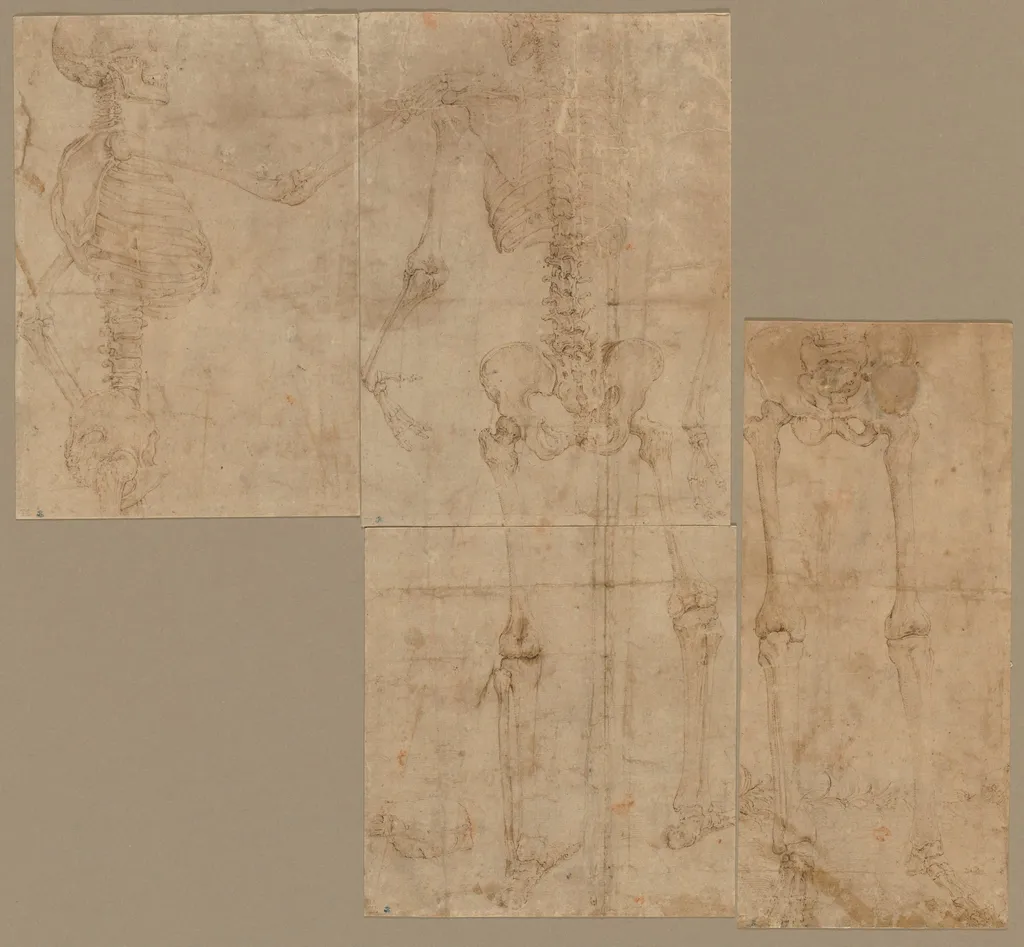
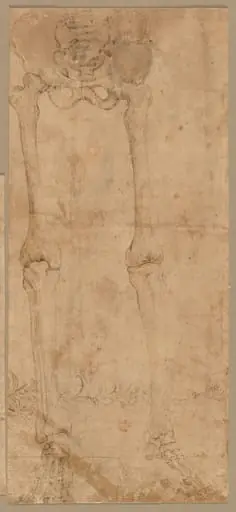
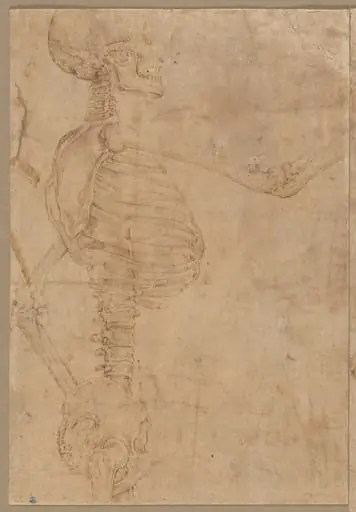
Skeleton is a drawing by the Renaissance artist Battista Franco Veneziano. It dates from 1544 and is held in the collection of the Cleveland Museum of Art.
About this work
Michelangelo helped change that by studying real bodies during dissections.
This painting shows a bony skeleton standing on a plank. The bones look real. The background is plain.
It’s one of only a few skeleton drawings from this time. Before this, artists rarely showed skeletons so clearly. Michelangelo helped change that by studying real bodies during dissections.
This work makes you wonder how artists learned anatomy. Look next at Battista Franco (Italian, c. 1510–1561).
Overview
Battista Franco's 'Skeleton' is a rare, anatomically precise drawing of a standing skeleton on a plank, set against a plain background, reflecting the burgeoning interest in human anatomy during the Renaissance.
Subject & Meaning
The work highlights the growing fascination with the human body's interior, spurred by artists like Michelangelo who pioneered the use of dissection for artistic accuracy, leading to a more macabre yet informed approach to depicting the human form.
Technique & Style
The drawing's realism and accuracy in portraying the skeleton suggest Franco's adherence to the newfound emphasis on anatomical study, distinguishing it from the less detailed representations common before this period.
History & Provenance
Created in the mid-16th century, this drawing is one of the few of its kind from that time, indicating Franco's early adoption of anatomical precision inspired by the artistic innovations of his contemporaries.
Context
The piece contextualizes the shift in artistic practice influenced by Michelangelo's example of attending human dissections, marking a turning point in how artists approached the study of the human body for their work.
Artist & collection
Artist
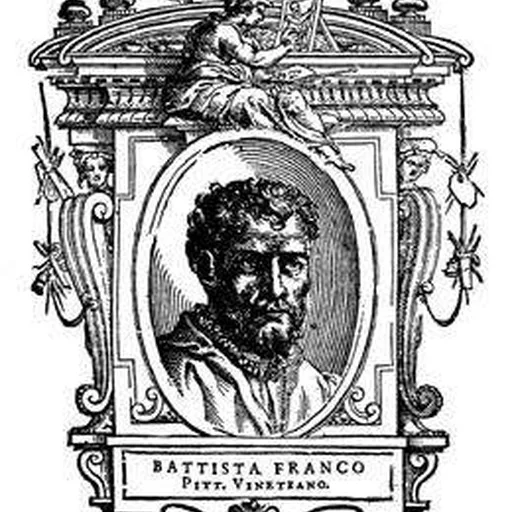
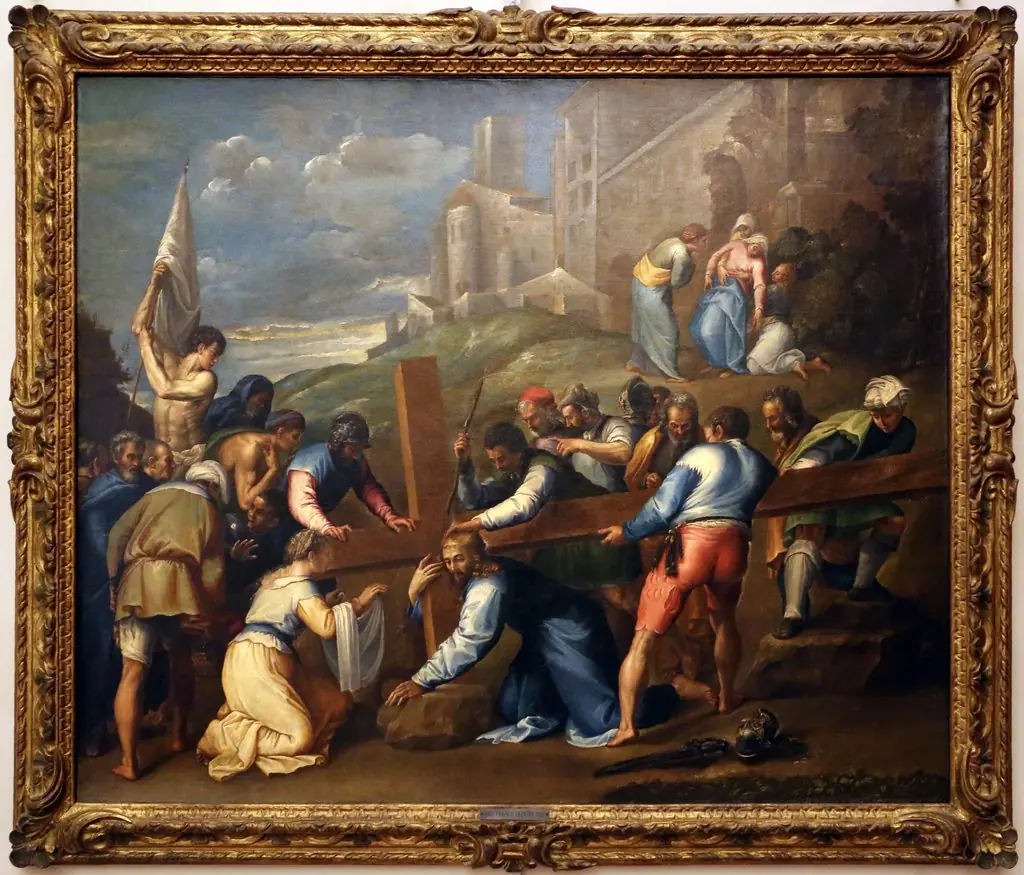
Battista Franco Veneziano (c. 1510 - 1561), baptized Giovanni Battista Franco, was an Italian Mannerist painter and printmaker in etching active in Rome, Urbino, and Venice in the mid 16th century. He is also known as…

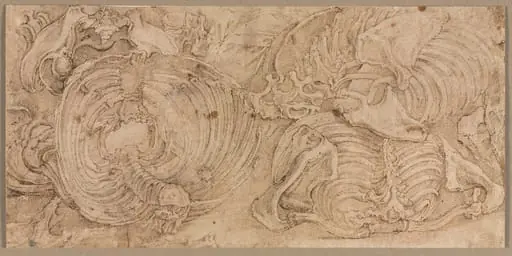
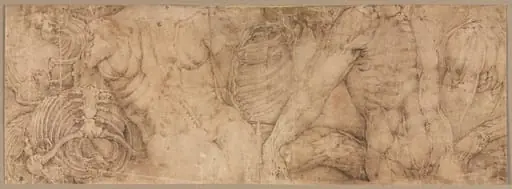 Torsos with Rib Cages
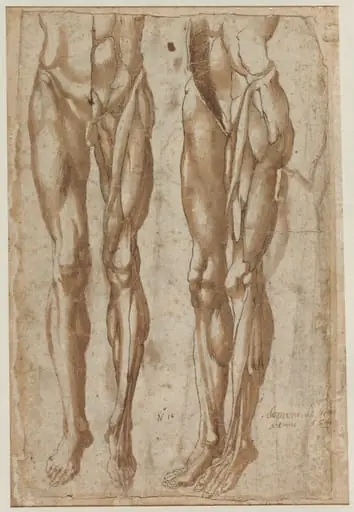 Two Studies of a Flayed Man (recto)
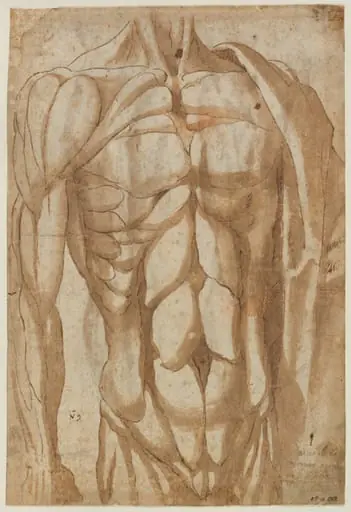 Study of a Flayed Torso (verso)
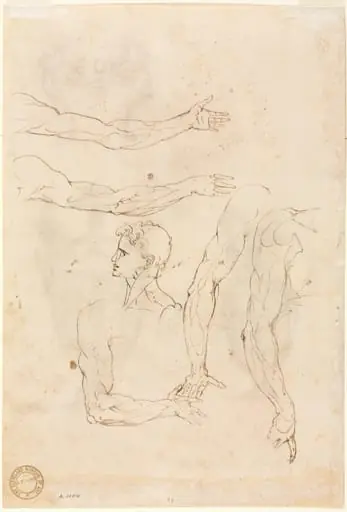 Sketches of Five Arms and a Head (verso)
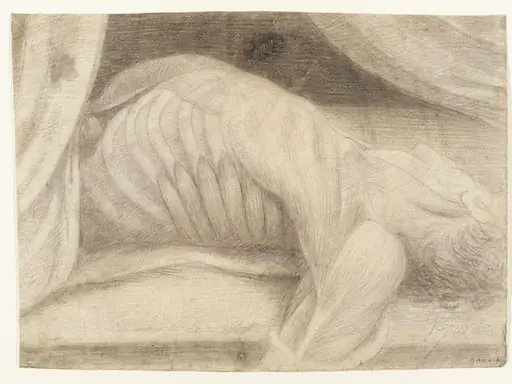 Half-length anatomical study of a man, drawn from a dissected corpse
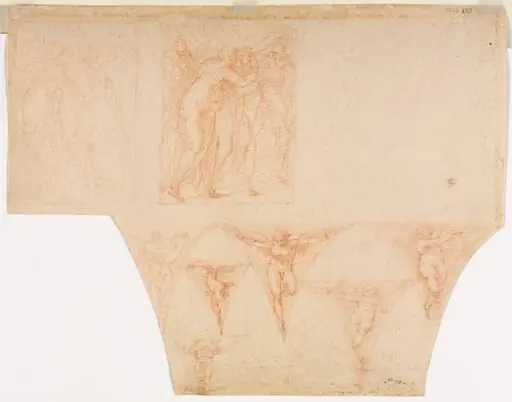 Studies for Christ Meeting His Mother on the Road to Calvary, Studies of an Angel in a Pendentive (verso)