Artwork
Isaac Oliver, Miniature Painter
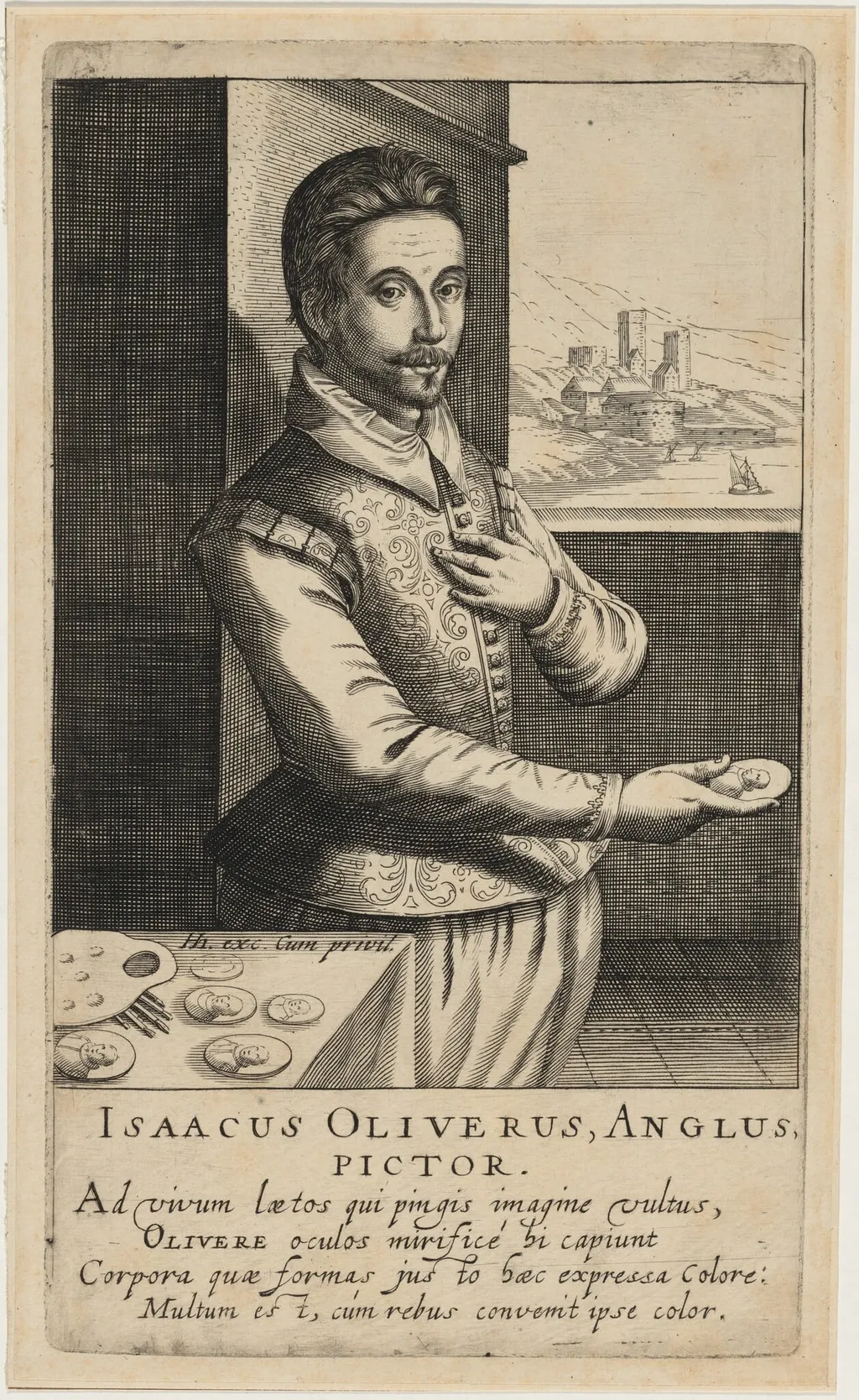
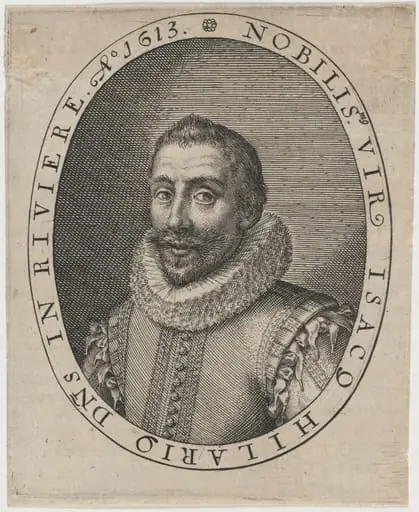
Isaac Oliver, Miniature Painter is an ink print by the Baroque artist Robert de Baudous. It dates from 1610 and is held in the collection of the National Gallery of Art.
About this work
Overview
This 1610 engraving by Robert de Baudous depicts Isaac Oliver, a noted English miniaturist, portrayed in profile with tools of his trade.
This 1610 engraving by Robert de Baudous depicts Isaac Oliver, a noted English miniaturist, portrayed in profile with tools of his trade. Rendered in fine, dark lines, the image emphasizes his focused expression and elaborate attire. The composition includes symbolic elements—brush, palette, scissors—arranged to reflect his meticulous craft. A faint background scene of a castle and ships hints at the miniature subjects he often rendered. The print serves as a portrait and a professional identifier, common in early modern print culture.
Subject & Meaning
Isaac Oliver is shown not as a nobleman but as a skilled artisan, distinguished by his refined clothing and the precision of his tools. The inclusion of miniature landscape elements in the background alludes to his specialty in small-scale portraiture and decorative scenes. The engraving positions him as a master of detail, reinforcing his reputation in a period when such work was highly valued at court. His gaze, directed outward, suggests engagement with the viewer, bridging artist and audience.
Technique & Style
De Baudous employed fine-line engraving to achieve sharp contrasts between light and shadow, accentuating Oliver’s facial features and the texture of his ruffled collar. The delicate rendering of tools and background elements demonstrates the precision required in printmaking to convey miniature artistry. The composition is tightly controlled, with no extraneous detail, mirroring the discipline of Oliver’s own work. The style reflects Northern European engraving traditions of the early 17th century.
History & Provenance
Created in 1610, the engraving likely circulated among artists, collectors, and court circles to document Oliver’s prominence as a miniaturist to Queen Elizabeth I and later James I. No earlier or later versions are known, suggesting it was a singular commission or publication. Its survival indicates sustained interest in the artist’s identity, though its original context—whether as a book illustration or standalone print—remains uncertain.
Context
In early 17th-century England, miniature portraiture flourished as a luxury art form, often used for personal or diplomatic gifts. Oliver was among the leading practitioners, trained in the French tradition but active in London. Engravings like this one helped disseminate the image of the artist as a refined professional, aligning visual art with intellectual and courtly status during a time when painters were increasingly recognized beyond mere craftsmen.
Legacy
Though Oliver’s original miniatures survive in major collections, this engraving remains one of the few contemporary visual records of his appearance and professional persona. It influenced later depictions of artists in print and contributed to the emerging genre of artist portraiture. The image endures as a quiet testament to the quiet dignity of craft in an era when artistic identity was beginning to be formally acknowledged.
Artist & collection

 Robert Cecil, First Earl of Salisbury
 Frederick Christian III, King of Denmark and Norway
 Philip Galle
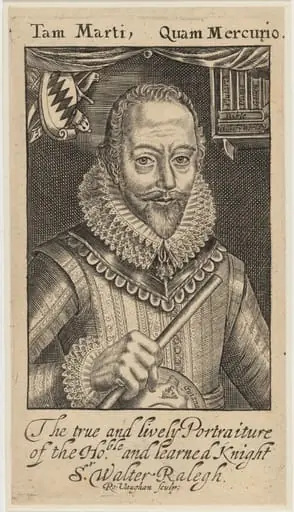 Sir Walter Raleigh
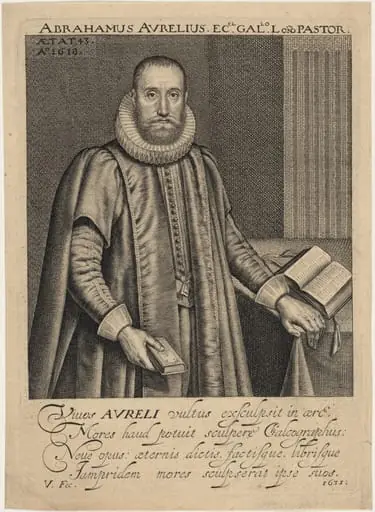 Abraham Aurelius, Minister of the French Church in London
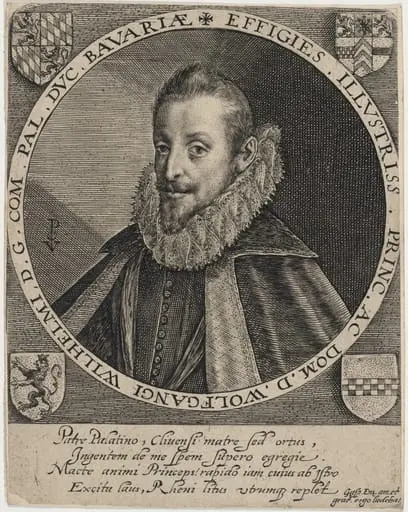 Wolfgang William, Count Palatine
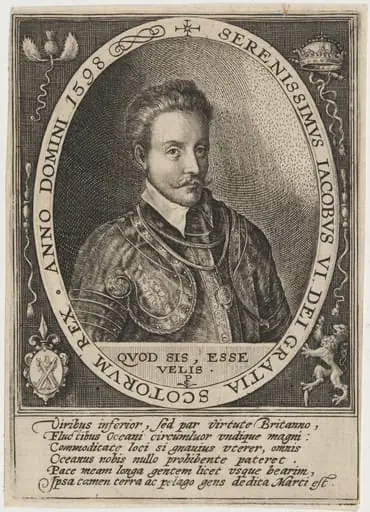 James I, as King of Scotland
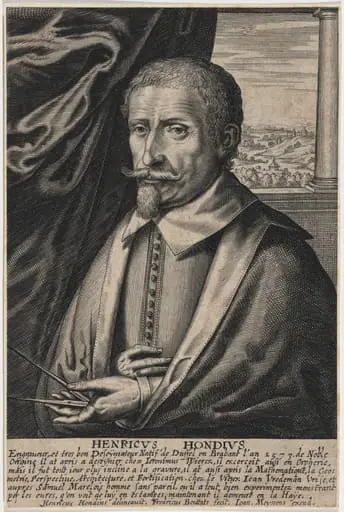 Hendrik Hondius
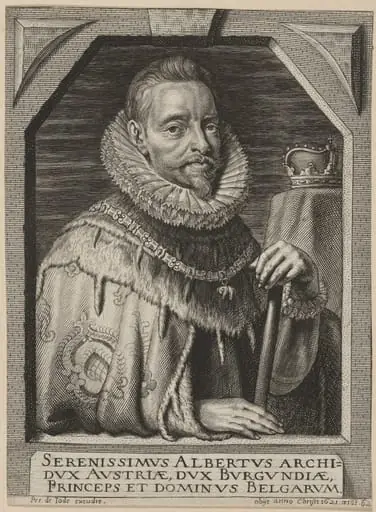 Albert VII, Archduke of Austria
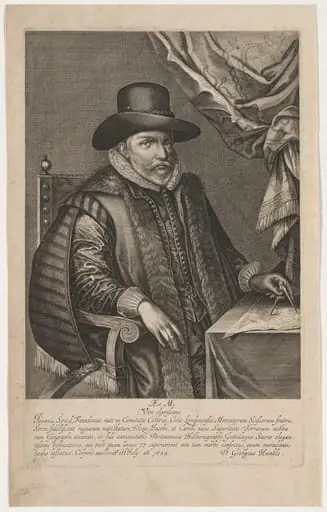 John Speed
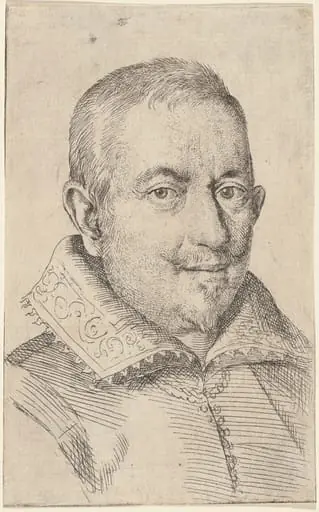 Portrait of a Middle-Aged Man
 Isaac Hilary