Artwork
Untitled
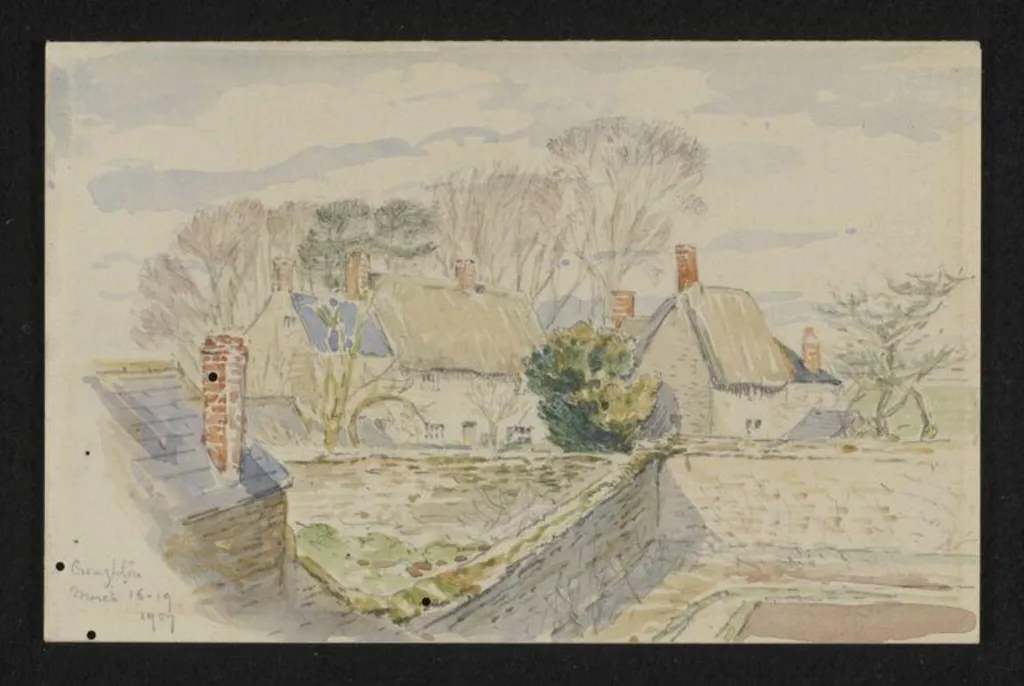
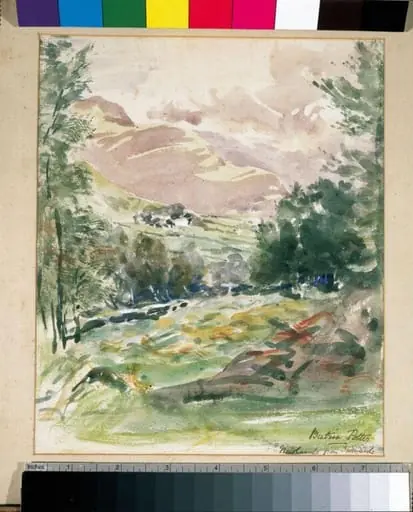
Untitled is a watercolor work on paper by Beatrix Potter. It dates from 10 and is held in the collection of the Victoria and Albert Museum. A delicate watercolour sketch from March 1907 captures a quiet rural scene with minimal detail and restrained tones.
About this work
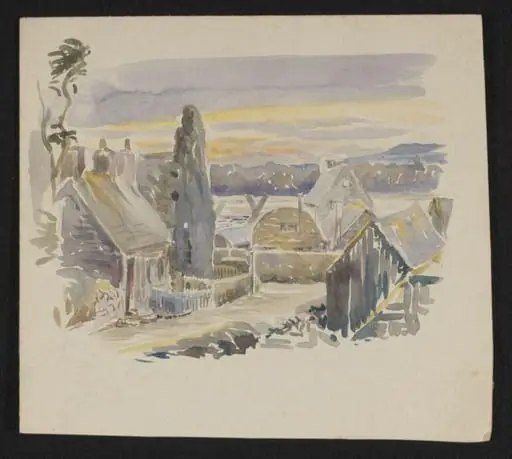
This sketch shows a quiet village scene with a few houses, bare trees, and a winding path.
This sketch shows a quiet village scene with a few houses, bare trees, and a winding path. The colors are soft—pale blues, grays, and earthy browns—with a light, sketchy style. In the foreground, there’s a stone well and a small bridge over a dry ditch.
The artist used loose, quick brushstrokes, almost like a quick note of what they saw. The date on the paper reads March 1907, and the signature is small but clear.
If you like this style, check out more by Beatrix Potter.
Overview
A delicate watercolour sketch from March 1907 captures a quiet rural scene with minimal detail and restrained tones. Executed in loose, swift brushwork over pencil, it portrays modest cottages, bare trees, and low stone walls. A red brick chimney rises on the left, while a stone well and narrow bridge over a dry channel anchor the foreground. The palette favors pale blues, muted grays, and soft browns, suggesting early spring or late autumn.
Subject & Meaning
The scene presents an unembellished view of a village landscape, emphasizing stillness and solitude. There are no figures, only architectural and natural elements—cottages, trees, a well, and a bridge—hinting at daily life without narrative. The absence of movement or human presence lends the image a contemplative quality, as if recording a moment of quiet observation rather than telling a story.
Technique & Style
The artist employed a light, spontaneous technique, using thin washes and minimal pigment to suggest form rather than define it. Brushstrokes are swift and uneven, capturing texture through suggestion: the roughness of stone, the skeletal structure of trees, the flatness of a dry ditch. Pencil underdrawing remains visible in places, reinforcing the sketchlike immediacy of the work.
History & Provenance
The watercolour was part of the Linder Collection, assembled by Leslie Linder, and donated to the National Book League in 1970. From 1989 to 2019, it was held on long-term loan by the Victoria and Albert Museum. Its origin as a personal sketch, rather than a commissioned piece, suggests it was created for private observation, later preserved as part of a broader collection of illustrated works.
Context
Created in 1907, the work aligns with a period when amateur artists, particularly in England, documented rural life with watercolour. Its modest scale and informal style reflect a tradition of personal sketching, akin to the approach of Beatrix Potter, who similarly recorded landscapes with quiet precision. The date and signature imply the artist was attentive to place and time, even in fleeting impressions.
Legacy
Though unsigned by a widely recognized name, the work endures as an example of early 20th-century British watercolour sketching. Its inclusion in the Linder Collection ensured preservation and public access, offering insight into the quiet aesthetic preferences of its time. It stands as a quiet testament to the value placed on everyday landscapes by non-professional artists of the era.
Artist & collection
Artist
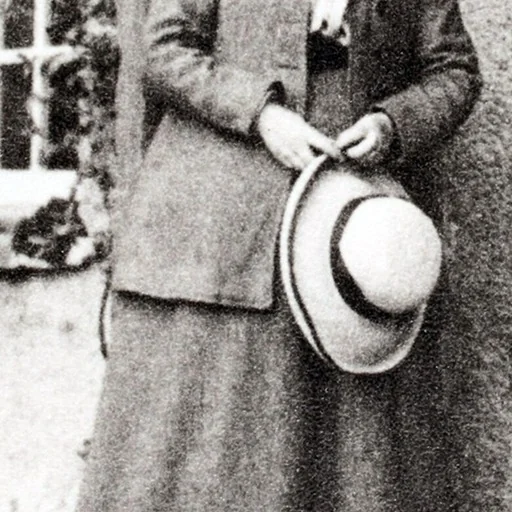
Helen Beatrix Heelis (née Potter; 28 July 1866 – 22 December 1943), usually known as Beatrix Potter ( BEE-ə-triks), was an English writer, illustrator, natural scientist, and conservationist.

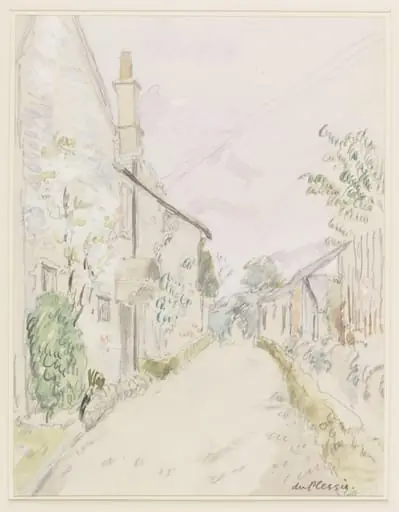 Warrens, Churchill
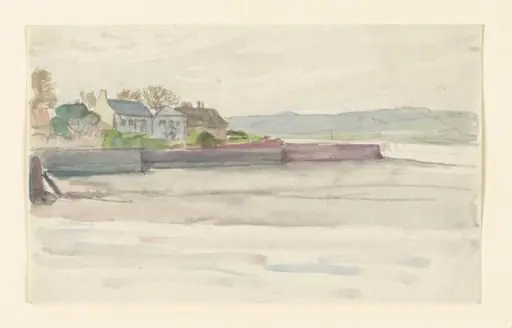 Shaldon, near Teignmouth
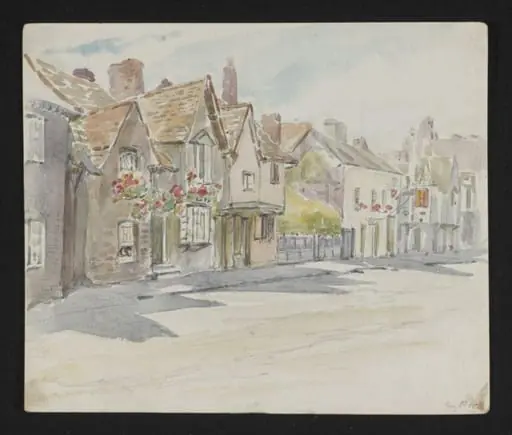 Untitled
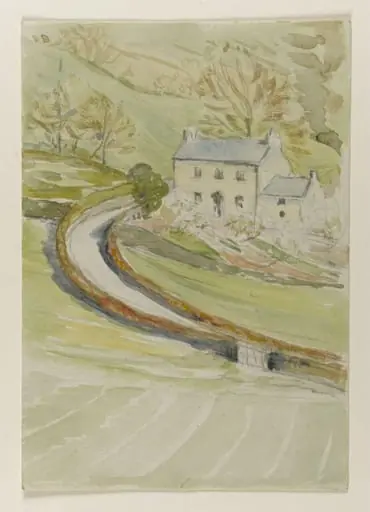 House in a steep-sided valley with a winding road
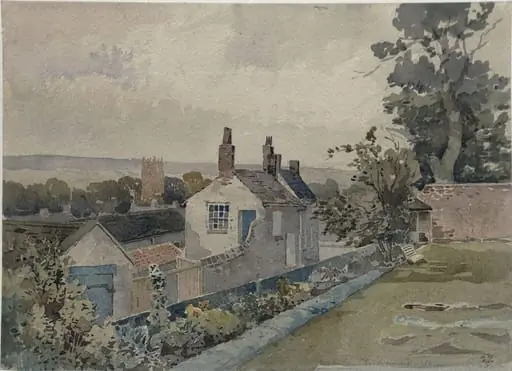 At Richmond, Yorkshire
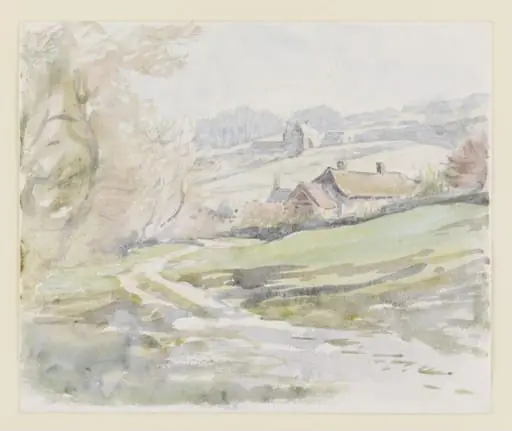 Landscape near Sidmouth, with cottages surrounded by fields and woods
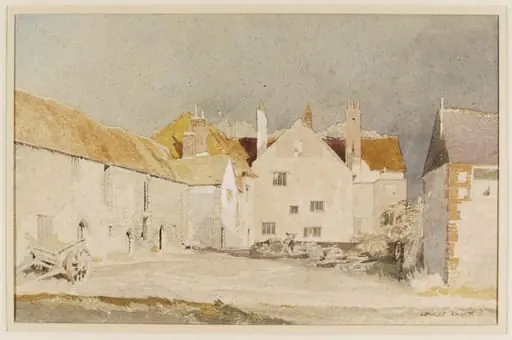 Hangleton Manor, near Brighton
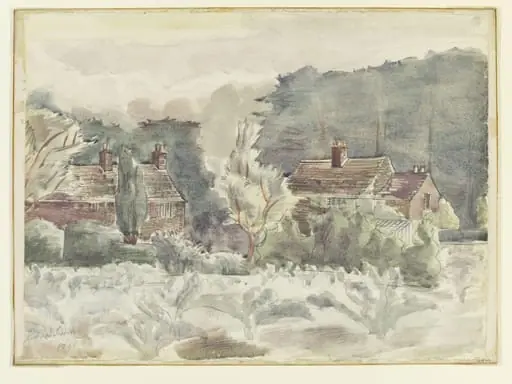 Cottages at Norton, No.5
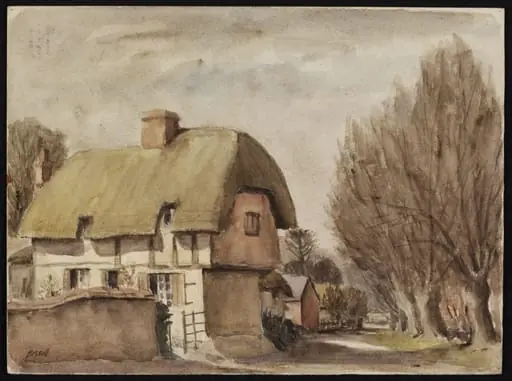 Old Cottage, Ibthorpe
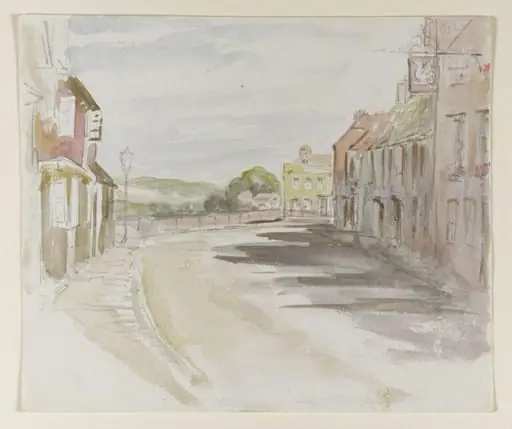 Bury St Edmunds
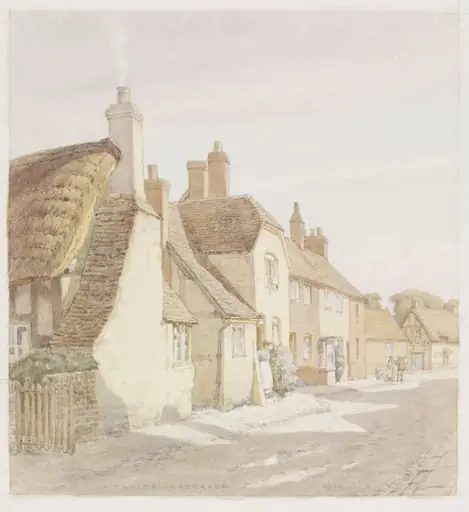 Old Cottages, Long Crendon
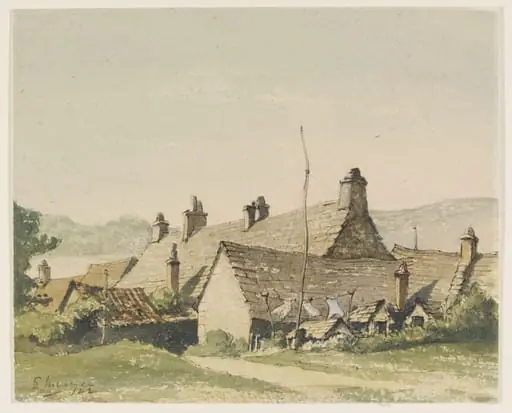 Cottages, Corfe