Artwork
The Mother
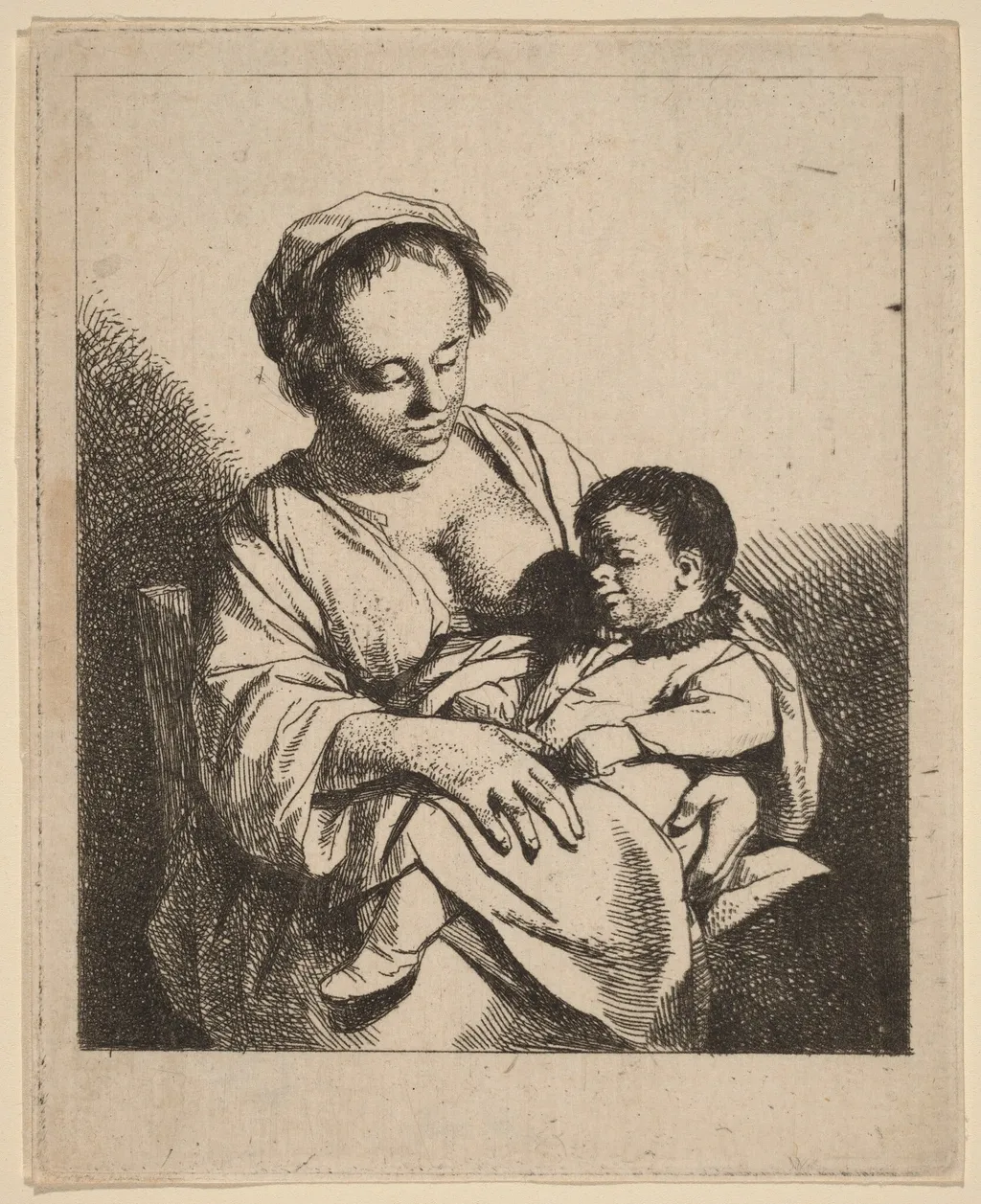
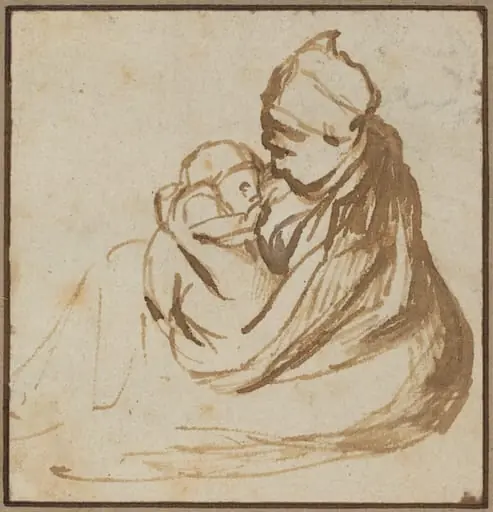
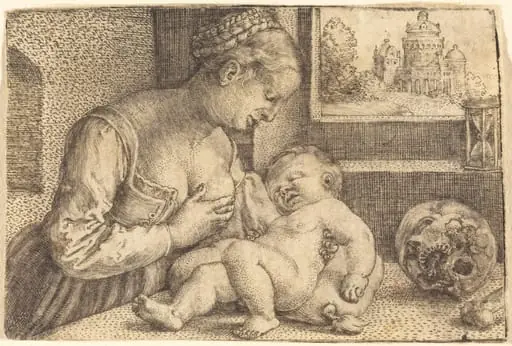
The Mother is an ink print by the Baroque artist Cornelis Pietersz Bega. It dates from 1648 and is held in the collection of the National Gallery of Art.
About this work
Overview
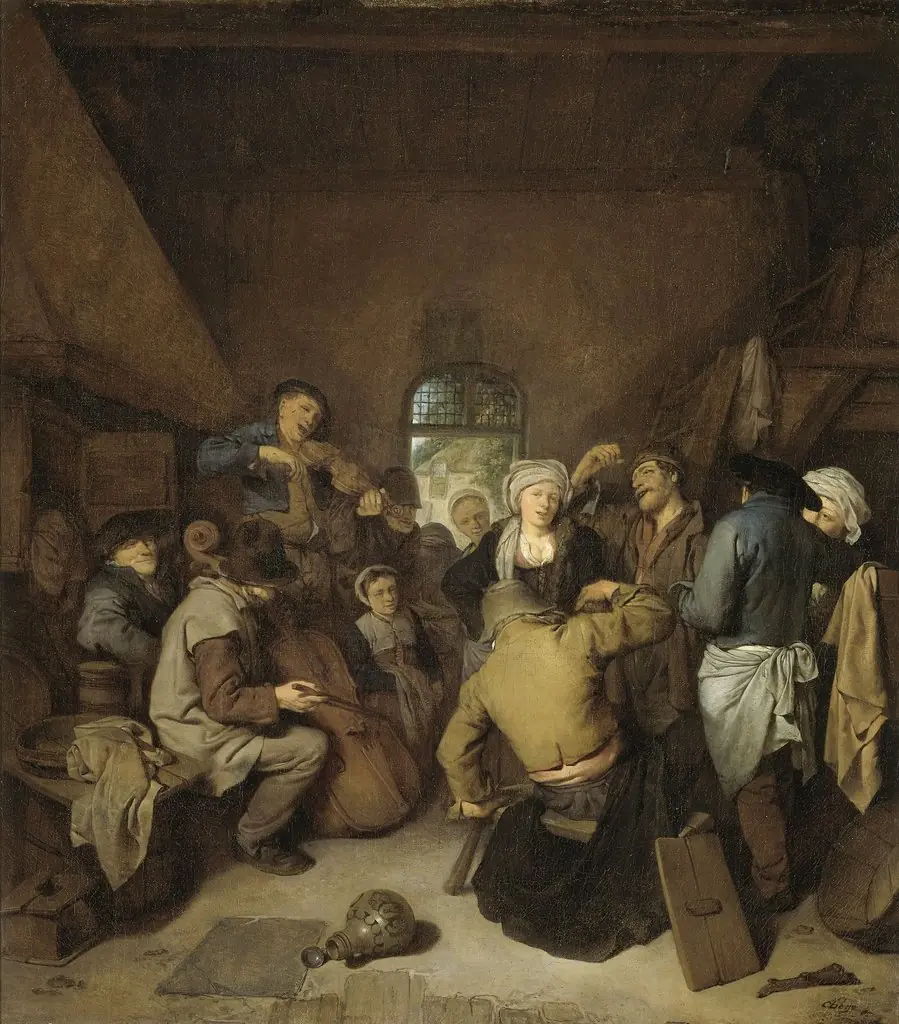
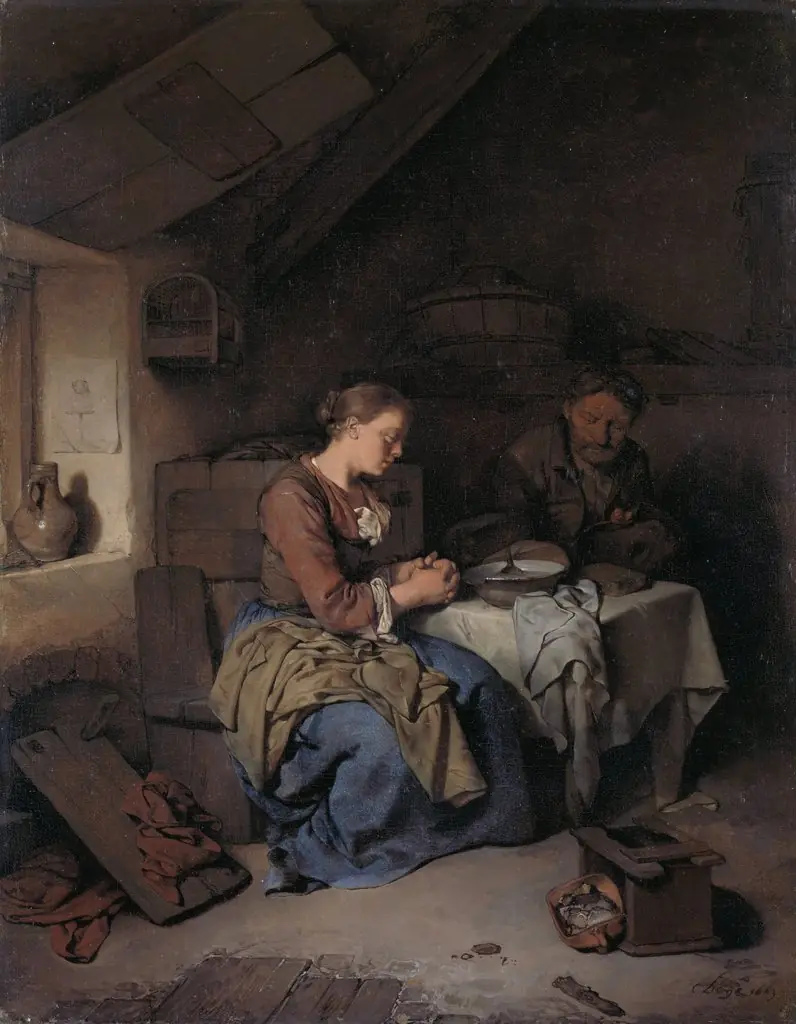
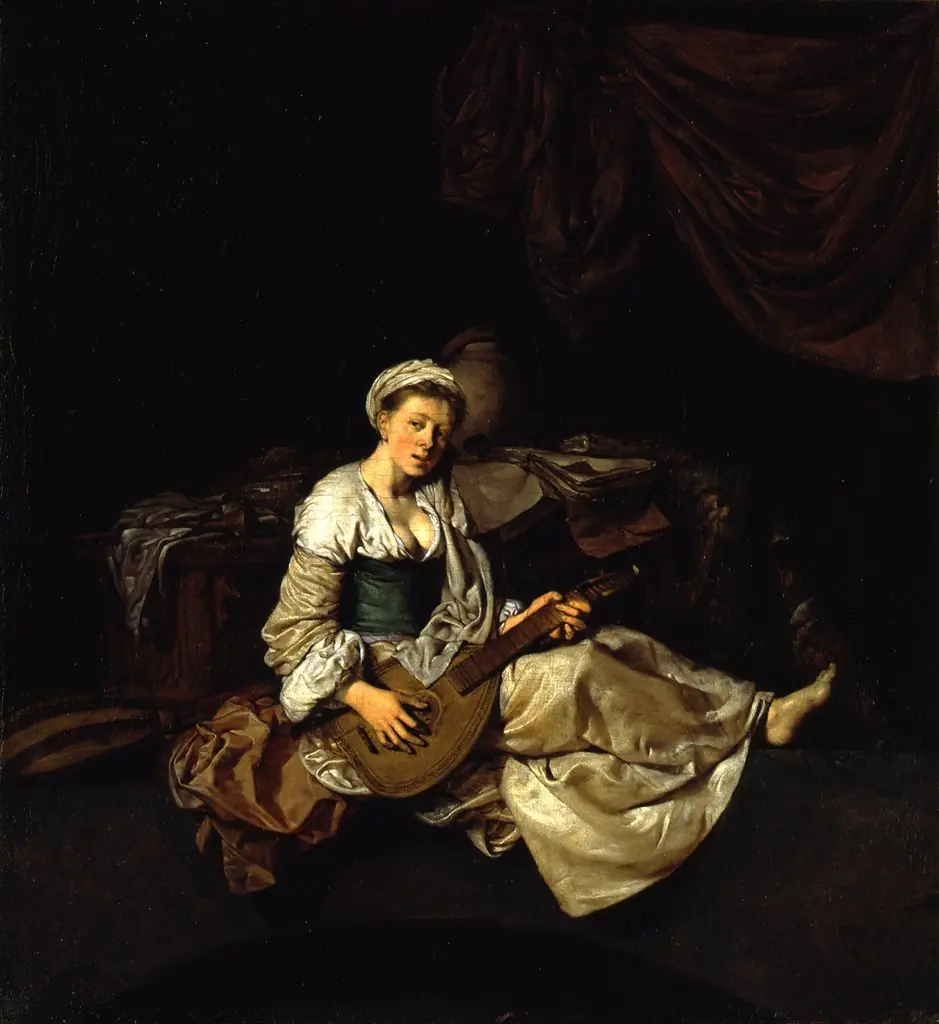
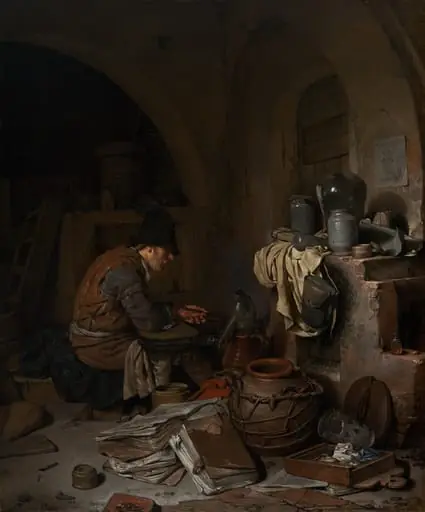
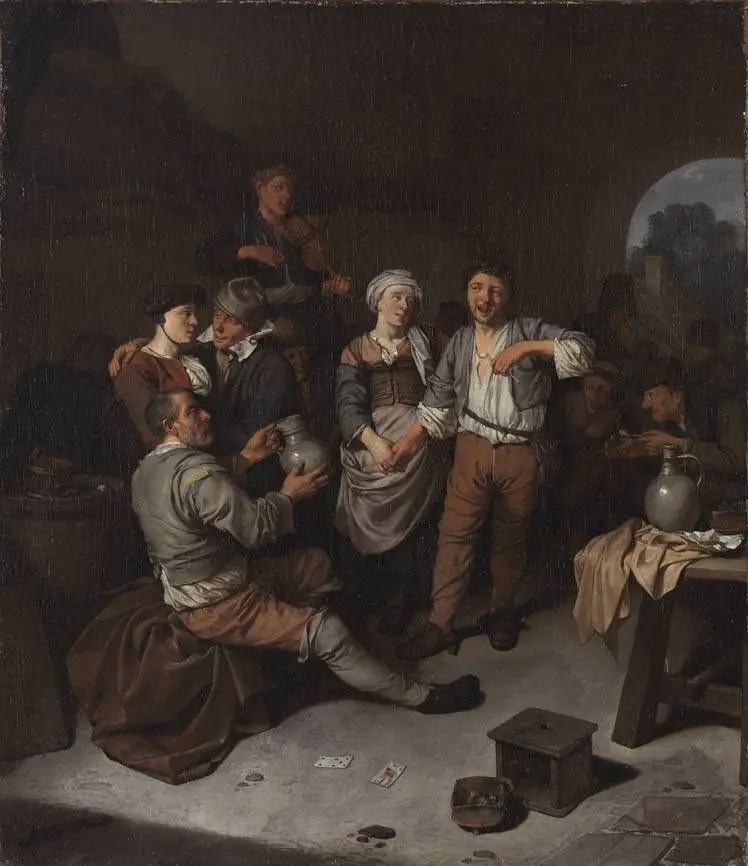
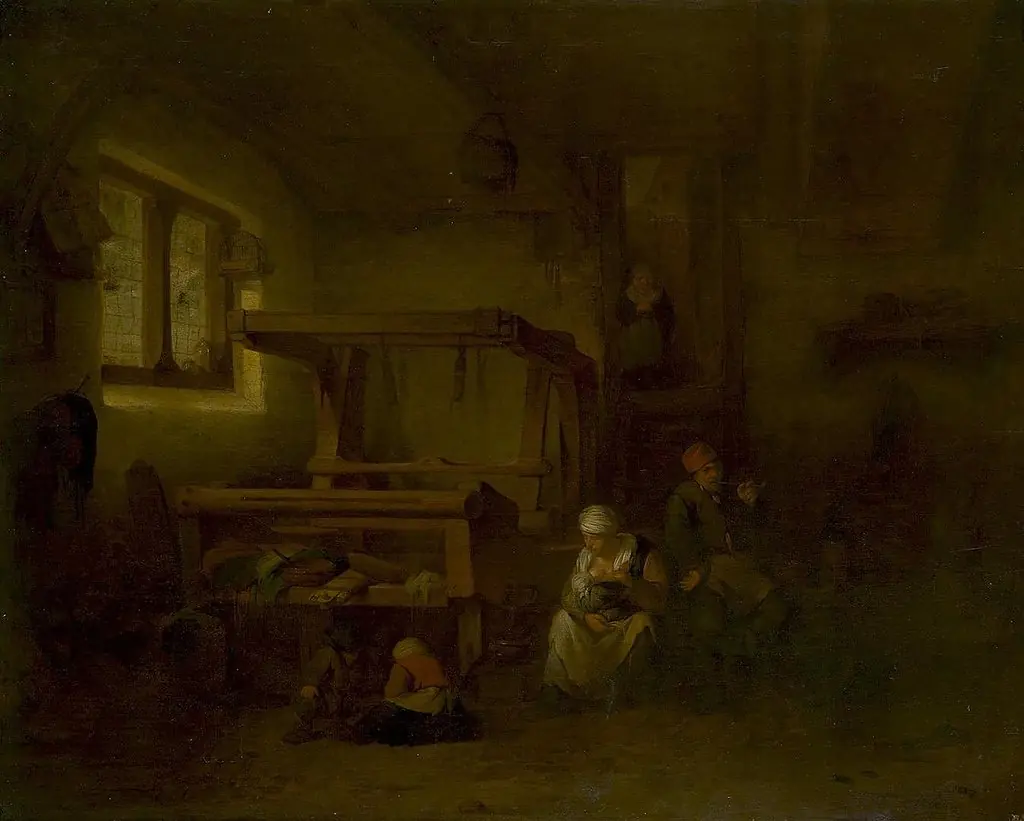
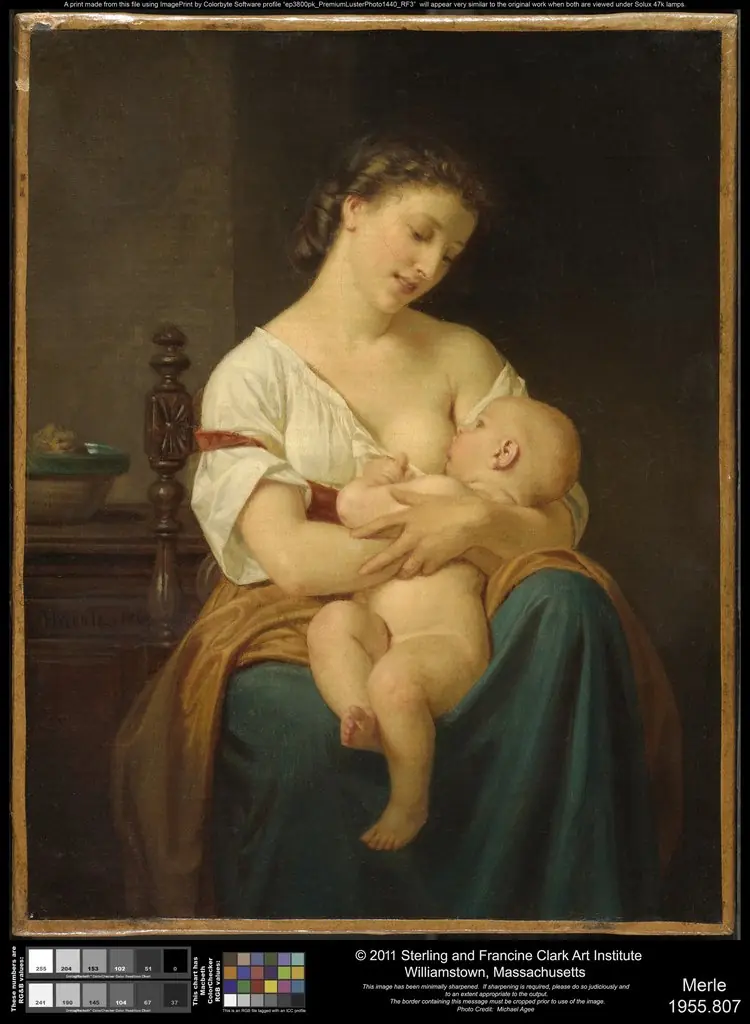
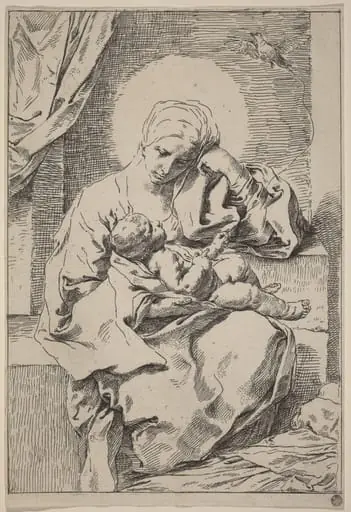
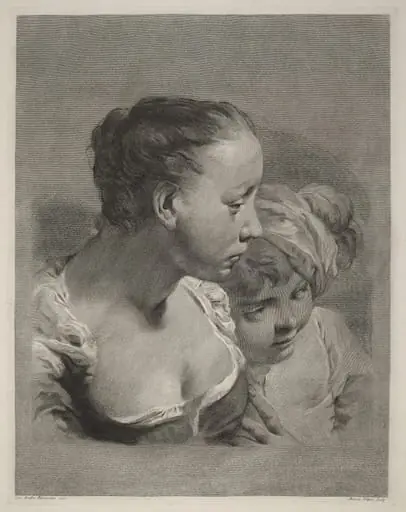
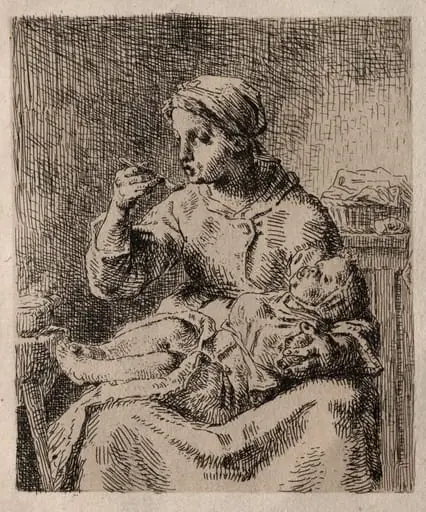
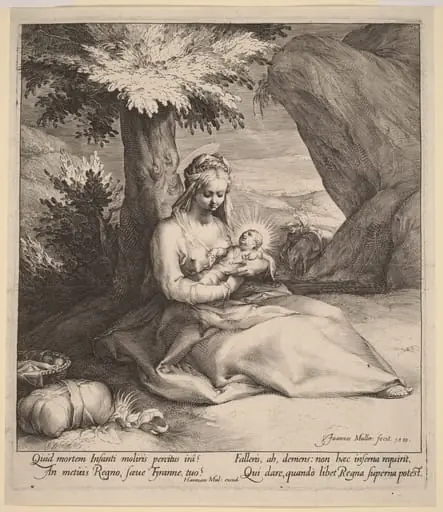
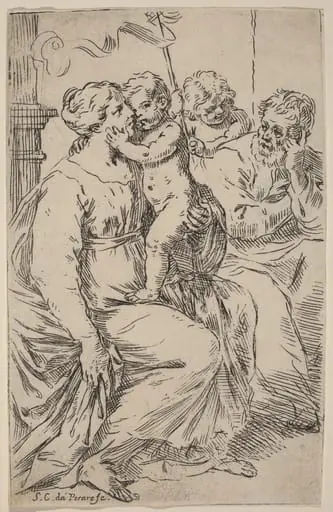
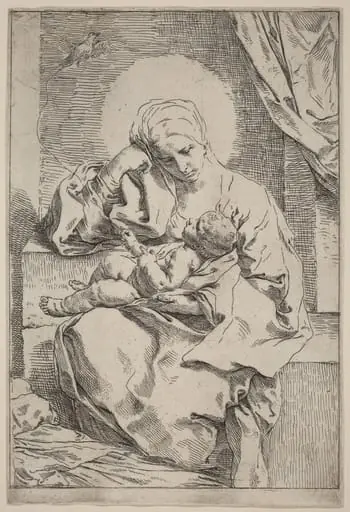
Cornelis Pietersz Bega, a Haarlem‑based artist of the Dutch Golden Age, produced the etching titled *The Mother* in 1648. The work presents a quiet domestic scene in which a woman cradles a child, rendered through the fine lines and tonal variations characteristic of the medium.
Subject & Meaning
The image captures a tender interaction between mother and child: the woman's gaze is directed softly toward the infant, her hands enveloping the child while the child's small hand rests on her arm. The composition emphasizes intimacy and the everyday affection of family life.
Technique & Style
Executed as an etching, the piece relies on incised lines and careful shading to convey volume and spatial depth. Bega’s handling of line reflects the influence of his teacher Adriaen van Ostade, favoring modest genre subjects and a restrained, atmospheric quality.
History & Provenance
Bega, the son of a sculptor and goldsmith, trained under van Ostade and spent his career chiefly in Haarlem. *The Mother* is among his prints that illustrate his focus on domestic interiors and small‑group scenes, typical of his output in the mid‑17th century.
Context
The work belongs to a broader Dutch tradition of genre art that celebrated ordinary moments. By portraying a simple, quiet household scene, Bega aligns with contemporary interests in moralizing and sentimental depictions of daily life.
Artist & collection
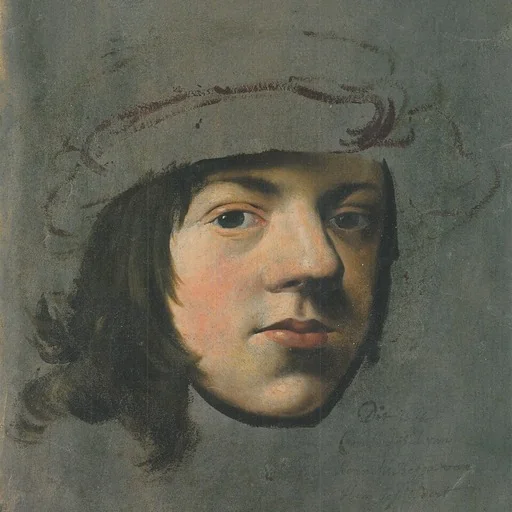
Artist
Cornelis Pietersz Bega, or Cornelis Pietersz Begijn (1631/32 – 27 August 1664) was a Dutch Golden Age painter and engraver.