Artwork
Rhea Silvia
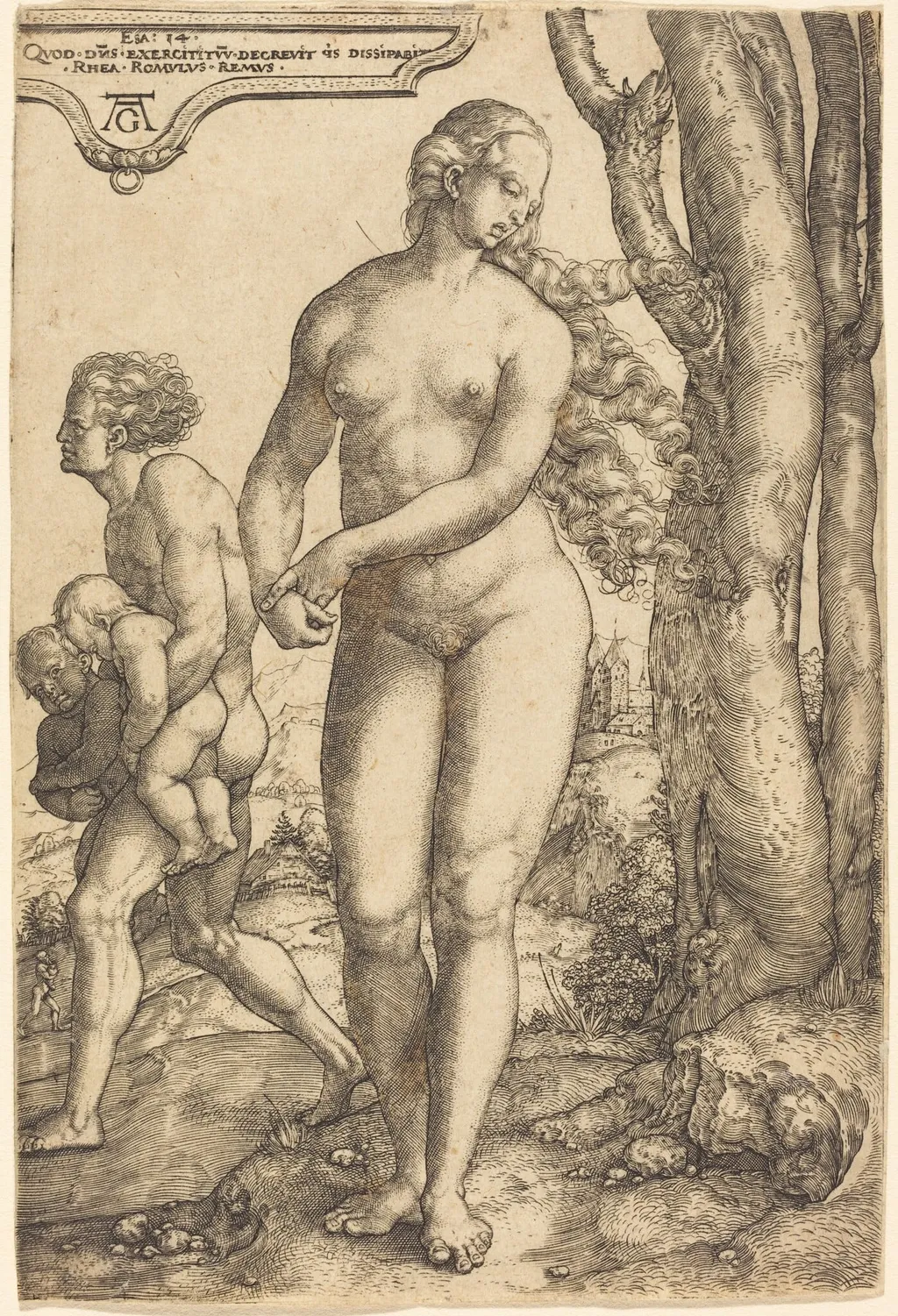
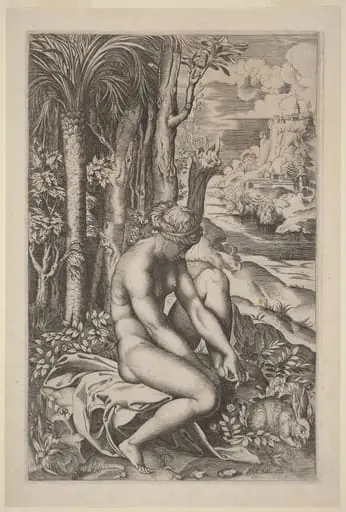
Rhea Silvia is a print by the Northern Renaissance artist Heinrich Aldegrever. It dates from 1532 and is held in the collection of the National Gallery of Art.
About this work
Overview
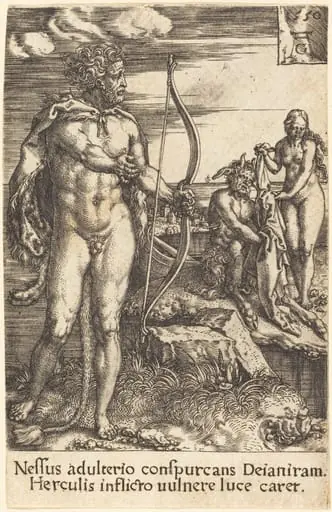
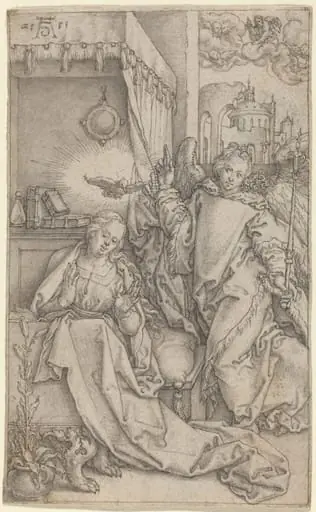
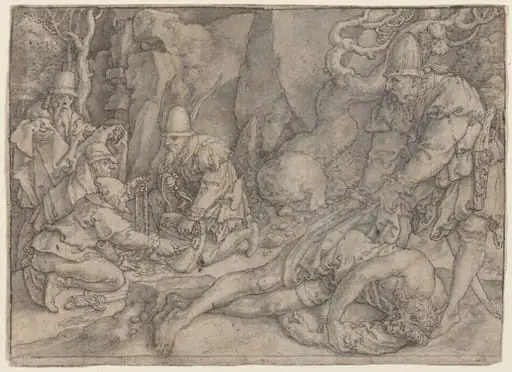
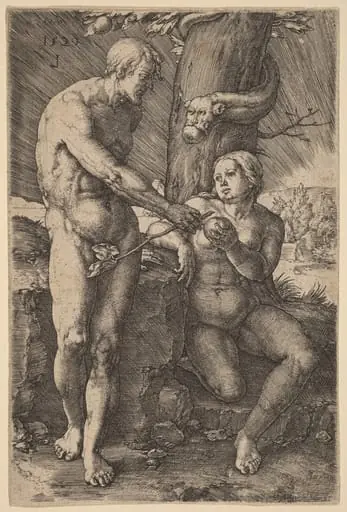
Rhea Silvia is a 1532 engraving by Heinrich Aldegrever, a German artist linked to the 'Little Masters' group, known for their intricate small-scale prints.
Subject & Meaning
The print portrays Rhea Silvia, a figure from Roman mythology closely tied to the legend of Rome's founding.
Technique & Style
Characteristic of Aldegrever's work, the engraving showcases detailed, small-scale craftsmanship, reflecting the influence of the preceding generation, notably Albrecht Dürer.
History & Provenance
Created in 1532, the work belongs to Aldegrever's output during a period of flourishing Northern European printmaking.
Context
Emerging in the aftermath of Dürer's innovations, Rhea Silvia exemplifies the 'Little Masters'' contribution to the evolution of 16th-century German printmaking.
Legacy
While specific lasting impacts of Rhea Silvia are not broadly documented, it remains representative of Aldegrever's contribution to the 'Little Masters' legacy in European art history.
Artist & collection

Artist
Heinrich Aldegrever or Aldegraf was a German painter and engraver. He was one of the "Little Masters", the group of German artists making small old master prints in the generation after Albrecht Dürer.