Artwork
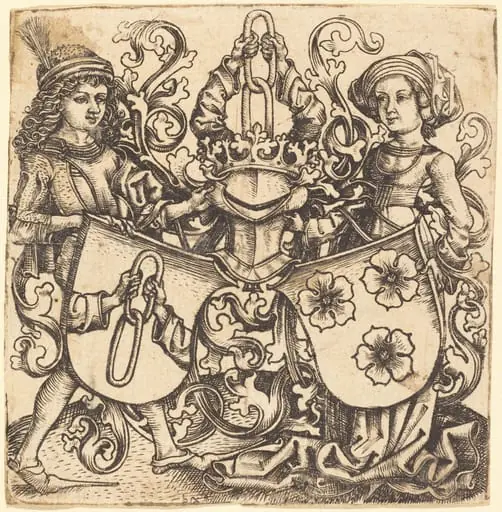
Coat of Arms of Hector Pömer
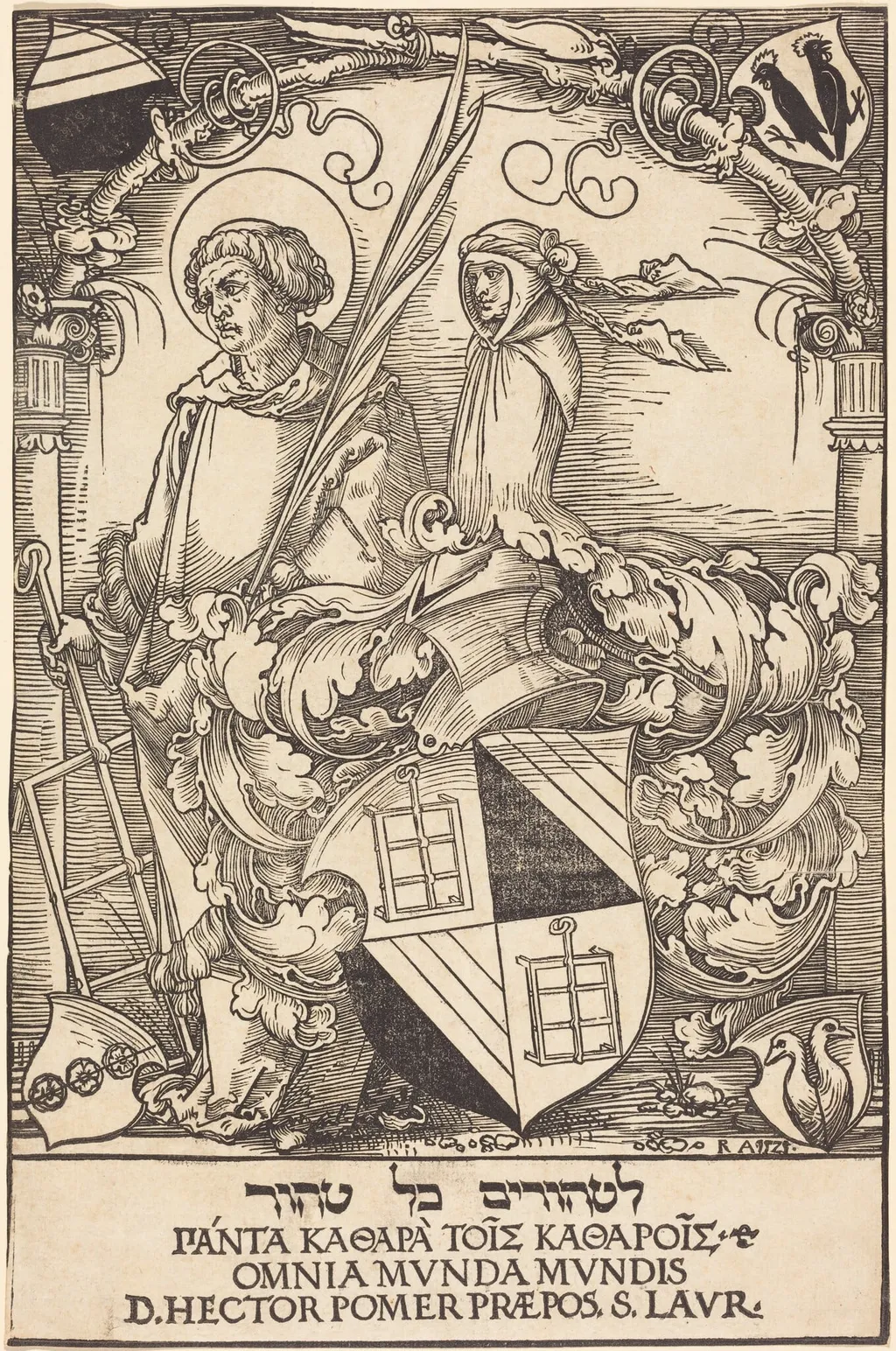
Coat of Arms of Hector Pömer is an ink print by the Renaissance artist Sebald Beham. It dates from 1525 and is held in the collection of the National Gallery of Art.
About this work
Overview
The piece belongs to the genre of small‑scale, highly detailed prints for which Beham and his contemporaries, often called the “Little Masters,” are known.
Sebald Beham, a Nuremberg‑born printmaker active in the early sixteenth century, produced the woodcut titled *Coat of Arms of Hector Pömer* in 1525. The piece belongs to the genre of small‑scale, highly detailed prints for which Beham and his contemporaries, often called the “Little Masters,” are known. It functions as a heraldic illustration, likely commissioned to identify an individual or family.
Subject & Meaning
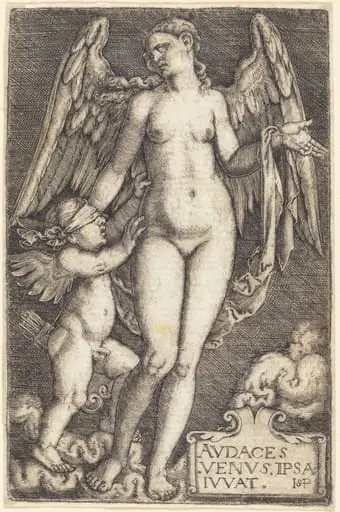
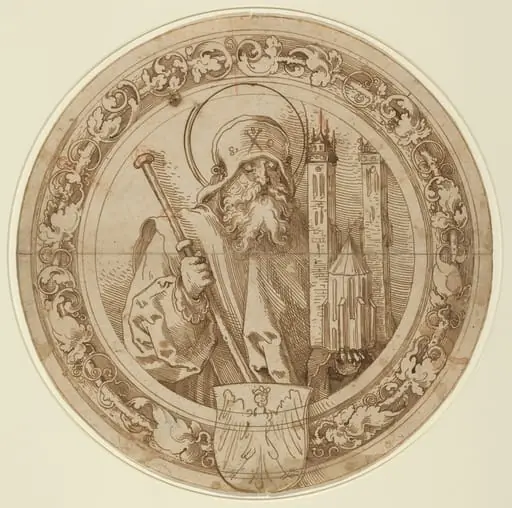
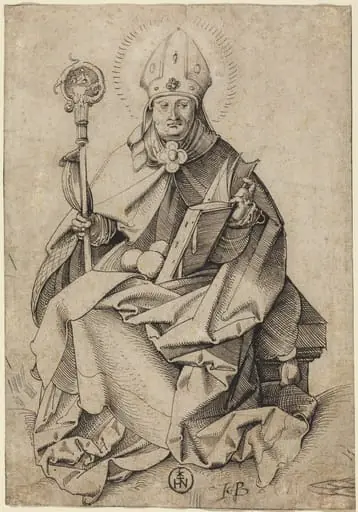
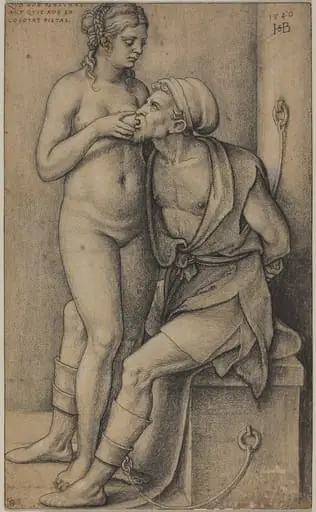
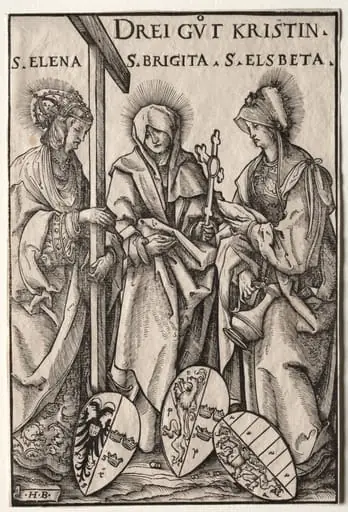
The image combines conventional heraldic elements with a crowded tableau of figures and creatures. Two robed men, each surrounded by a halo, stand upon a geometric platform; one bears a spear, the other a scroll. Around them appear fantastical animals—a crowned bird, a winged fish—and miniature architectural forms. The dense arrangement of symbols suggests an allegorical narrative beyond a simple family crest.
Technique & Style
Executed as a woodcut, the work demonstrates the fine line work and meticulous carving typical of Beham’s output. The print’s intricate detailing, from the delicate halos to the swirling background motifs, reflects the influence of Albrecht Dürer’s printmaking innovations while maintaining the compact scale favored by the Little Masters.
History & Provenance
Created in 1525, the print was likely produced for a private patron named Hector Pömer, though no surviving documentation confirms the commission. As a product of the German print market of the period, it would have been distributed in limited editions, circulating among collectors of heraldic and decorative prints.
Context
The early sixteenth‑century German art scene was dominated by the legacy of Dürer, whose advances in engraving and woodcut set new standards for detail and reproducibility. Beham’s work, including this coat of arms, exemplifies the subsequent generation’s focus on miniature, highly ornamental prints that served both decorative and documentary purposes.
Legacy
While not as widely known as Dürer’s major prints, Beham’s heraldic woodcuts contribute to the understanding of how print media were employed for personal identification and symbolic storytelling in Renaissance Germany. The piece remains a reference point for scholars studying the intersection of heraldry, allegory, and the technical mastery of the Little Masters.
Artist & collection
Artist
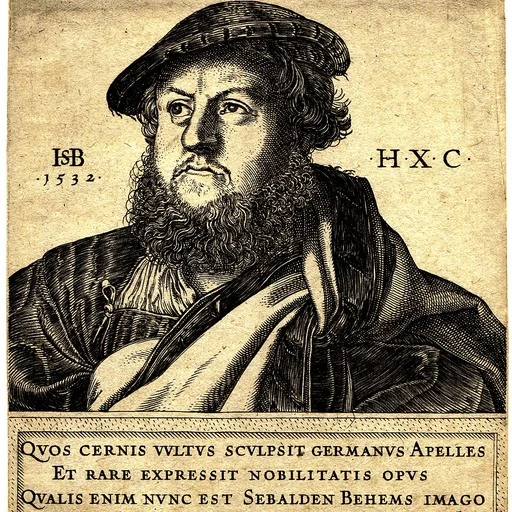
Sebald Beham (1500–1550) was a German painter and printmaker, mainly known for his very small engravings.