Artwork
The Entombment
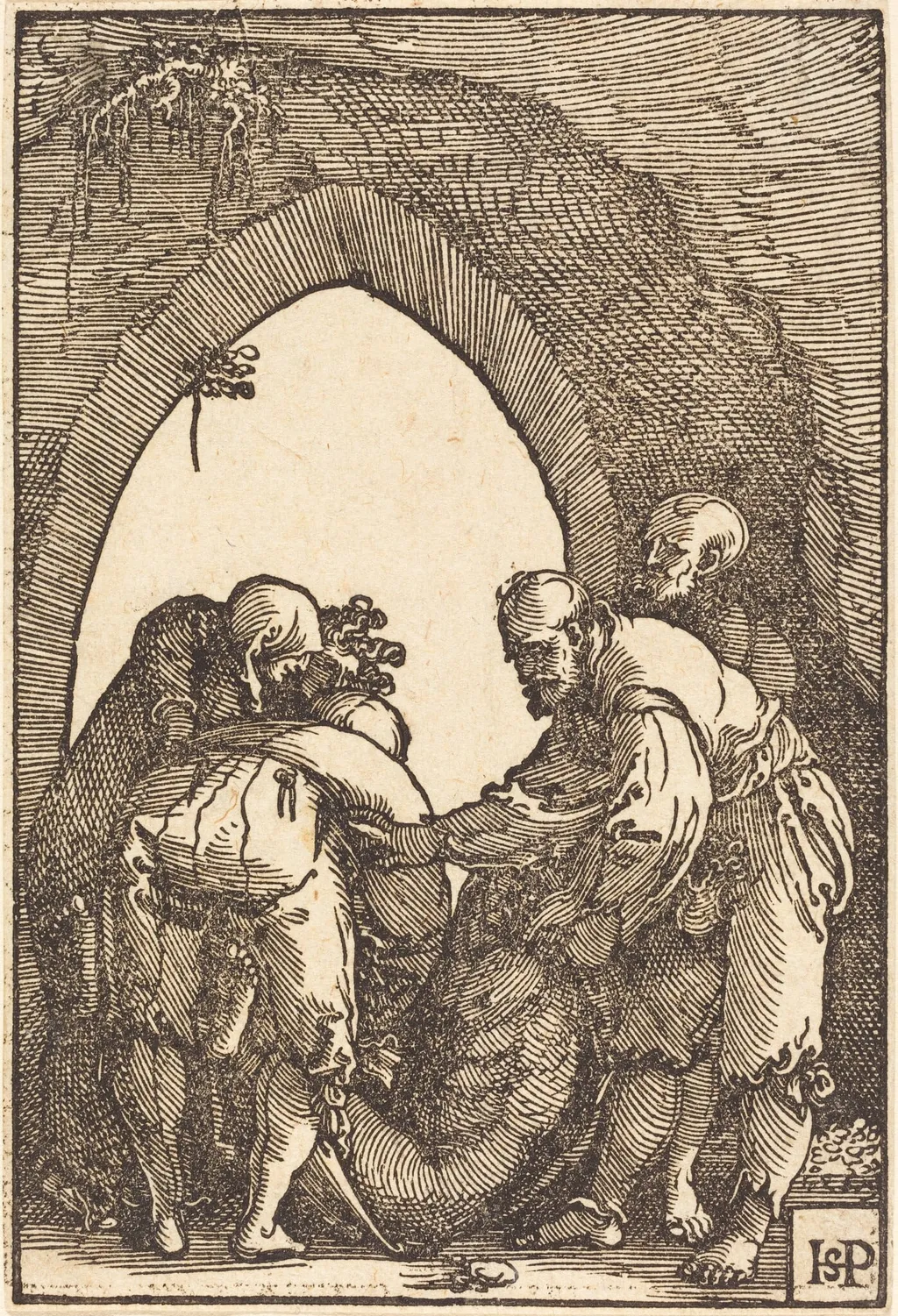
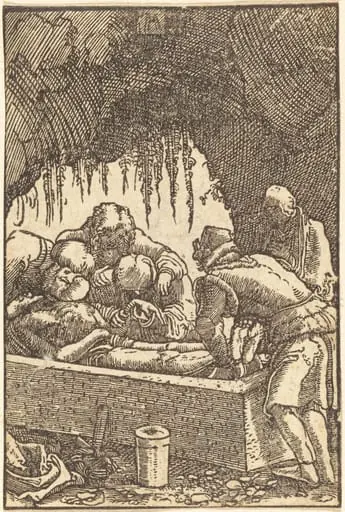
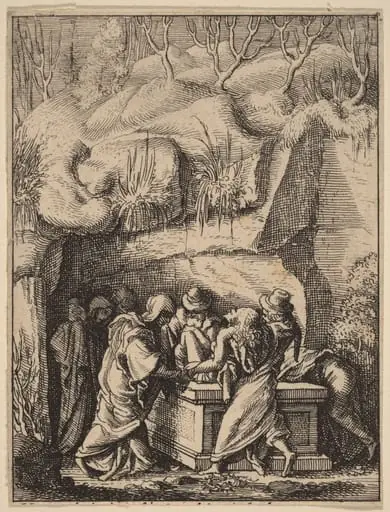
The Entombment is an ink print by the Renaissance artist Sebald Beham. It dates from 1521 and is held in the collection of the National Gallery of Art.
About this work
Overview
Created in 1521 by the German artist Sebald Beham, *The Entombment* is a black-and-white woodcut depicting a quiet, solemn moment from the Passion of Christ.
Created in 1521 by the German artist Sebald Beham, *The Entombment* is a black-and-white woodcut depicting a quiet, solemn moment from the Passion of Christ. Executed in the small-scale style characteristic of the Little Masters, the print reflects Beham’s mastery of intricate line work and his focus on religious narratives. As one of approximately 1,500 woodcuts he produced, it exemplifies his dedication to printmaking as a vehicle for intimate, detailed storytelling.
Subject & Meaning
The scene portrays three figures carefully transporting the body of Christ on a stretcher, wrapped in a shroud, toward burial. Their expressions are grave, their movements deliberate, emphasizing the weight of the moment. The enclosed, shadowed space suggests a tomb’s entrance, heightening the sense of closure and reverence. No divine figures appear, focusing attention on human grief and duty rather than supernatural intervention.
Technique & Style
Beham employed the woodcut method, carving lines into a wooden block to create the image, which was then inked and pressed onto paper. The result is a composition defined by sharp, angular contours and a dense network of fine lines that model form and texture. The grainy contrast between black and white areas enhances the tactile quality of fabrics and stone, while the limited palette reinforces the print’s somber tone.
History & Provenance
Beham produced this work during his time in Nuremberg, a center of printmaking in early 16th-century Germany. Though he later relocated to Frankfurt, his early career was defined by prolific output for a growing market of collectors and religious patrons. *The Entombment* survives in multiple institutional collections, reflecting its circulation among educated audiences who valued devotional imagery in portable form.
Context
Created just a few years after the Reformation’s onset, the print reflects a period when religious imagery was being reevaluated. While Catholic traditions still influenced subject matter, Protestant audiences increasingly favored modest, narrative-focused prints over ornate altarpieces. Beham’s small-scale, detailed woodcuts met this demand, offering personal meditation tools in an age of shifting spiritual authority.
Legacy
Beham’s *The Entombment* stands as a representative example of the Little Masters’ contribution to Northern Renaissance printmaking. His ability to convey emotional gravity within tiny formats influenced later generations of engravers. Though overshadowed by larger paintings of the same subject, his woodcuts preserved a tradition of intimate, human-centered religious storytelling in an era of religious upheaval.
Artist & collection
Artist
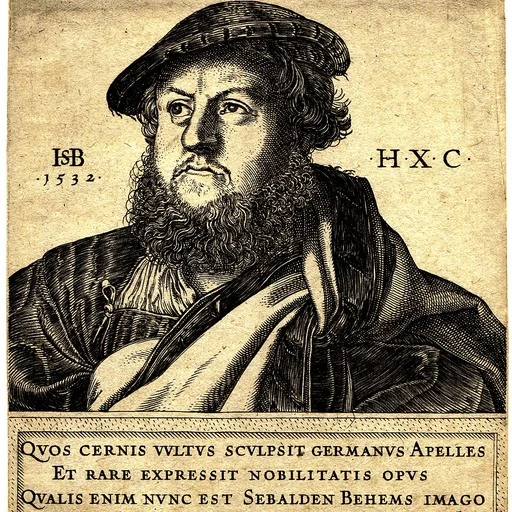
Sebald Beham (1500–1550) was a German painter and printmaker, mainly known for his very small engravings.


 The Entombment
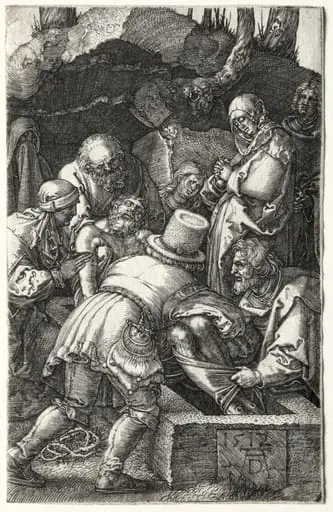 The Entombment
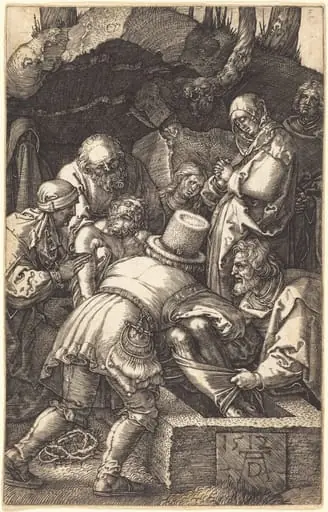 The Entombment
 The Entombment
 Christ Taking Leave of his Mother
 Joachim and Anna at the Golden Gate
 The Fall and Redemption of Man: Christ Taking Leave of His Mother before the Passion
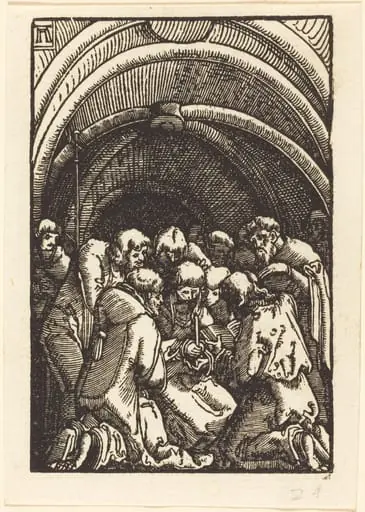 The Death of the Virgin
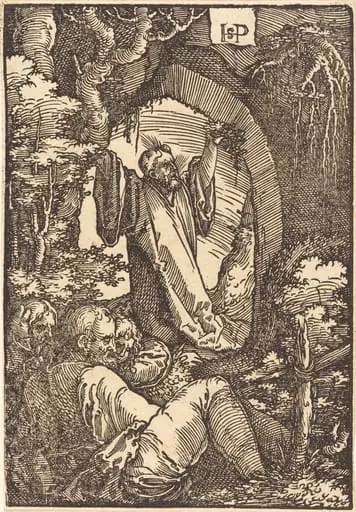 The Agony in the Garden
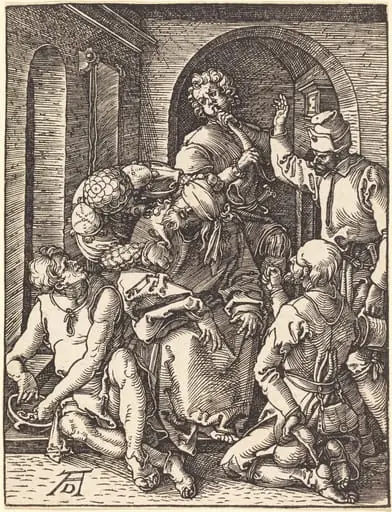 The Mocking of Christ
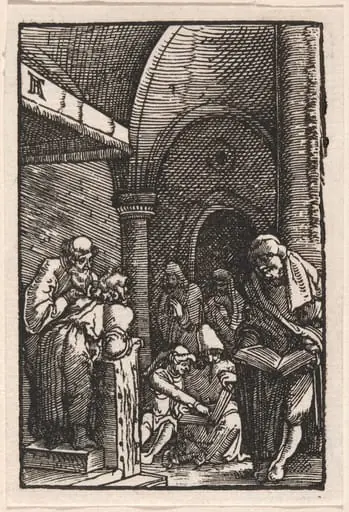 Christ Disputing with the Doctors
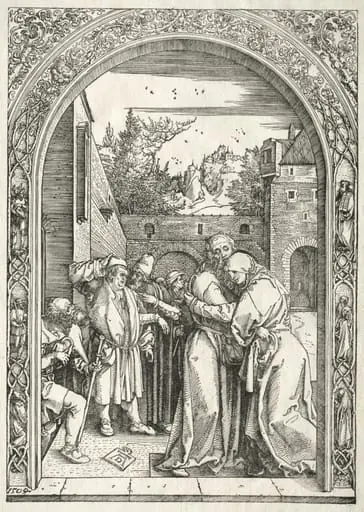 Life of the Virgin: Joachim and Anna Embracing under the Golden Gate