Artwork
Girl with Cherries
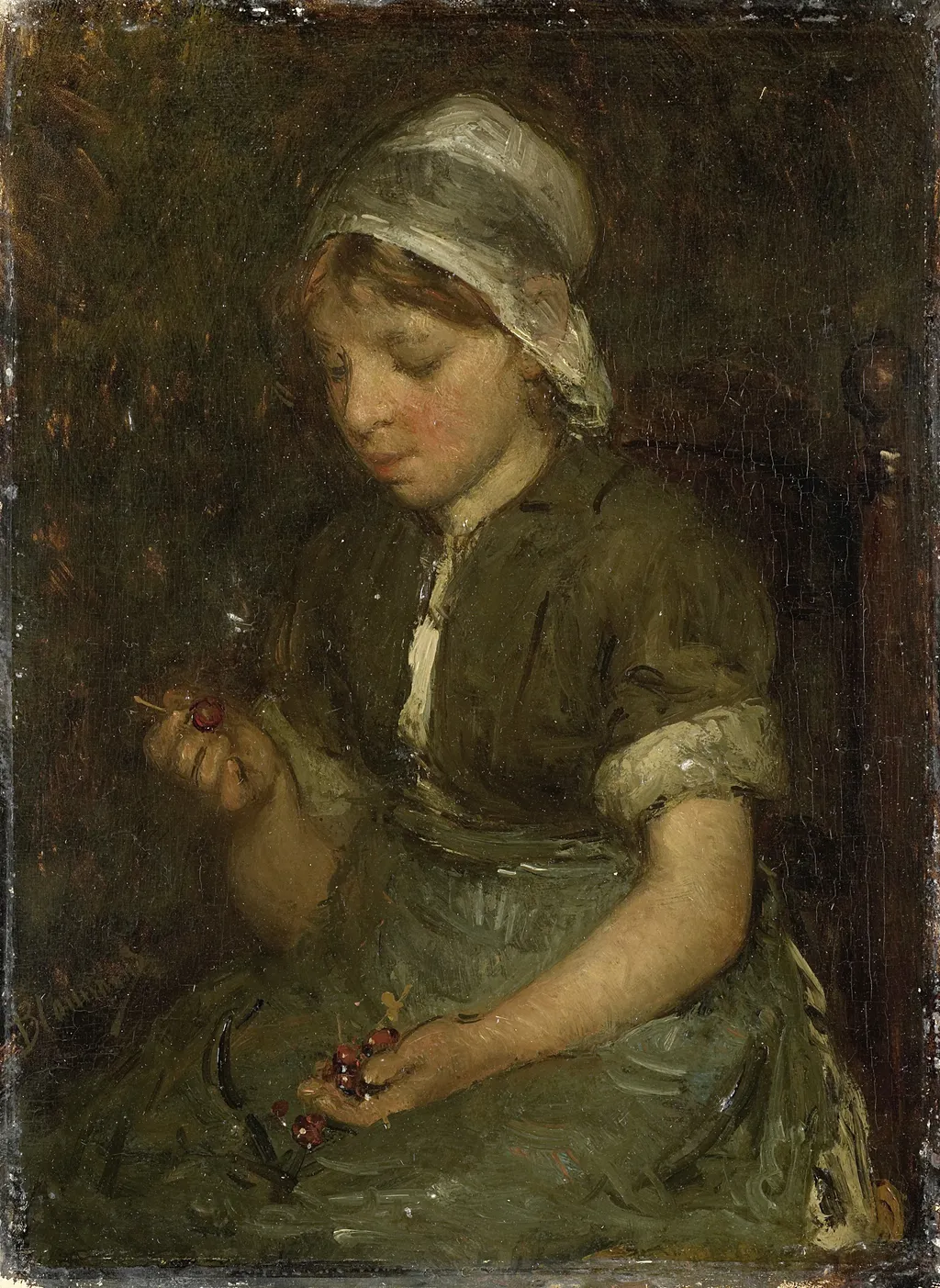
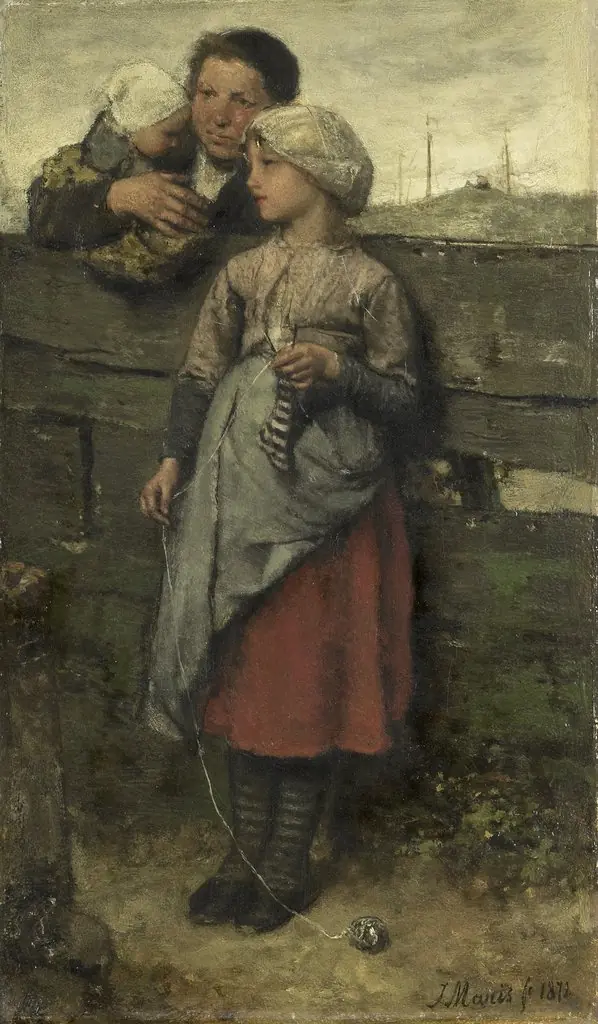
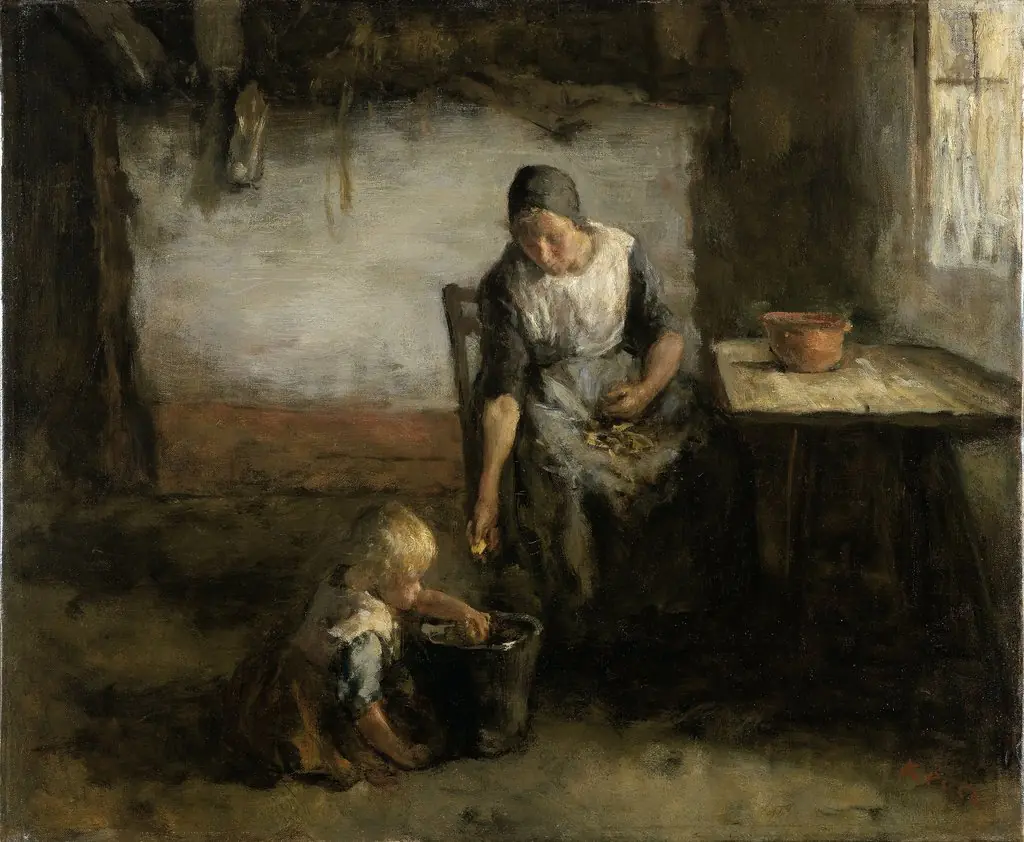
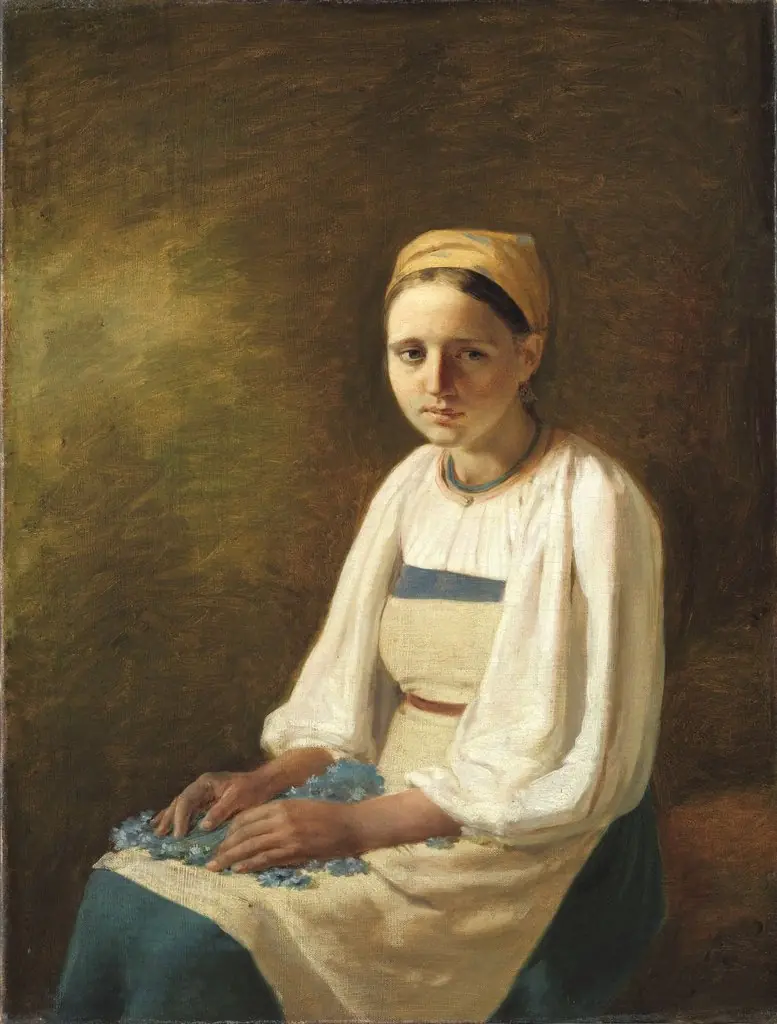
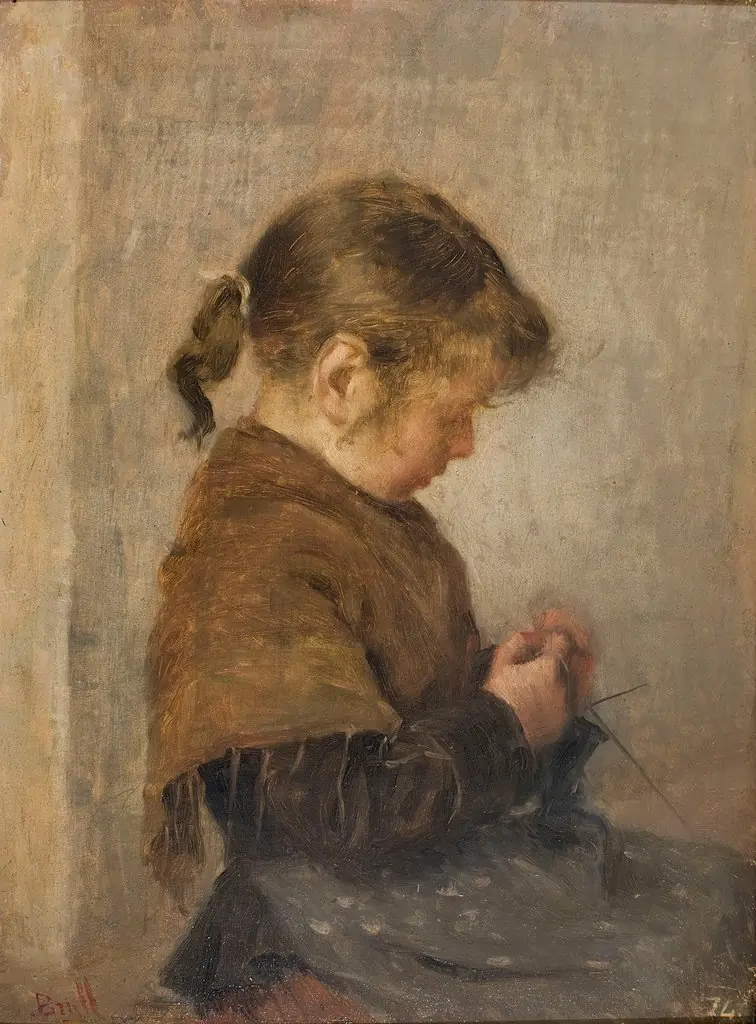
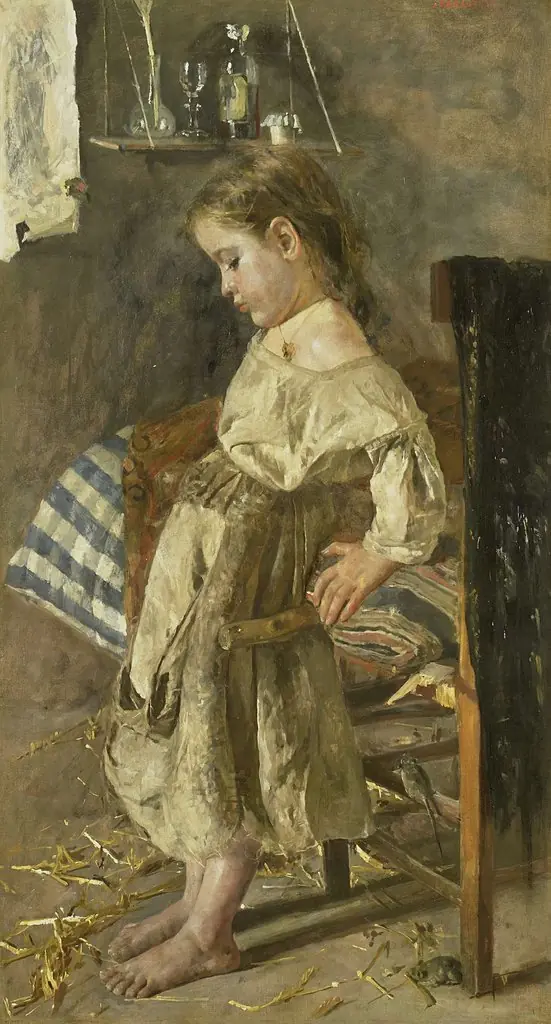
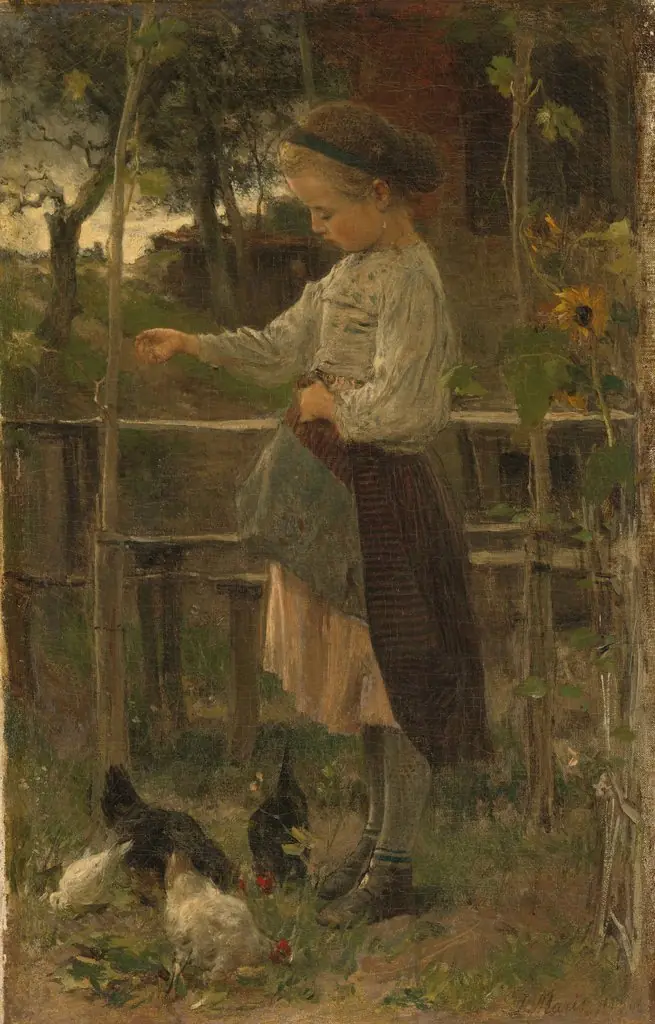
Girl with Cherries is an oil painting by the Impressionist artist Bernard Blommers. It dates from 1894 and is held in the collection of the Rijksmuseum. Created in 1894, this oil painting portrays a young girl seated with a bowl of cherries cradled in her hands.
About this work
Overview
Created in 1894, this oil painting portrays a young girl seated with a bowl of cherries cradled in her hands. She wears a dark dress and a white headscarf, set against a dim, indistinct background. The composition captures a quiet, intimate moment as the child gazes down at the fruit, suggesting a moment of contemplation or anticipation.
Subject & Meaning
The work focuses on a simple domestic scene, emphasizing the tactile relationship between the child and the cherries. The blurred facial features and subdued lighting draw attention to the act of holding and possibly tasting the fruit, evoking themes of innocence, nourishment, and everyday life.
Technique & Style
Executed in oil, the painting reflects Blommers’s later, more fluid approach, with looser brushwork and softened edges. The dark, hazy background recedes, allowing the figure and the bright red cherries to stand out. The handling of light on the fruit contrasts with the muted tones of the surrounding space.
History & Provenance
The piece was painted by Dutch artist Bernardus Johannes Blommers, a member of the Hague School who trained at the Hague Academy. After its creation, the work entered the collection of the Rijksmuseum, where it remains part of the museum’s holdings.
Own this work as a print
Artist & collection
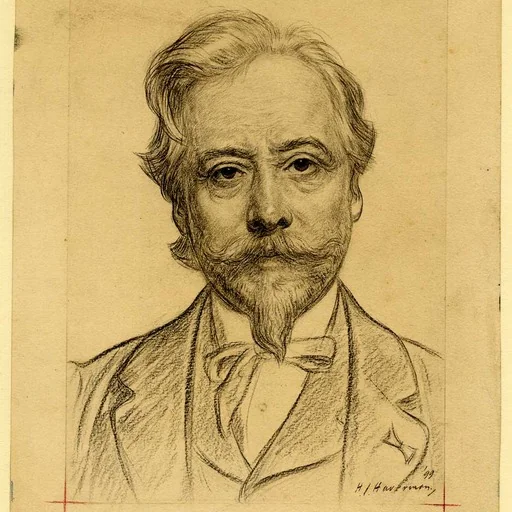
Artist
Bernardus Johannes (Bernard) Blommers (30 January 1845 in The Hague – 12 December 1914 in The Hague) was a Dutch etcher and painter of the Hague School.