Artwork
The Annunciation
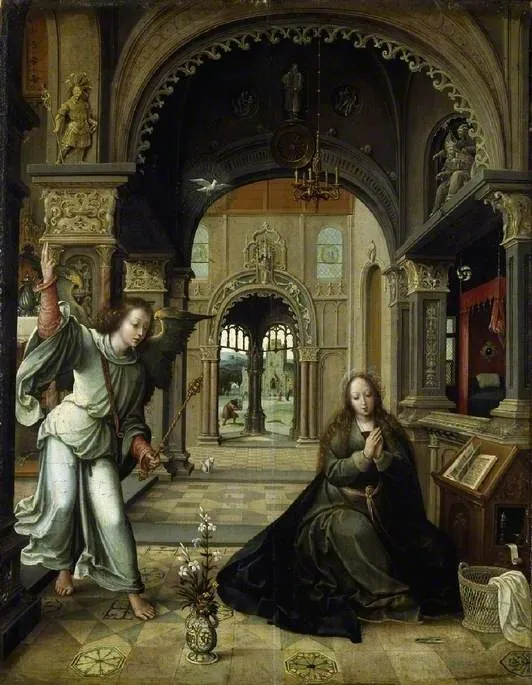
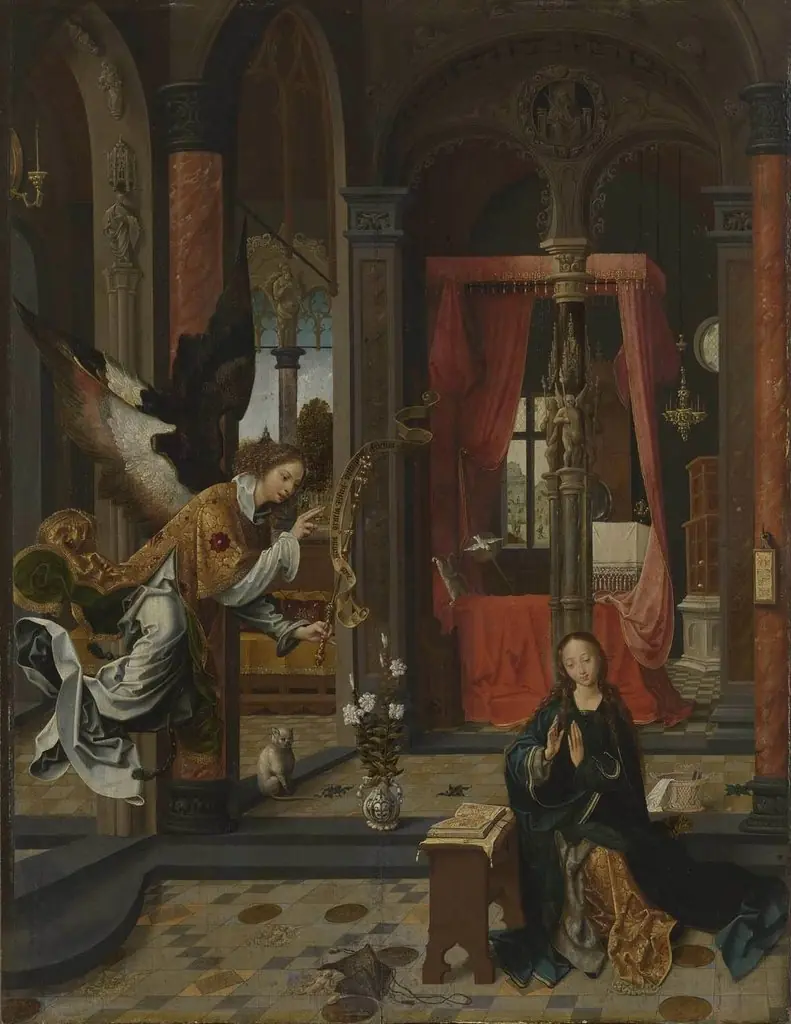
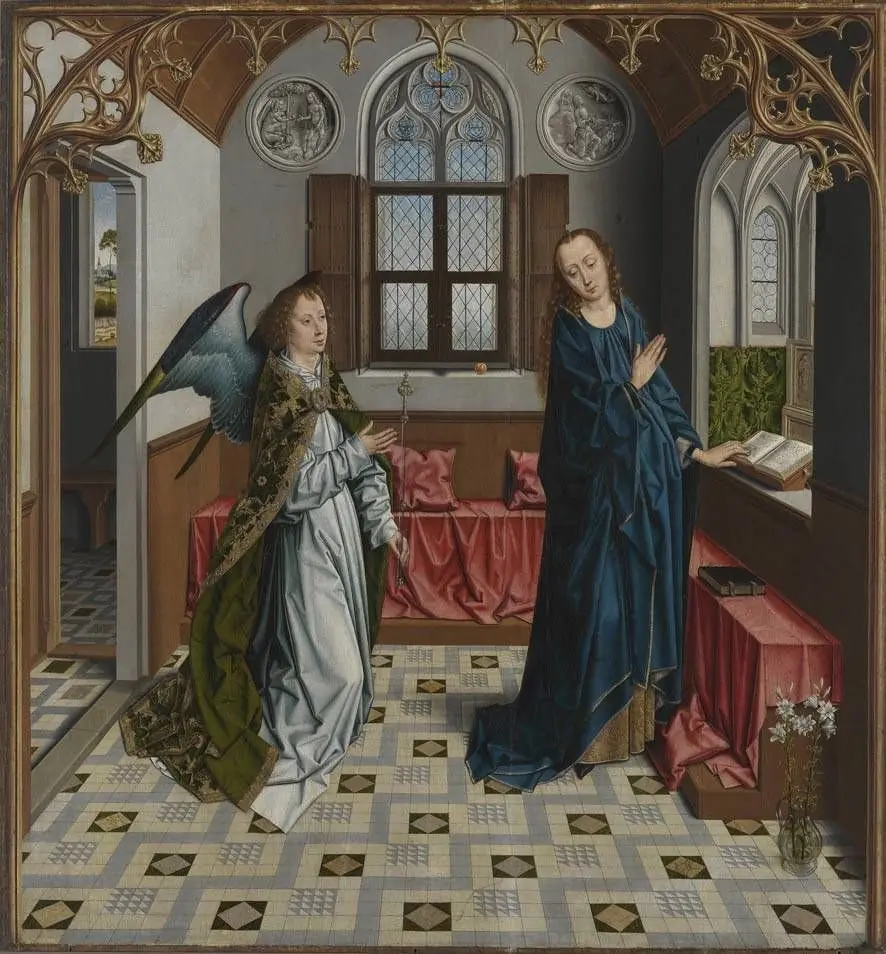
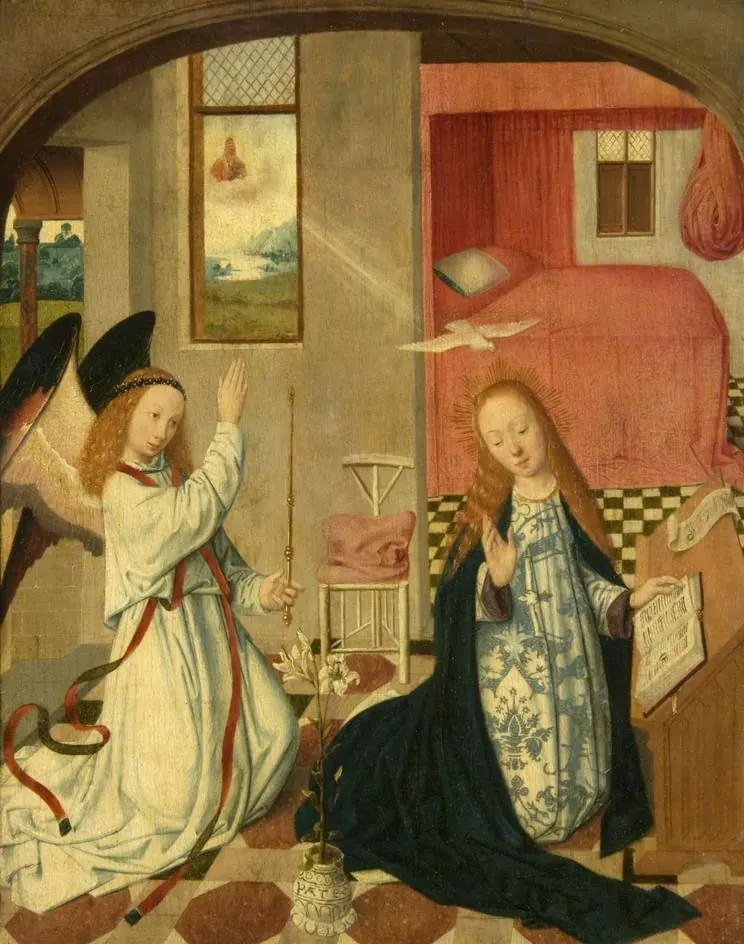
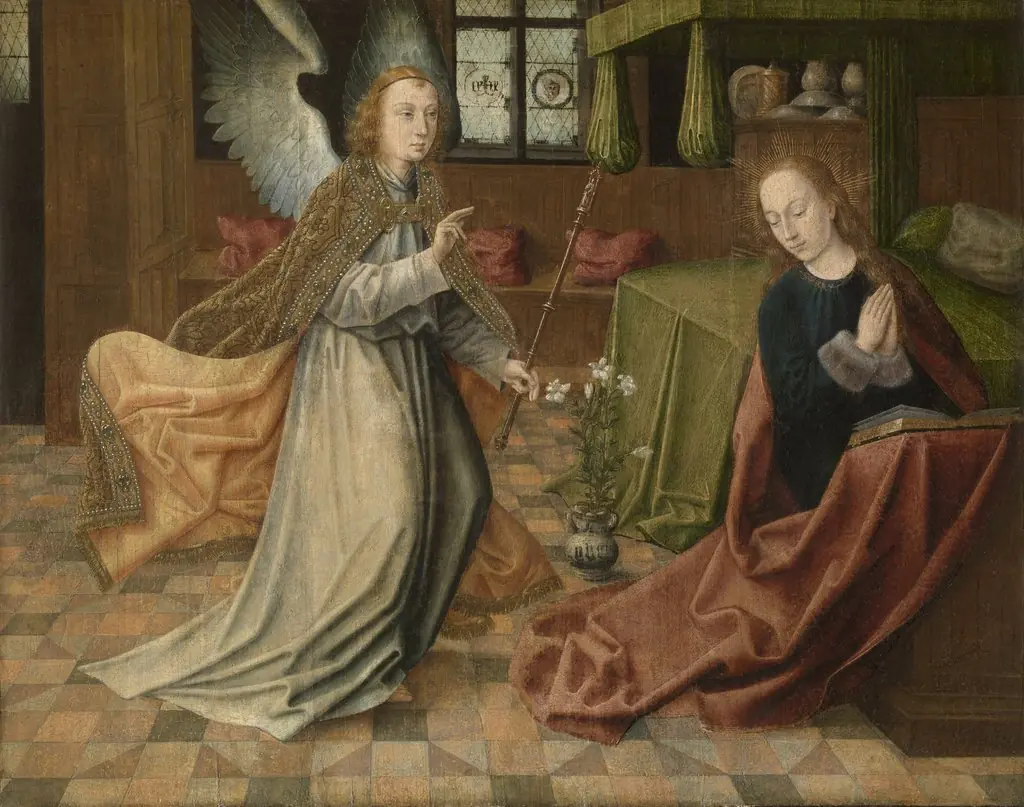
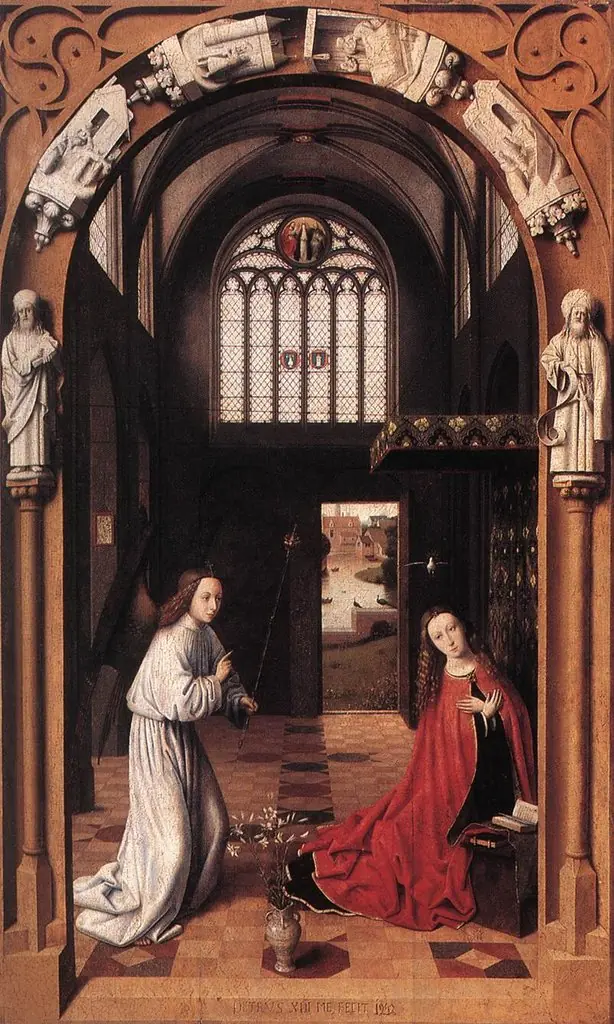
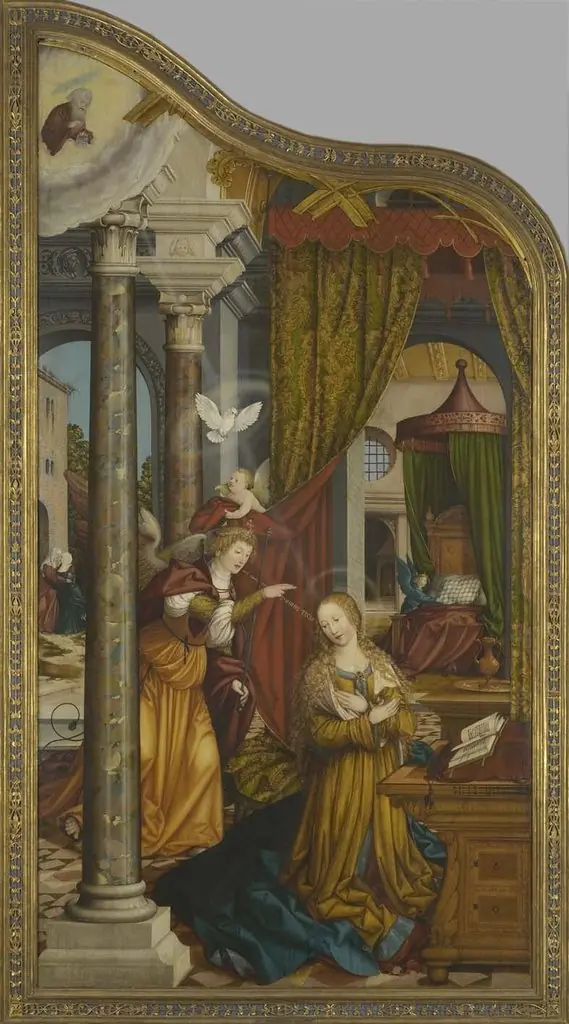
The Annunciation is an oil painting by Bernard Van Orley. It dates from 1524 and is held in the collection of the Fitzwilliam Museum.
About this work
Overview
Van Orley, known for his versatility across media including tapestry and stained glass, synthesized Italian Renaissance ideals with Northern European detail.
Painted around 1524 by Bernard van Orley, *The Annunciation* is an oil-on-panel work produced in Brussels during the height of the Northern Renaissance. Van Orley, known for his versatility across media including tapestry and stained glass, synthesized Italian Renaissance ideals with Northern European detail. The painting illustrates a pivotal moment in Christian theology and remains part of the Fitzwilliam Museum’s collection, reflecting its enduring scholarly interest.
Subject & Meaning
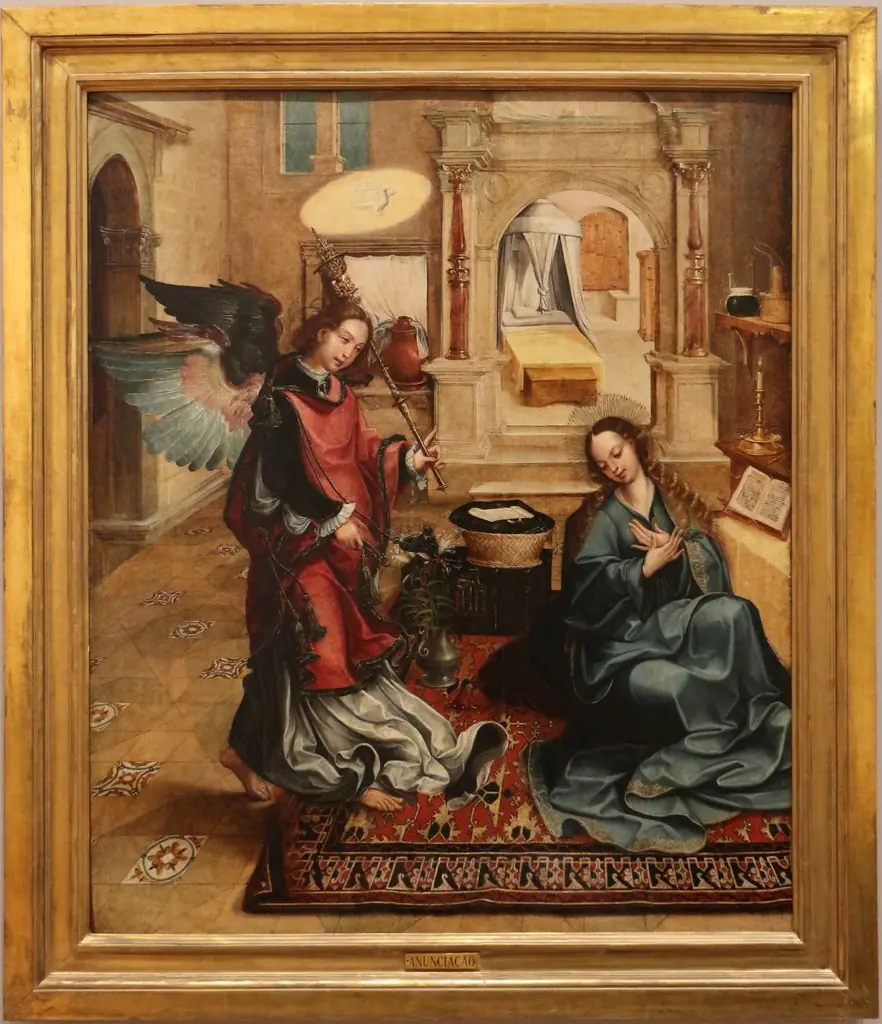
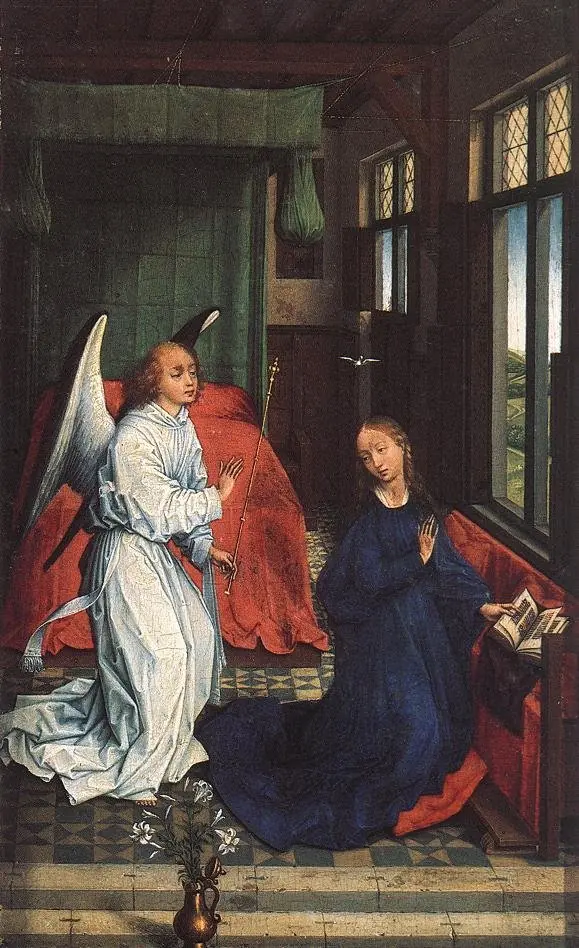
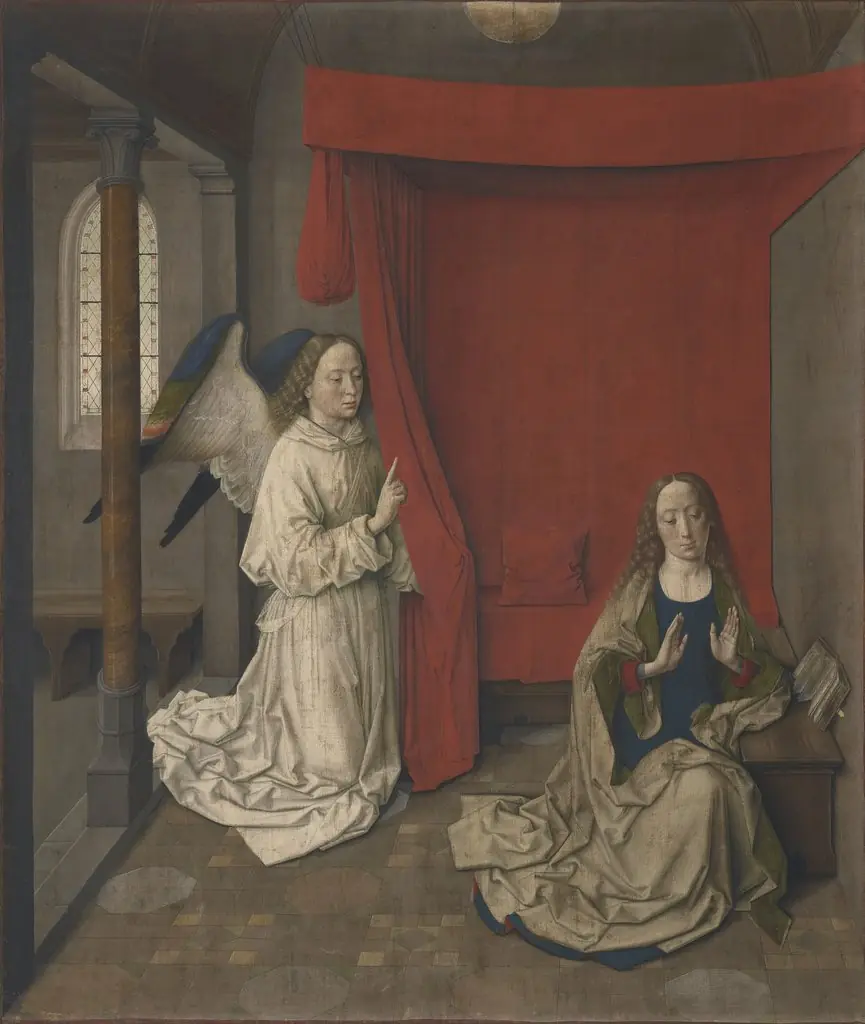
The scene captures the moment the archangel Gabriel announces to the Virgin Mary that she will conceive the Son of God. Gabriel, depicted in motion with an outstretched arm, conveys divine revelation, while Mary, seated and clasping her hands in quiet acceptance, embodies humility and devotion. The composition emphasizes spiritual stillness over dramatic intensity, aligning with devotional practices of the period that valued inner contemplation over theatrical expression.
Technique & Style
Van Orley employed oil paint to achieve subtle gradations of light and texture, enhancing the realism of fabrics and architectural elements. The figures are rendered with precise detail, particularly in the folds of their garments and the delicate rendering of facial expressions. The background, with its arched colonnade and distant landscape, creates spatial depth through linear perspective, a hallmark of Italian influence adapted to Northern sensibilities.
History & Provenance
Commissioned likely for private devotion, the painting entered the Fitzwilliam Museum’s collection in the 19th century. Its attribution to van Orley has been consistently supported by stylistic analysis and archival records linking him to Brussels workshops active in the early 1520s. No major alterations or restorations are documented, preserving its original tonal harmony and compositional balance.
Context
Van Orley was part of the Romanist movement, a group of Northern artists who absorbed Italian Renaissance principles after exposure to prints and travelers’ accounts. While Italian art emphasized idealized form and classical harmony, van Orley retained meticulous Northern detail. This painting reflects a cultural bridge: Italian spatial logic meets Flemish precision, characteristic of elite religious art in Habsburg-ruled Brussels during the Reformation’s early years.
Legacy
Though less widely known than contemporaries like Dürer or Titian, van Orley’s synthesis of Northern and Italian traditions influenced later Flemish painters. *The Annunciation* exemplifies how regional artists adapted foreign styles without abandoning local devotional aesthetics. Its preservation in a major public collection ensures continued study of how Renaissance ideas traveled and transformed across Europe.
Artist & collection
Artist
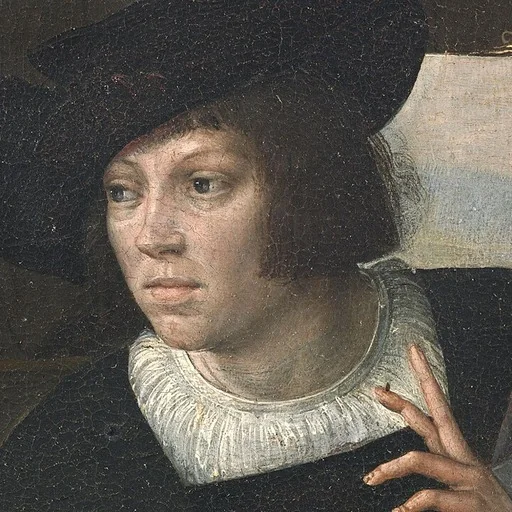
Bernard van Orley (between 1487 and 1491 – 6 January 1541), also called Barend or Barent van Orley, Bernaert van Orley or Barend van Brussel, was a versatile Flemish artist and representative of Dutch and Flemish…

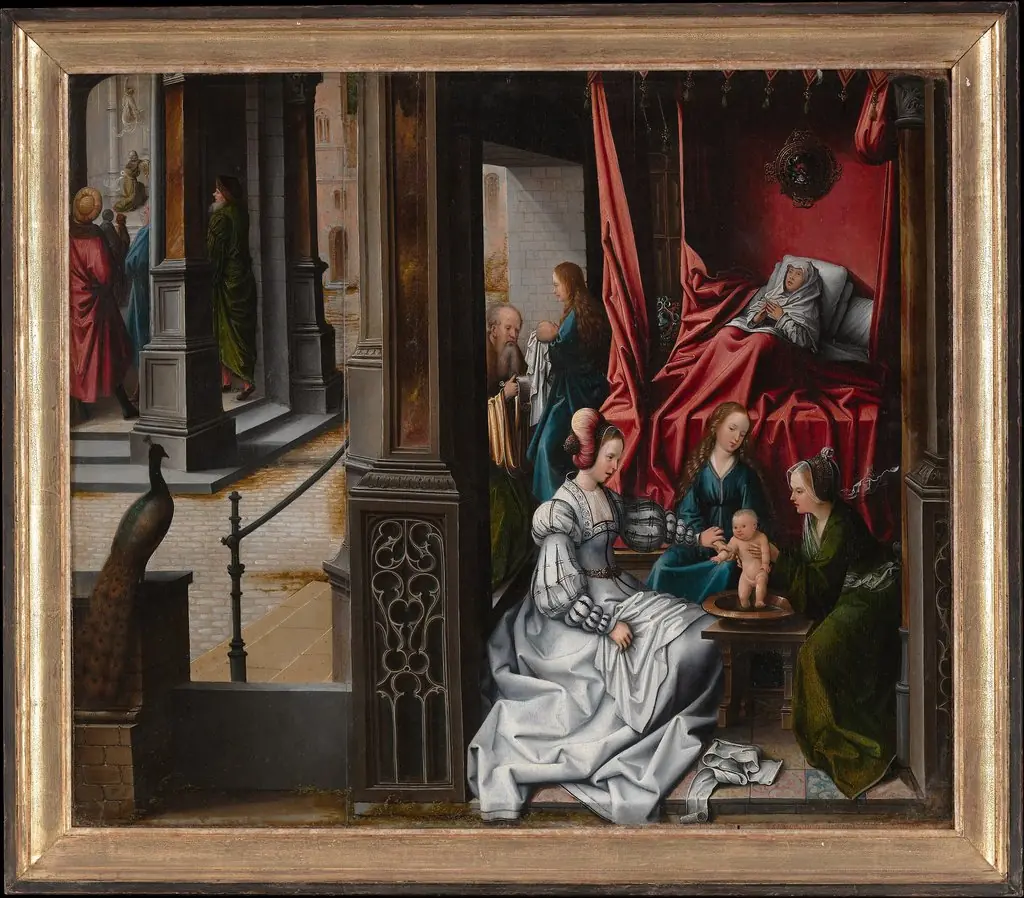 The Birth and Naming of Saint John the Baptist; (reverse) Trompe-l'oeil with Painting of The Man of Sorrows
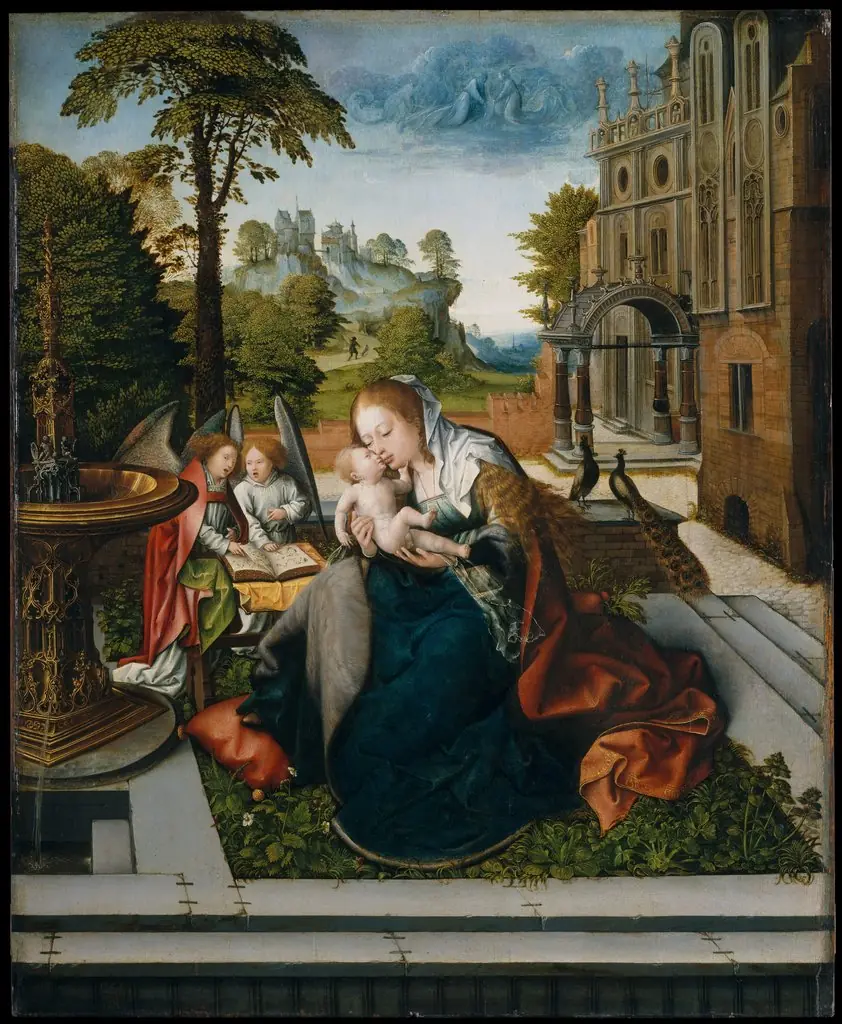 Virgin and Child with Angels
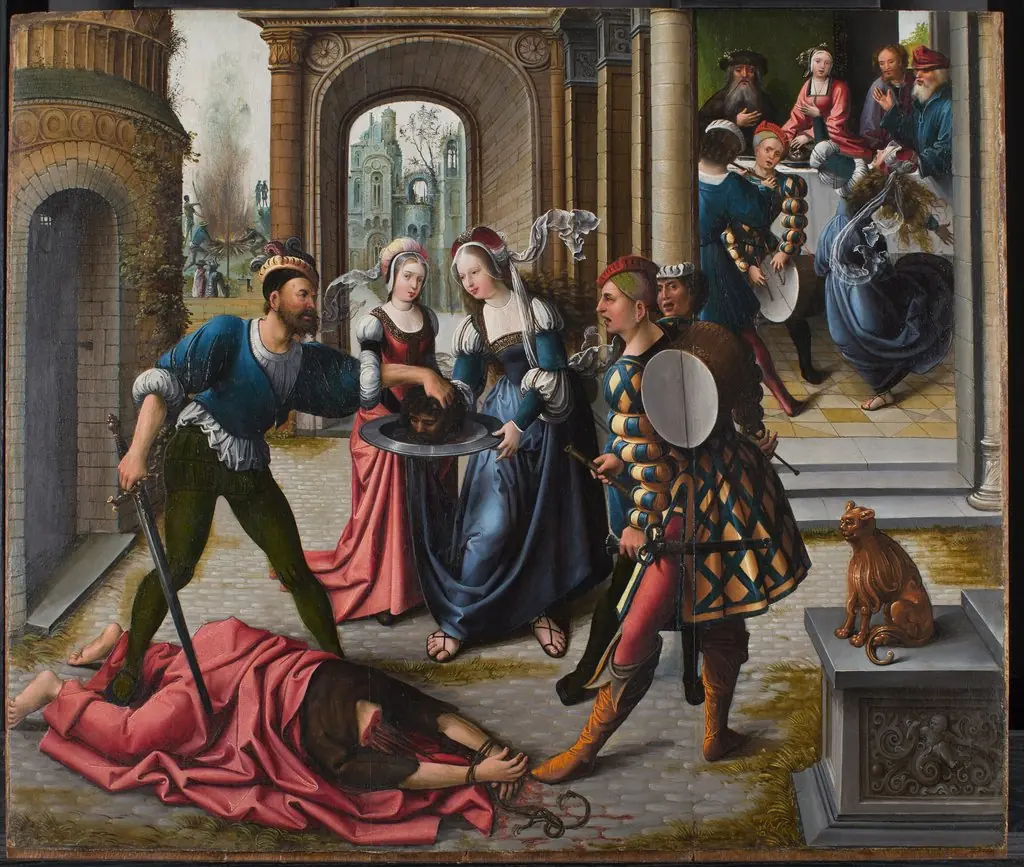 The Martyrdom of Saint John the Baptist
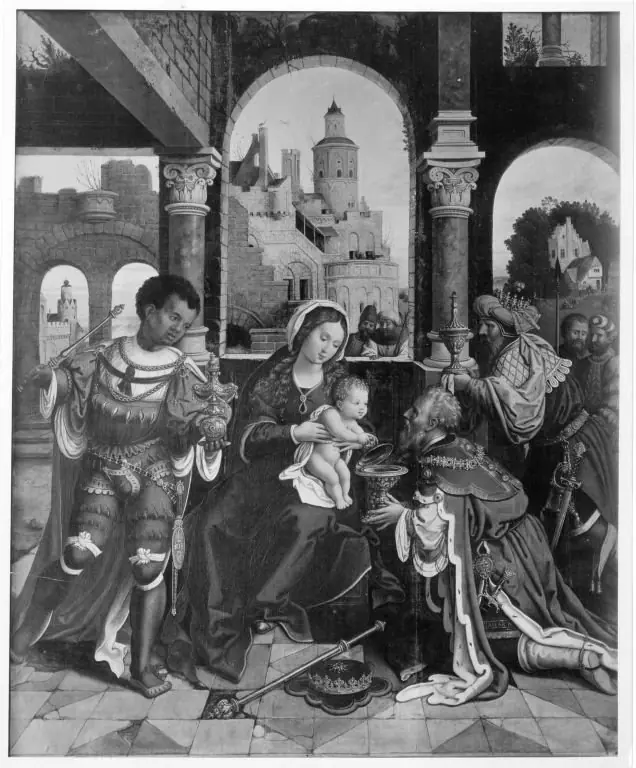 The Adoration of the Magi
![Christ among the Doctors [obverse], by Bernard Van Orley](https://artifactworldgallery.com/img/bernard-van-orley--christ-among-the-doctors-obverse--78795f311364e613-w320.webp) Christ among the Doctors [obverse]
Christ among the Doctors [obverse]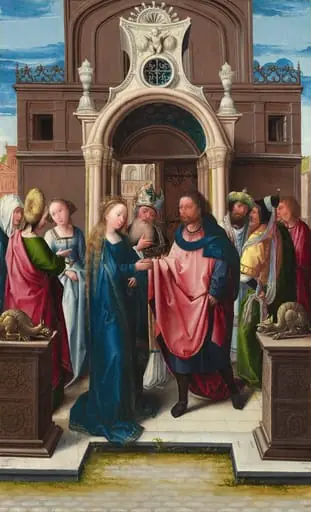 The Marriage of the Virgin
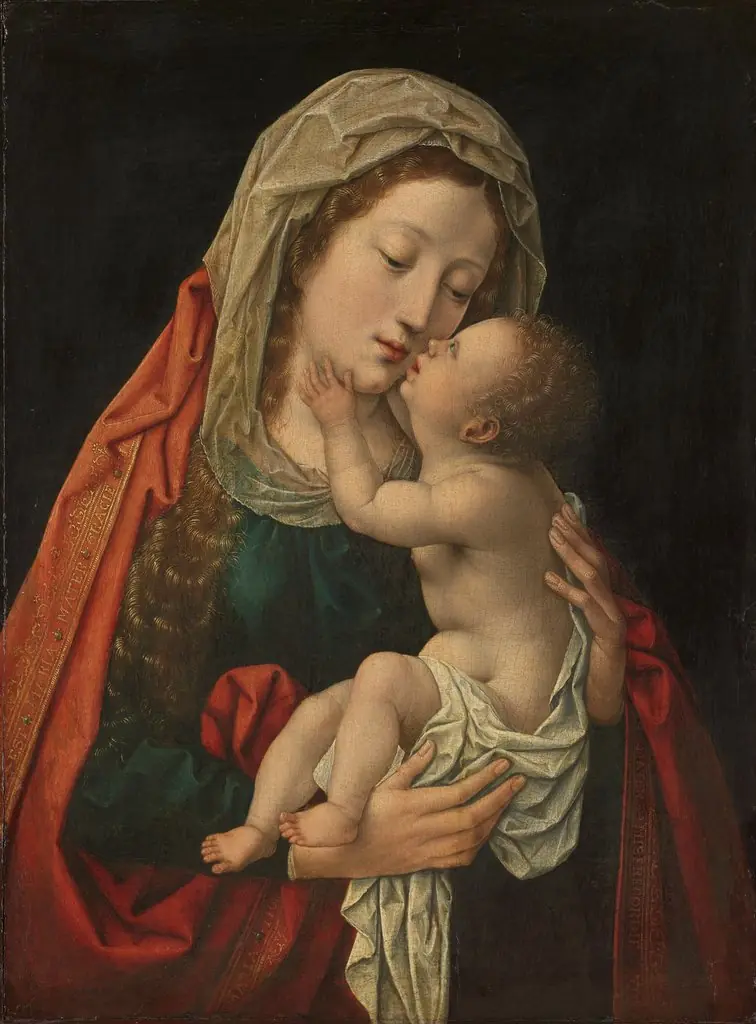 The Virgin and Child
 The Virgin and Child with the Infant Saint John the Baptist