Artwork
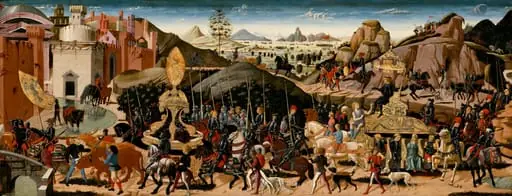
processione dei magi
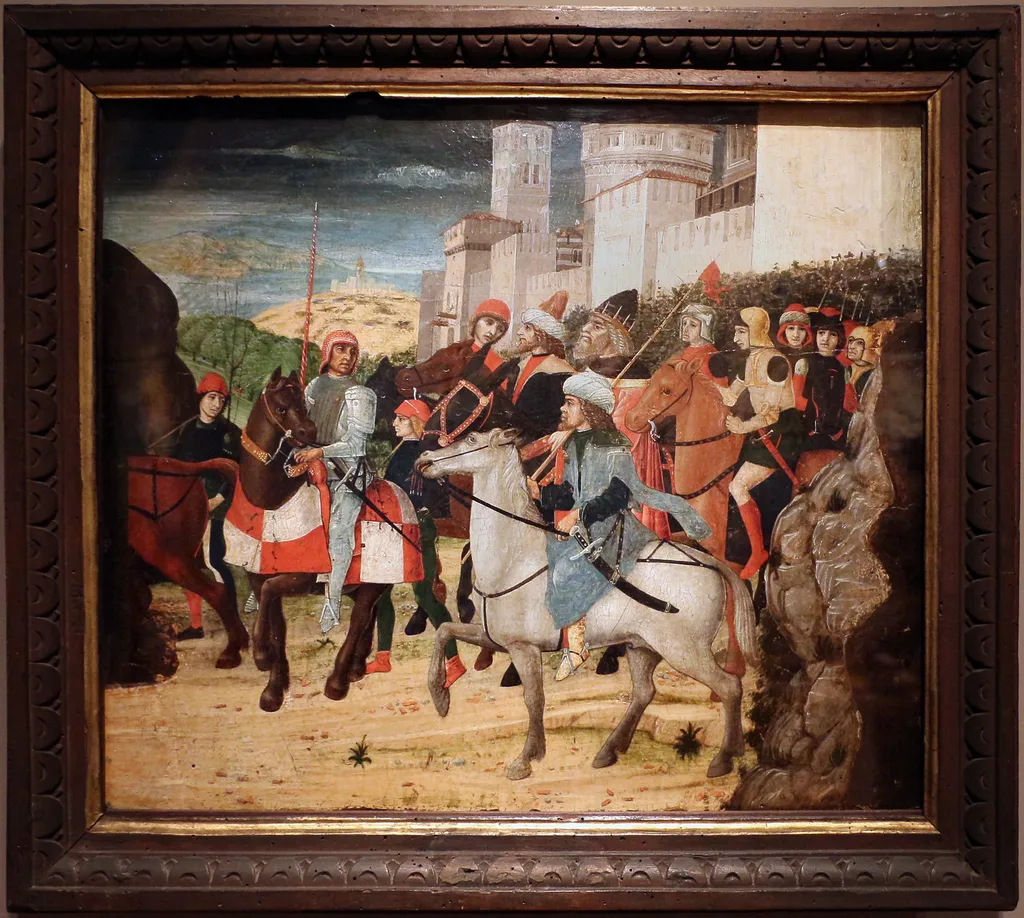
processione dei magi is an unspecified painting by the Northern Renaissance artist Bernardo Parentino. It dates from 1496 and is held in the collection of the Cleveland Museum of Art.
About this work
Overview
Created during the late Renaissance, it reflects the regional artistic currents of Padua and Vicenza, where Parentino spent his career.
Painted in 1496 by Bernardo Parentino, a Venetian-trained artist active in northeastern Italy, this work depicts a religious procession likely representing the journey of the Magi. Created during the late Renaissance, it reflects the regional artistic currents of Padua and Vicenza, where Parentino spent his career. The painting is now part of the Cleveland Museum of Art’s collection, preserved as an example of Northern Italian devotional art from the turn of the sixteenth century.
Subject & Meaning
The scene portrays a procession of figures on horseback, traditionally interpreted as the Three Kings traveling to pay homage to the Christ Child. Though not explicitly religious in every detail, the composition evokes pilgrimage and reverence, aligning with contemporary devotional practices. The varied attire and expressions of the riders suggest individuality within a collective act of worship, reinforcing themes of devotion and hierarchy common in sacred narratives of the period.
Technique & Style
Parentino employed a restrained palette with cool blues and greens in the distant landscape to suggest spatial depth, while warmer tones in the riders’ garments draw the eye forward. His handling of form shows influence from Andrea Mantegna, particularly in the sculptural rendering of figures and architectural elements. The composition avoids dramatic chiaroscuro, favoring a more linear, decorative approach typical of regional Renaissance practice in the Veneto.
History & Provenance
Bernardo Parentino, born around 1450 in Parenzo (then part of the Venetian Republic), worked primarily in Padua and later Vicenza, where he died circa 1500. Little documentation survives about the painting’s early ownership, but its style and date place it within the circle of Paduan artists responding to Mantegna’s legacy. It entered the Cleveland Museum of Art’s collection in the 20th century, likely through a broader acquisition of Italian Renaissance works.
Context
In late 15th-century northern Italy, processional themes were popular in both religious and civic art, reflecting the importance of public ritual. Parentino’s work aligns with a regional tradition that blended humanist detail with devotional intent, distinct from the more monumental styles of Florence or Rome. His paintings catered to local patrons who valued narrative clarity and refined craftsmanship over grandeur.
Legacy
Parentino’s oeuvre remains relatively obscure compared to his contemporaries, but his work offers insight into the diffusion of Mantegna’s influence beyond Venice. 'Processione dei Magi' exemplifies how smaller regional studios adapted Renaissance ideals for local audiences. While not widely reproduced, the painting contributes to understanding the diversity of artistic production in Renaissance Italy outside major urban centers.
Artist & collection
Artist
Bernardo Parentino, also known as Bernardo Parenzano (Italian; Croatian: Bernard Porečan) (c.

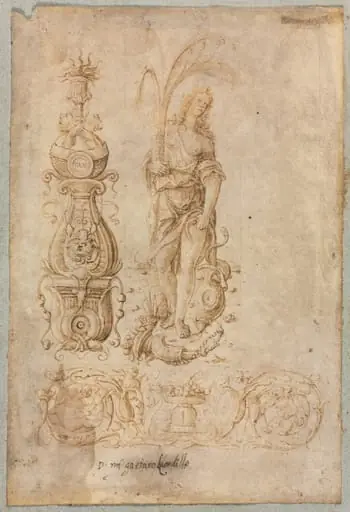
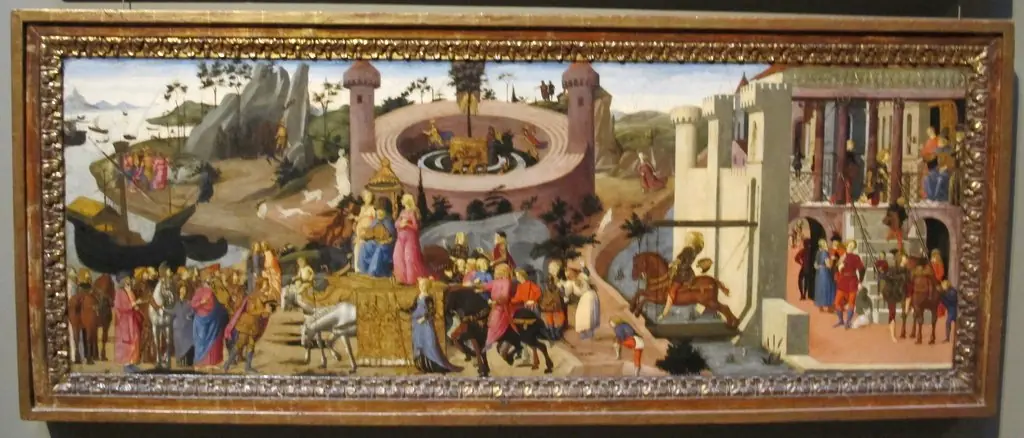 scene con storie degli argonauti
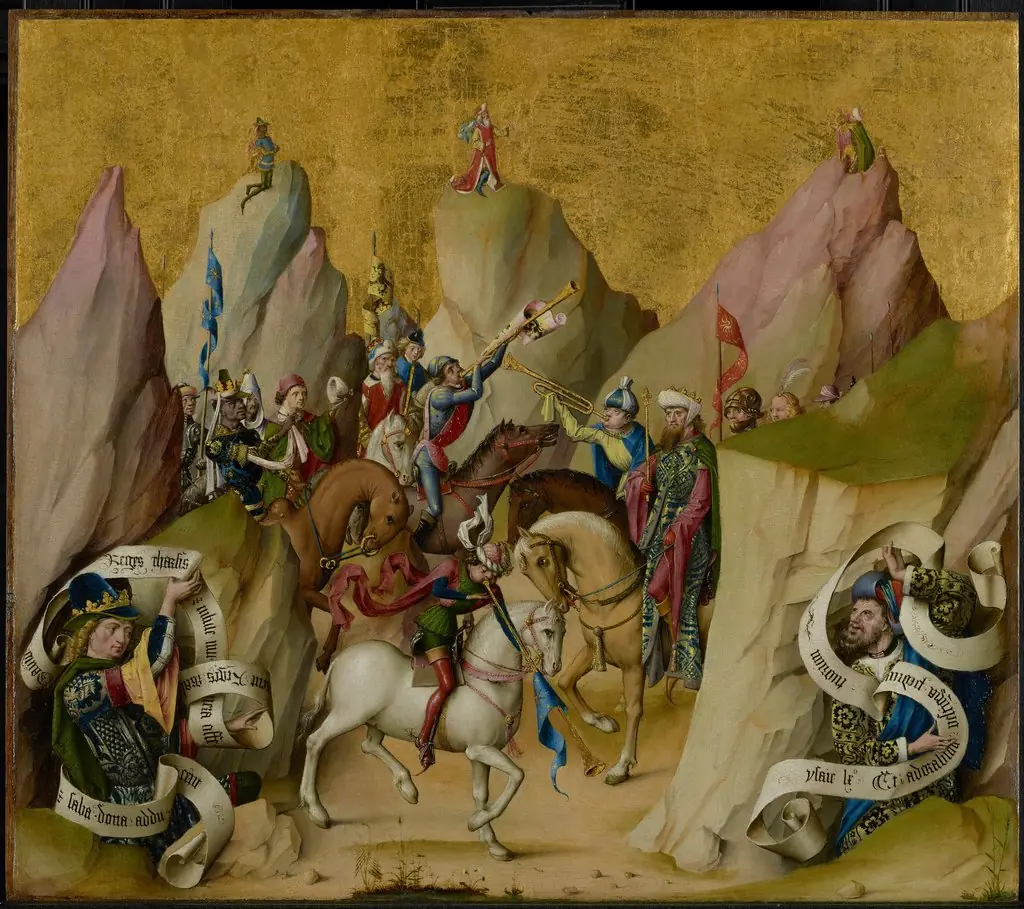 The Meeting of the Three Kings, with David and Isaiah (recto); The Assumption of the Virgin (verso)
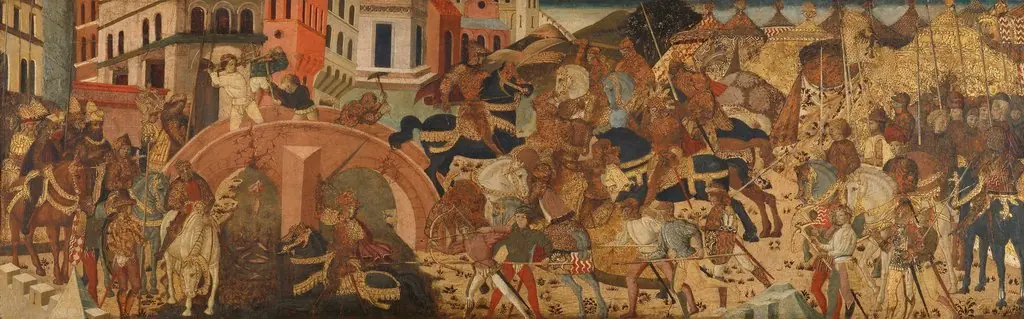 Horatius Cocles Defending the Sublician Bridge
 The Triumph of Camillus
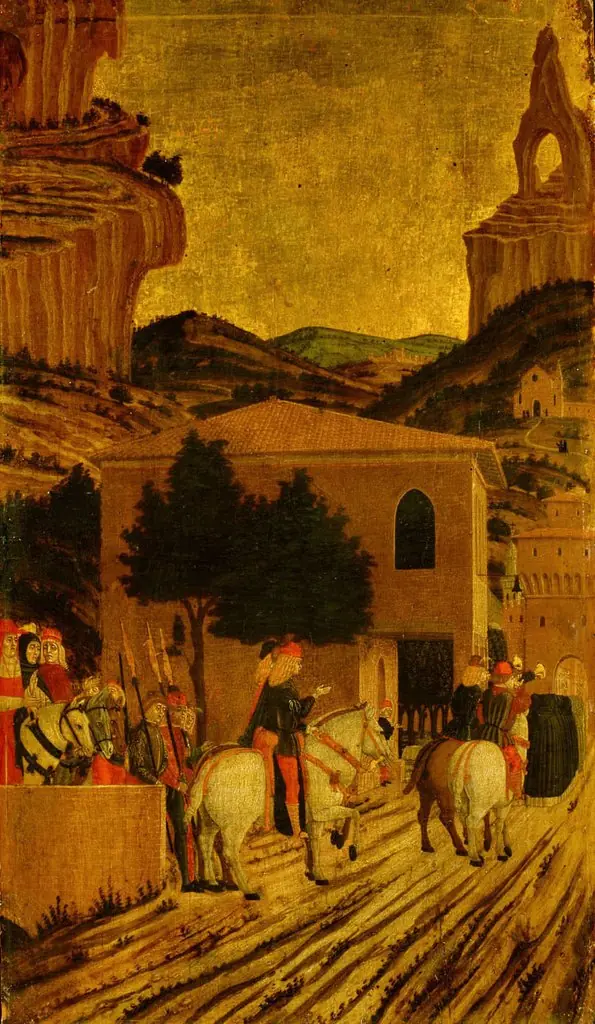 Szene aus dem Leben des Hl. Vinzenz Ferrer: Der Predigerzug des Heiligen, der auf einem Esel reitet
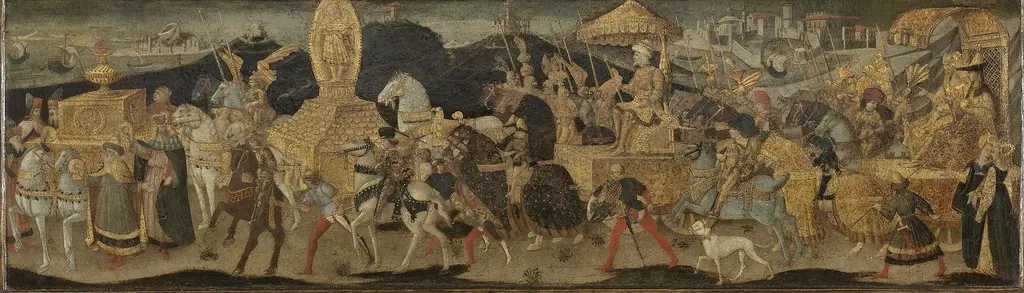 Darius Marching to the Battle of Issus
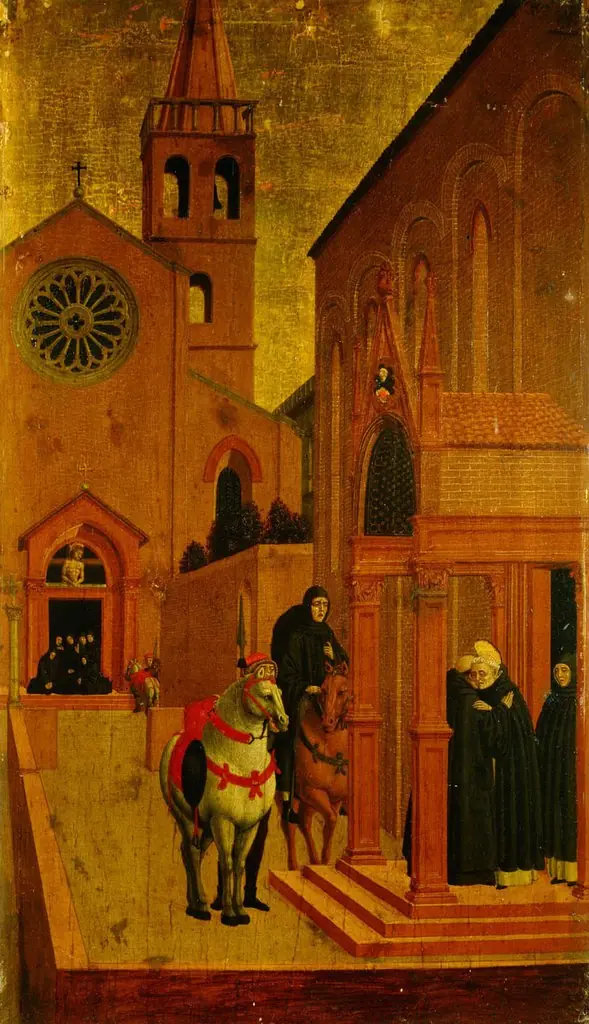 Szene aus dem Leben des Hl. Vinzenz Ferrer: Besuch des Priors von Oreola beim Heiligen; Tod des Bruders Gilabertus vor der Kirchentür
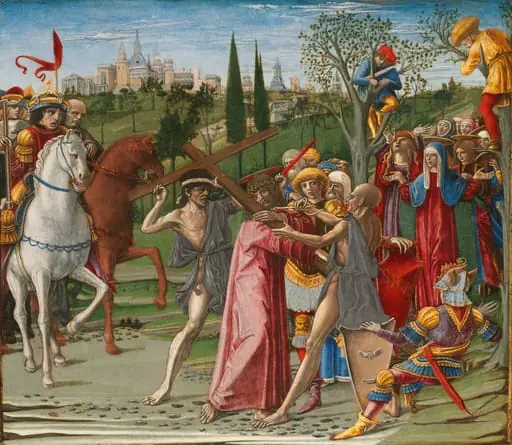 Christ Carrying the Cross
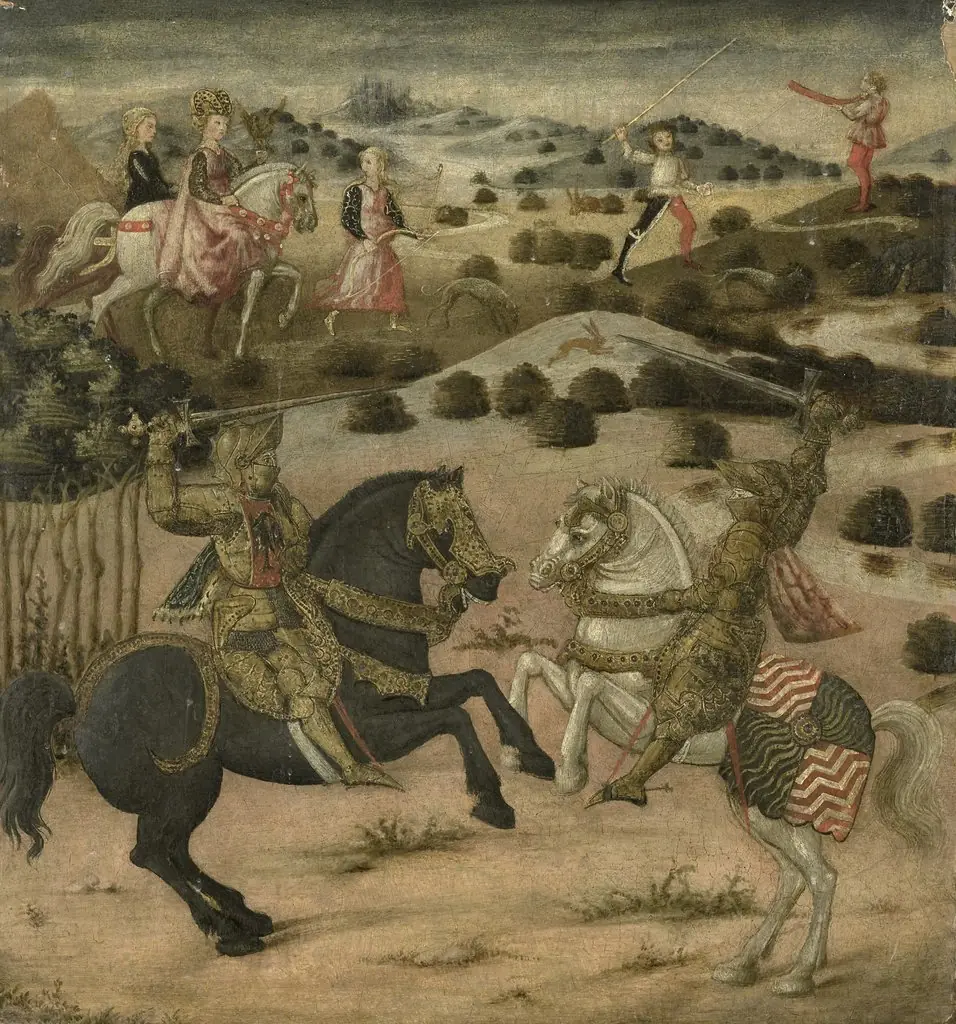 Legend of a Knight (end panel of a cassone)
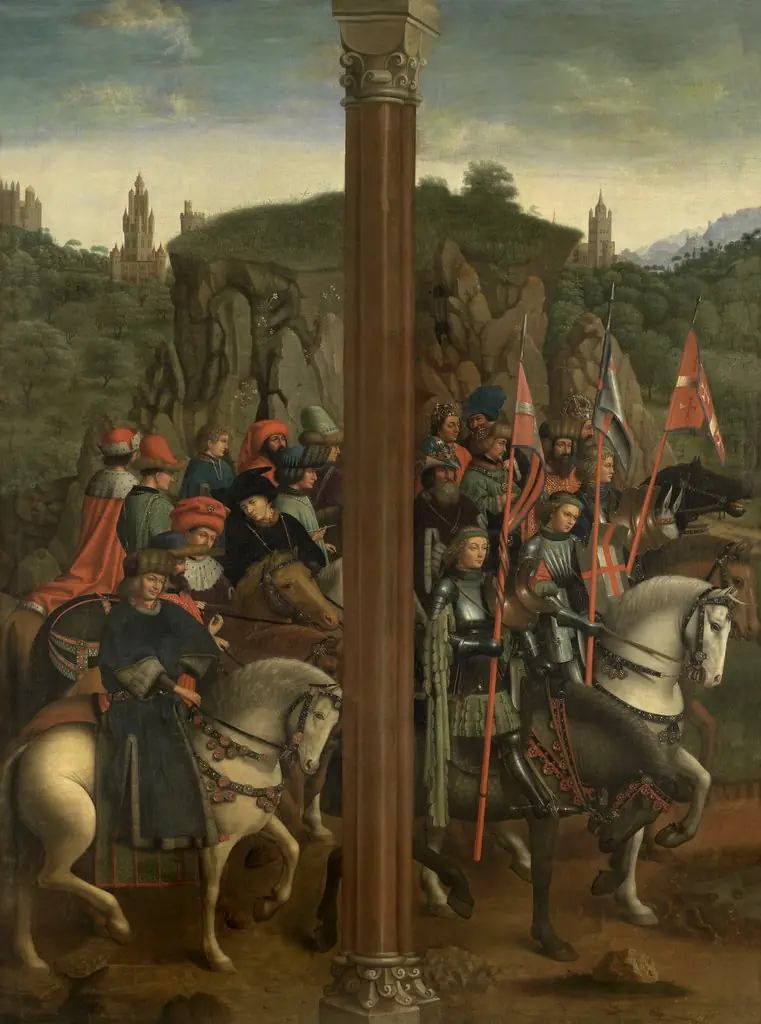 The Knights of Christ and The Just Judges
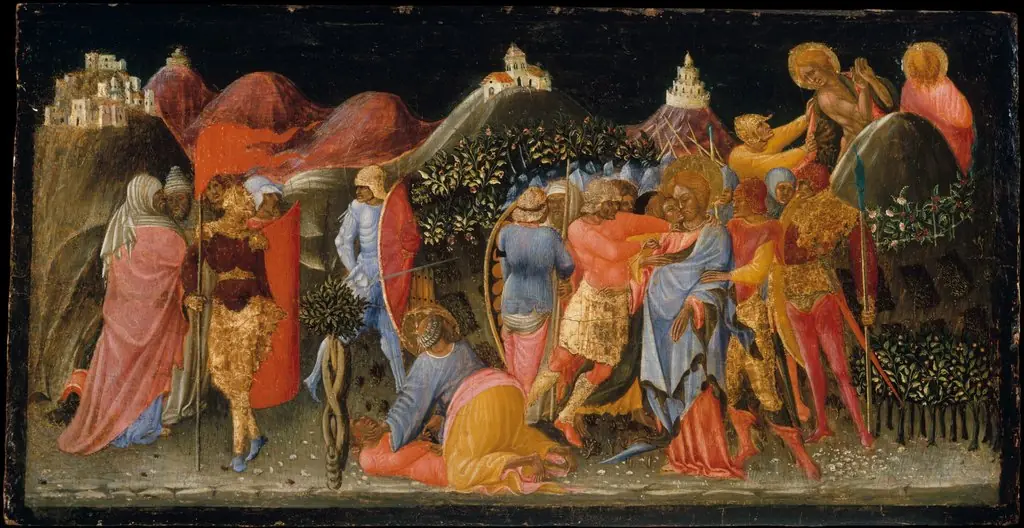 The Betrayal of Christ