Artwork
Slujba Învierii la Stavropoleos
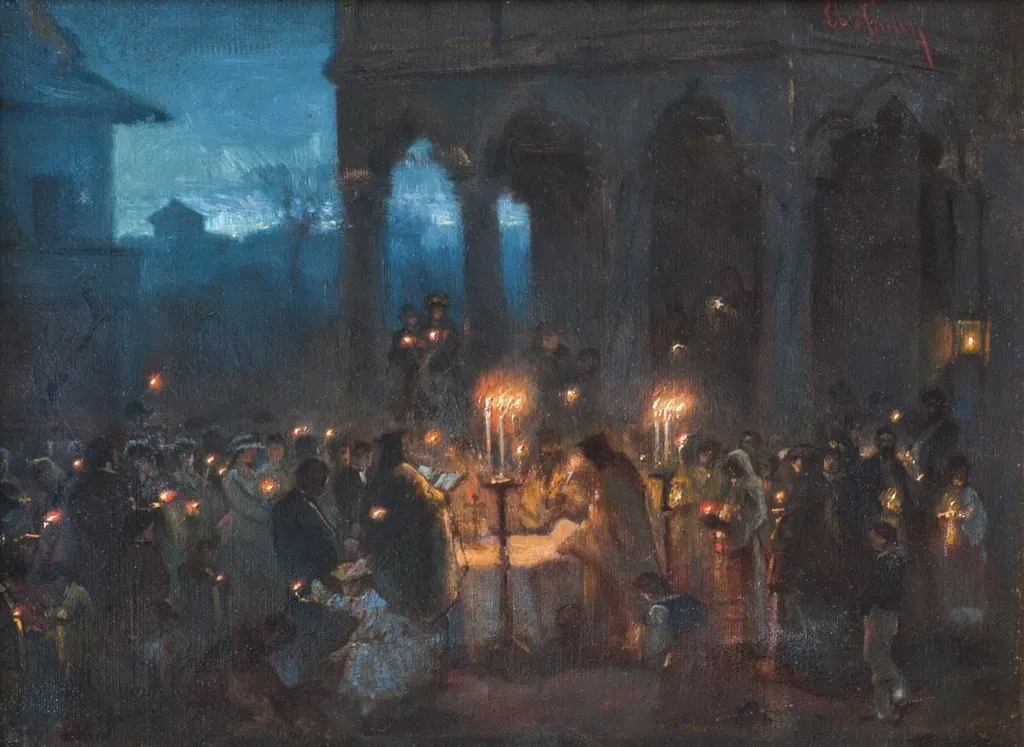
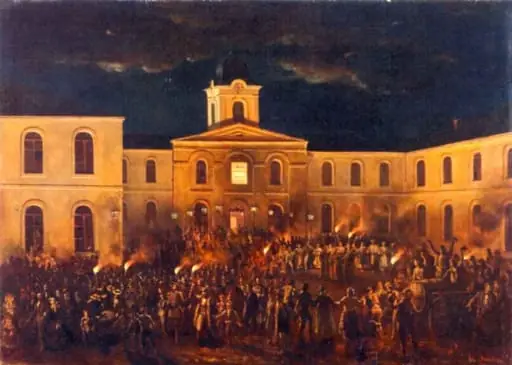
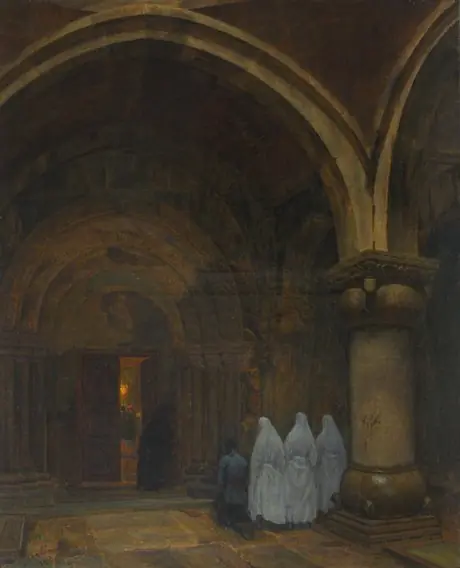
Slujba Învierii la Stavropoleos is a print by Theodor Aman. It dates from 1850 and is held in the collection of the Bucharest Municipality Museum.
About this work
Overview
The painting is part of the Museum of Ethnography’s collection, reflecting its cultural rather than purely religious significance in the national context.
Painted circa 1850 by Theodor Aman, this work captures a nighttime liturgical service at the Stavropoleos Monastery in Bucharest. Aman, a Romanian artist known for his detailed depictions of everyday and religious life, rendered the scene with quiet precision. The painting is part of the Museum of Ethnography’s collection, reflecting its cultural rather than purely religious significance in the national context.
Subject & Meaning
The scene portrays a vigil service for Easter, centered on a table illuminated by candles, around which worshippers gather in silent devotion. The focus is not on ritual action but on collective stillness, emphasizing personal reflection amid communal faith. The absence of overt spectacle underscores the intimacy of private piety within a sacred space, aligning with Orthodox traditions of contemplative worship.
Technique & Style
Aman employed a restrained palette of deep browns, blacks, and muted golds to evoke the dim, candlelit interior. Light pools around the altar, drawing attention to the central figures while the surrounding architecture recedes into shadow. Brushwork is controlled and precise, with attention to texture in fabrics and stone, enhancing the tactile realism of the environment without theatrical embellishment.
History & Provenance
Created during Aman’s early career, the painting emerged from a period when Romanian artists were turning to local subjects amid national cultural revival. It entered the Museum of Ethnography’s holdings in the late 19th century, where it was valued for its documentation of religious customs rather than as a devotional object. Its preservation reflects institutional interest in folk and liturgical traditions.
Context
In mid-19th century Romania, religious imagery was increasingly used to affirm national identity under Ottoman and foreign cultural influence. Aman’s depiction of an Orthodox service in a Bucharest monastery aligned with broader efforts to define a distinct Romanian cultural heritage. The painting avoids idealization, instead offering a grounded view of spiritual life as lived by ordinary congregants.
Legacy
Though not widely exhibited outside Romania, the work remains a key example of Aman’s commitment to documenting domestic religious practice. It influenced later generations of Romanian artists who sought to portray spiritual life with authenticity rather than grandeur. Its quiet composition continues to be studied for its nuanced representation of community and faith in a transitional era.
Artist & collection
Artist
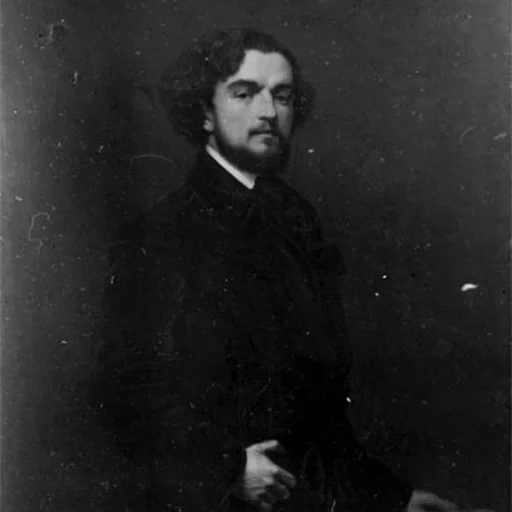
Theodor Aman (20 March 1831 – 19 August 1891) was a Romanian painter, engraver and art professor. He mostly produced genre and history scenes.
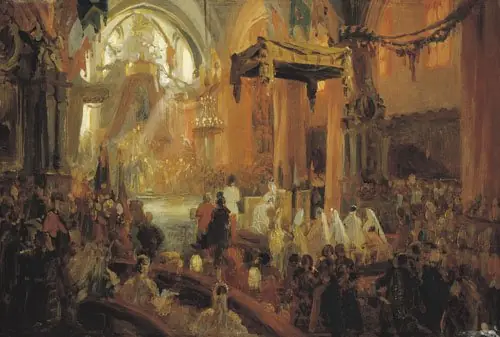 Coronation
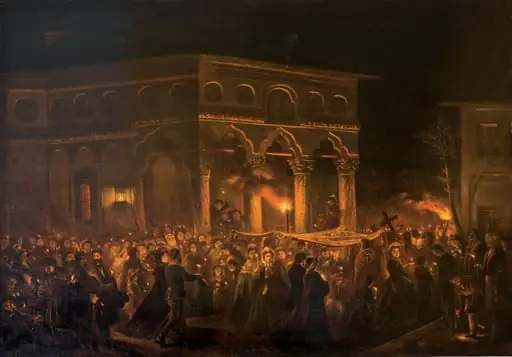 Noaptea din Vinerea Patimilor
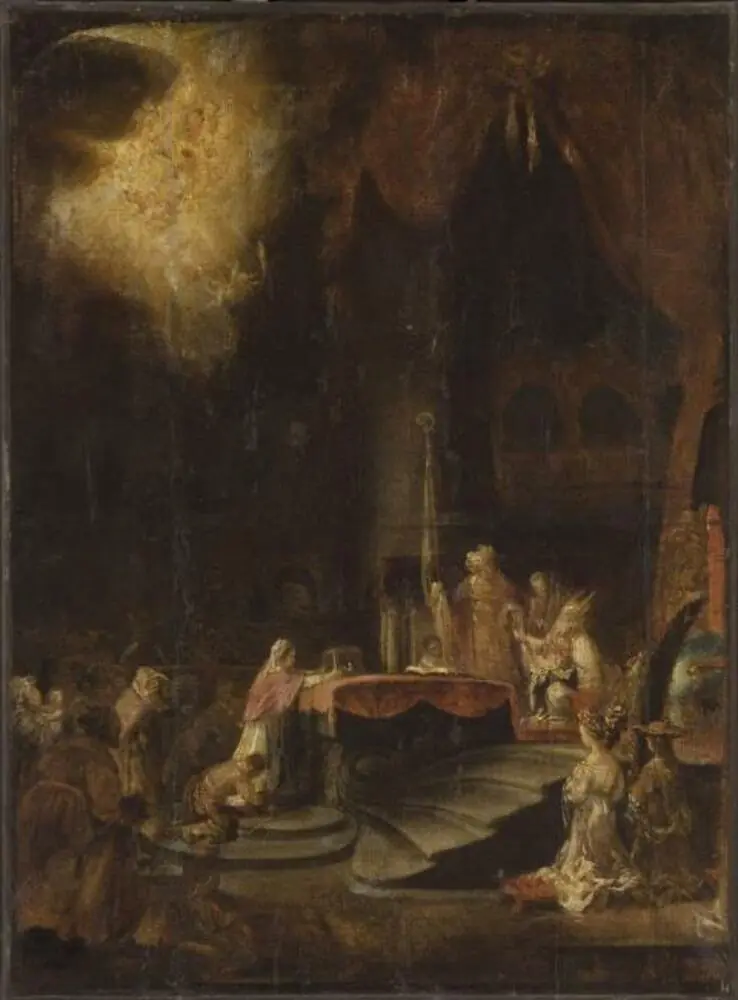 The Presentation of Christ in the Temple
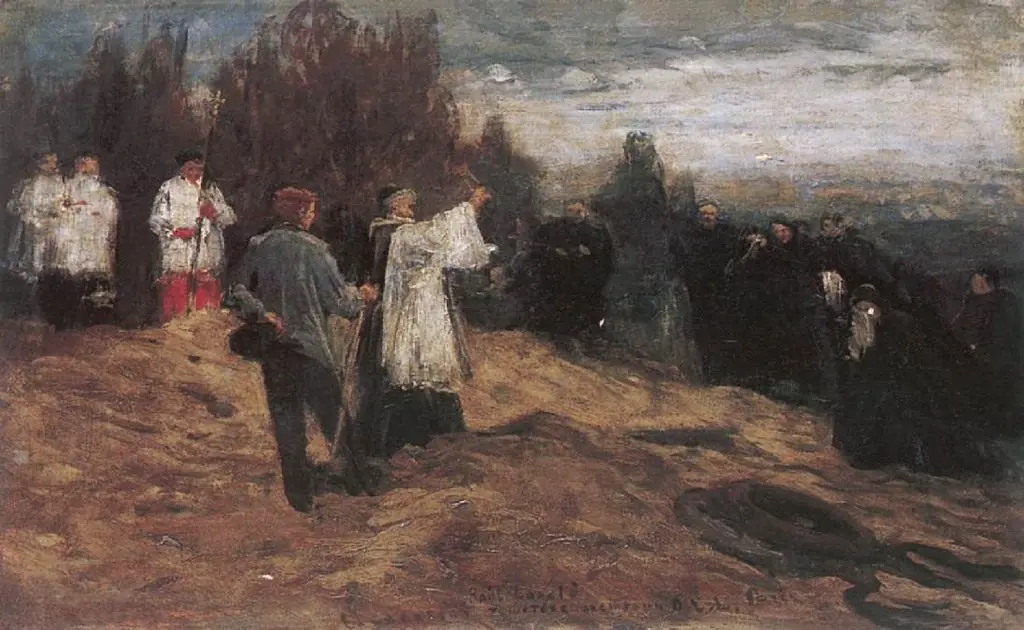 Funeral of László Paál
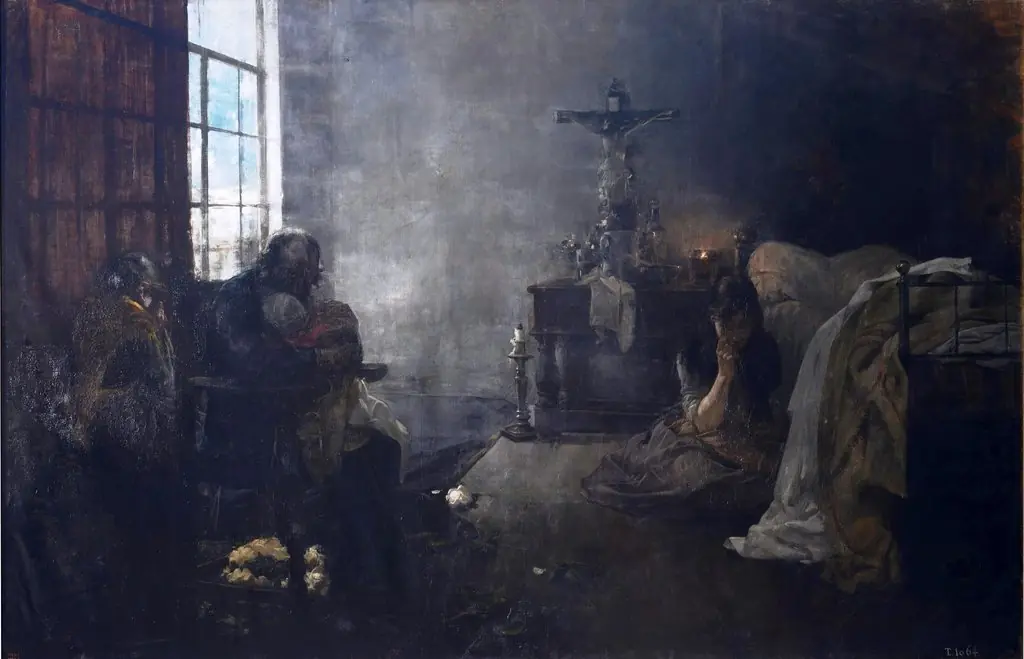 Huérfanos
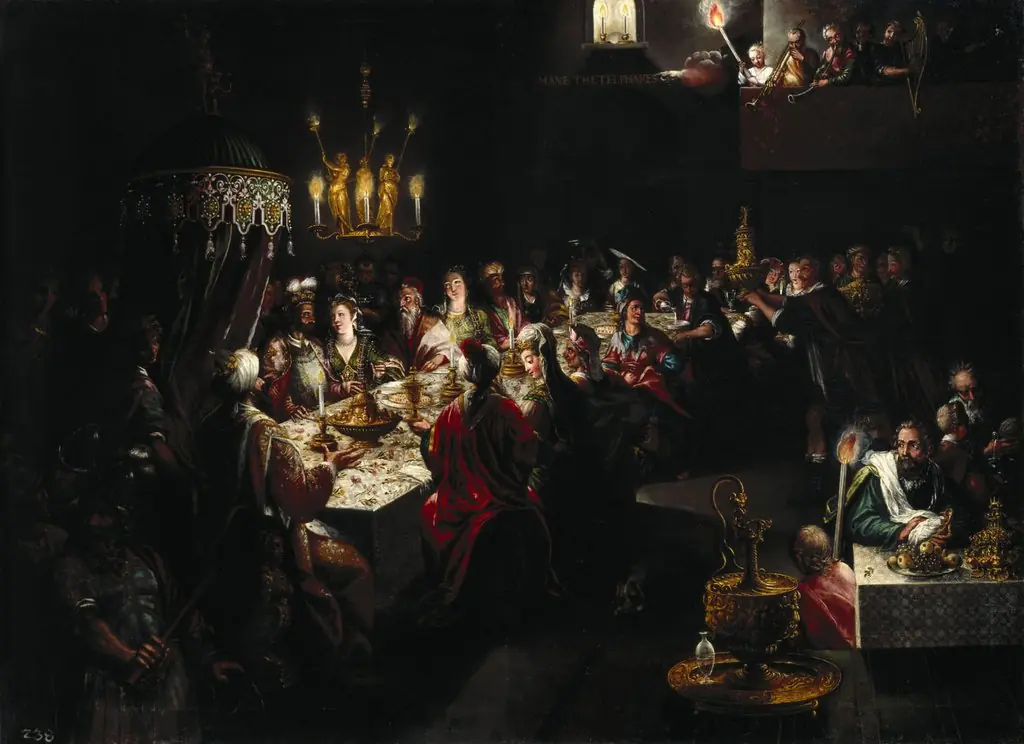 During the Belshazzar's banquet a hand appears and writes on the wall (Danel 5)
 The Knight's Funeral
 Assassination of the Bishop of Liège
 Rustic Piety
 The Three Marys at the Tomb
 Sanahin monastery courtyard
 Untitled