Artwork
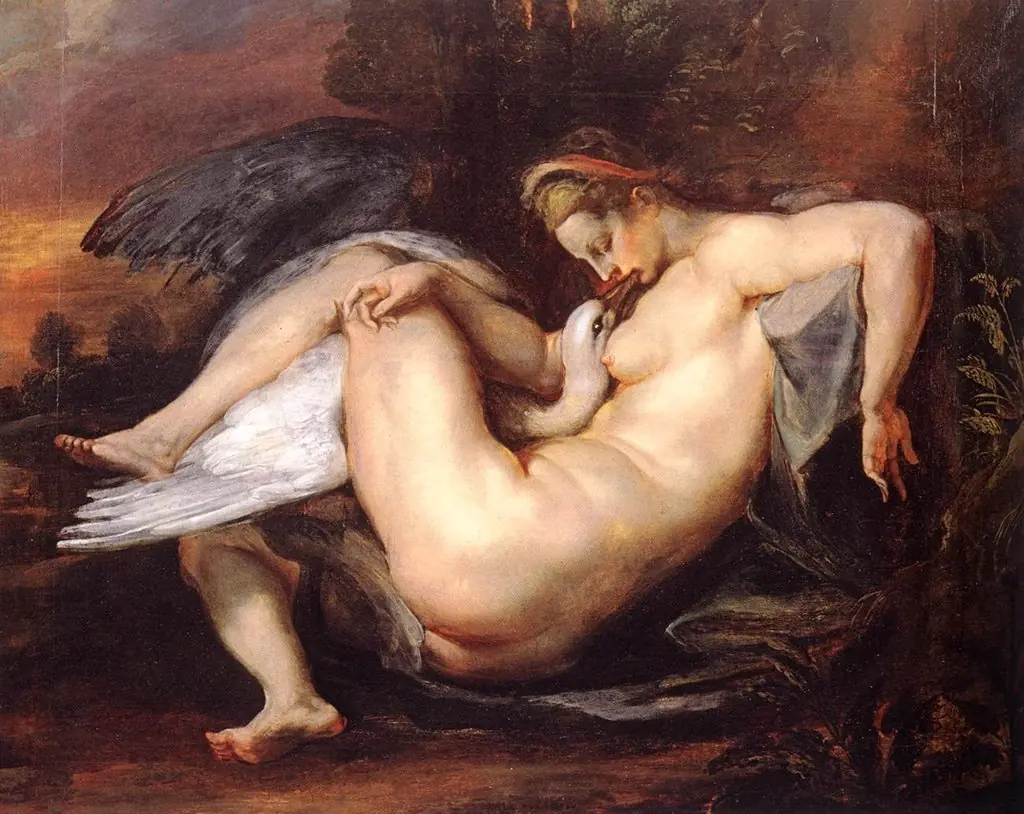
Leda with the Swan (A)

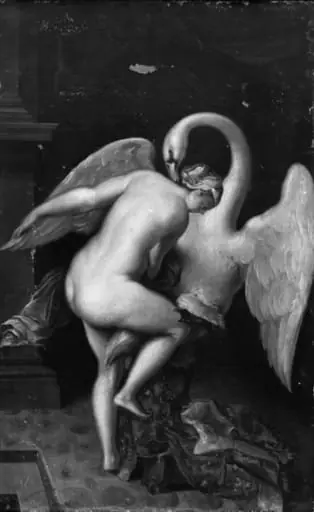
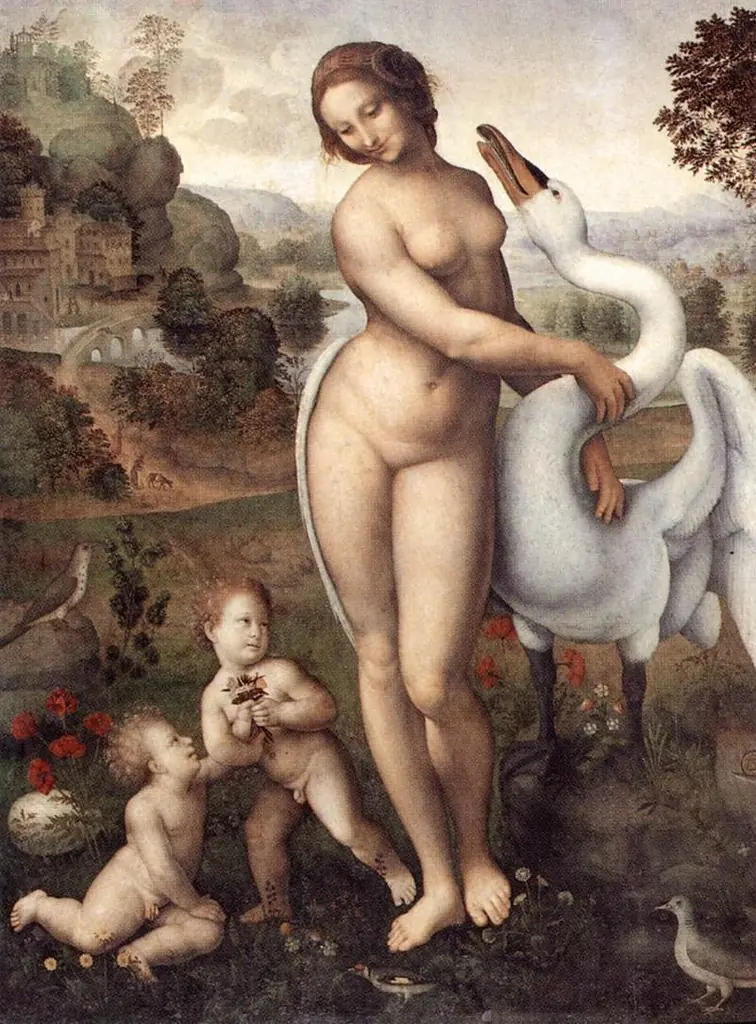
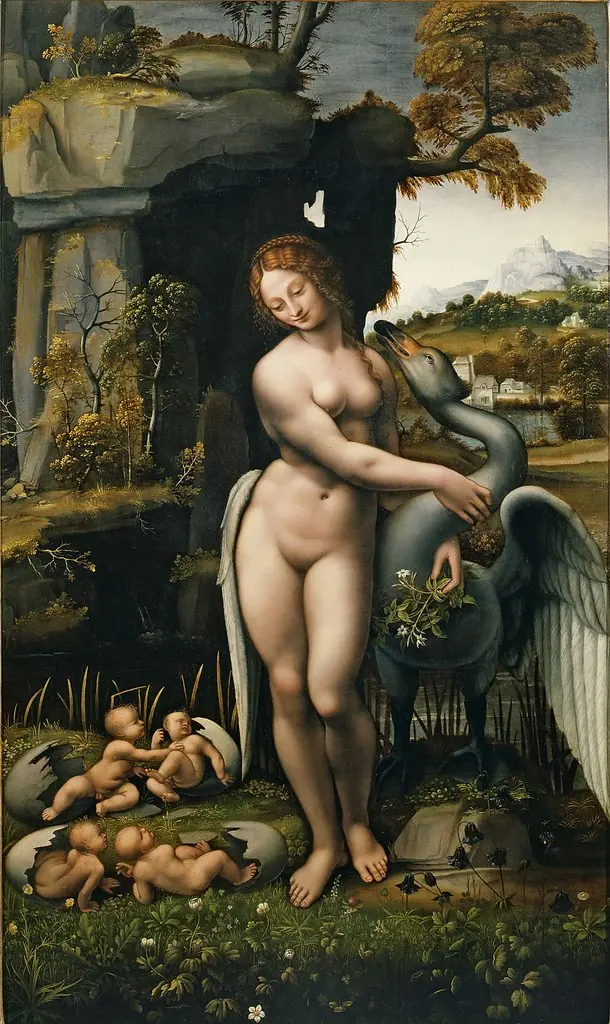
Leda with the Swan (A) is an oil painting by the Symbolist artist Bertalan Székely. It dates from 1890 and is held in the collection of the Hungarian National Gallery.
About this work
Overview
Created in 1890, *Leda with the Swan (A)* is an oil painting by Hungarian artist Bertalan Székely. The work is part of the collection of the Hungarian National Gallery and exemplifies Székely’s engagement with mythological themes during the late nineteenth century.
Subject & Meaning
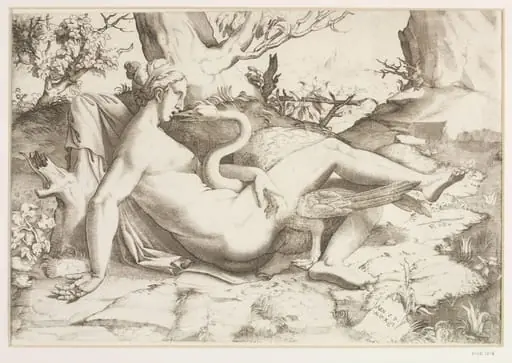
The composition depicts the classical myth of Leda and the swan, in which the god Zeus assumes the form of a swan to seduce the mortal queen Leda. Székely’s rendition emphasizes the encounter’s sensuality and ambiguity, inviting viewers to contemplate the interplay of divine power and human vulnerability.
Technique & Style
Executed in oil on canvas, the painting reflects Székely’s training in the Romantic and Academic traditions, while also incorporating Symbolist tendencies. The artist employs a refined palette and careful modeling of forms, creating a luminous surface that enhances the narrative’s emotional resonance.
History & Provenance
After its completion, the canvas entered the public holdings of Hungary and was eventually accessioned by the Hungarian National Gallery, where it remains on display. The work’s provenance traces back to Székely’s late career, a period marked by his focus on historical and mythic subjects.
Context
Székely, born in Transylvania and active primarily in Budapest, was known for paintings that combined historical documentation with literary and mythological content. *Leda with the Swan (A)* illustrates his continued interest in reinterpreting classical stories through the visual language of the late 19th‑century Symbolist movement.
Artist & collection
Artist
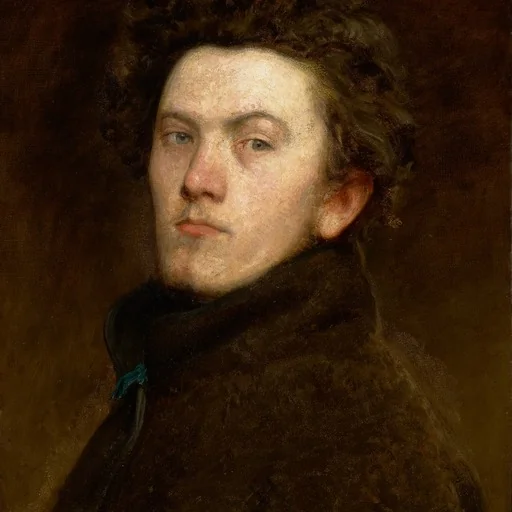
Bertalan Székely (8 May 1835, Kolozsvár, Transylvania, Kingdom of Hungary (now Cluj-Napoca, Romania) – 21 August 1910, Budapest, Transleithania, Austria-Hungary) was a Hungarian history and portrait painter who worked in the Romantic and…