Artwork
Sorrento
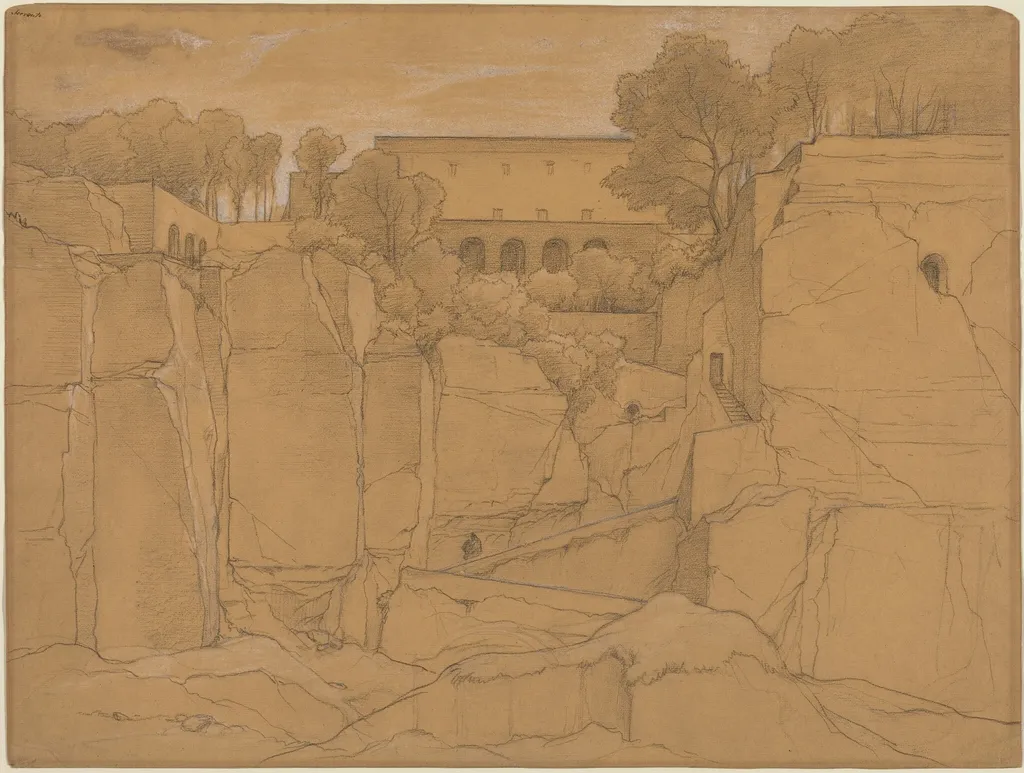
Sorrento is a chalk drawing by the Romanticist artist François-Édouard Bertin. It dates from 1834 and is held in the collection of the National Gallery of Art.
About this work
Overview
François-Édouard Bertin's 1834 drawing, Sorrento, captures a haunting cliffside scene in black and white chalk on tan laid paper. The composition juxtaposes a crumbling structure with natural elements, evoking a sense of abandonment.
Subject & Meaning
The drawing depicts a rocky cliff with a partially ruined building, cracked walls, and sparse human figures. The contrast between the deteriorating man-made structure and the thriving vegetation above suggests themes of transience and the overpowering force of nature.
Technique & Style
Bertin employed black and white chalk on tan paper, resulting in rough, uneven lines that contribute to the work's dramatic and somewhat desolate atmosphere. The medium's texture enhances the emotional intensity of the abandoned landscape.
History & Provenance
Created in 1834, Sorrento is a product of its time, reflecting early 19th-century artistic sensibilities. Provenance details are not provided in the available information.
Context
Sorrento aligns with Romantic-era emphases on emotion, the sublime, and the interplay between nature and human presence. The work invites contemplation of decay and the natural world's resurgence.
Legacy
While specific legacy details of Sorrento are not provided, it contributes to the broader understanding of Bertin's oeuvre and the Romantic movement's exploration of nature, abandonment, and the human condition.
Artist & collection


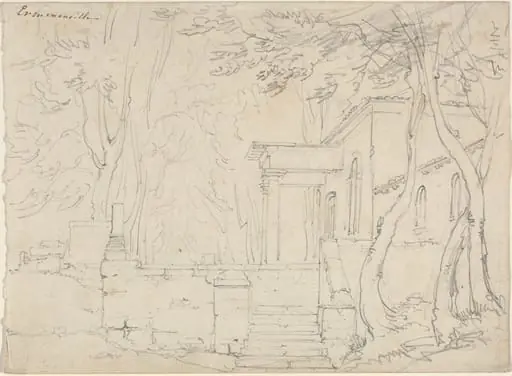
![A Terrace and Garden on Capri [recto], by François-Édouard Bertin](https://artifactworldgallery.com/img/francois-edouard-bertin--a-terrace-and-garden-on-capri-recto--8bd3839591b56d81-w320.webp)
![View up a Street in Sorrento [verso], by François-Édouard Bertin](https://artifactworldgallery.com/img/francois-edouard-bertin--view-up-a-street-in-sorrento-verso--d628dffbf459271a-w320.webp)
 Convent of St. Katherine, Mount Sinai
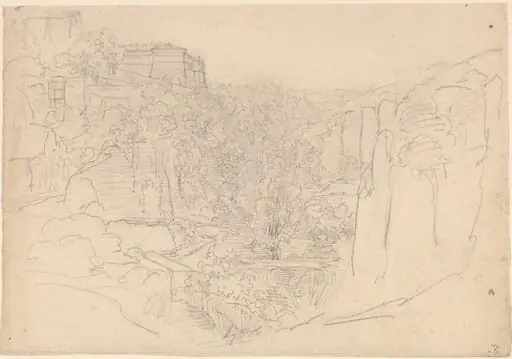 Fortified Castle Above a Narrow Valley
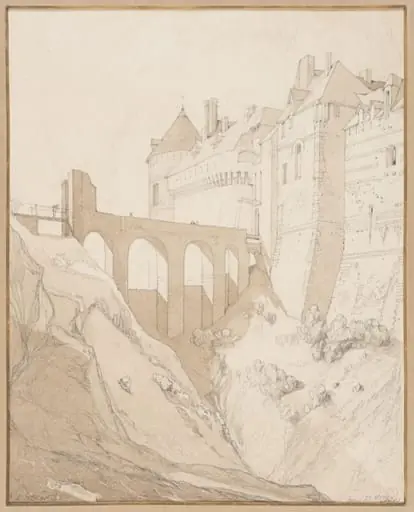 Principal Entrance to the Castle of Dieppe
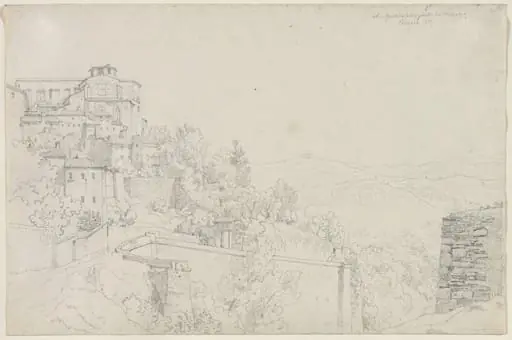 Saint Agostino from Bulagajo, Perugia (San Agostino dalla parte del Bulagajo, Perugia)
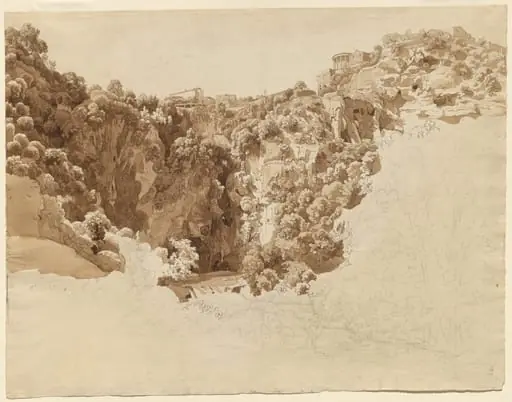 Tivoli and the Temple of the Sibyl above the Aniene Gorge
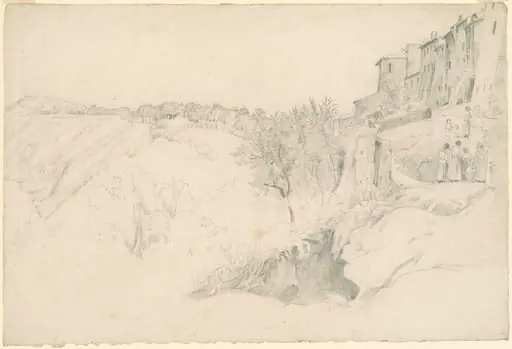 Hillside with Houses and Figures
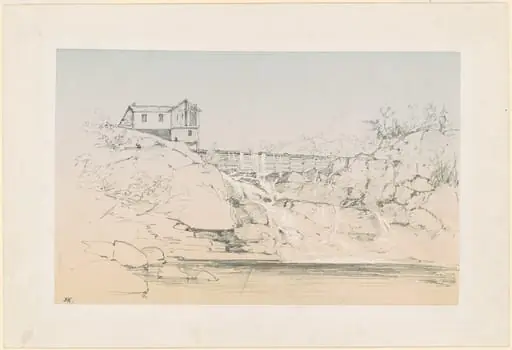 Building by a Dam
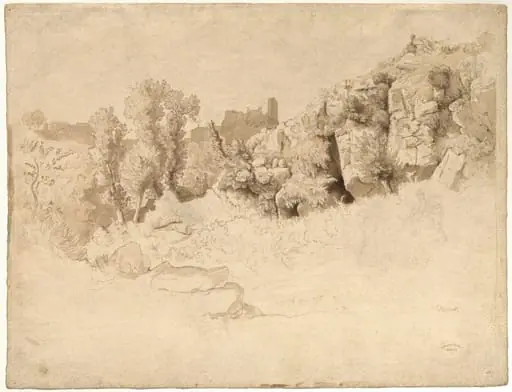 Rock Formations near Olevano
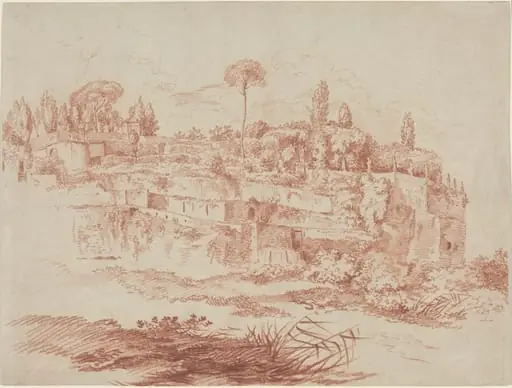 Gardens of the Villa Mattei
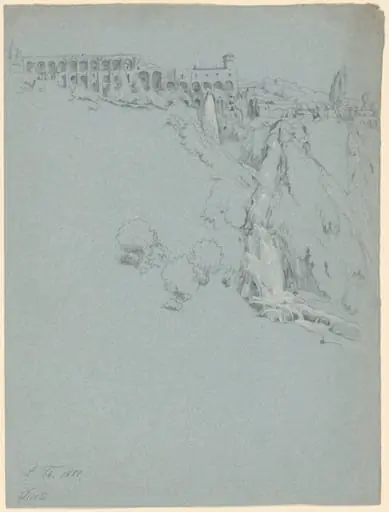 The Waterfall at Tivoli with the Villa of Maecenas
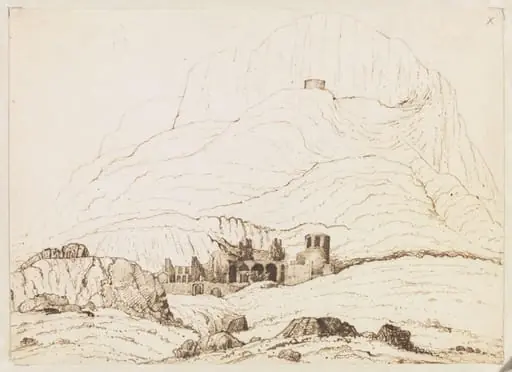 St. Sophia - near Djulfa - Ispahan
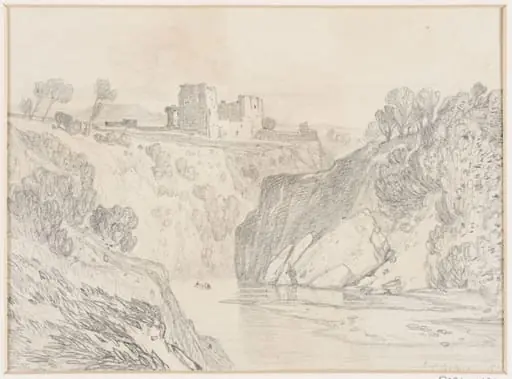 Kilgerran Castle, Pembrokeshire