Artwork
St. Sophia - near Djulfa - Ispahan
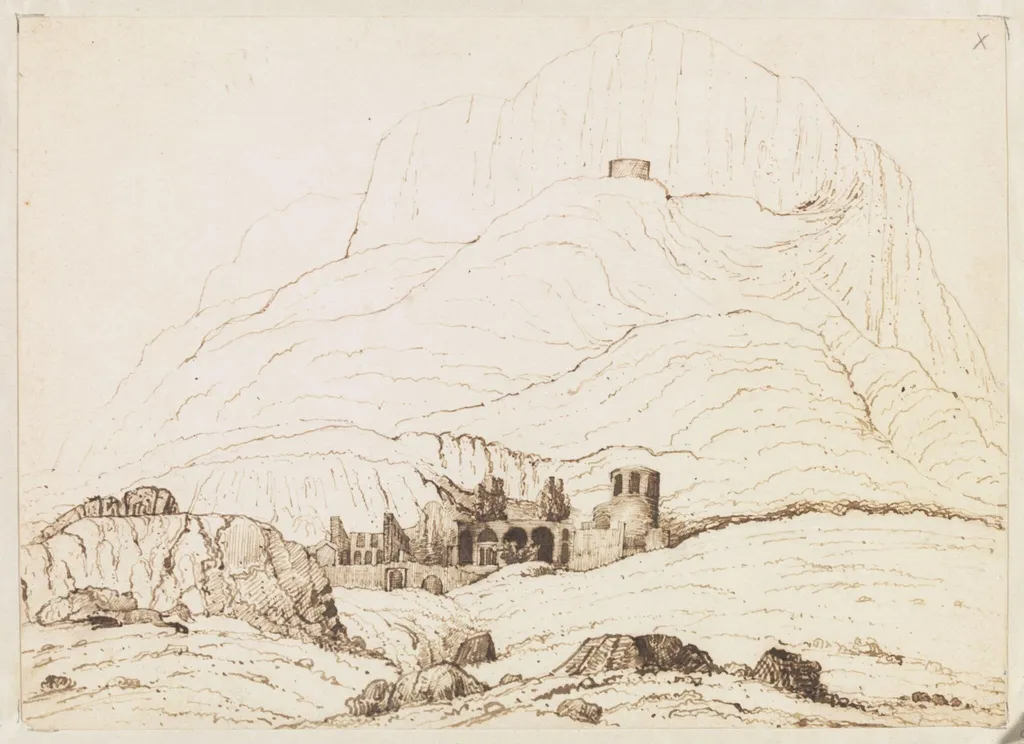
St. Sophia - near Djulfa - Ispahan is a watercolor work on paper by the Orientalist artist Godfrey Thomas Vigne. It dates from 1833 and is held in the collection of the Victoria and Albert Museum. This watercolour presents a rugged hillside scene on Mount Sufeh, south of Julfa, where a modest settlement clings to the slope.
About this work
Overview
This watercolour presents a rugged hillside scene on Mount Sufeh, south of Julfa, where a modest settlement clings to the slope. A prominent tower and several structures rise from the rocky terrain, linked by a winding path. Sparse vegetation and uneven ground convey a dry, austere atmosphere, while the light falls unevenly across the composition, highlighting both shadowed and illuminated areas.
Subject & Meaning
The image captures Safavid-era architecture associated with a spring on the mountain, yet it appears to merge this locale with New Julfa, the Armenian quarter established near Isfahan after the 1606 relocation. By juxtaposing the historic buildings with the natural setting, the work reflects contemporary interest in the cultural and geographic transformations of the region during the early nineteenth century.
Technique & Style
Executed in watercolour, the artist employs loose, sketch‑like lines to record the landscape swiftly, suggesting an on‑site impression rather than a finished studio piece. The palette is restrained, with washes that convey atmospheric depth, while the uneven illumination creates contrast between bright highlights and deeper shadows, emphasizing the terrain’s texture and the structures’ verticality.
History & Provenance
The drawing derives from the observations of English traveler Godfrey Thomas Vigne during his 1830s journeys through Persia, later incorporated into his 1842 travel narrative. The work entered the museum’s collection in 1971, acquired from Vigne’s great‑nephew, and forms part of a broader group of the traveler’s watercolours held by the institution.
Context
During Vigne’s travels, the Safavid architectural legacy and the Armenian diaspora’s new settlement at New Julja were subjects of European curiosity. The watercolour reflects the period’s burgeoning interest in documenting exotic locales, blending topographical detail with cultural markers, and contributes to the visual record of early nineteenth‑century Persian landscapes.
Artist & collection


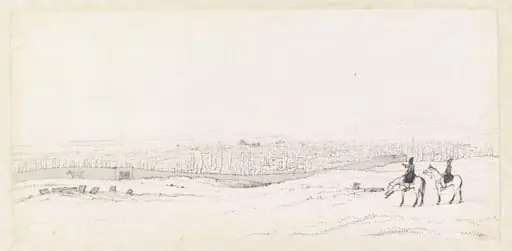
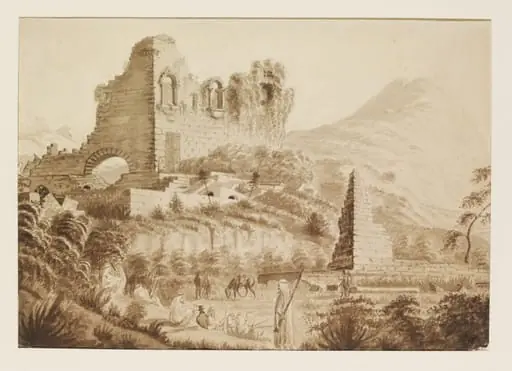 Villa Sevillana on the Road from Bona to Constantine
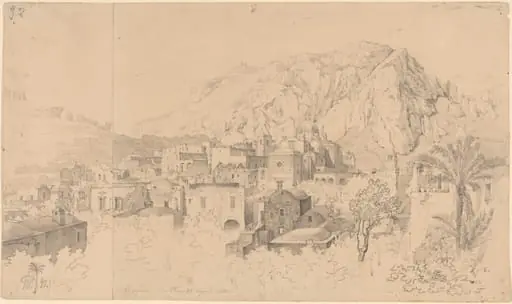 View of Capri
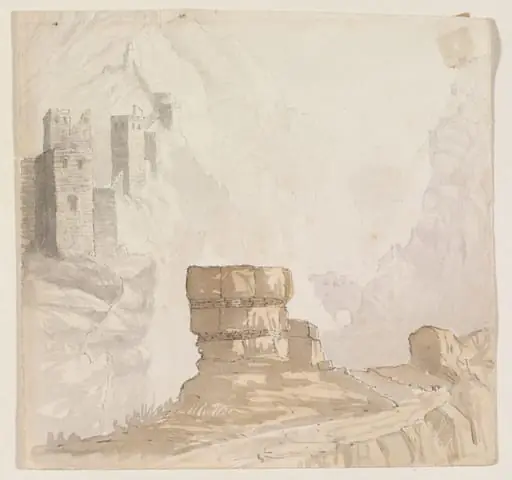 Remains of Roman Walls - Hell Gate - Antioch -
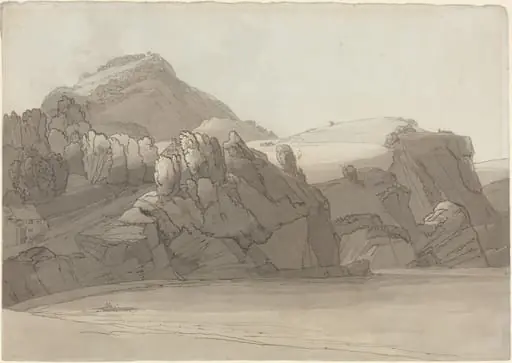 A Rocky Shore at Coombmartin, Devon (Combe Martin Bay)
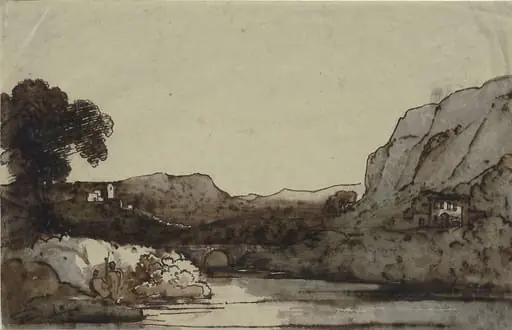 Landscape with Bridge and Mountains
![The Fantastic Rocks and Castle at Bomarzo [recto], by Bartholomeus Breenbergh](https://artifactworldgallery.com/img/bartholomeus-breenbergh--the-fantastic-rocks-and-castle-at-bomarzo-recto--e05f03da6f1f9c0a-w320.webp) The Fantastic Rocks and Castle at Bomarzo [recto]
The Fantastic Rocks and Castle at Bomarzo [recto]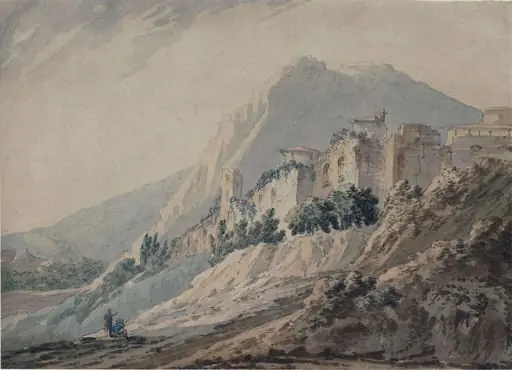 Mountainous landscape with ruined building
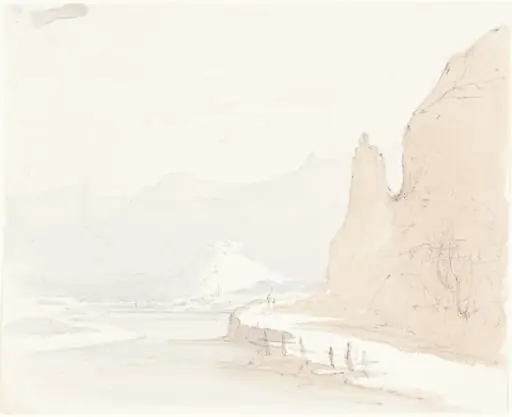 Swiss Landscape with a Village in the Distance
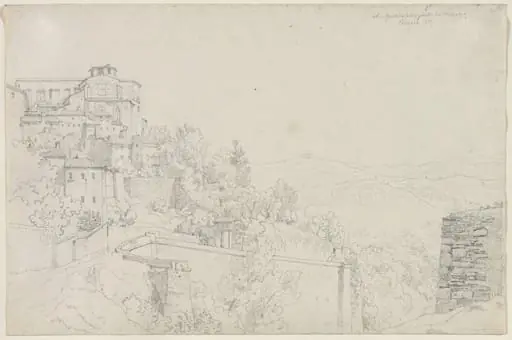 Saint Agostino from Bulagajo, Perugia (San Agostino dalla parte del Bulagajo, Perugia)
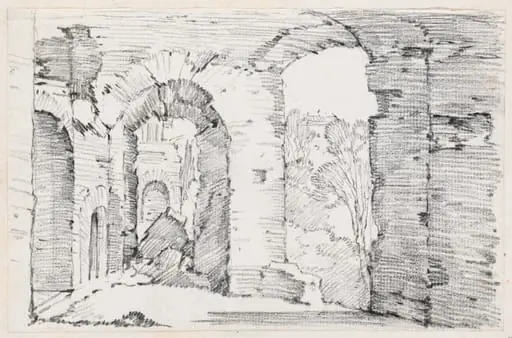 Arched Passageways of a Ruined Building
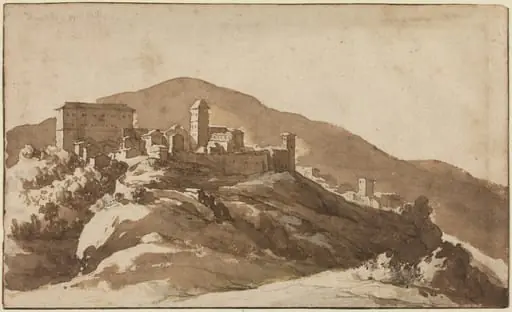 A View of Savelli near Albano
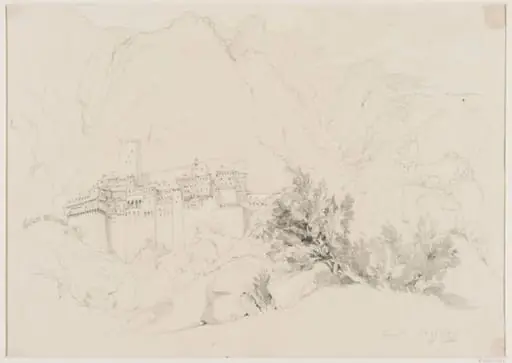 Convent F<sup>t</sup> of Paul, M<sup>t</sup> Athos