Artwork
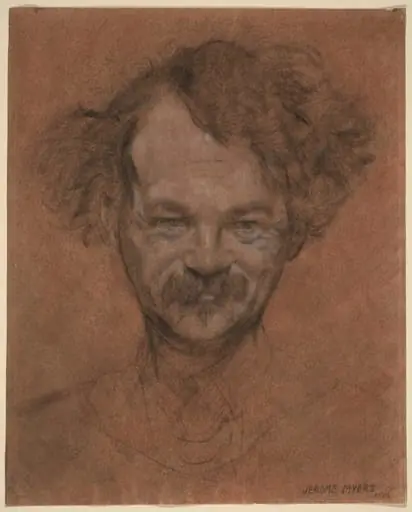
Self-Portrait
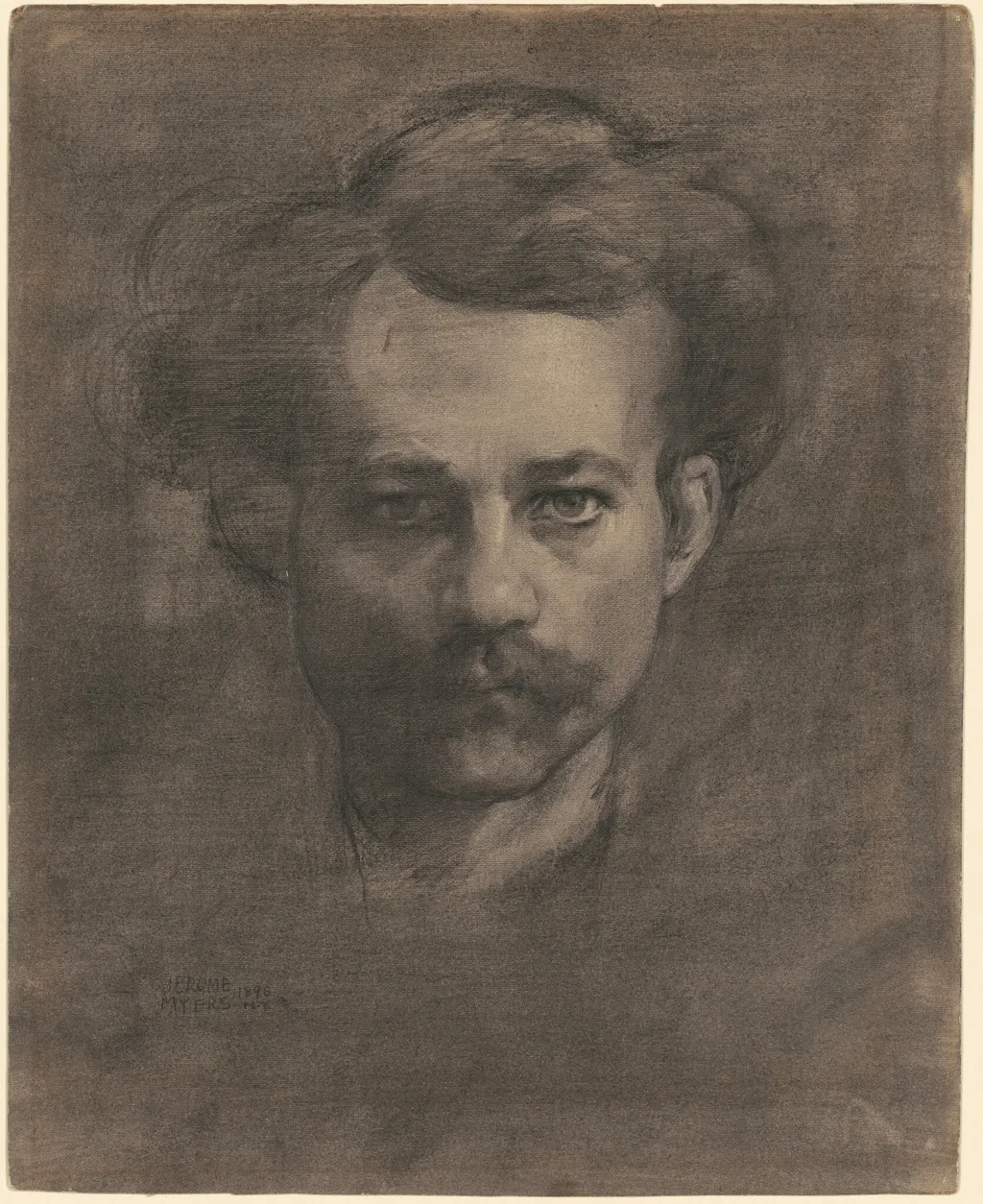
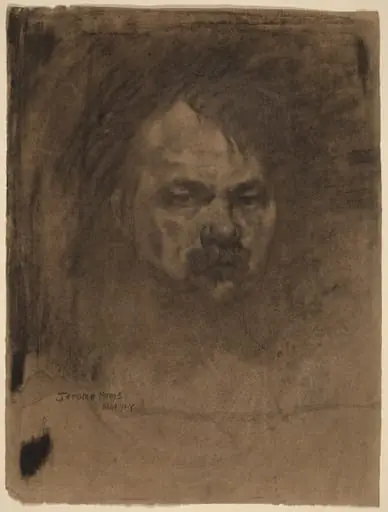
Self-Portrait is a charcoal drawing by the Impressionist artist Jerome Myers. It dates from 1896 and is held in the collection of the National Gallery of Art.
About this work
Overview
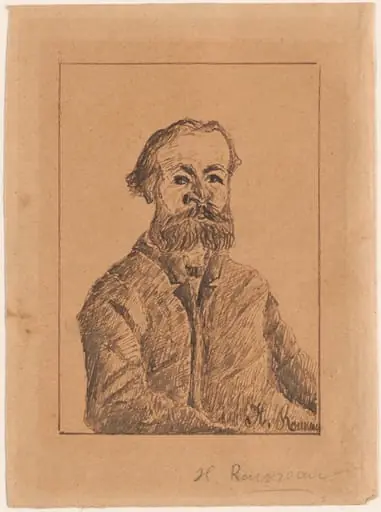
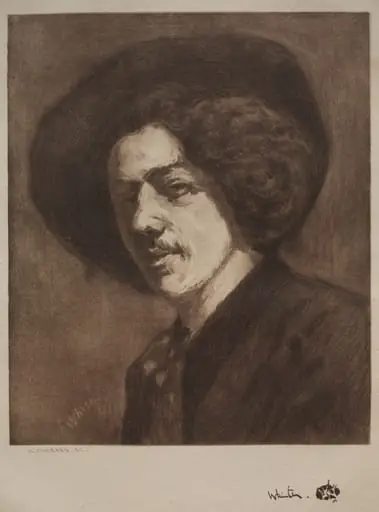
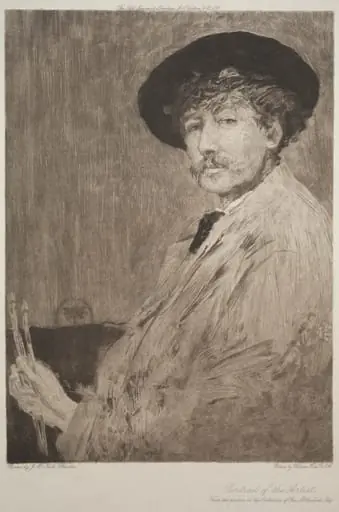
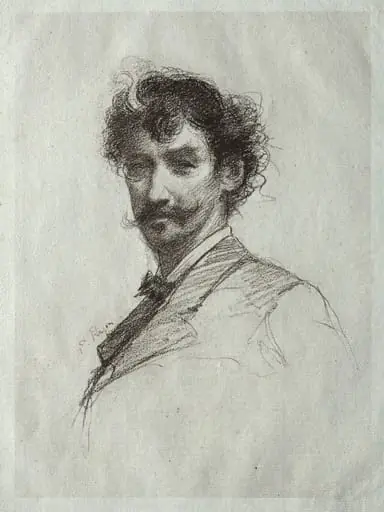
Jerome Myers’ *Self‑Portrait* (1896) is a charcoal drawing on wove paper. The composition presents a close‑up view of the artist’s own face, filling most of the sheet, against an unadorned, shadowy background that isolates the figure.
Subject & Meaning
The work offers a straightforward, unembellished depiction of Myers himself, capturing a serious expression and a subtle frown. By avoiding idealization, the portrait reflects the artist’s commitment to portraying individuals as they appear, a hallmark of his broader interest in everyday urban life.
Technique & Style
Executed solely with charcoal, the drawing displays a range of marks from thick, almost smudged strokes to fine, controlled lines. This contrast creates a textured surface and a nuanced modeling of light and shadow, employing a scumbling‑like approach to build depth without additional media.
History & Provenance
Myers, who studied at Cooper Union and the Art Students League before aligning with the Ashcan School, produced the piece early in his career while based in New York City. The drawing remains a representative example of his early self‑representation before his later focus on broader urban scenes.
Own this work as a print
Artist & collection
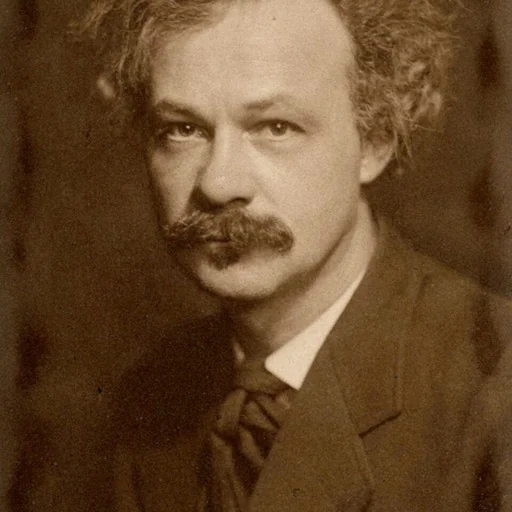
Artist
Jerome Myers (March 20, 1867 – June 19, 1940) was an American artist and writer associated with the Ashcan School, particularly known for his sympathetic depictions of the urban landscape and its people.