Artwork
Red Sulphur Spring
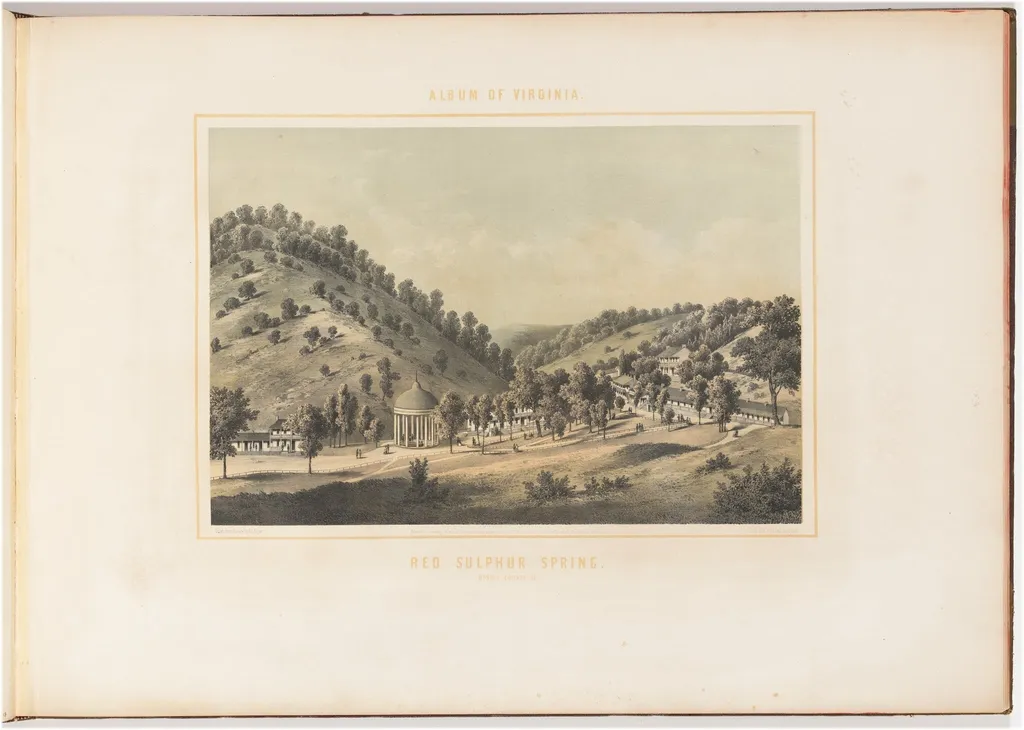
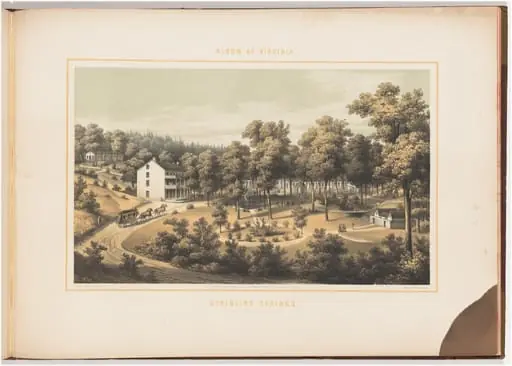
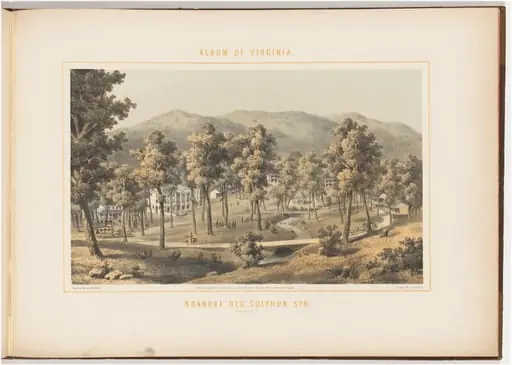
Red Sulphur Spring is an ink print by the Impressionist artist Edward Beyer. It dates from 1857 and is held in the collection of the National Gallery of Art.
About this work
Overview
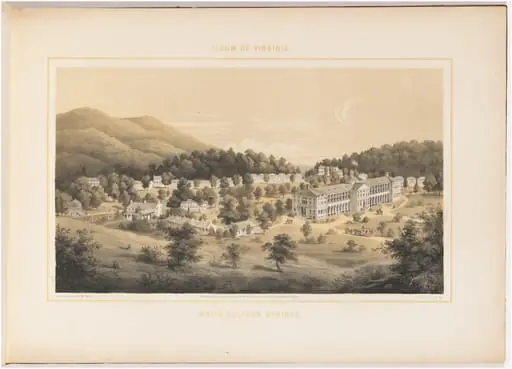
Created in 1857, *Red Sulphur Spring* is a color lithograph on wove paper by the German‑born American landscape artist Edward Beyer. The image presents a tranquil hillside with a meandering road, modest structures, and a central white‑roofed pavilion set amid trees. Gentle hills rise in the distance, and a few figures traverse the path, suggesting a leisurely visit to a mineral spring locale.
Subject & Meaning
The composition depicts a specific spring site, likely situated in Virginia, where 19th‑century travelers sought the reputed health benefits of mineral waters. By portraying the pavilion and surrounding scenery, the print emphasizes the cultural practice of resorting to natural springs for recreation and cure, reflecting contemporary fascination with the therapeutic landscape.
Technique & Style
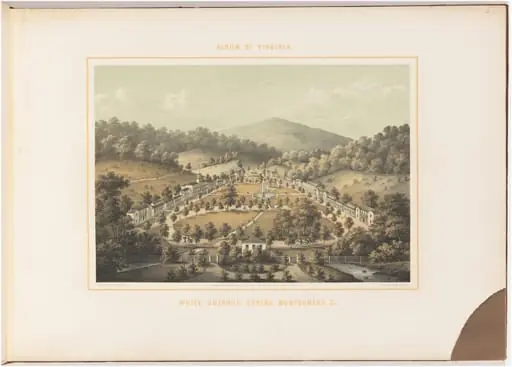
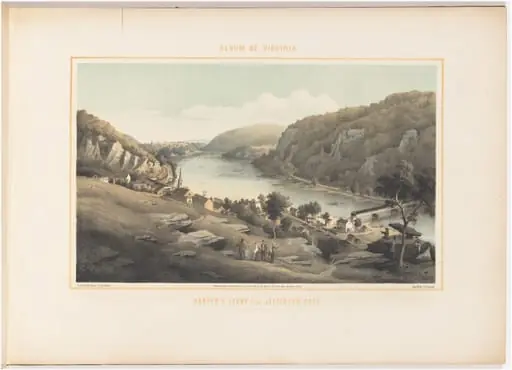
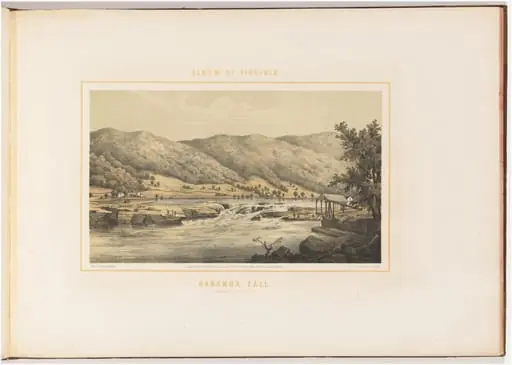
Executed as a color lithograph, the work combines multiple stone plates to reproduce nuanced hues and fine line work. The lithographic process allowed Beyer to render delicate foliage, subtle tonal shifts in the hills, and the crisp architecture of the pavilion, achieving a balance between detailed observation and the soft atmospheric quality typical of his landscape oeuvre.
History & Provenance
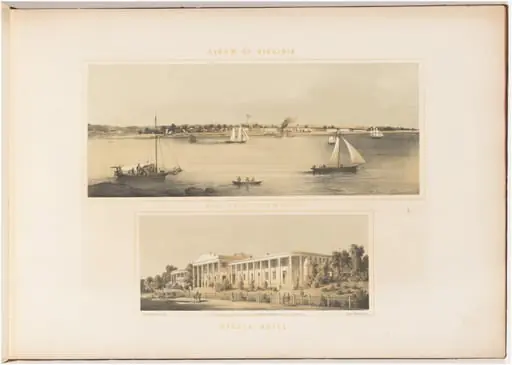
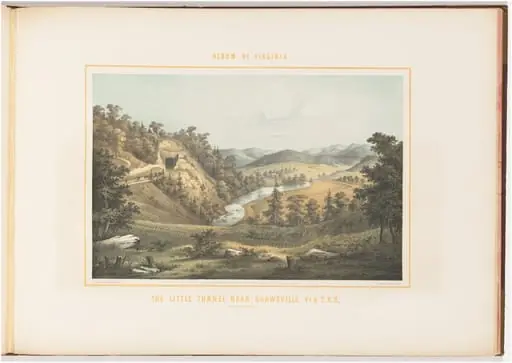
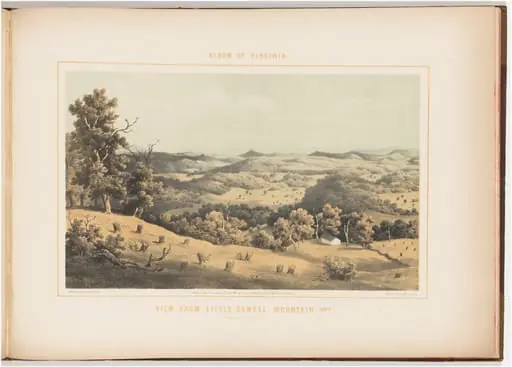
Edward Beyer, active in the United States during the Antebellum period, produced the print as part of a broader effort to document Southern scenery. While the original paper and printing details remain in private collections, the image has circulated in exhibition catalogues and scholarly references to 19th‑century American lithography, underscoring its role in visualizing regional natural sites.
Artist & collection
Artist
Edward Beyer (1820–1865) was a German landscape painter who was active in the United States and became known for his depiction of the Antebellum South.