Artwork
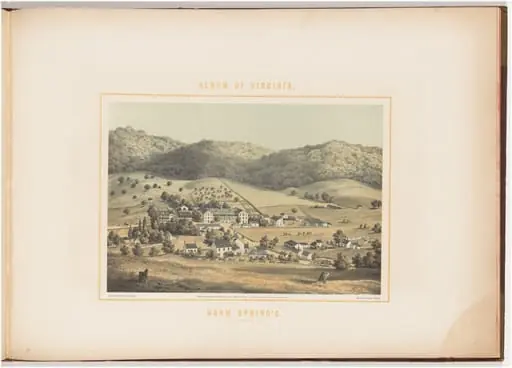
Red Sweet Springs
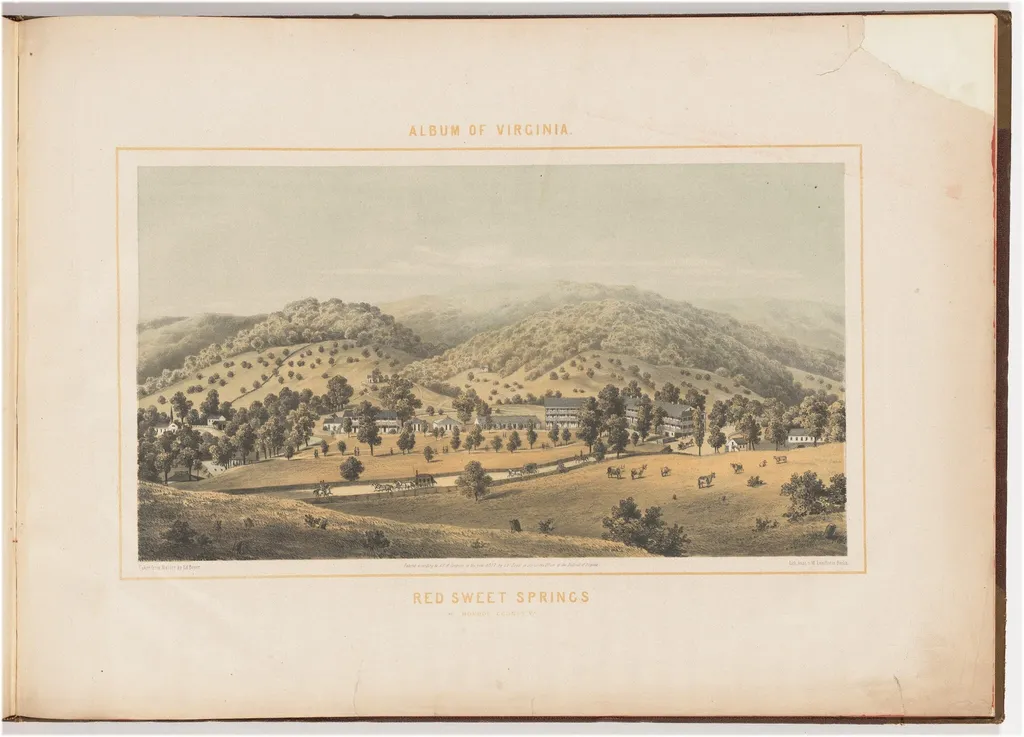
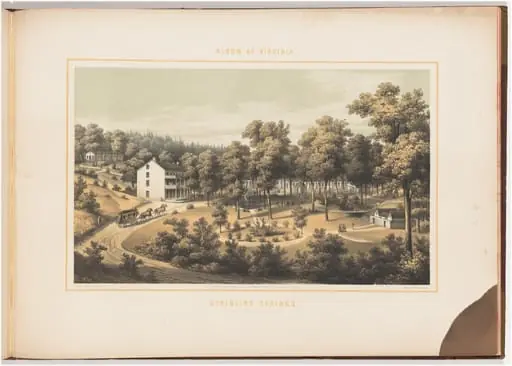
Red Sweet Springs is an ink print by the Impressionist artist Edward Beyer. It dates from 1857 and is held in the collection of the National Gallery of Art.
About this work
Overview
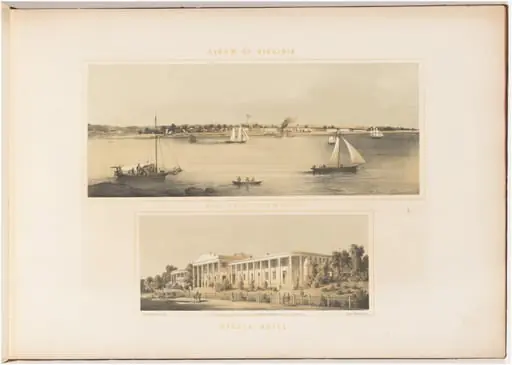
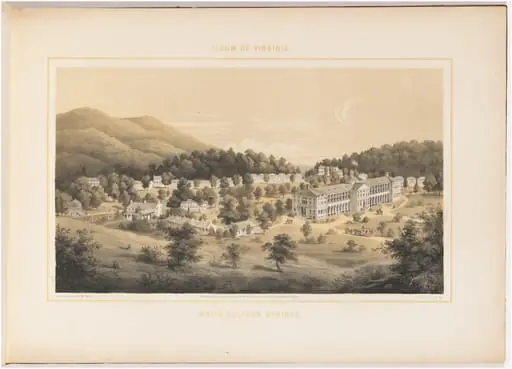
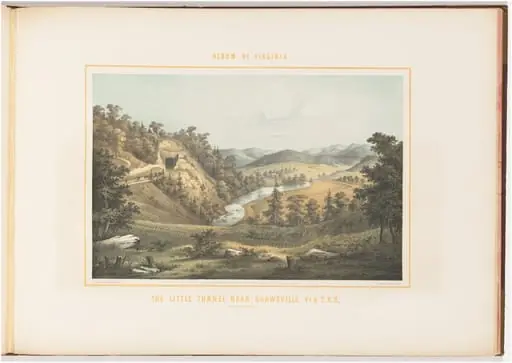
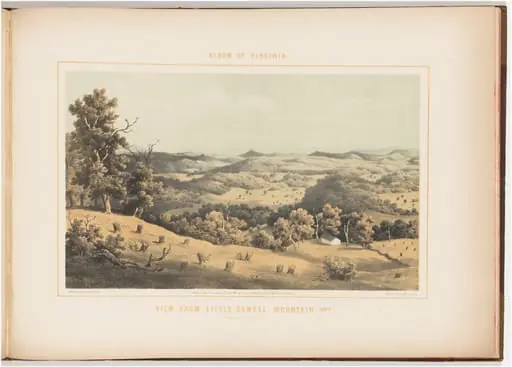
Created in 1857, this color lithograph on wove paper depicts a tranquil rural landscape identified as Red Sweet Springs, likely situated in Virginia. The composition balances gentle hills, modest structures, and a central road traversed by horses and wagons, all under a pale sky that lends the scene a subdued, atmospheric quality.
Subject & Meaning
The image captures a natural spring and its surrounding countryside, emphasizing the calm of an agrarian setting before the Civil War. By focusing on everyday elements—roads, livestock, modest dwellings—the work conveys a sense of regional identity and the pastoral allure that characterized much of the Antebellum South’s visual culture.
Technique & Style
Executed through color lithography, the artist layered multiple stones to achieve smooth tonal transitions, producing a look reminiscent of a softly rendered sketch. The use of wove paper enhances the evenness of color application, while the faded palette and delicate line work contribute to the print’s overall sense of quiet realism.
History & Provenance
German‑born landscape painter Edward Beyer, who worked primarily in the United States, produced this print during a prolific period of documenting Southern scenery. The work was circulated as a commercial lithograph, and its identification with Virginia ties it to Beyer’s broader series of images that recorded the region’s natural and built environments in the mid‑nineteenth century.
Artist & collection
Artist
Edward Beyer (1820–1865) was a German landscape painter who was active in the United States and became known for his depiction of the Antebellum South.