Artwork
Roanoke Red Sulphur Spring
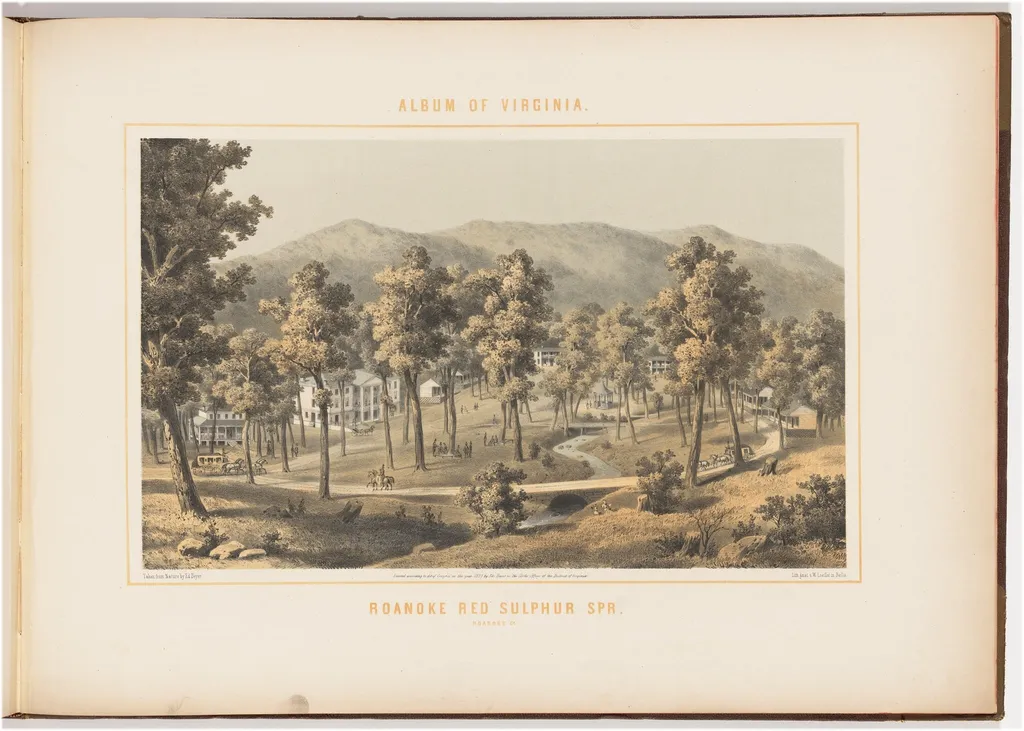
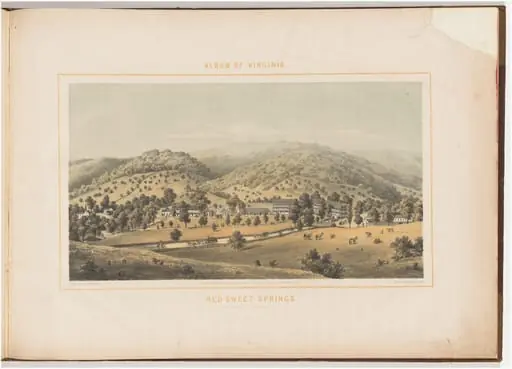
Roanoke Red Sulphur Spring is an ink print by the Impressionist artist Edward Beyer. It dates from 1857 and is held in the collection of the National Gallery of Art.
About this work
Overview
Created in 1857, *Roanoke Red Sulphur Spring* is a color lithograph by German-born artist Edward Beyer, produced on wove paper.
Created in 1857, *Roanoke Red Sulphur Spring* is a color lithograph by German-born artist Edward Beyer, produced on wove paper. It belongs to a series of prints documenting Southern landscapes during the Antebellum era. Beyer’s work captures a tranquil rural scene, emphasizing natural features and modest human activity, reflecting a period when regional topography held cultural and economic significance.
Subject & Meaning
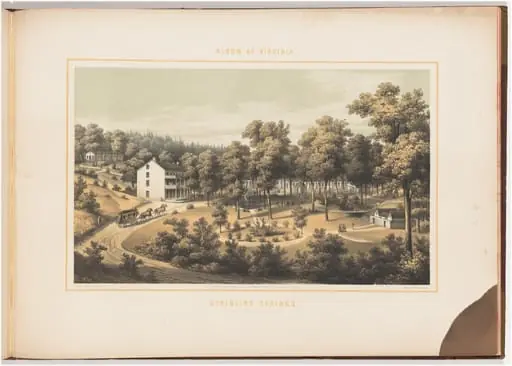
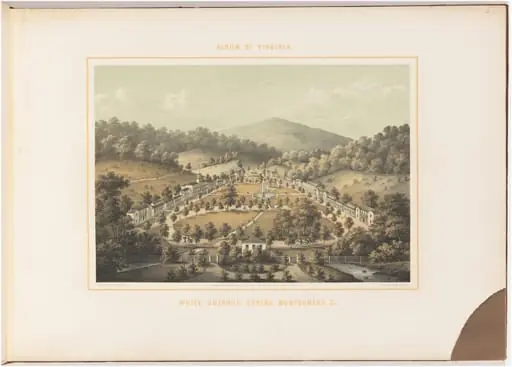
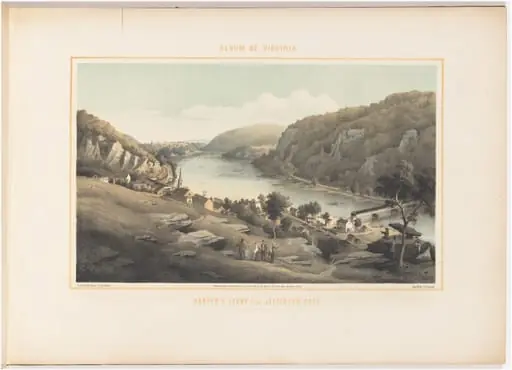
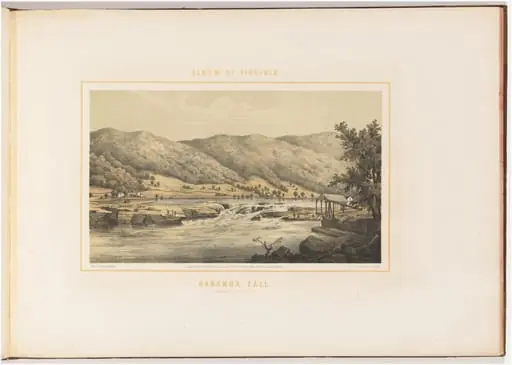
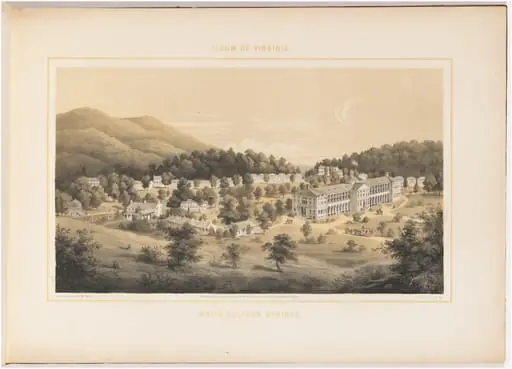
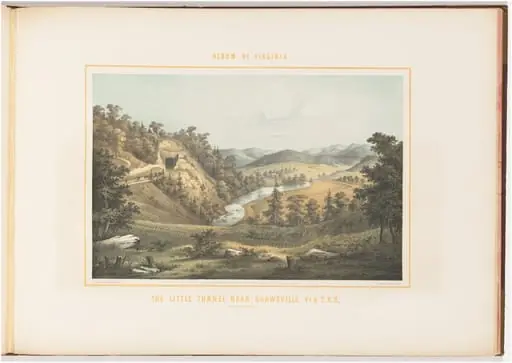
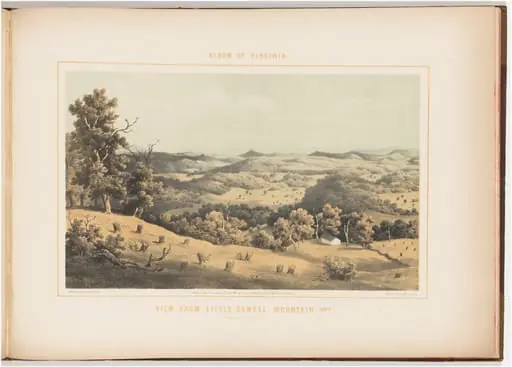
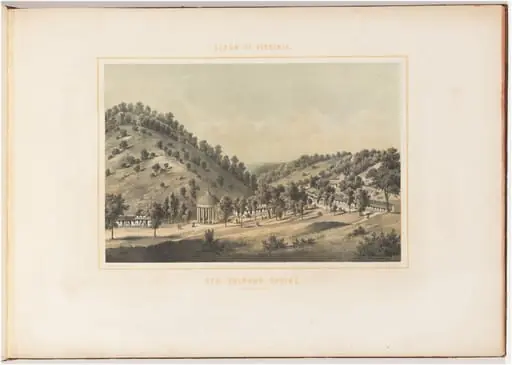
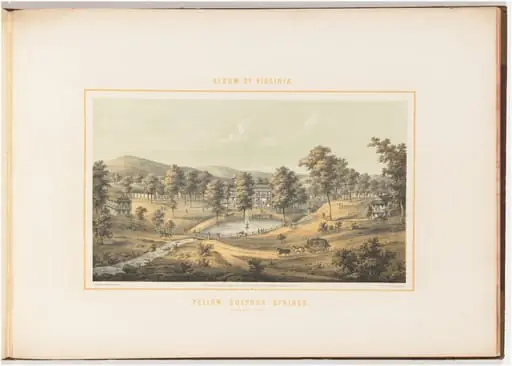
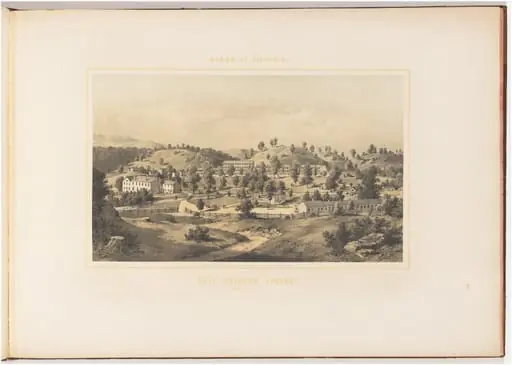
The scene depicts a quiet valley near a mineral spring, with trees lining a dirt road, small structures clustered near a stream, and distant mountains under a soft sky. Figures and horses move along the path, suggesting daily life centered around the spring’s waters. The title points to the site’s known therapeutic reputation, positioning the landscape as both a geographic landmark and a place of local interest.
Technique & Style
Beyer employed color lithography to achieve subtle tonal gradations and naturalistic detail. The smooth transitions in foliage, architecture, and atmospheric perspective convey a sense of calm realism. The use of muted hues and delicate line work avoids dramatic contrast, reinforcing the quiet, unassuming character of the scene and the technical precision of mid-19th-century printmaking.
History & Provenance
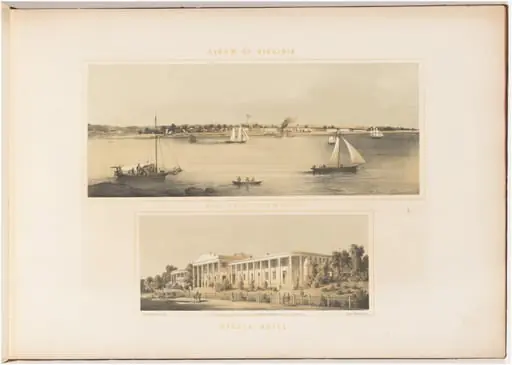
The print was made during Beyer’s time in the United States, where he traveled extensively to document Southern landscapes. It likely circulated as a commercial print, appealing to regional pride and curiosity about natural attractions. No definitive record of early ownership exists, but its survival suggests it was preserved within private or institutional collections focused on American topographical art.
Context
In the 1850s, mineral springs in the American South were destinations for health tourism and social gathering. Artists like Beyer responded to this trend by producing images that validated these sites as worthy of visual record. His work aligns with broader efforts to map and romanticize regional geography, even as the nation moved toward civil conflict.
Legacy
Beyer’s lithographs, including this one, remain among the few visual records of specific Southern locales before the Civil War. They offer insight into how landscapes were perceived and valued in their time, not as grand vistas but as lived environments. Today, they serve as historical documents, preserving the appearance and cultural resonance of places now altered or lost.
Artist & collection
Artist
Edward Beyer (1820–1865) was a German landscape painter who was active in the United States and became known for his depiction of the Antebellum South.