Artwork
A Surinam Planter in his Morning Dress
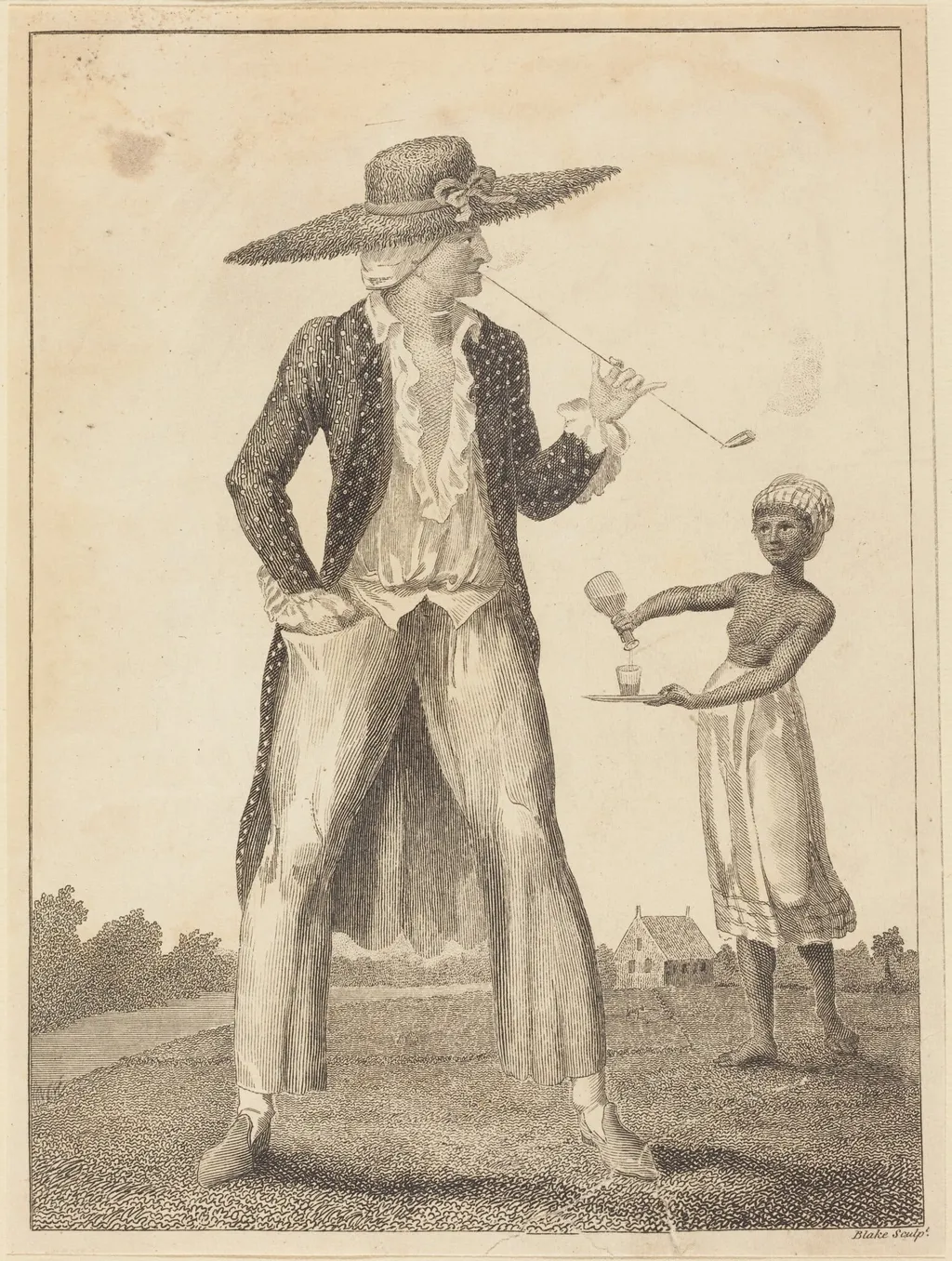
A Surinam Planter in his Morning Dress is an ink print by the Romanticist artist William Blake. It dates from 1793 and is held in the collection of the National Gallery of Art.
About this work
Overview
A Surinam Planter in his Morning Dress is an 1793 engraving by William Blake, depicting a European colonist in ornate attire standing outdoors, accompanied by a servant.
Subject & Meaning
The engraving contrasts the planter's elaborate, somewhat antiquated clothing—a dark coat, frilly shirt, and feathered hat—with the simplicity of his servant's attire, highlighting social hierarchy. The planter's active pose, holding a cane and a tool, suggests authority, while the servant's subservient role is emphasized by offering a drink.
Technique & Style
Characteristically of Blake's imaginative and symbolic printmaking style, the engraving blends detailed rendering of figures and costumes with a subdued, suggestive background of trees and a distant house, focusing attention on the contrasting duo.
History & Provenance
Created in 1793 by William Blake, an influential yet under-recognized English Romantic artist during his lifetime, the work reflects his unique approach to illustration and printmaking.
Context
The piece is set against the backdrop of European colonialism, with Surinam (now Suriname) being a Dutch colony in South America, providing a real-world context to the depicted power dynamics.
Legacy
As part of Blake's oeuvre, the engraving contributes to his legacy as a central figure in Romantic visual arts, appreciated for its symbolic depth and technical craftsmanship long after its creation.
Artist & collection
Artist
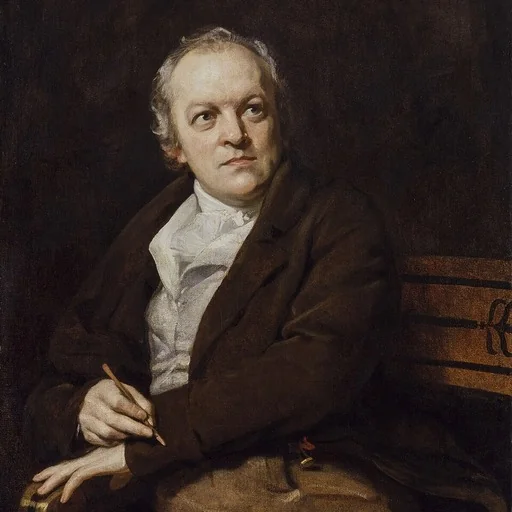
William Blake (28 November 1757 – 12 August 1827) was an English poet, painter and printmaker.

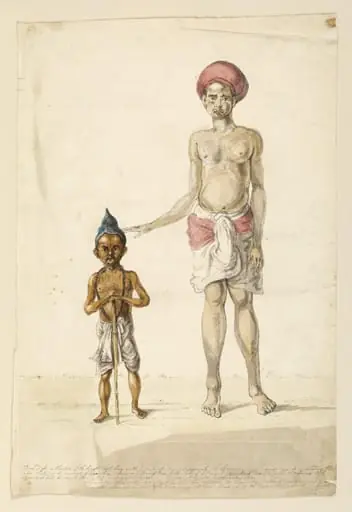 A dwarf
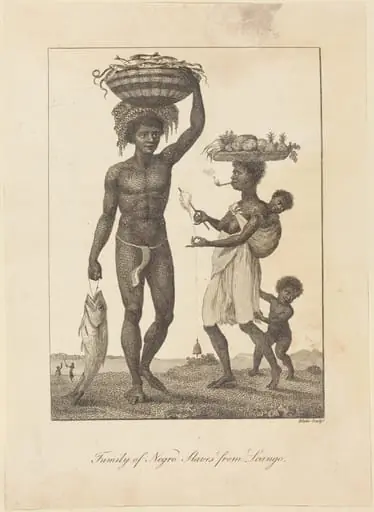 Family of Negro Slaves from Loango
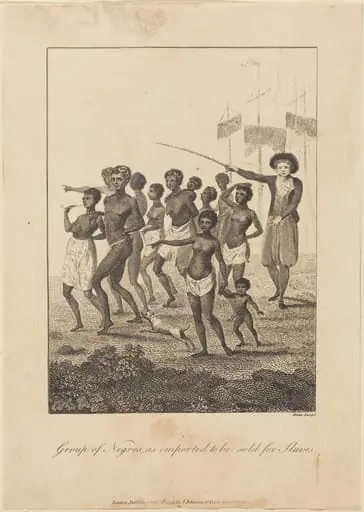 Group of Negros, as imported to be sold for Slaves
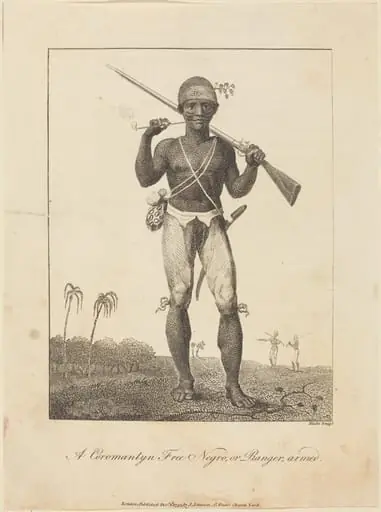 A Coromantyn Free Negro, or Ranger, armed
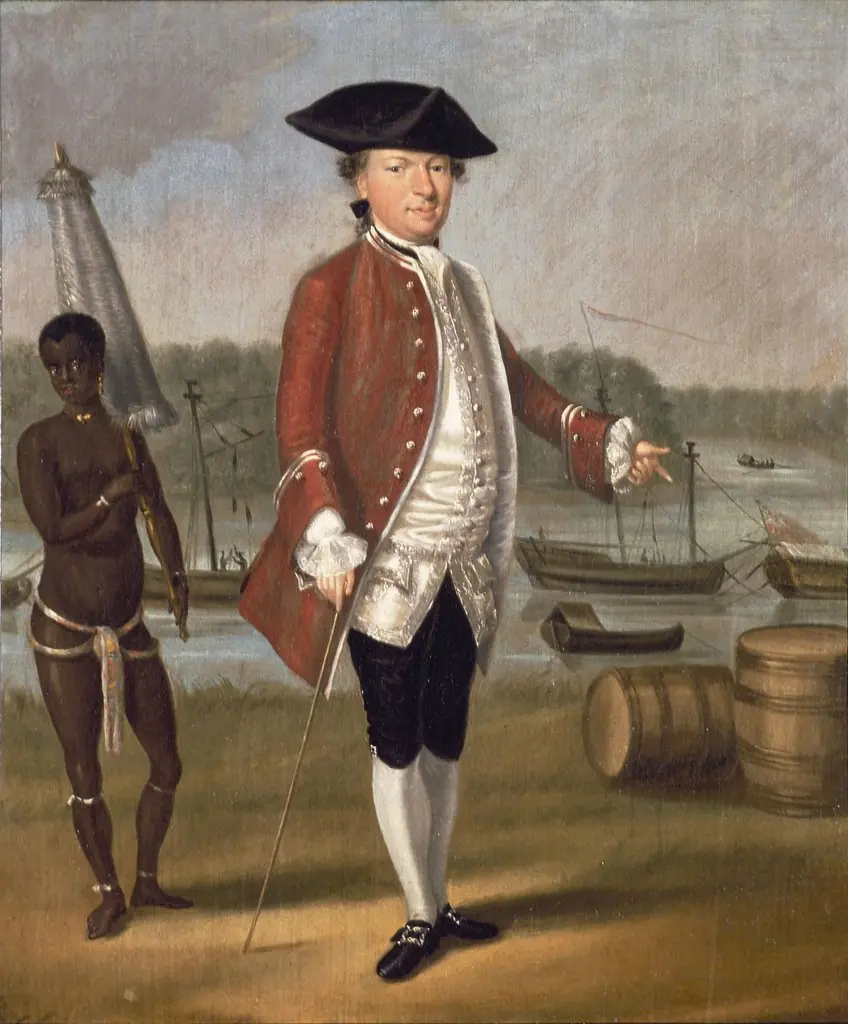 Merchant with a Slave
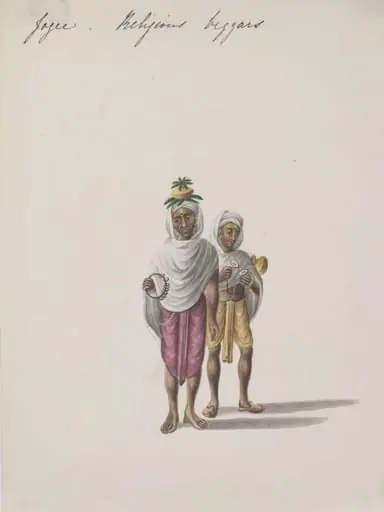 Two Hindu Ascetics
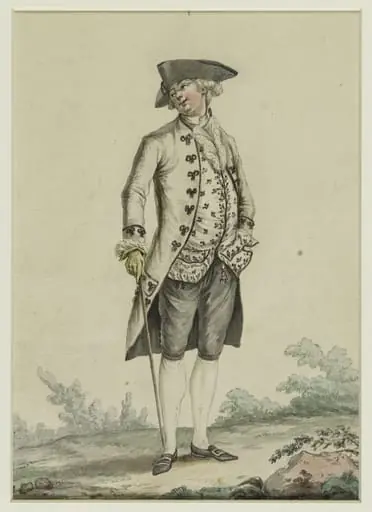 Habit de petit-deuil gris
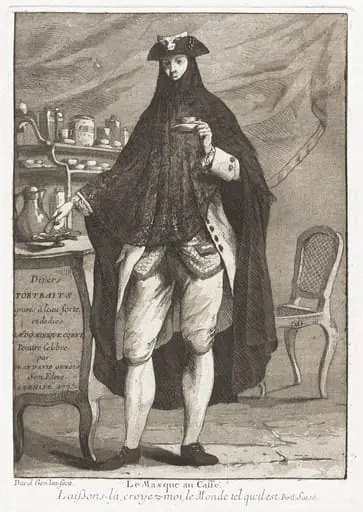 Le Masque au caffé (The Masked Man Taking Coffee)
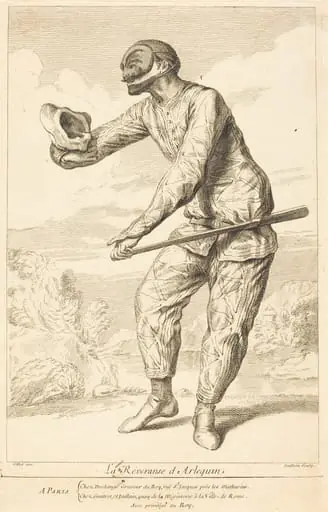 La Révéranse d'Arlequin
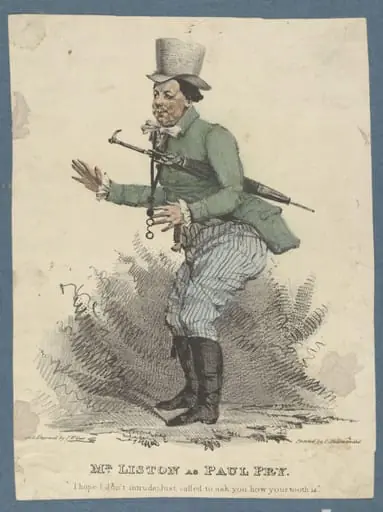 H Beard Print Collection
 H Beard Print Collection
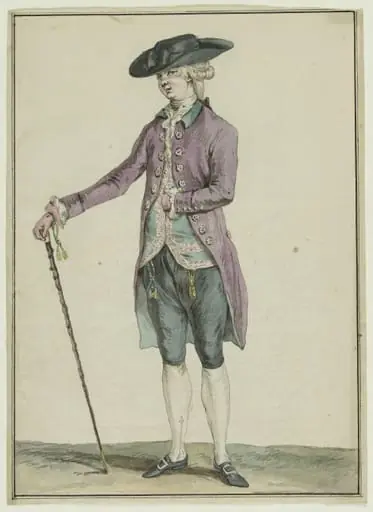 Petit maître en chenille, Habit du matin