Artwork
The Fall of Satan
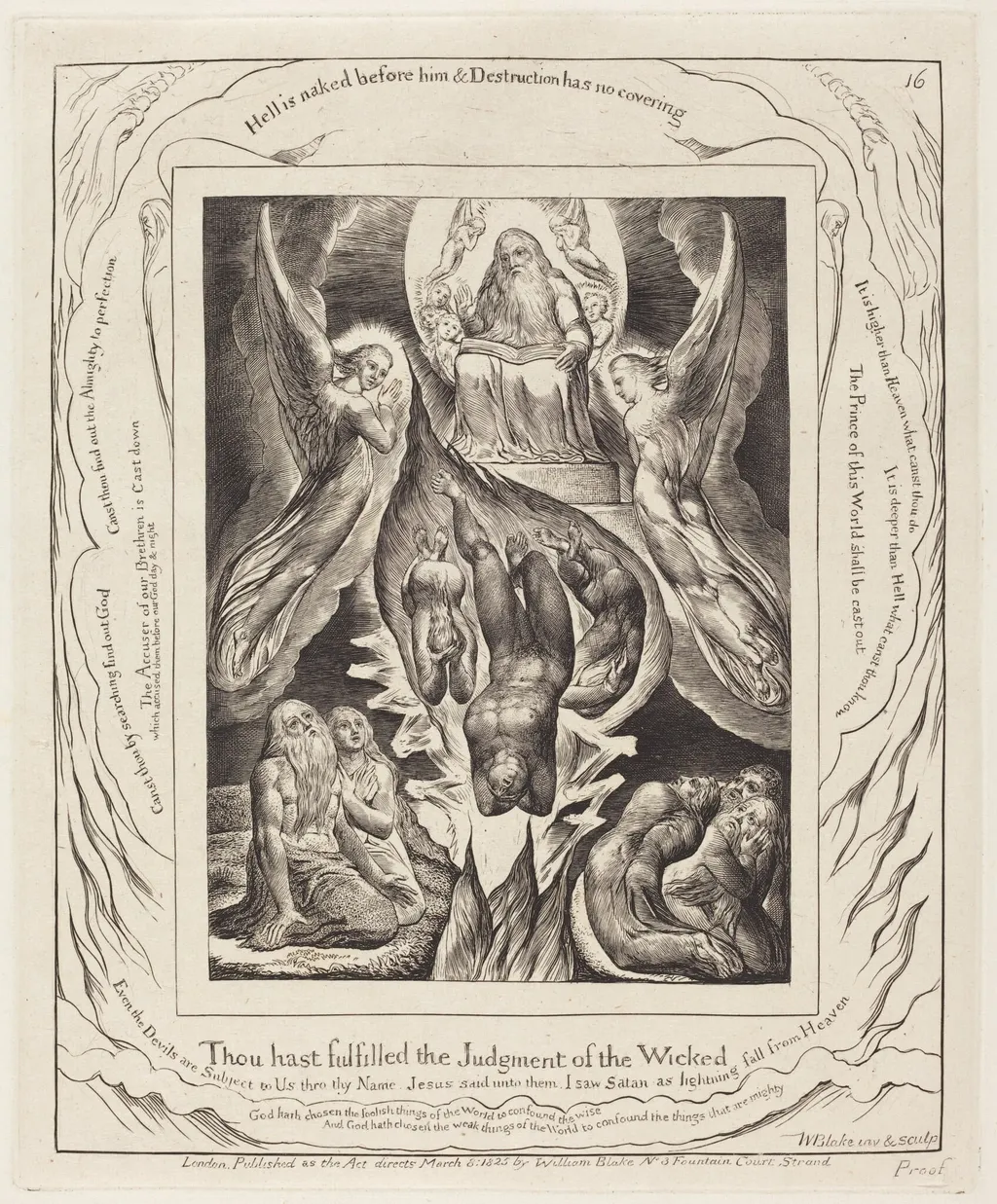
The Fall of Satan is an ink print by the Romanticist artist William Blake. It dates from 1825 and is held in the collection of the National Gallery of Art.
About this work
Overview
The Fall of Satan is an 1825 engraving on India paper by William Blake, created during the latter part of his career. Characterized by a chaotic black and white scene, it embodies the artist's hallmark blend of poetic and spiritual themes.
Subject & Meaning
The print depicts a tumultuous moment of divine judgment, with a central winged, crowned figure (Satan) in freefall, encircled by smaller, distressed beings. The inclusion of biblical quotes along the edges reinforces the scene's interpretation as a biblical reckoning.
Technique & Style
Blake utilized meticulous engraving techniques to achieve dynamic lines and expressive shadows, conveying a sense of intense movement and weight upon the figures. The sharp, expressive lines are typical of Blake's innovative approach to engraving.
History & Provenance
Produced in 1825, this work is part of Blake's late visionary output. As a key figure in the Romantic movement, primarily active in London, Blake's work often intertwined literary and spiritual elements, as seen here.
Context
Within the broader context of Blake's oeuvre, The Fall of Satan reflects his consistent exploration of symbolic, spiritually charged imagery, aligning with the Romantic movement's emphasis on emotion and the sublime.
Legacy
This engraving contributes to Blake's enduring legacy as a visionary artist, influencing subsequent generations with its powerful fusion of visual and poetic elements, exemplifying the expressive potential of engraving as a storytelling medium.
Artist & collection

Artist
William Blake (28 November 1757 – 12 August 1827) was an English poet, painter and printmaker.

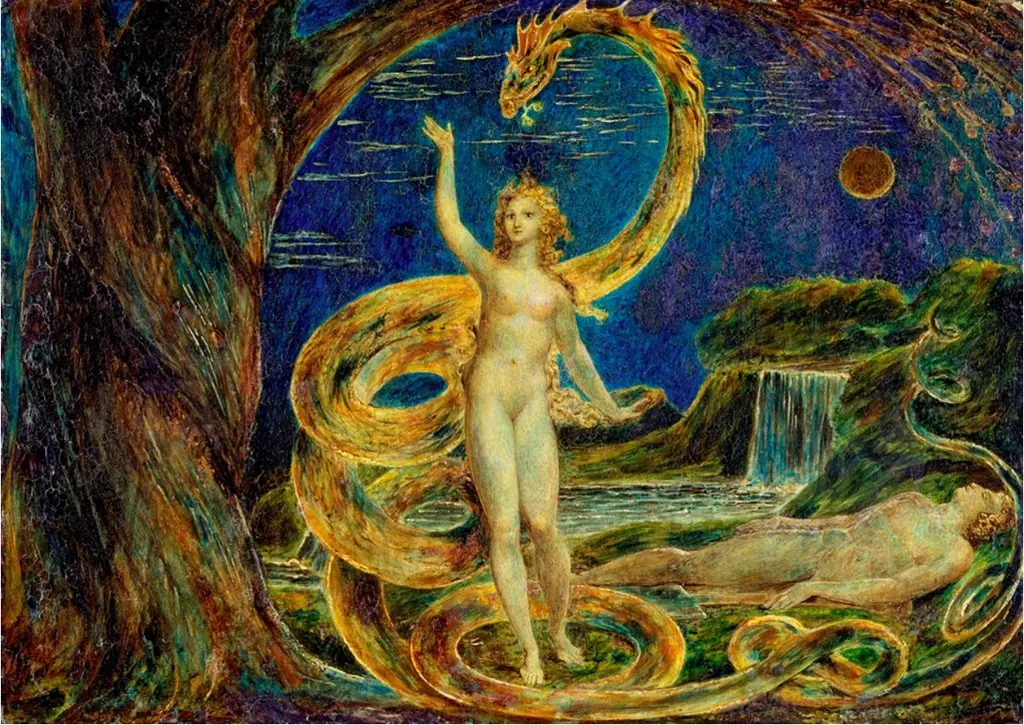
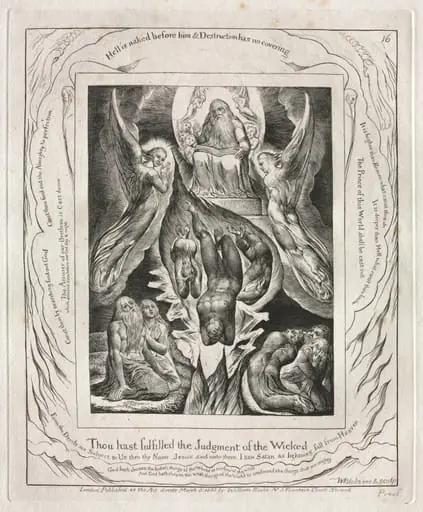 The Book of Job: Pl. 16, Thou hast fulfilled the Judgment of the Wicked
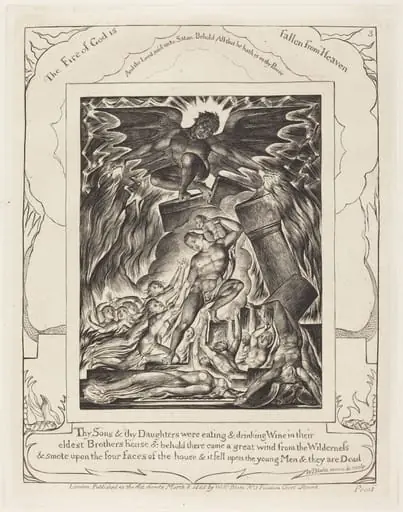 The Destruction of Job's Sons
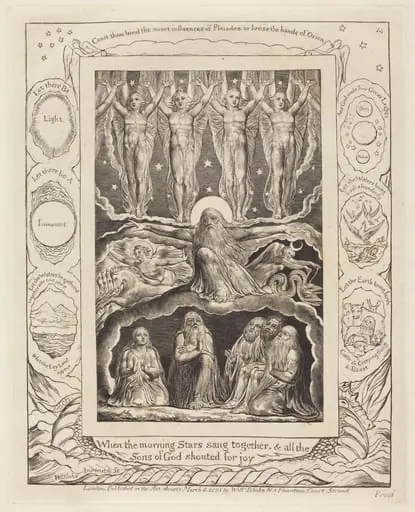 The Creation
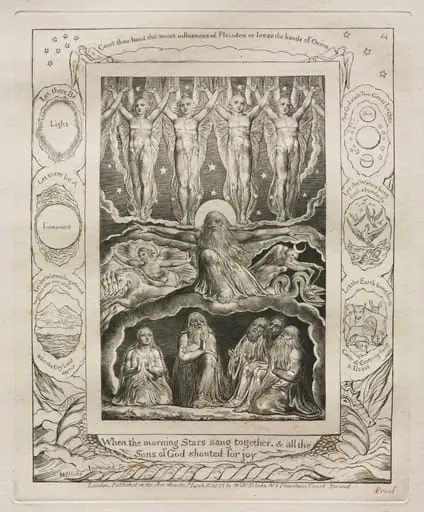 The Book of Job: Pl. 14, When the morning Stars sang together, and all the
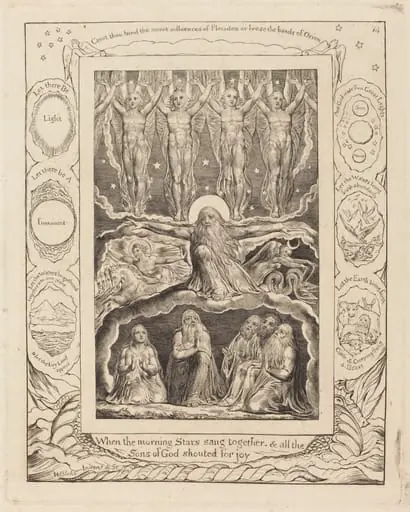 The Creation
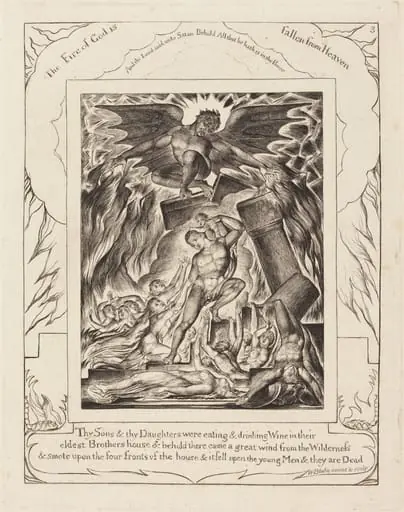 The Destruction of Job's Sons
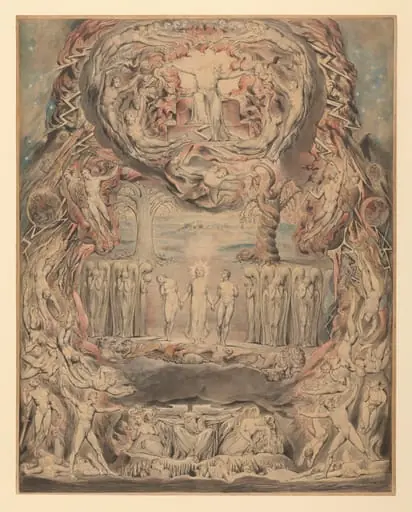 The Fall of Man
 The Vision of God
 The Book of Job: Pl. 5, Then went Satan forth from the presence of the Lord