Artwork
The Infant Hercules Throttling the Serpents
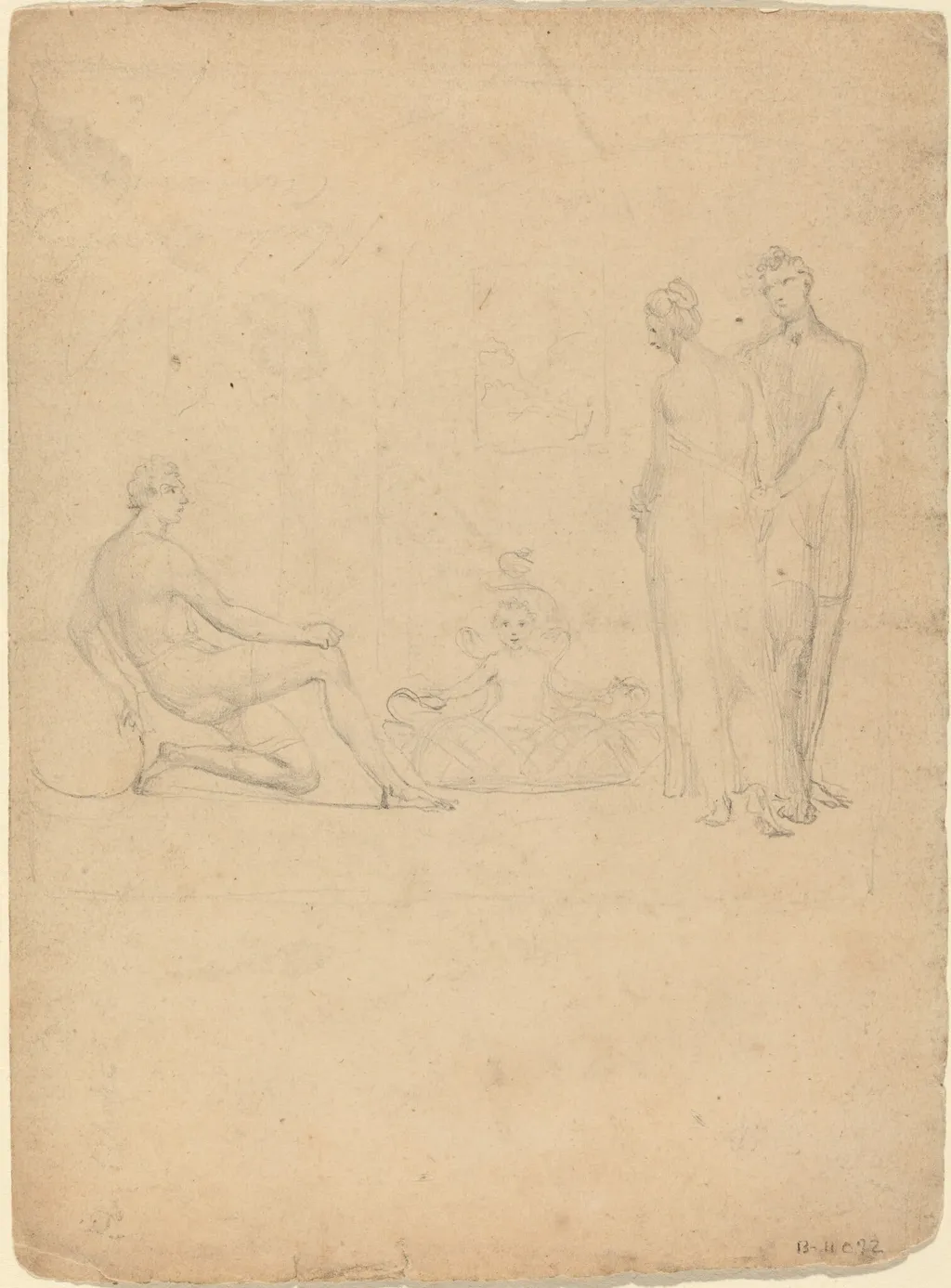
The Infant Hercules Throttling the Serpents is a graphite drawing by the Romanticist artist William Blake. It dates from 1792 and is held in the collection of the National Gallery of Art.
About this work
Overview
Created in 1792, this graphite drawing by William Blake portrays a youthful Hercules confronting two serpents. The composition captures a moment from the classical myth in which the infant hero, destined for greatness, battles the snakes sent to end his life. Blake’s rendering condenses the dramatic narrative into a compact, sharply outlined study.
Subject & Meaning
The work references the early episode of the Hercules myth, wherein a jealous deity dispatches venomous snakes to the infant’s cradle. By depicting the baby calmly grasping the coiling creatures, Blake emphasizes the innate strength and resolve of the hero, suggesting an allegorical triumph of inner power over external threats.
Technique & Style
Executed entirely in graphite, the drawing relies on precise, angular lines to define the figures. The stark contrast between the smooth, placid facial expression of the child and the sinuous, overlapping forms of the snakes creates visual tension. Blake’s handling of line conveys both the delicacy of the infant and the dynamic movement of the serpents.
History & Provenance
Although Blake was largely unacknowledged as an artist during his lifetime, his drawings have since been re‑evaluated as integral to the Romantic period’s visual culture. This particular piece, dated 1792, forms part of the corpus that later scholars have used to trace Blake’s engagement with mythological subjects and his development as a draughtsman.
Artist & collection
Artist
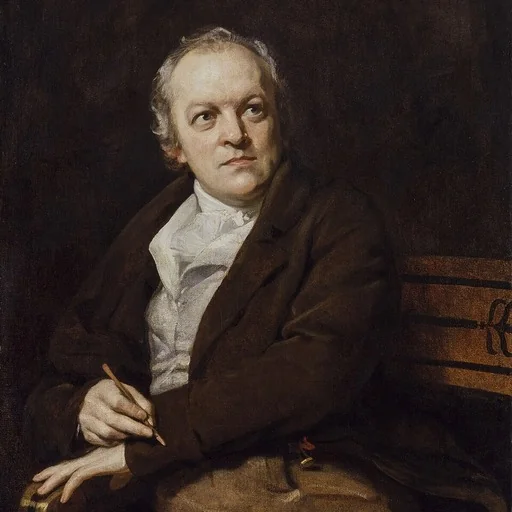
William Blake (28 November 1757 – 12 August 1827) was an English poet, painter and printmaker.

![Sheet of Studies, including Warrior with Child [recto and verso], by John Flaxman](https://artifactworldgallery.com/img/john-flaxman--sheet-of-studies-including-warrior-with-child-recto-and-vers--5c5dd1ec083169b5-w320.webp) Sheet of Studies, including Warrior with Child [recto and verso]
Sheet of Studies, including Warrior with Child [recto and verso]![Design for a Book Illustration of Circe and Odysseus [recto], by Thomas Stothard](https://artifactworldgallery.com/img/thomas-stothard--design-for-a-book-illustration-of-circe-and-odysseus-recto--5bd59a6f73de4838-w320.webp) Design for a Book Illustration of Circe and Odysseus [recto]
Design for a Book Illustration of Circe and Odysseus [recto]![Queen Katherine's Dream [recto], by William Blake](https://artifactworldgallery.com/img/william-blake--queen-katherine-s-dream-recto--90af798f35cdb189-w320.webp) Queen Katherine's Dream [recto]
Queen Katherine's Dream [recto]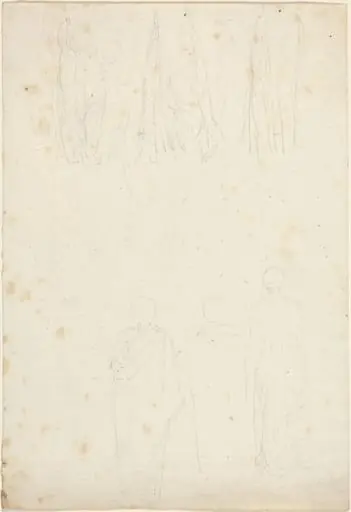 Sheet of Studies of Cloaked Figures
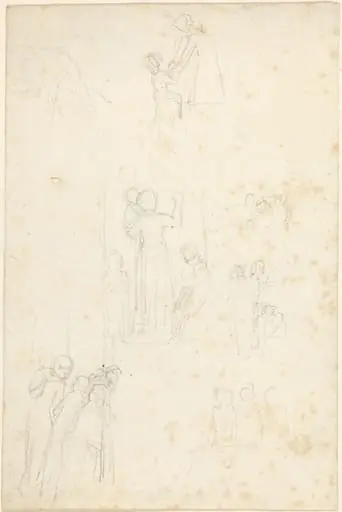 Sheet of Studies
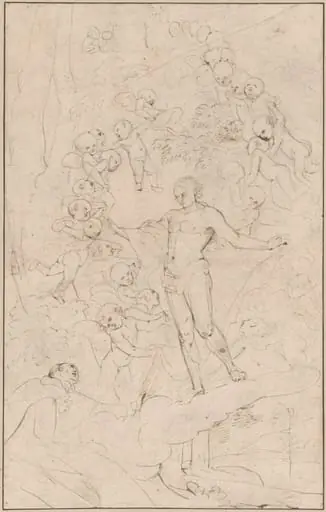 The Vision of Saint Angelus
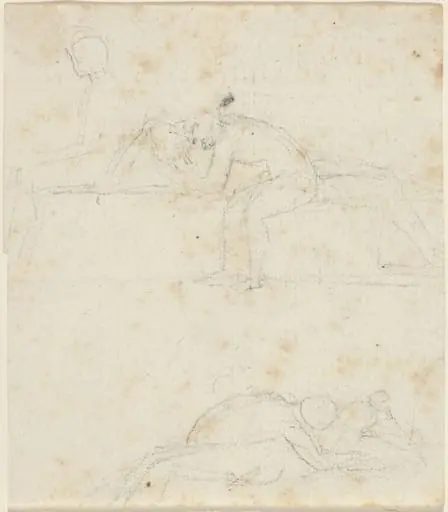 Sheet of Studies
![Sheet of Sketches [recto and verso], by John Flaxman](https://artifactworldgallery.com/img/john-flaxman--sheet-of-sketches-recto-and-verso--18d631208bf3ea60-w320.webp) Sheet of Sketches [recto and verso]
Sheet of Sketches [recto and verso]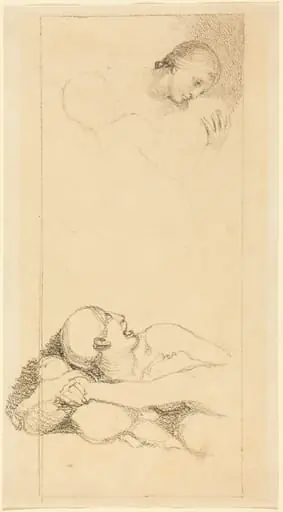 Frightened Man Looking Up; Woman and Children
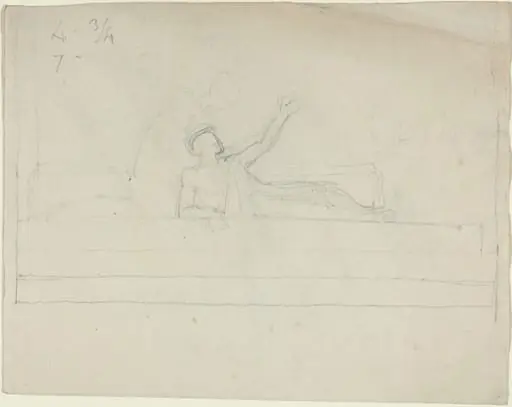 Two Greek Classical Figures
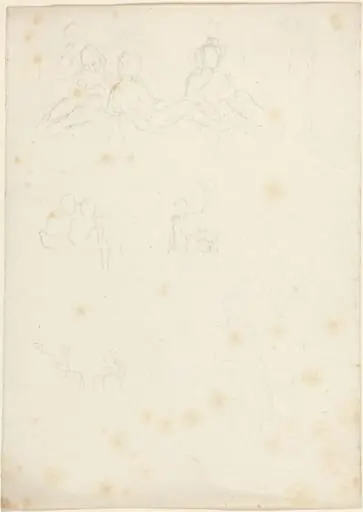 Studies of Seated and Reclining Figures
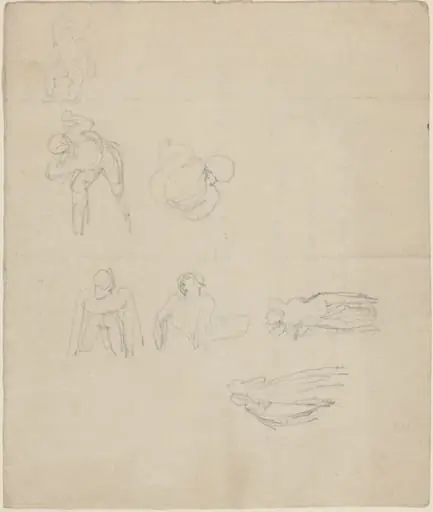 Sheet of Figures Studies