Artwork
The Messengers Tell Job of His Misfortunes
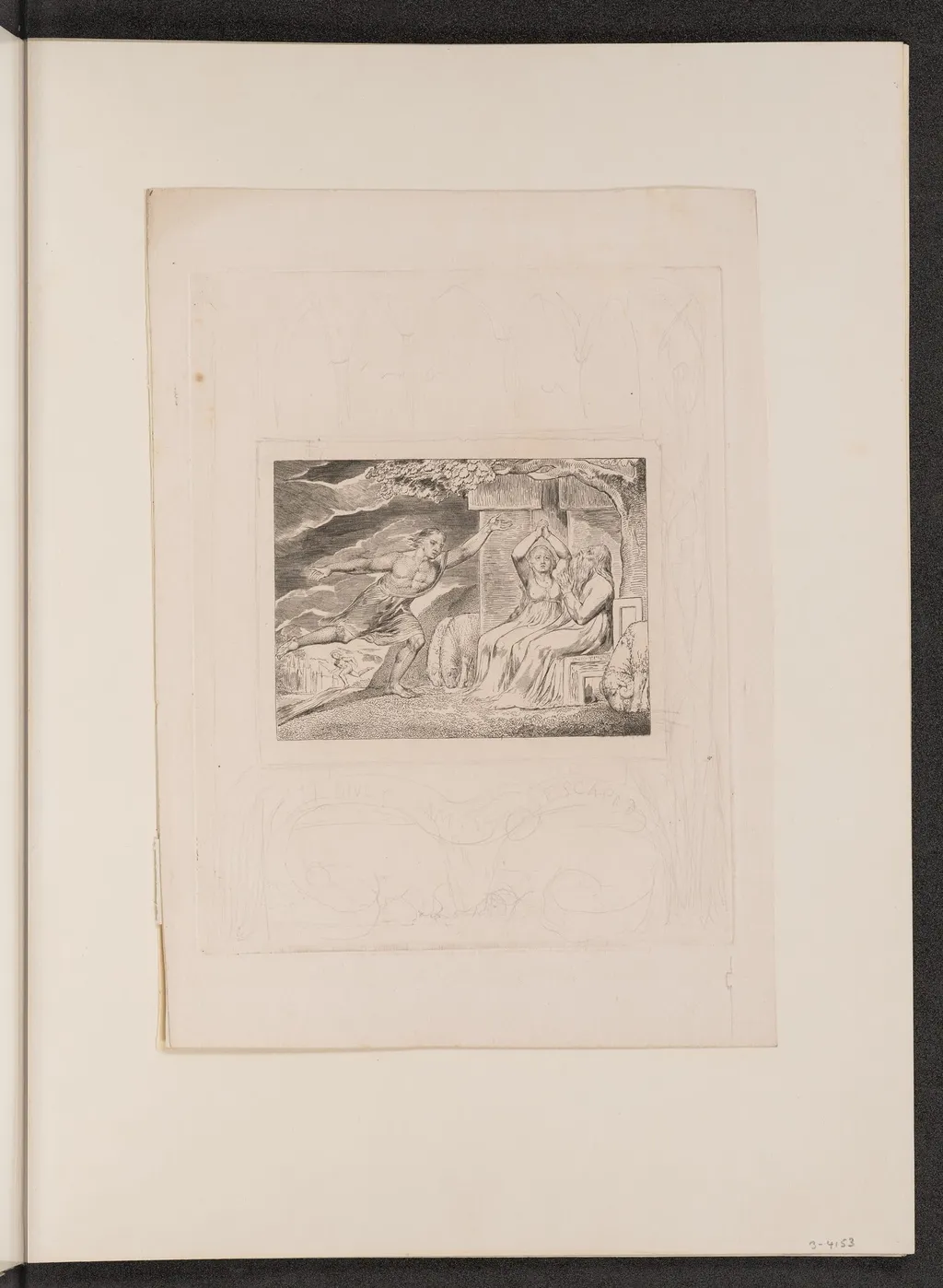
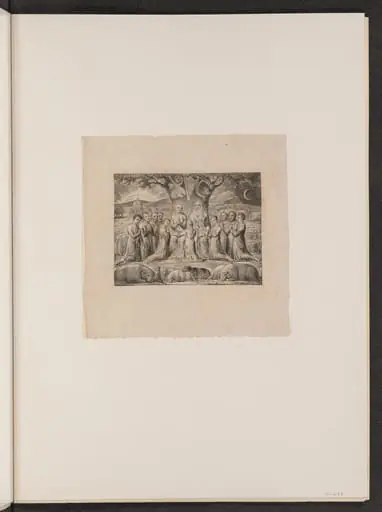
The Messengers Tell Job of His Misfortunes is a graphite print by the Romanticist artist William Blake. It dates from 1825 and is held in the collection of the National Gallery of Art.
About this work
This engraving, created by William Blake in 1825, is a prime example of Romanticism, a movement that emphasized emotion and the sublime.
The image depicts a scene with a man and woman seated on the ground, surrounded by trees and a dark sky with lightning. The man is gesturing towards the sky, while the woman holds her hands up in a dramatic pose.
In the foreground, a small table or box is visible, adding to the sense of drama and tension in the scene. The overall mood is one of turmoil and upheaval, with the dark sky and lightning emphasizing the sense of chaos.
This engraving, created by William Blake in 1825, is a prime example of Romanticism, a movement that emphasized emotion and the sublime. To learn more about this style, explore the Romanticism movement.
Overview
Created in 1825, this engraving by William Blake illustrates a moment from the Book of Job, in which messengers arrive to announce the loss of his possessions and children. Executed in graphite on thick paper with a bordered frame, the work belongs to a series of biblical illustrations Blake produced late in life. Though largely overlooked during his lifetime, Blake’s integration of text and image here reflects his unique approach to visual storytelling, rooted in personal spiritual vision rather than conventional religious art.
Subject & Meaning
The scene captures Job and his wife seated amid ruin, overwhelmed by the news brought by unseen messengers. Job gestures toward the heavens, suggesting both despair and a search for divine meaning, while his wife raises her hands in anguish. The dark sky and lightning imply divine intervention or cosmic disorder, aligning with Blake’s view of suffering as a trial of faith. The small table in the foreground, perhaps once holding wealth, now stands as a silent witness to loss, reinforcing the theme of earthly transience.
Technique & Style
Blake employed engraving with graphite, a method allowing fine linear detail and tonal variation on thick paper. His style avoids naturalism, favoring expressive, elongated figures and symbolic composition. The dramatic lighting and swirling sky reflect his departure from academic conventions, instead channeling emotional intensity through stylized forms. The bordered frame, unusual for prints of the time, suggests a sacred or illuminated manuscript, reinforcing the work’s spiritual gravity.
History & Provenance
The print was made in London, where Blake lived and worked for most of his life, during the final years of his career. It was part of a larger commission illustrating the Book of Job, commissioned by John Linnell, a patron who supported Blake financially and artistically. Though few copies were produced, the series gained recognition after Blake’s death as a cornerstone of his visionary output. The original plates and prints are now held in major institutional collections.
Context
Blake’s Job engravings emerged during a period when Romantic artists sought to express inner experience over external realism. His work diverged from contemporaries by rejecting Enlightenment rationalism in favor of mythic and prophetic narratives. While other artists depicted biblical scenes with historical accuracy, Blake infused them with personal symbolism, viewing scripture as a living allegory of the soul’s trials. This approach aligned him with Romantic ideals of imagination and emotional depth.
Legacy
Though obscure in his lifetime, Blake’s Job series became influential in the 19th and 20th centuries as scholars reevaluated his fusion of poetry and visual art. The engraving’s emphasis on psychological turmoil and spiritual questioning resonated with later movements exploring inner life, from Symbolism to modernist literature. Today, it stands as a testament to Blake’s singular vision — a bridge between religious tradition and deeply personal mythmaking.
Artist & collection
Artist
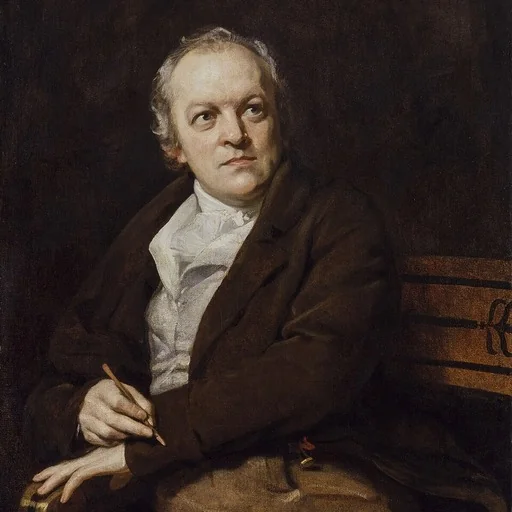
William Blake (28 November 1757 – 12 August 1827) was an English poet, painter and printmaker.

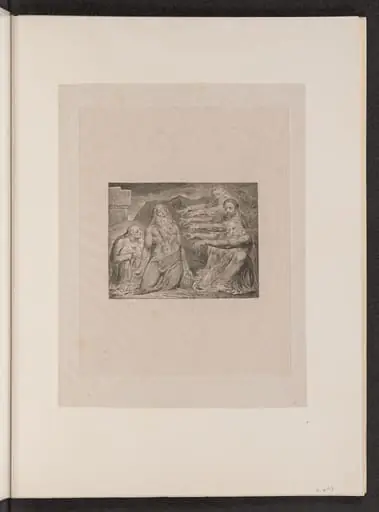 Job Rebuked by His Friends
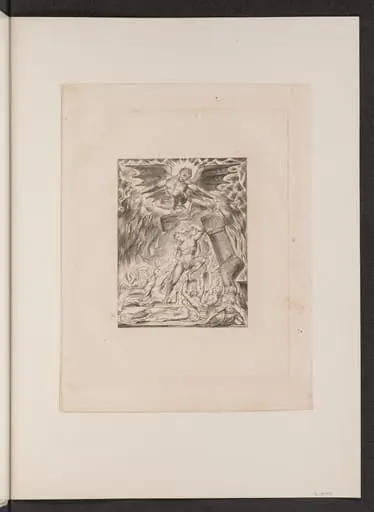 Job's Sons and Daughters Overwhelmed by Satan
 When the Morning Stars Sang Together
 Job and His Family
 Job's Comforters
 Satan Before the Throne of God
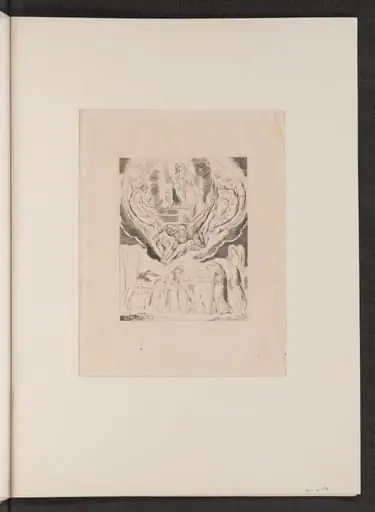 Satan Going Forth from the Presence of the Lord
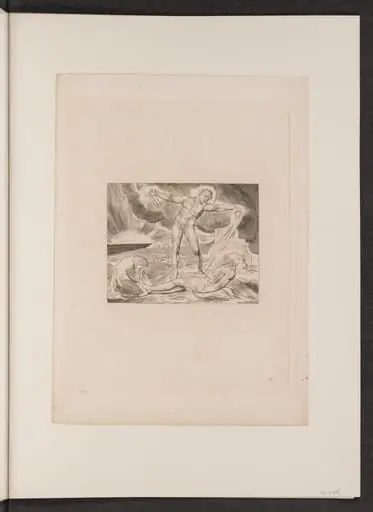 Satan Smiting Job with Boils
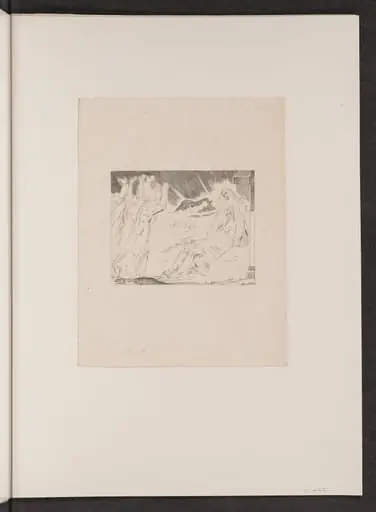 Job's Comforters
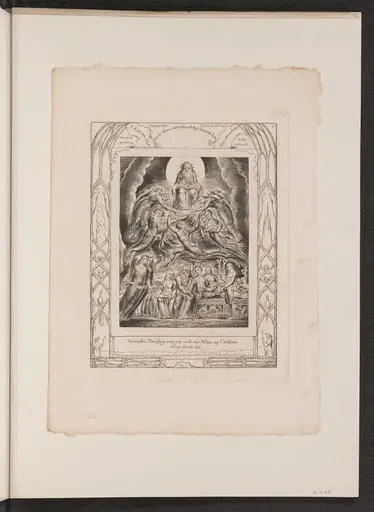 Satan Before the Throne of God
 Job and His Family