Artwork
Asclepias speciosa
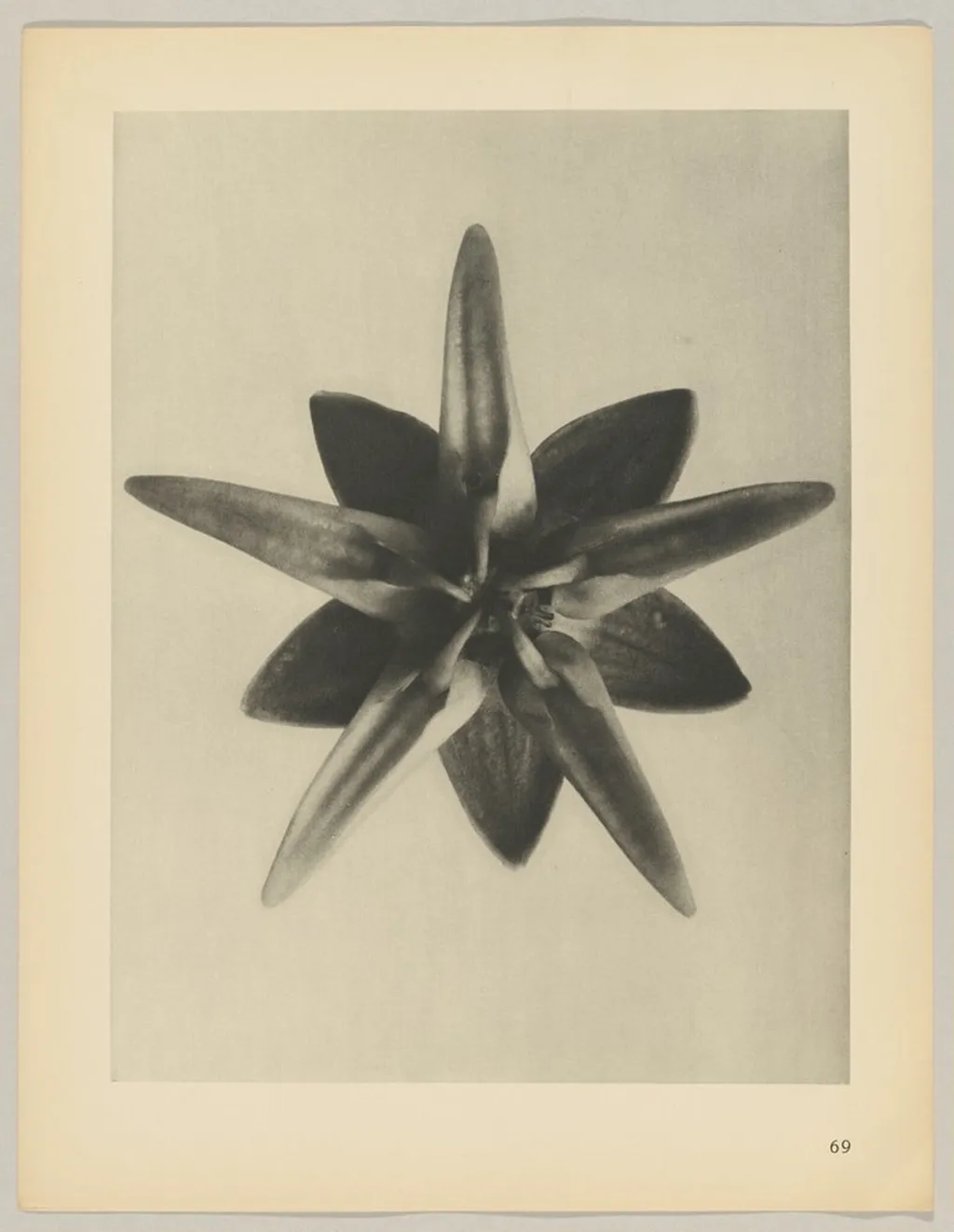
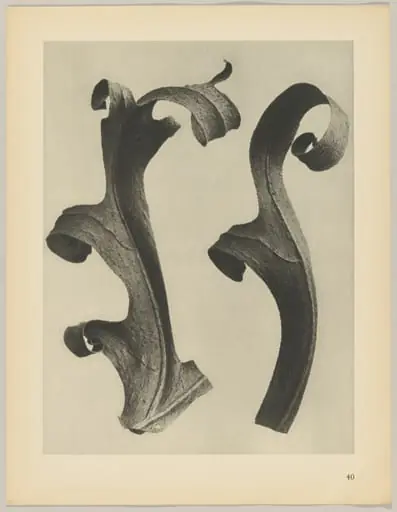
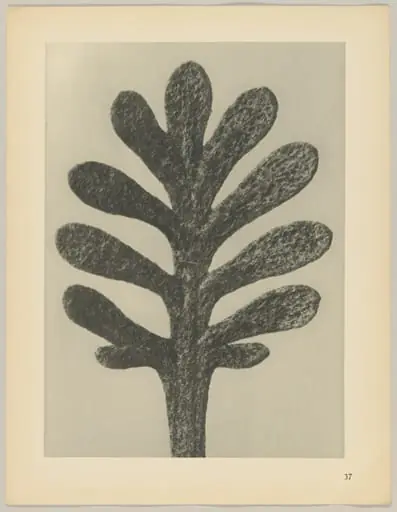
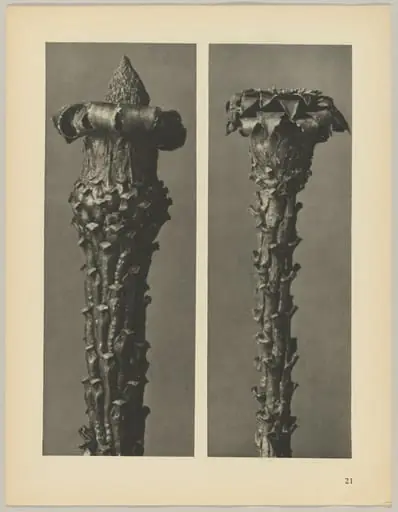
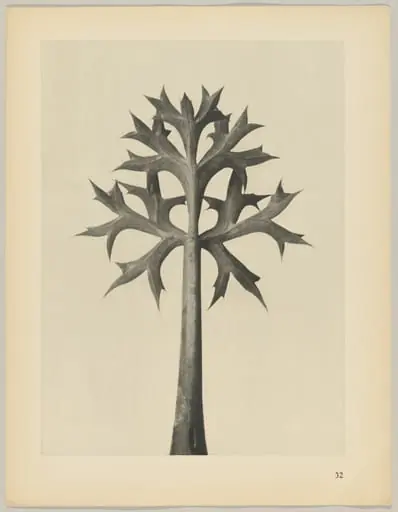
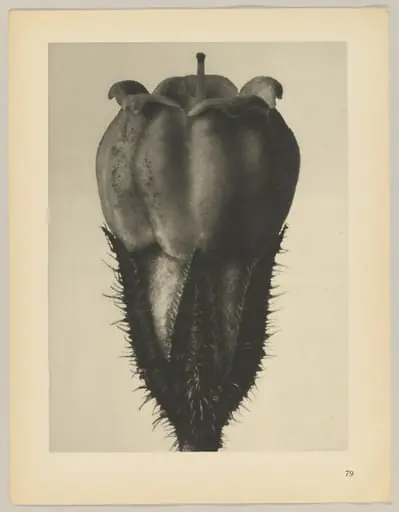
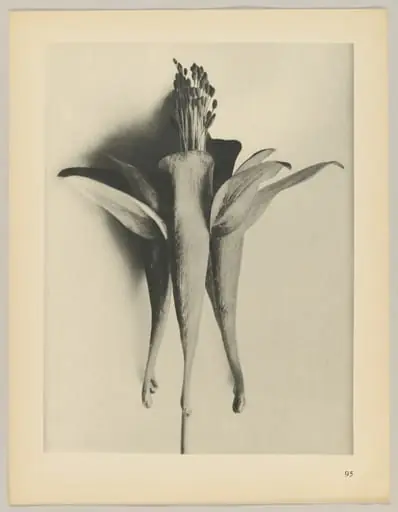
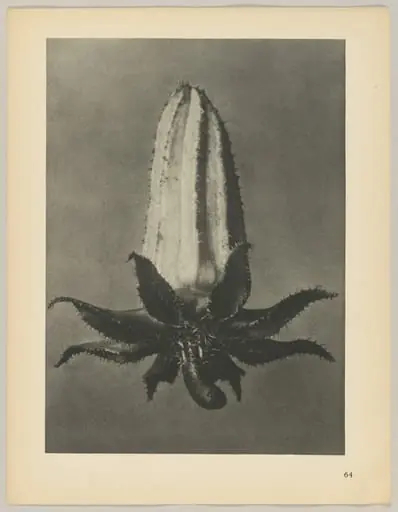
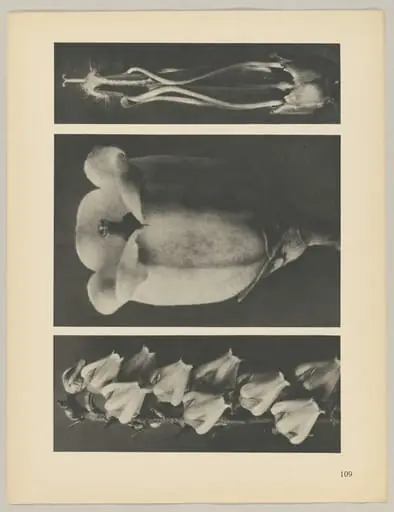
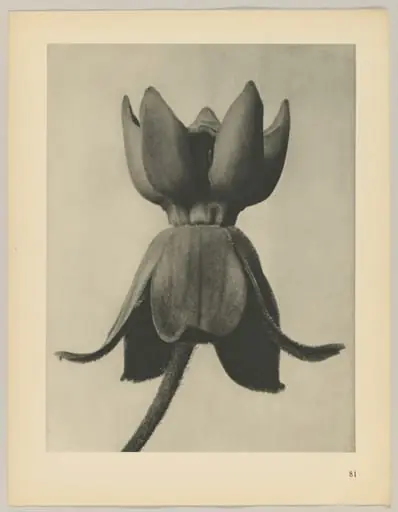
Asclepias speciosa is a print by Karl Blossfeldt. It dates from 1928 and is held in the collection of the National Gallery of Art.
About this work
Overview
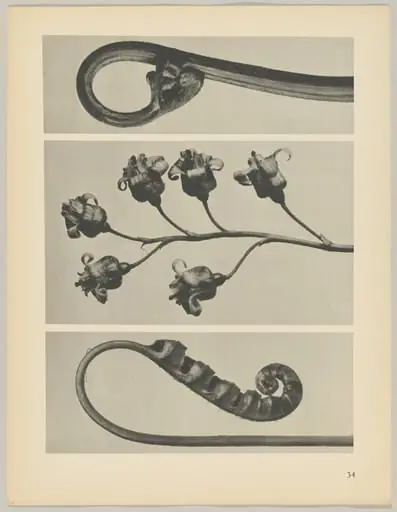
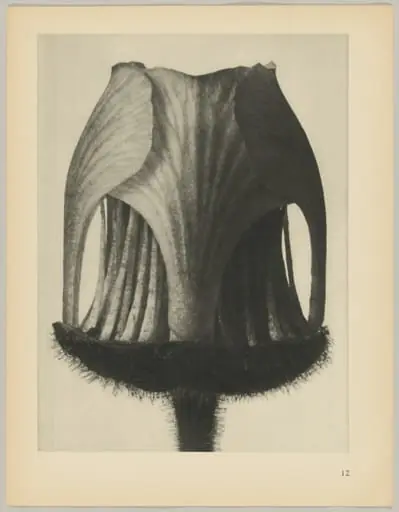
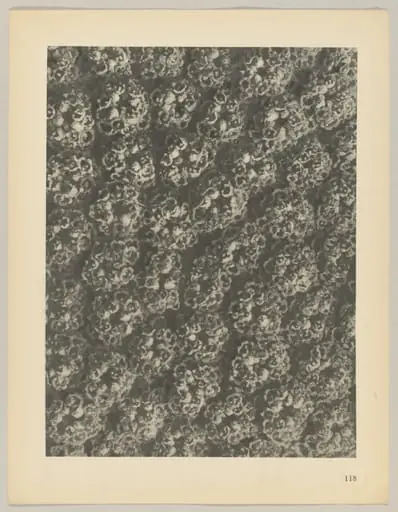
Blossfeldt’s approach treated plants as subjects of formal study, isolating them against plain backgrounds to emphasize their inherent geometry and texture.
Karl Blossfeldt produced *Asclepias speciosa* in 1928 as a photogravure, a printmaking technique that captures fine tonal detail. The work is part of a broader series of botanical studies he compiled for his 1929 publication *Urformen der Kunst*. Blossfeldt’s approach treated plants as subjects of formal study, isolating them against plain backgrounds to emphasize their inherent geometry and texture.
Subject & Meaning
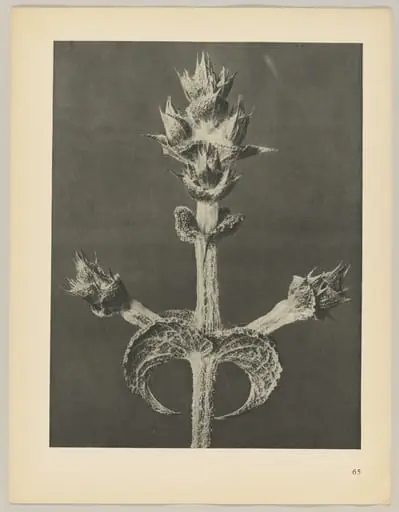
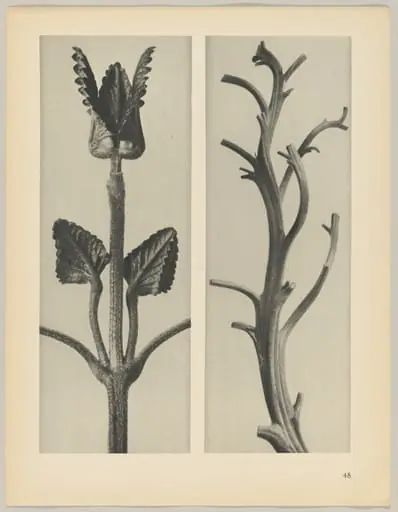
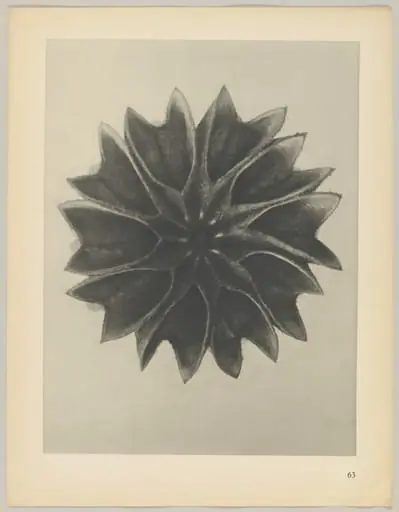
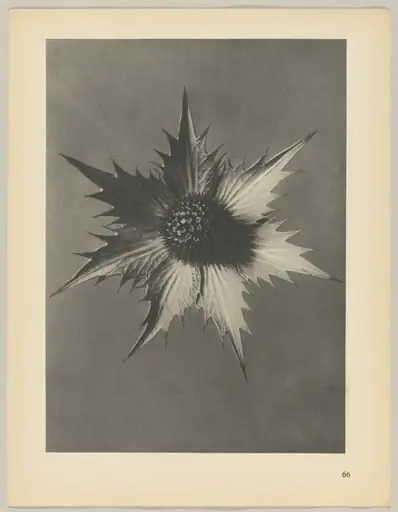
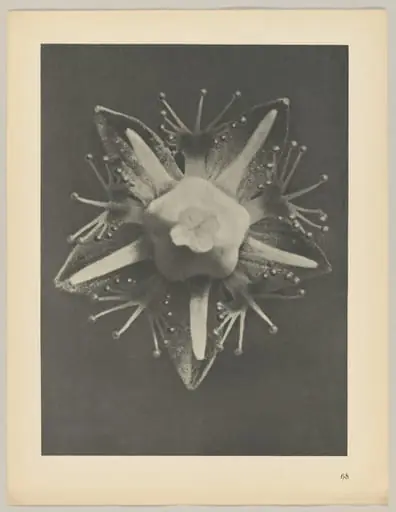
The image centers on the showy milkweed, a plant noted for its star-like bloom and dense central structure. Blossfeldt’s framing draws attention to the flower’s architectural qualities—its elongated petals, layered core, and veined leaves—transforming a biological form into a study of natural design. The work suggests an underlying order in plant morphology, reflecting his belief that nature embodies latent artistic principles.
Technique & Style
Using photogravure, Blossfeldt achieved subtle gradations of gray that enhance the three-dimensionality of the flower. Light is carefully modulated to highlight the petal edges while deepening shadows in crevices and folds, lending tactile presence to the surface. The absence of context or color focuses the viewer’s perception entirely on form, texture, and contrast, aligning with his scientific yet aesthetic intent.
History & Provenance
Created in 1928, the print was included in Blossfeldt’s 1929 book *Urformen der Kunst*, which compiled over 200 such images. The work gained recognition in art and design circles for its fusion of scientific observation and visual clarity. Though originally intended for educational use, the images later influenced modernist aesthetics in architecture and industrial design.
Context
Blossfeldt’s work emerged from a broader early 20th-century interest in the relationship between nature and industrial form. His photographs were informed by his teaching at the Berlin School of Arts and Crafts, where he encouraged students to study organic structures as models for design. His father’s botanical curiosity and his own background in sculpture shaped his methodical approach to plant photography.
Legacy
Blossfeldt’s images, including *Asclepias speciosa*, became reference points for artists and designers seeking formal inspiration in natural systems. Their stark, precise compositions anticipated later movements in minimalism and structural abstraction. Though not widely exhibited during his lifetime, his work has since been recognized for its quiet influence on modern visual culture.
Artist & collection
Artist
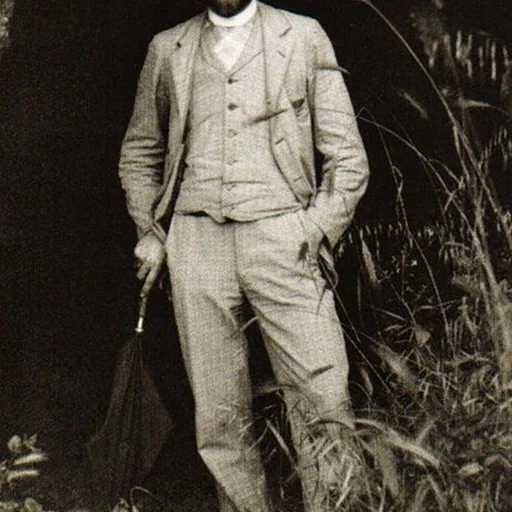
Karl Blossfeldt (13 June 1865 – 9 December 1932) was a German photographer and sculptor.