Artwork
Lyonia calyculata
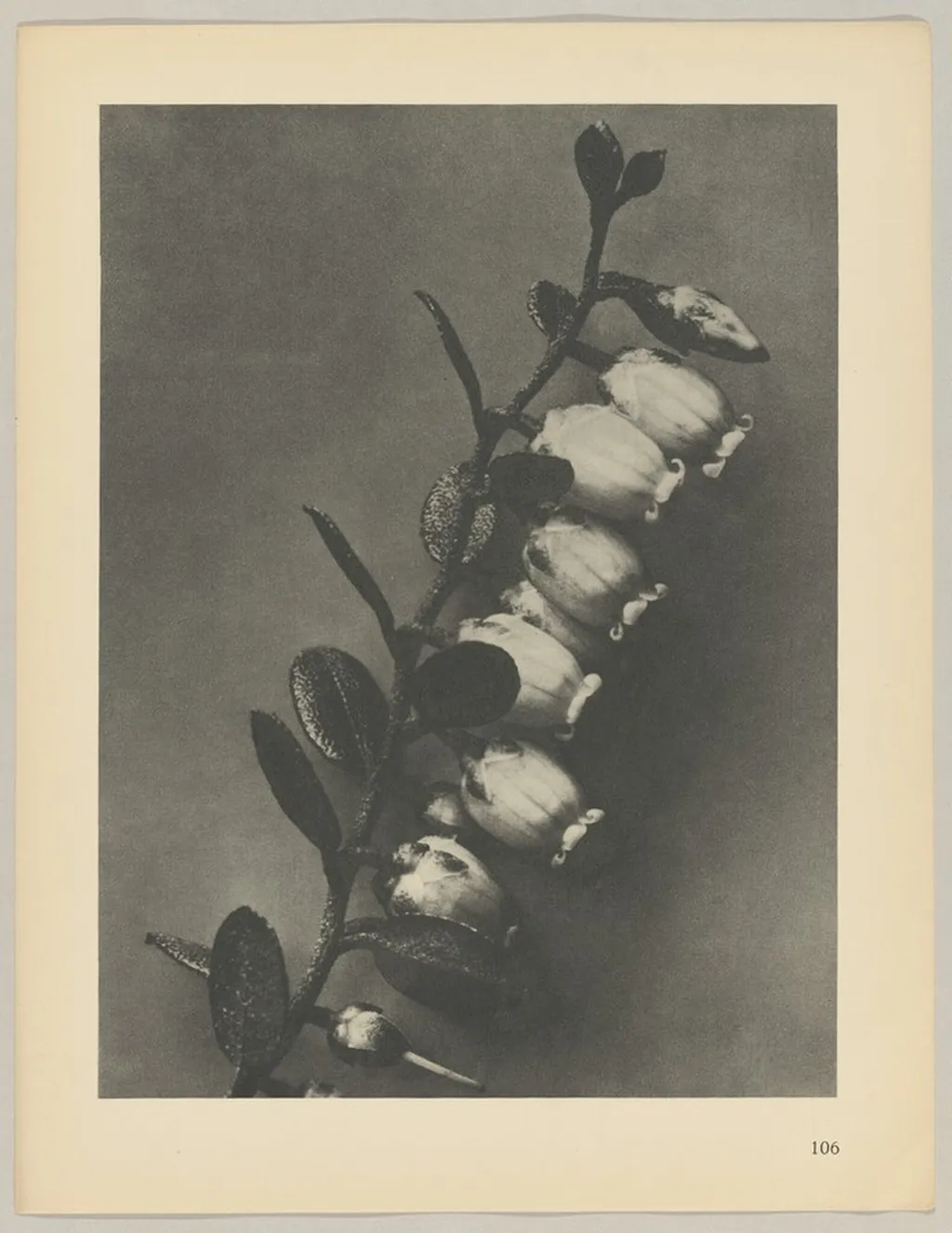
Lyonia calyculata is a print by Karl Blossfeldt. It dates from 1928 and is held in the collection of the National Gallery of Art.
About this work
This technique was popular in the early 20th century, and was often used to create detailed and realistic images of natural subjects.
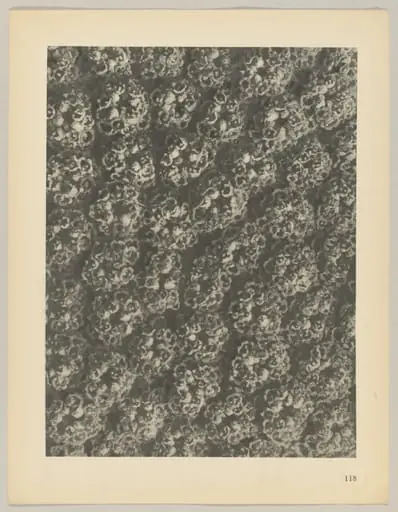
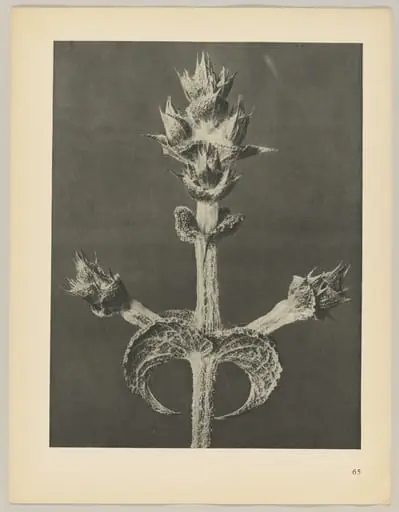
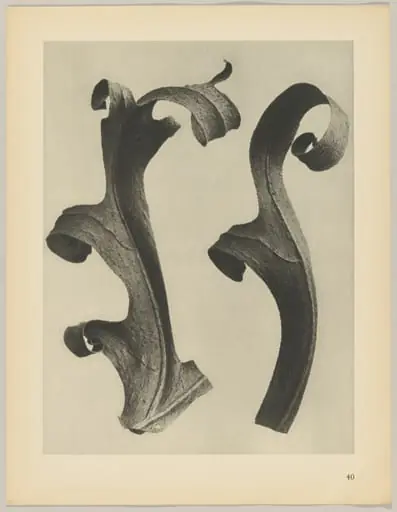
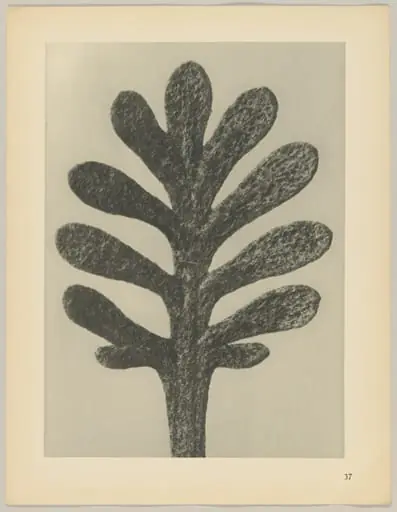
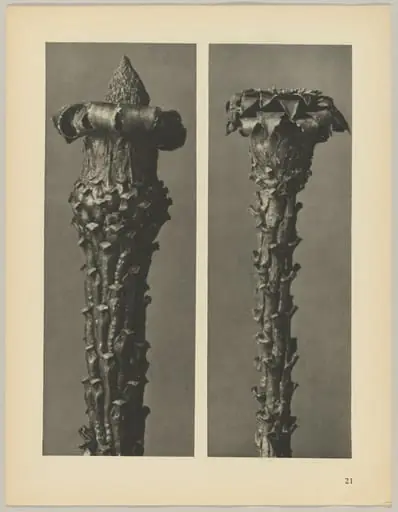
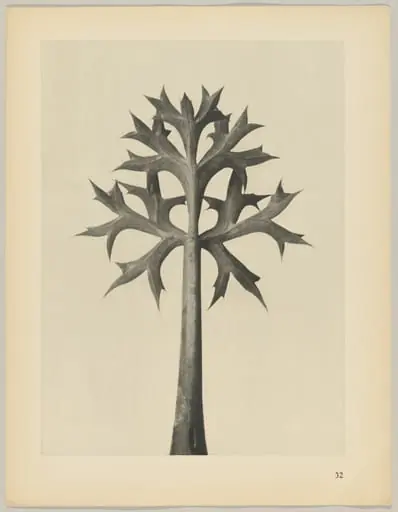
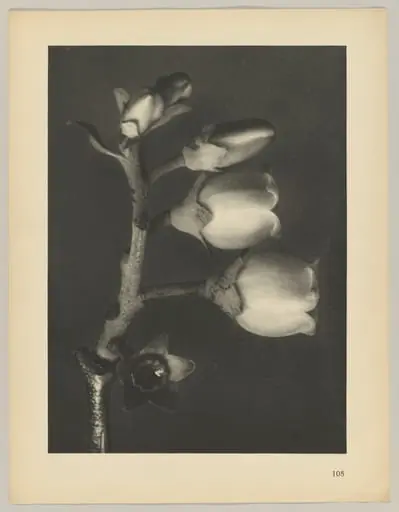
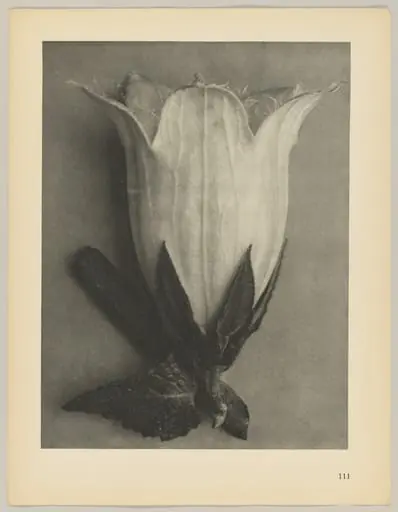
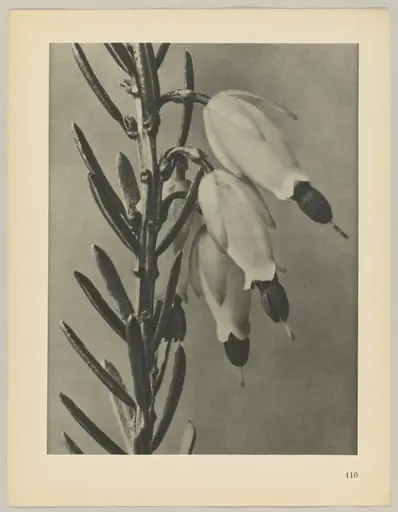
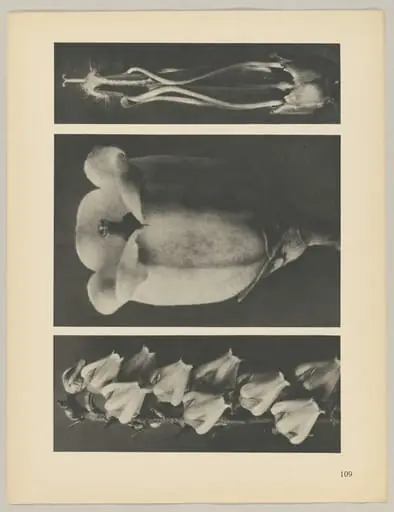
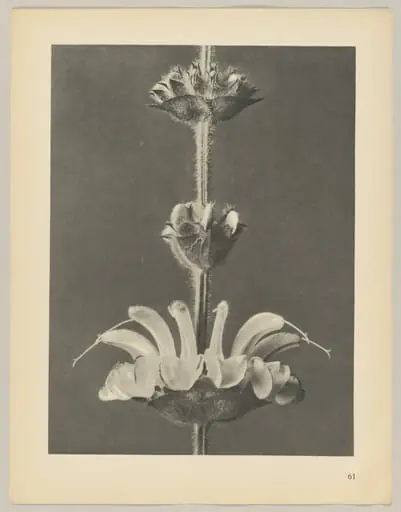
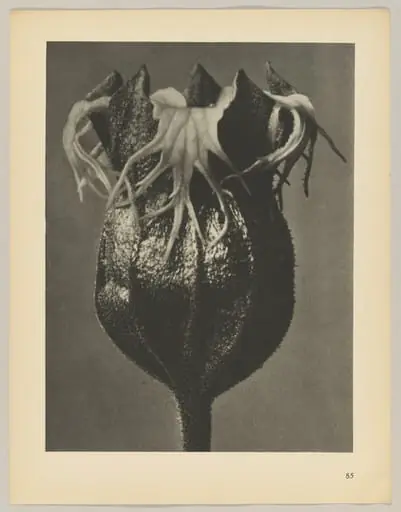
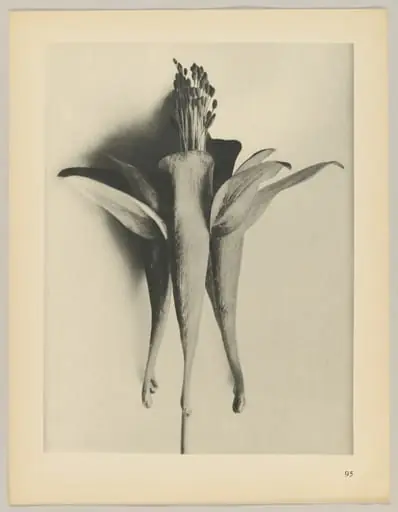
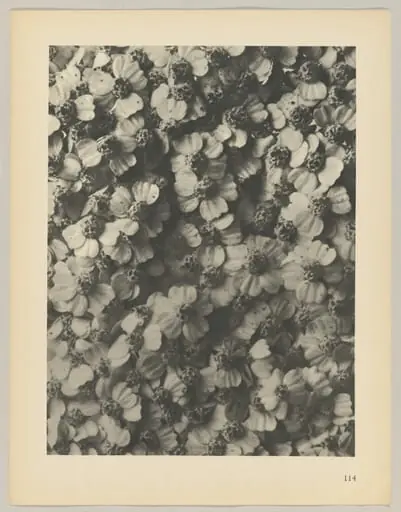
This image shows a close-up of a plant with small, round fruits and dark leaves. The fruits are light-colored and have a textured surface. The leaves are dark green and have a pointed tip.
The plant is shown in a vertical orientation, with the fruits and leaves arranged in a staggered pattern. The background of the image is a solid gray color, which helps to highlight the details of the plant.
The image is a photogravure, a type of printmaking technique that involves etching an image onto a metal plate. This technique was popular in the early 20th century, and was often used to create detailed and realistic images of natural subjects. You might want to learn more about the technique of photogravure.
Overview
Lyonia calyculata is a 1928 photogravure print by Karl Blossfeldt, a German photographer and sculptor.
Subject & Meaning
The print is a close-up image of a plant with small, round fruits and dark leaves, arranged in a staggered pattern. The image highlights the intricate patterns and organic shapes found in the plant's structure.
Technique & Style
The image was created using photogravure, a printmaking technique involving etching an image onto a metal plate, which was popular in the early 20th century for producing detailed and realistic images of natural subjects.
History & Provenance
The print was published in Blossfeldt's 1929 book Urformen der Kunst, a collection of his studies on the structural forms of nature, inspired by his father's interest in botanical growth.
Artist & collection
Artist
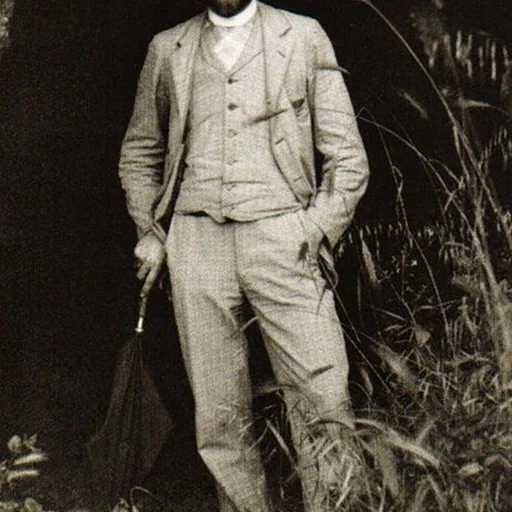
Karl Blossfeldt (13 June 1865 – 9 December 1932) was a German photographer and sculptor.