Artwork
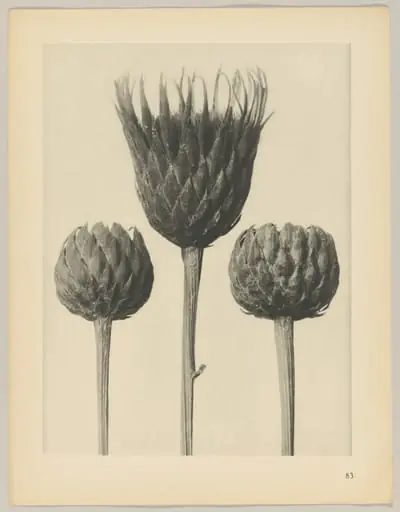
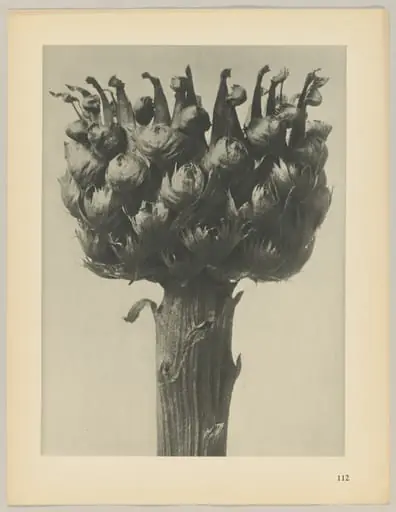
Centaurea ruthenica
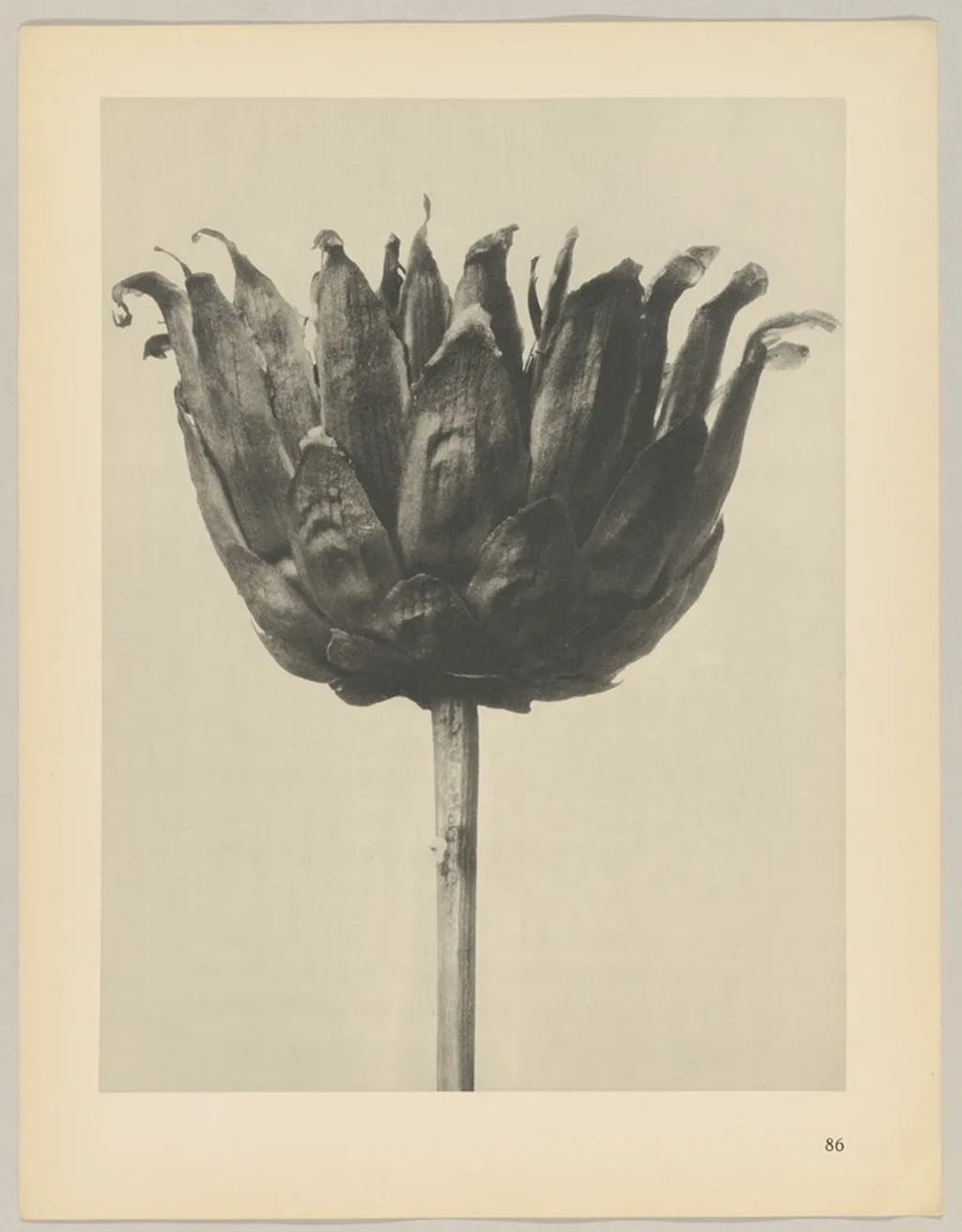
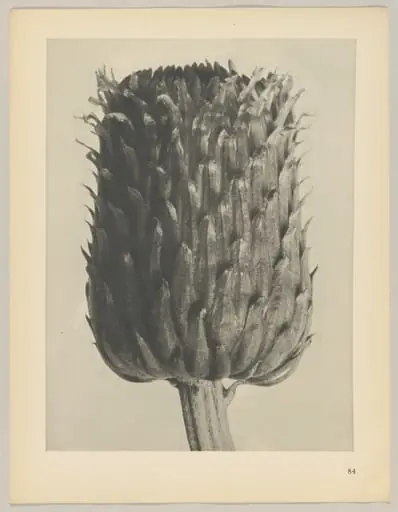
Centaurea ruthenica is a print by Karl Blossfeldt. It dates from 1928 and is held in the collection of the National Gallery of Art.
About this work
Overview
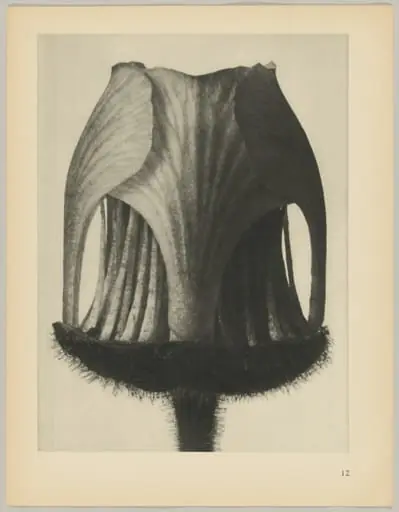
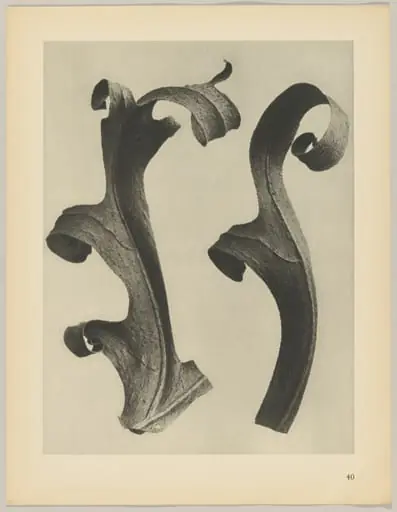
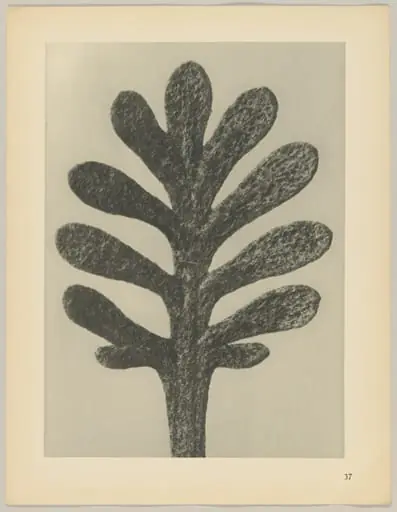
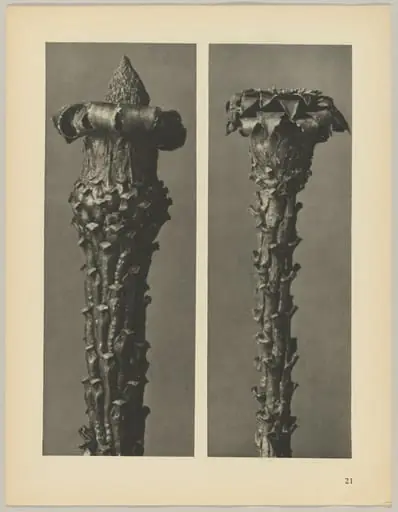
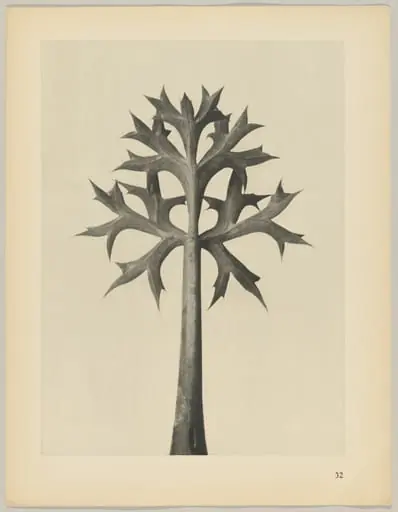
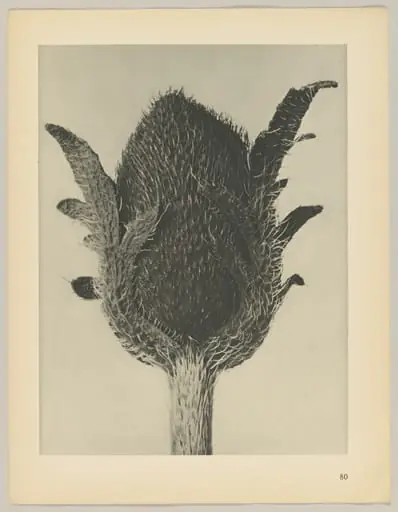
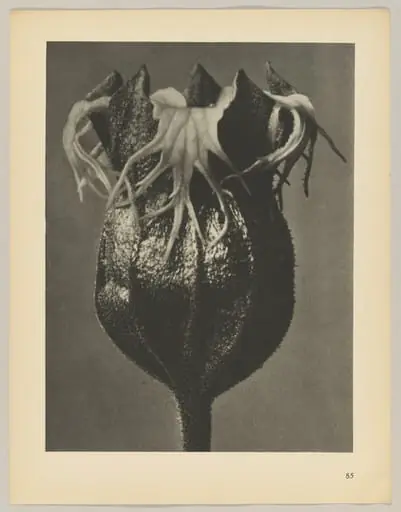
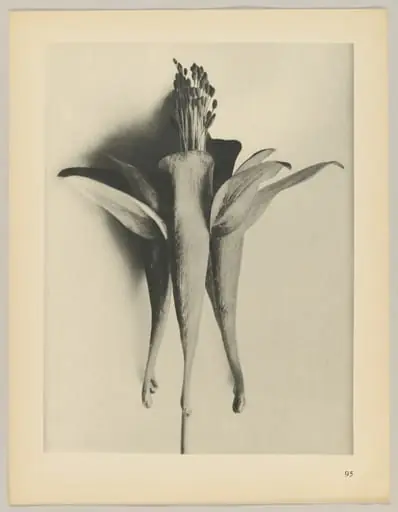
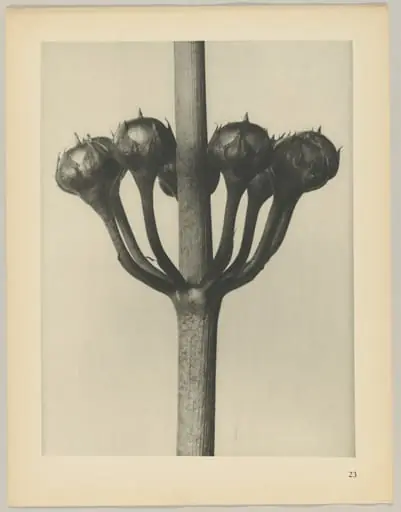
Centaurea ruthenica is a 1928 photogravure print by Karl Blossfeldt, a German artist known for photographing plants in meticulous detail. The work features a tightly closed, curled flower centered against a light background, emphasizing simplicity and elegance.
Subject & Meaning
Although initially mistaken for a tulip, the subject is actually Centaurea ruthenica, highlighting Blossfeldt's focus on capturing the structural beauty of botanical specimens. The image showcases the flower's unique, closed-petal form.
Technique & Style
Blossfeldt employed photogravure, a printmaking technique, to achieve precise, high-contrast details in the image. The composition's simplicity and the subject's central placement reflect his aesthetic emphasis on clarity and the inherent beauty of natural forms.
History & Provenance
Created in 1928, Centaurea ruthenica was published the following year in Blossfeldt's seminal work Urformen der Kunst (Archetypes of Art), which explored parallels between plant structures and artistic design.
Context
Part of a broader early 20th-century interest in the intersection of nature and art, Blossfeldt's work influenced both photographic and design practices by promoting a deeper appreciation for the aesthetic value of botanical subjects.
Artist & collection
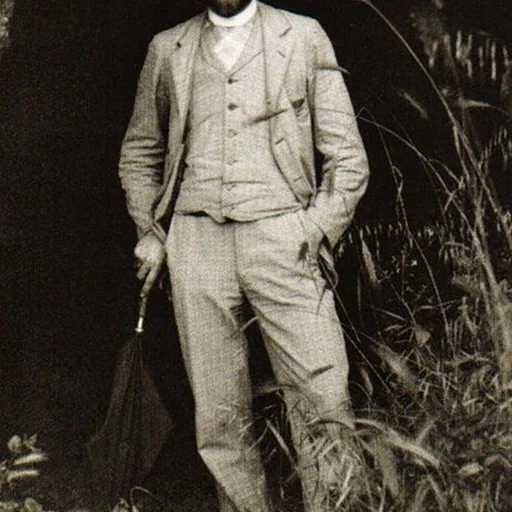
Artist
Karl Blossfeldt (13 June 1865 – 9 December 1932) was a German photographer and sculptor.