Artwork
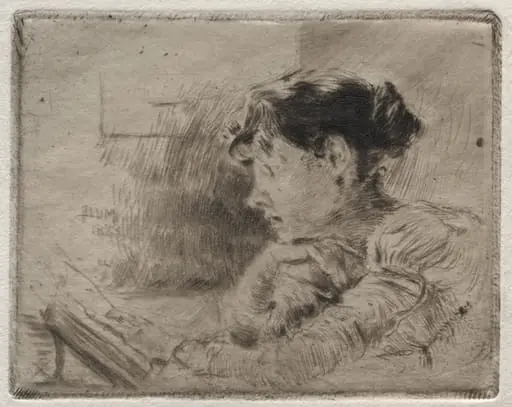
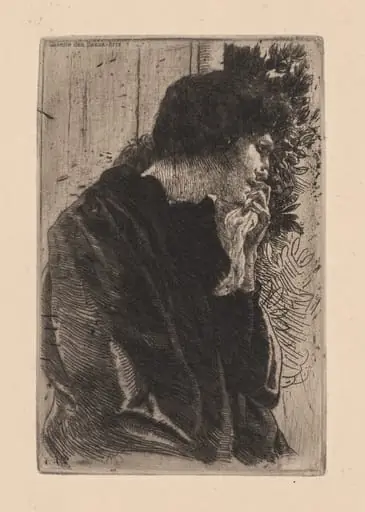
Woman Reading [Donna che legge]
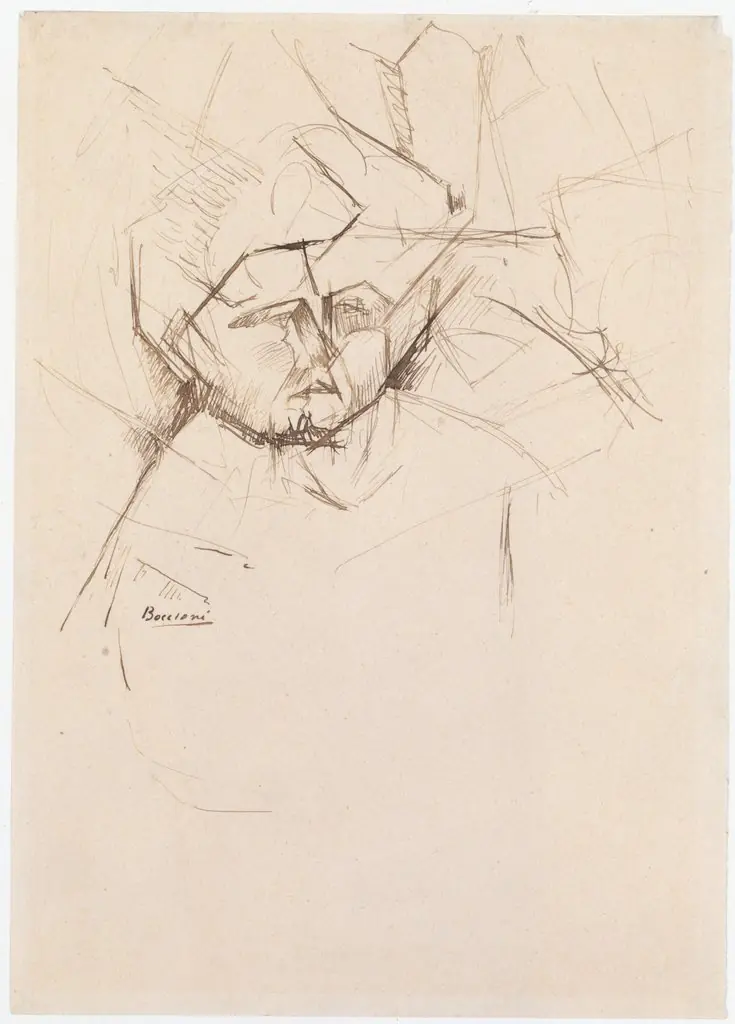
![Woman Reading [Donna che legge], by Umberto Boccioni, ink, 1910](https://artifactworldgallery.com/img/umberto-boccioni--woman-reading-donna-che-legge--d9496ecdedc4f414-w1024.webp)
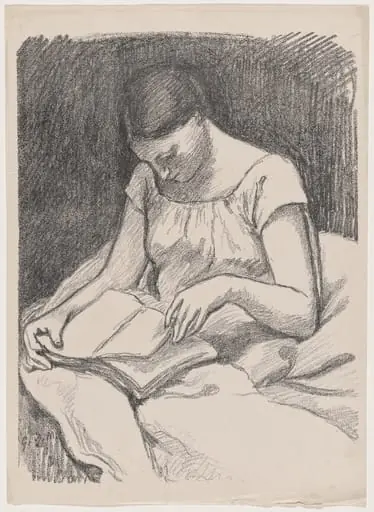
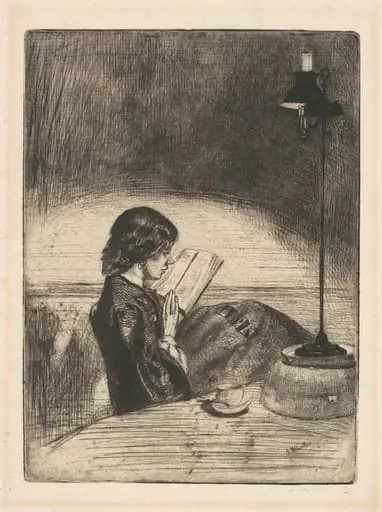
Woman Reading [Donna che legge] is an ink print by Umberto Boccioni. It dates from 1910 and is held in the collection of the National Gallery of Art.
About this work
Overview
Executed in dark brown ink on paper, it is one of only a handful of etchings he made before shifting focus entirely to other media.
Umberto Boccioni produced *Woman Reading* in 1910 as a rare etching during his early engagement with printmaking. Though best known for his dynamic paintings and sculptures within the Futurist movement, this work stands apart in its quietude. Executed in dark brown ink on paper, it is one of only a handful of etchings he made before shifting focus entirely to other media. The technique reveals his interest in tactile mark-making, even outside the movement’s typical emphasis on motion.
Subject & Meaning
The image depicts a woman in profile, absorbed in reading under low light. Her posture suggests solitude and concentration, contrasting with the Futurist fascination with speed and urban energy. The absence of a detailed environment isolates her inner focus, turning the act of reading into a contemplative moment. Boccioni’s choice of subject reflects a personal, introspective side, hinting at literary or emotional themes that rarely surface in his more aggressive works.
Technique & Style
Boccioni used drypoint etching, scratching directly into a metal plate to create dense, irregular lines that hold ink unevenly. The resulting image has a rough, tactile quality, with soft gradations of tone rather than sharp contours. The background is largely unworked, enhancing the sense of spatial ambiguity. The woman’s face is rendered with careful detail, while her clothing and surroundings dissolve into suggestive strokes, emphasizing texture over definition.
History & Provenance
This etching exists as a proof state, likely one of a small number pulled before Boccioni abandoned printmaking. It was made during a transitional phase in his career, shortly before he turned decisively toward sculpture and large-scale painting. No major public collection records indicate widespread circulation of this work, suggesting it remained a private experiment. Its survival as a proof underscores its role as a study rather than a commercial print.
Context
In 1910, Boccioni was immersed in developing Futurist theory, advocating for art that captured modernity’s velocity. Yet *Woman Reading* offers a counterpoint: a still, intimate scene that resists movement and spectacle. This divergence reveals the complexity of his practice, where personal observation occasionally interrupted ideological imperatives. The work aligns with broader European trends in printmaking that valued emotional nuance over public grandeur.
Legacy
Though Boccioni’s legacy rests primarily on his paintings and sculptures, *Woman Reading* remains a quiet testament to his versatility. It demonstrates his ability to adapt his visual language to a medium that favored subtlety over spectacle. The etching is now recognized as a significant anomaly in his oeuvre, offering insight into his artistic range and the personal impulses that coexisted with Futurist dogma.
Artist & collection

Artist
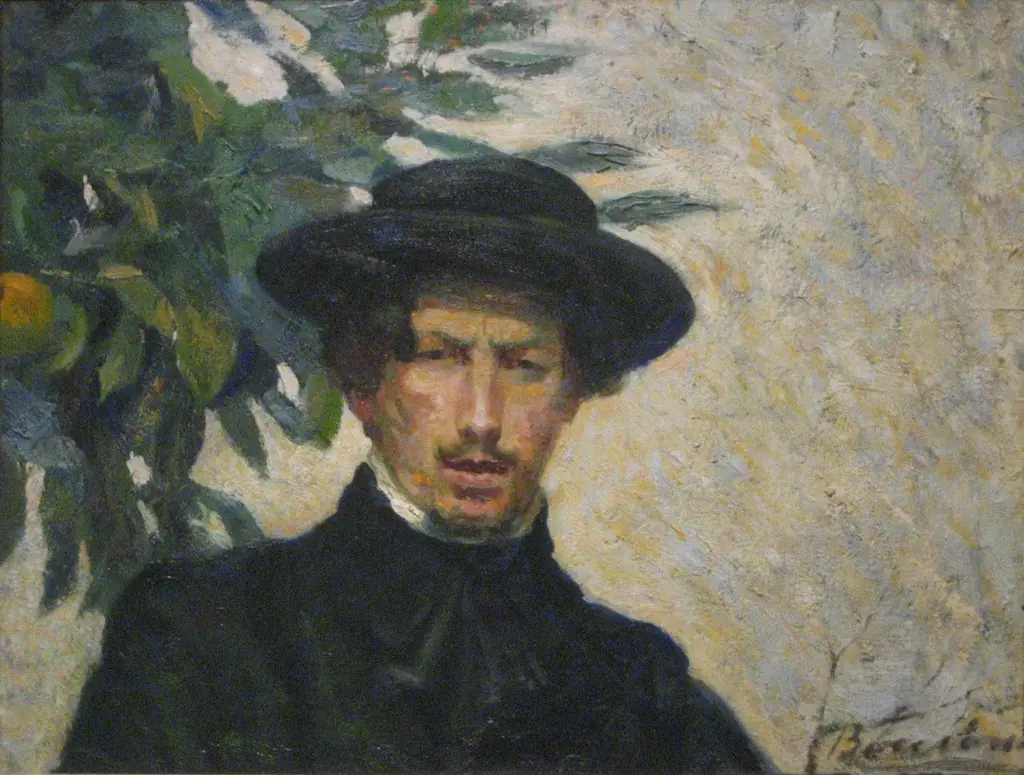
Umberto Boccioni was an influential Italian painter and sculptor. He helped shape the revolutionary aesthetic of the Futurism movement as one of its principal figures. Despite his short life, his approach to the…

![Mia madre che lavora [My Mother Working], by Umberto Boccioni](https://artifactworldgallery.com/img/umberto-boccioni--mia-madre-che-lavora-my-mother-working--ce84f1205dd9eec1-w320.webp)
![Periphery [Periferia], by Umberto Boccioni](https://artifactworldgallery.com/img/umberto-boccioni--periphery-periferia--ea91379039261e85-w320.webp)