Artwork
Self-Portrait
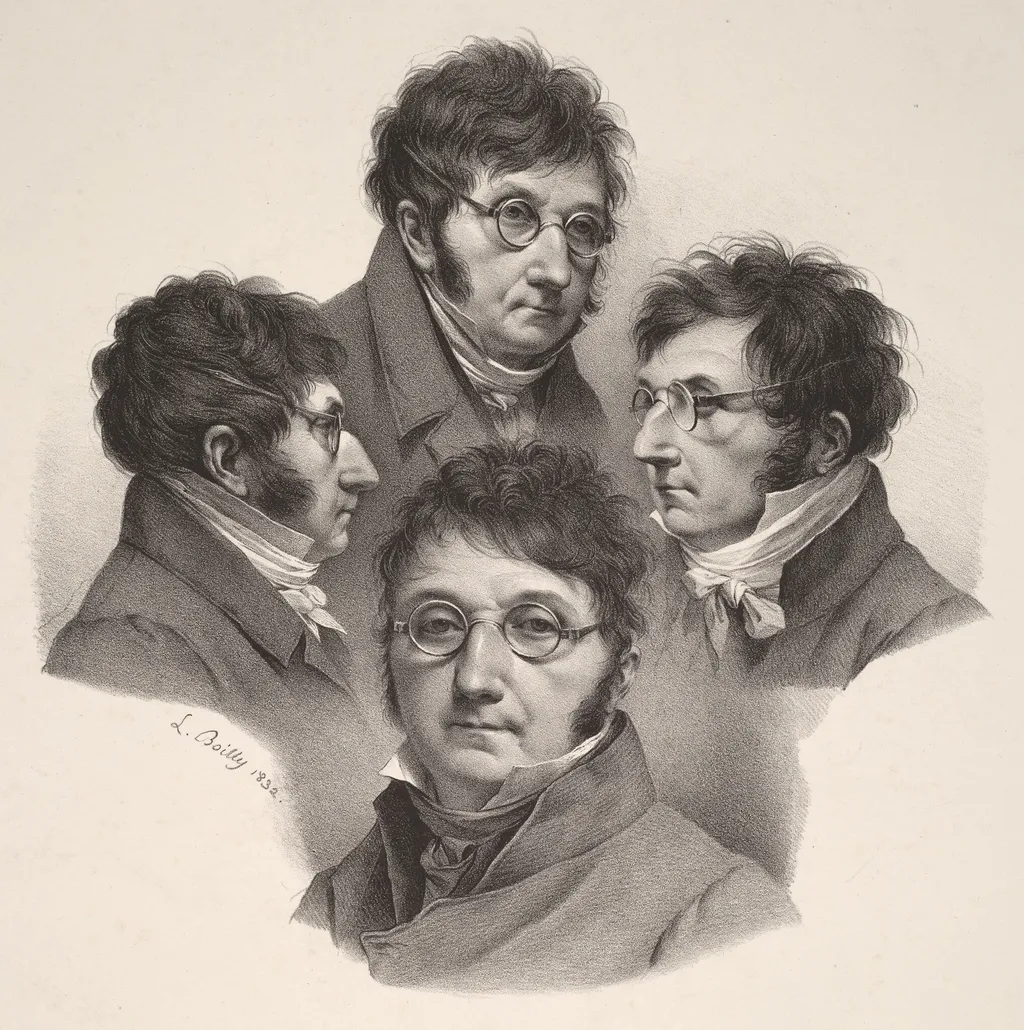
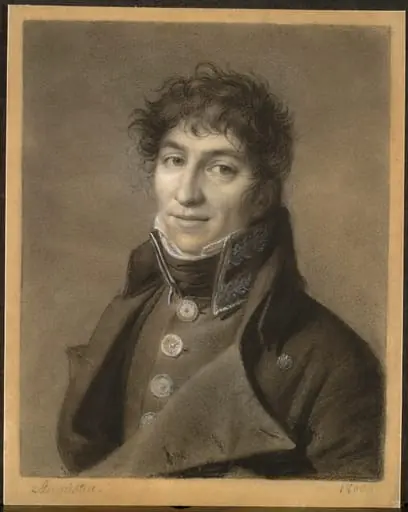
Self-Portrait is an ink print by the Romanticist artist Louis-Léopold Boilly. It dates from 1832 and is held in the collection of the National Gallery of Art.
About this work
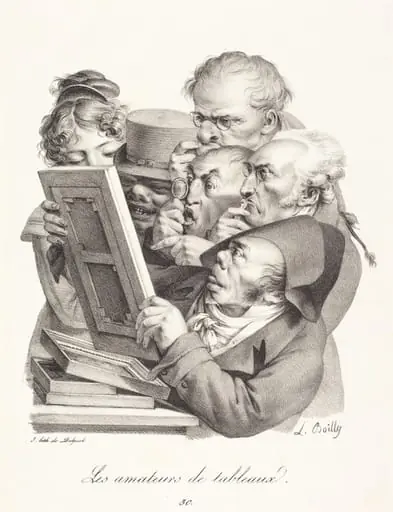
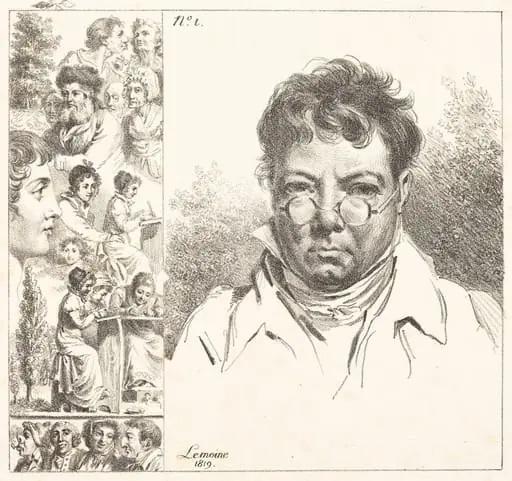
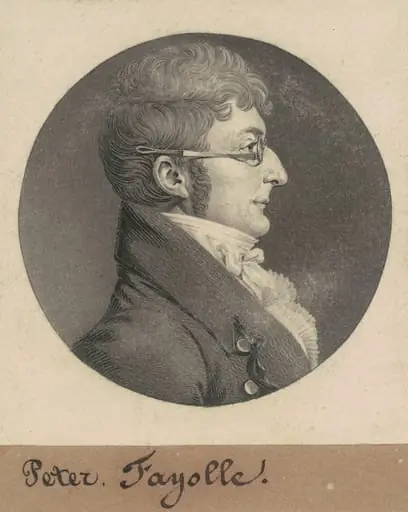
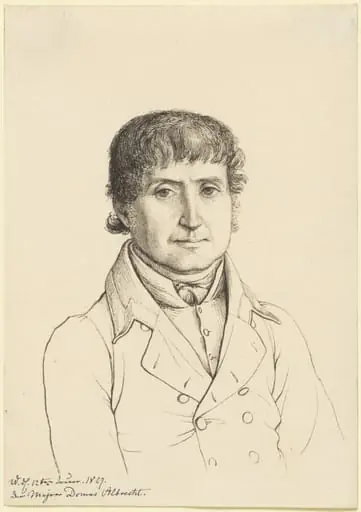
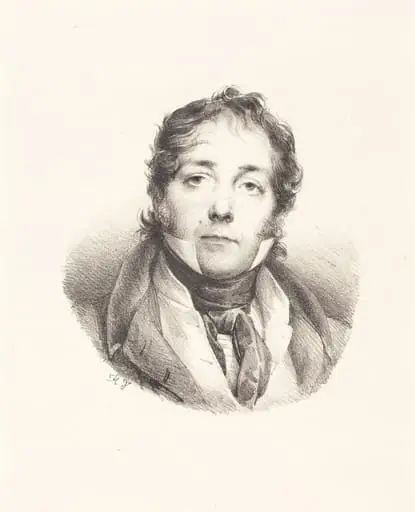
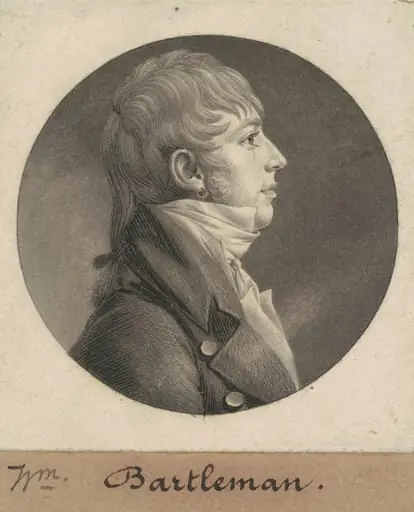
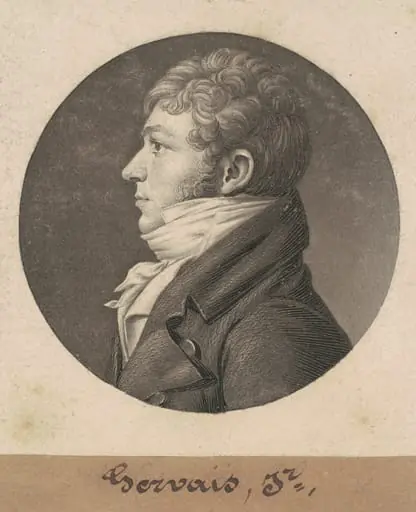
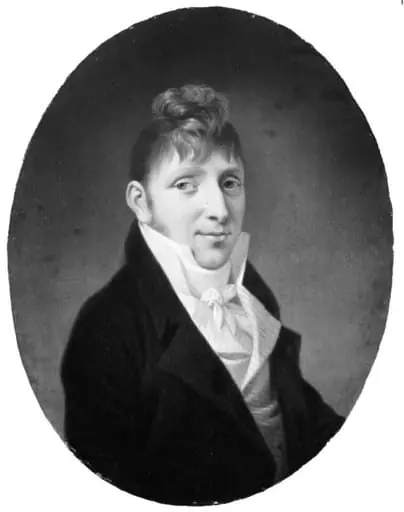
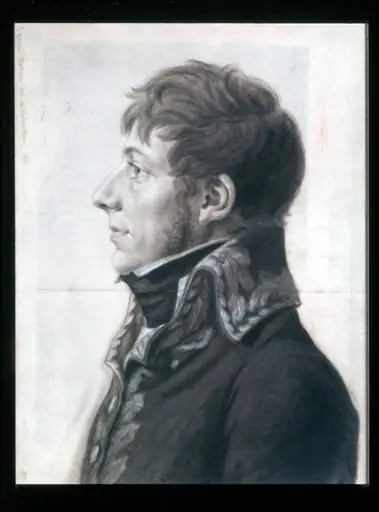
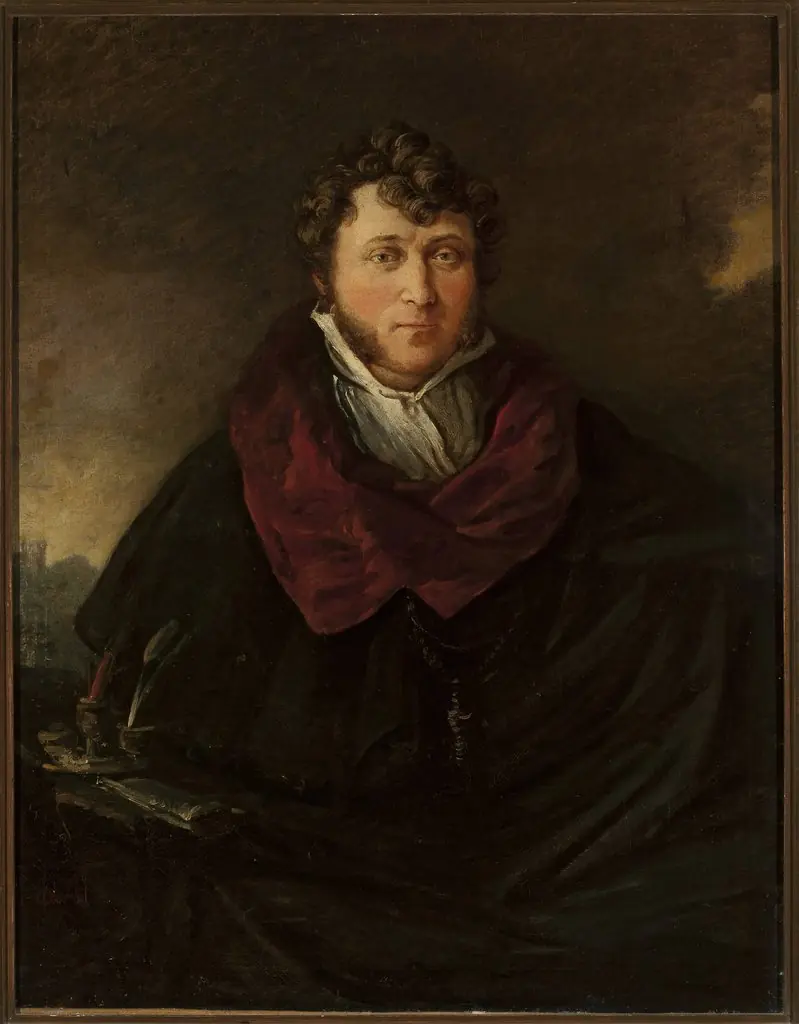
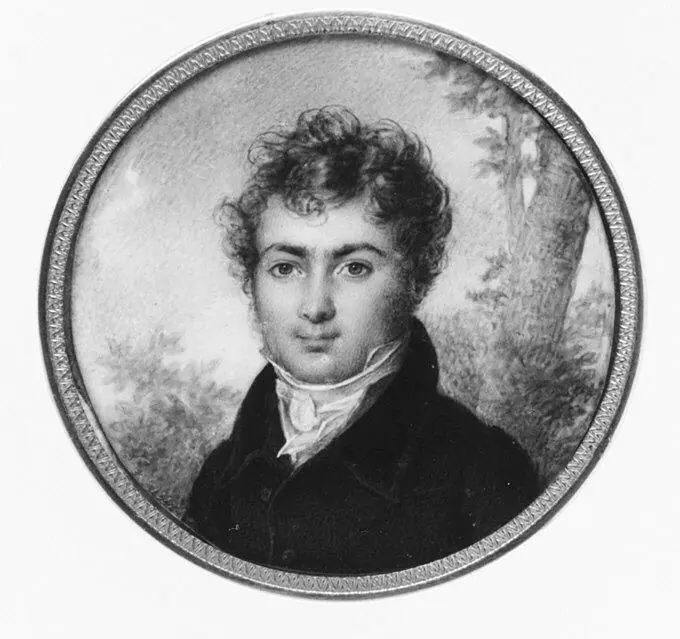
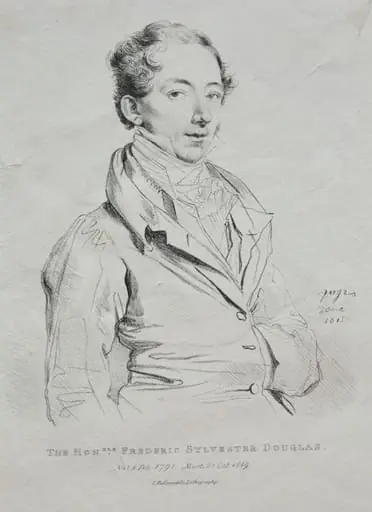
This sketch shows four people with glasses and 1830s-style hair—big curls and high collars.
This sketch shows four people with glasses and 1830s-style hair—big curls and high collars. They’re drawn in a loose, sketchy style, almost like a quick study. The lines are soft, and the faces look serious but not stiff.
Notice how the artist signed it in the corner: "Boilly 1832." That’s the only clue we get about who made it or when.
Next, check out lithography—this is how the drawing was made.
Overview
Louis-Léopold Boilly’s lithograph titled *Self‑Portrait* was produced in 1832 on wove paper. Executed as a print, the work bears the artist’s signature and date in the lower corner, confirming its authorship and year of creation.
Subject & Meaning
The image presents a small gathering of four individuals, each wearing spectacles and hairstyles typical of the 1830s, such as pronounced curls and high collars. Their expressions are solemn yet relaxed, suggesting an informal study rather than a formal group portrait.
Technique & Style
Created through lithography, the work displays a loose, sketch‑like quality. Soft, fluid lines define the figures, giving the composition an immediacy that resembles a rapid observational drawing rather than a polished finish.
History & Provenance
The sole identifying element is Boilly’s handwritten signature, “Boilly 1832,” placed in the corner of the sheet. No additional documentation of ownership or exhibition history is presently recorded for this particular print.
Context
In the early nineteenth century, lithography became a popular medium for artists seeking to reproduce images quickly and affordably. Boilly, known for his genre scenes and portraiture, employed the technique here to capture a fleeting moment with a degree of spontaneity uncommon in his oil paintings.
Legacy
While not among Boilly’s most widely reproduced works, this lithograph illustrates his experimentation with the medium and provides insight into his approach to portraiture during a period when printmaking was expanding the reach of visual art.
Artist & collection