Artwork
Ruins of the Château Saint-Chamond, Loire
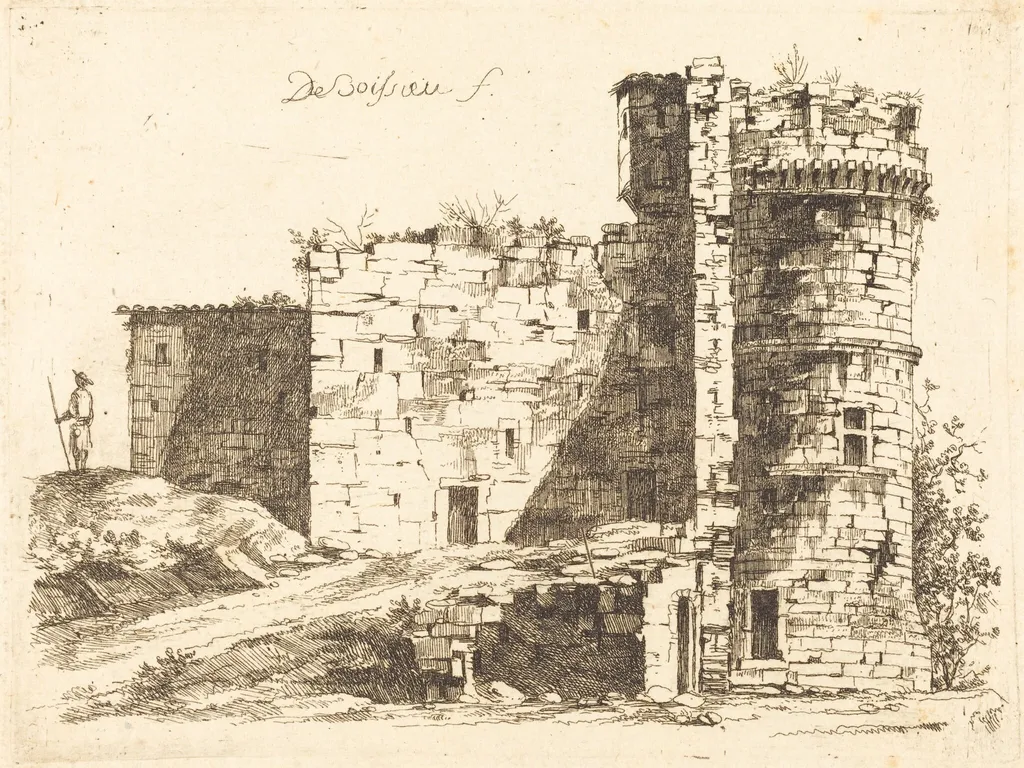
Ruins of the Château Saint-Chamond, Loire is an ink print by the Romanticist artist Jean-Jacques de Boissieu. It dates from 1759 and is held in the collection of the National Gallery of Art.
About this work
Overview
Rendered on laid paper, the work belongs to the tradition of topographical printmaking, blending architectural observation with atmospheric landscape.
An 1759 etching by Jean-Jacques de Boissieu, this print captures the fragmented remains of the Château Saint-Chamond in the Loire region. Rendered on laid paper, the work belongs to the tradition of topographical printmaking, blending architectural observation with atmospheric landscape. The composition centers on decayed stonework, softened by vegetation and subtle tonal gradations, evoking quiet contemplation rather than grandeur.
Subject & Meaning
The scene portrays a once-mighty fortress reduced to weathered ruins, its towers and walls half-consumed by ivy and wild growth. A solitary figure, dressed in period attire and leaning on a staff, stands on a distant rise, gazing toward the ruins. This human presence invites reflection on time’s passage and the quiet persistence of nature over human endeavor, without overt narrative or moralizing.
Technique & Style
De Boissieu employed fine, controlled etching lines to suggest texture in crumbling stone and delicate foliage. Light and shadow are modulated through hatching and cross-hatching, creating depth without dramatic contrast. The figure is minimized in scale, integrating human presence into the broader natural setting. The style favors quiet realism over theatricality, aligning with early Romantic sensibilities that valued mood over spectacle.
History & Provenance
Created in 1759, the etching likely emerged from de Boissieu’s travels through the Loire Valley, where he documented historic sites in decline. It was produced during a period of growing interest in medieval ruins as subjects for artistic study, particularly among French engravers. The work remained within private collections in France, with no known public exhibition history prior to the 19th century.
Context
In mid-18th-century France, antiquarian interest in medieval architecture was rising, fueled by Enlightenment curiosity and nascent Romantic ideals. Artists like de Boissieu contributed to a visual archive of decaying castles, shifting focus from their former military or noble significance to their poetic resonance as relics. This print reflects a broader cultural turn toward melancholy beauty and the sublime in nature.
Legacy
Though not widely reproduced, the etching exemplifies a quiet strand of French printmaking that prioritized observation over sentiment. De Boissieu’s approach influenced later topographical artists who sought to record architectural heritage with precision and restraint. The work endures as a modest but thoughtful record of how 18th-century eyes perceived the passage of time in the landscape.
Artist & collection
Artist
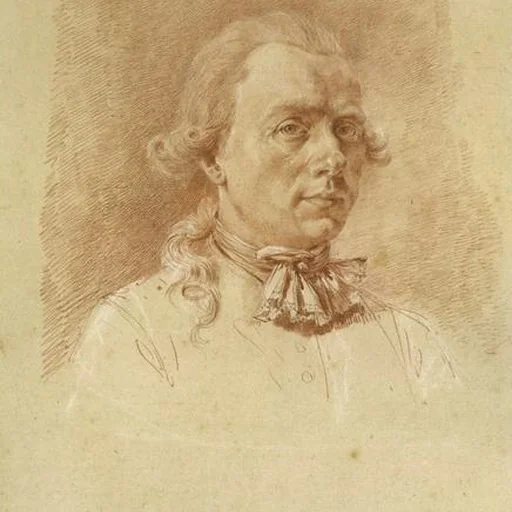
Jean-Jacques de Boissieu (1736–1810) was a French artist, born in Lyon.

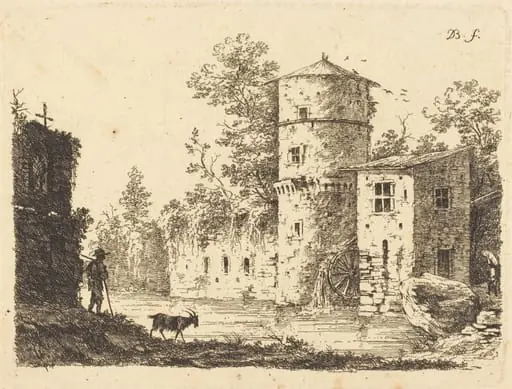 Ancient Tower with a Water Mill
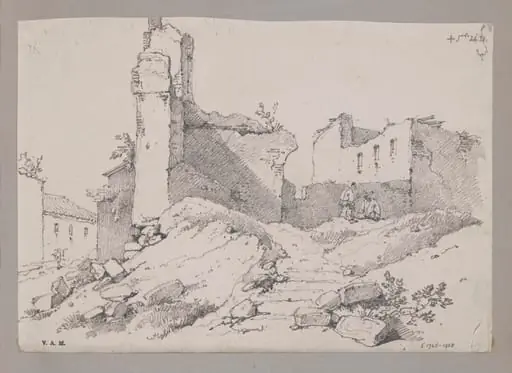 Ruins of the Swedish Factory, Macao, 1831
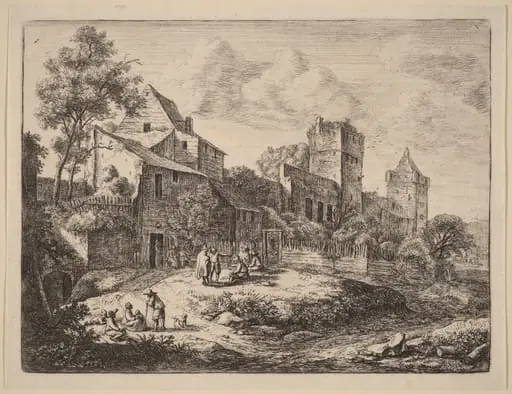 Square in Front of an Inn
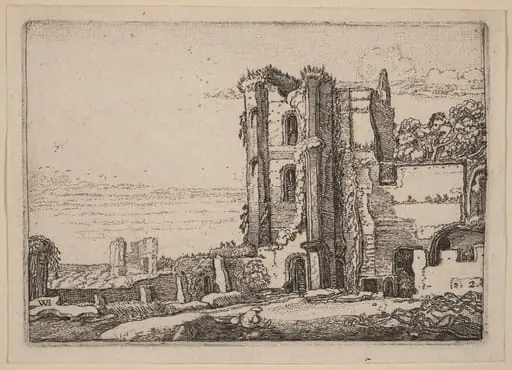 Ruined Tower Right of Center
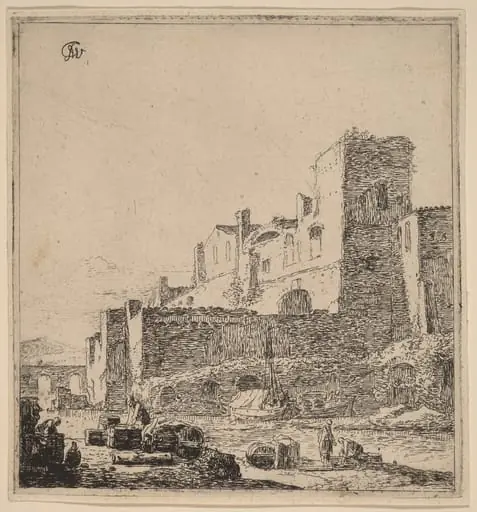 Sailors at the Waterside
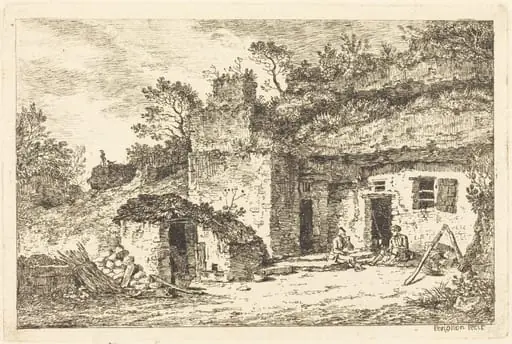 A Cottage with Two Men Seated at the Doorway
 Vue du Chateau de Saconnex
 Ruins with a Seated Man, and a Covered Wagon in the Distance
 Ancient Tower at a Water Mill
 Entrance to the French Capuchin Convent at Athens