Artwork
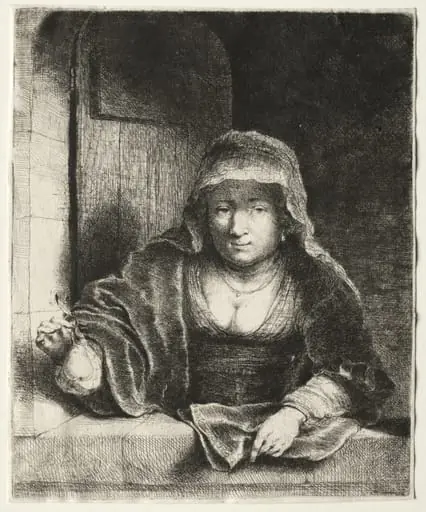
The Woman with the Pear
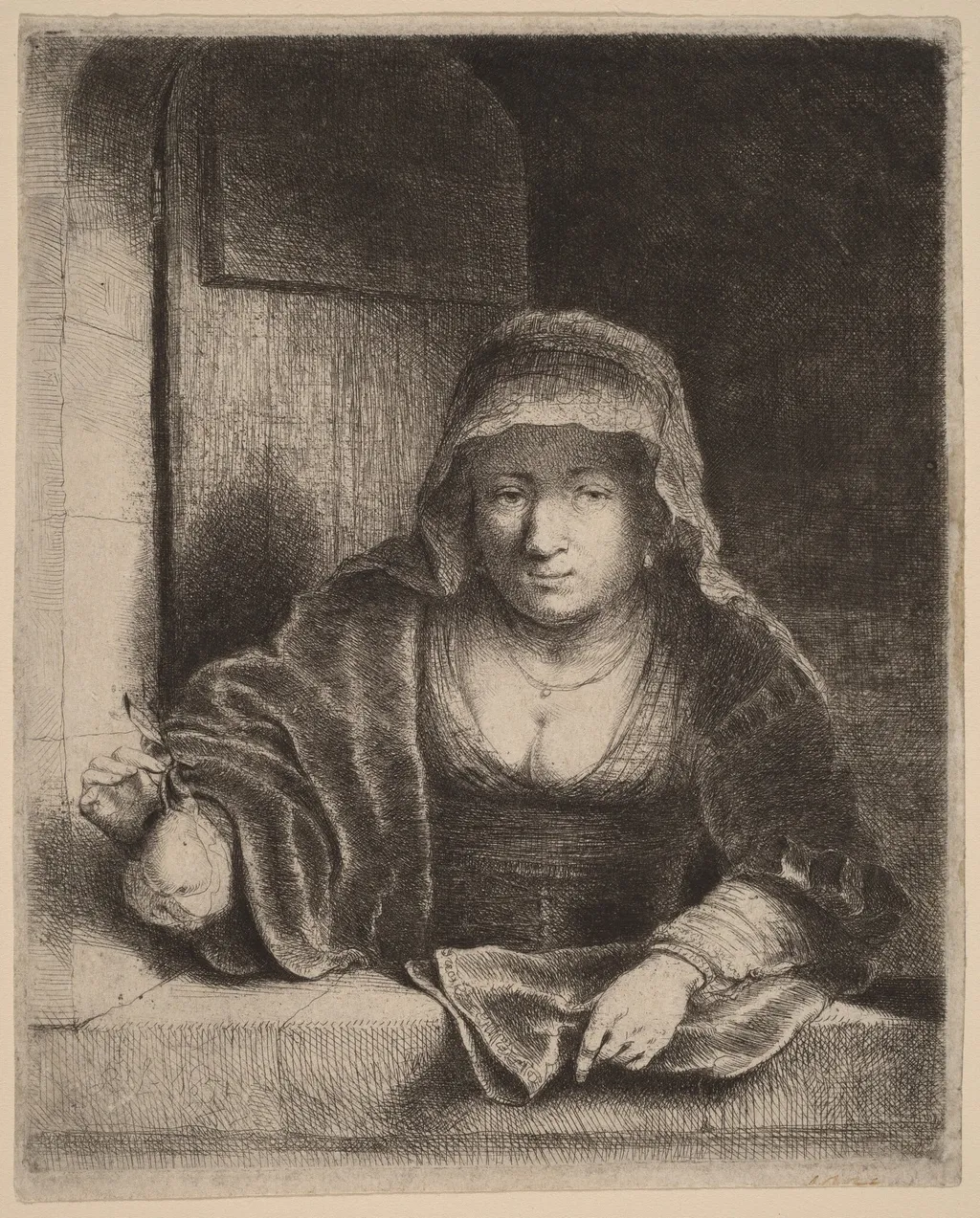
The Woman with the Pear is an ink print by the Baroque artist Ferdinand Bol. It dates from 1651 and is held in the collection of the National Gallery of Art.
About this work
Overview
The Woman with the Pear is a 1651 etching by Ferdinand Bol, a Dutch artist known for portraits and historical subjects, who trained under Rembrandt.
Subject & Meaning
The etching portrays a solitary woman in exotic, dark attire holding a pear, an object often symbolizing temptation or virtue in 17th-century Dutch art. Her downward gaze and gentle grasp of the pear suggest quiet contemplation, inviting reflection on her emotions.
Technique & Style
Characteristic of the Baroque movement, the work features dramatic lighting and intense emotional depth. The detailed, shaded rendering of the pear contrasts with the woman's subtle, shadowed expression, emphasizing somber introspection.
History & Provenance
Created in 1651 by Ferdinand Bol, a Rembrandt pupil, the etching reflects Bol's adherence to his master's penchant for elaborate figures, albeit in a more subdued, contemplative context.
Context
Within the broader Dutch art scene of the 17th century, The Woman with the Pear aligns with themes of moral symbolism (as seen in the pear motif) and the Baroque emphasis on emotional intensity, though here expressed in restrained, solitary form.
Legacy
As a work by a Rembrandt pupil, The Woman with the Pear contributes to the understanding of artistic lineage and influence in 17th-century Dutch printmaking, showcasing Bol's interpretation of Baroque themes in a more subdued key.
Artist & collection

Artist
Ferdinand Bol (24 June 1616 - 24 August 1680) was a Dutch painter, etcher and draftsman.

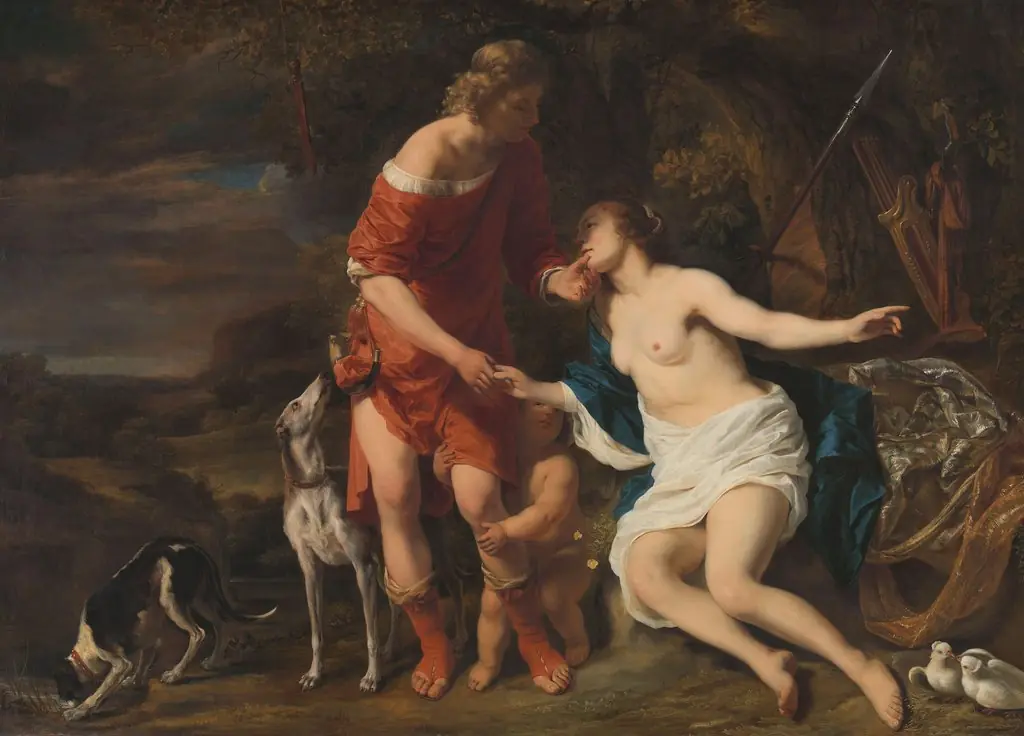 Venus and Adonis
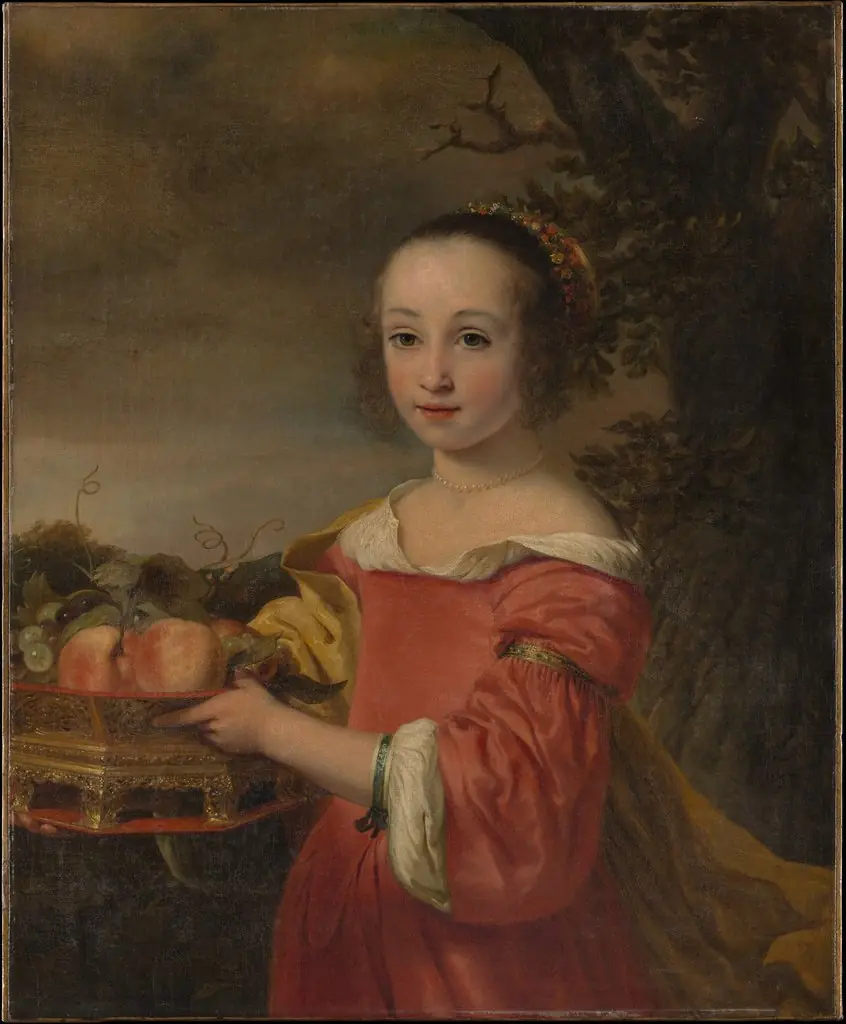 Petronella Elias (1648–1667) with a Basket of Fruit
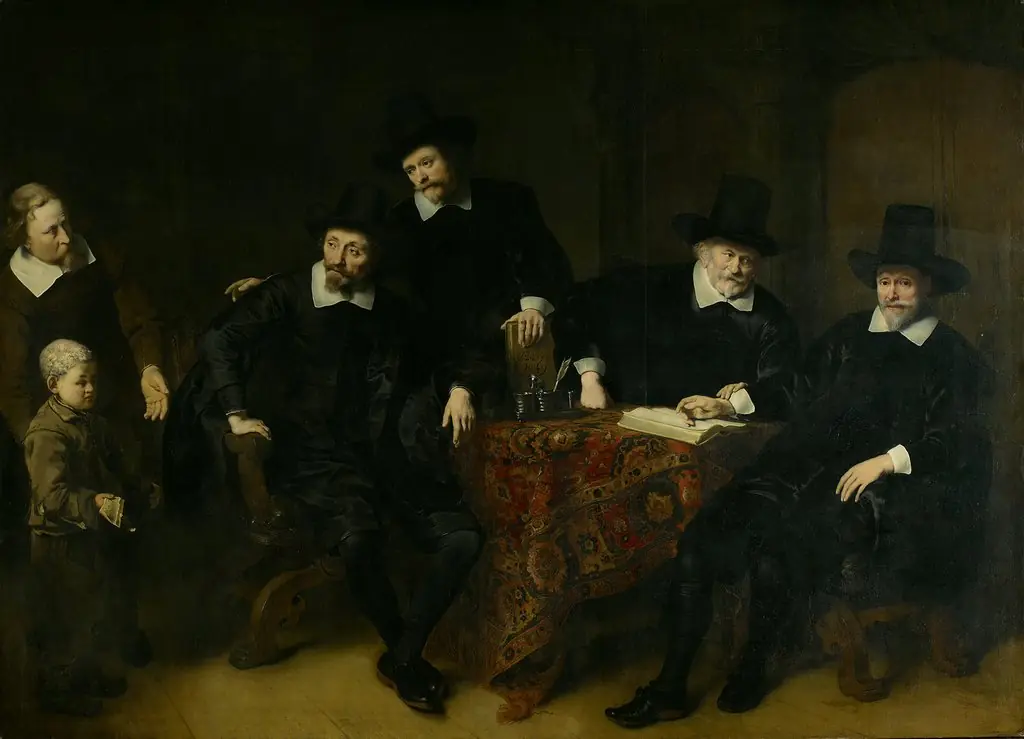 The Regents of the Leper's house in Amsterdam in 1649
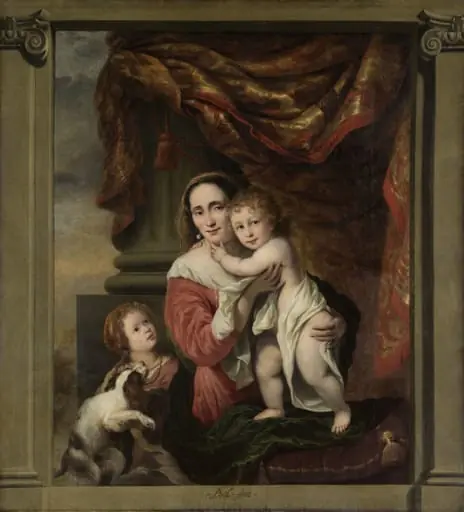 Caritas: Joanna de Geer (1629-1691) with her Children Cecilia Trip (1660-1728) and Laurens Trip (b. 1662)
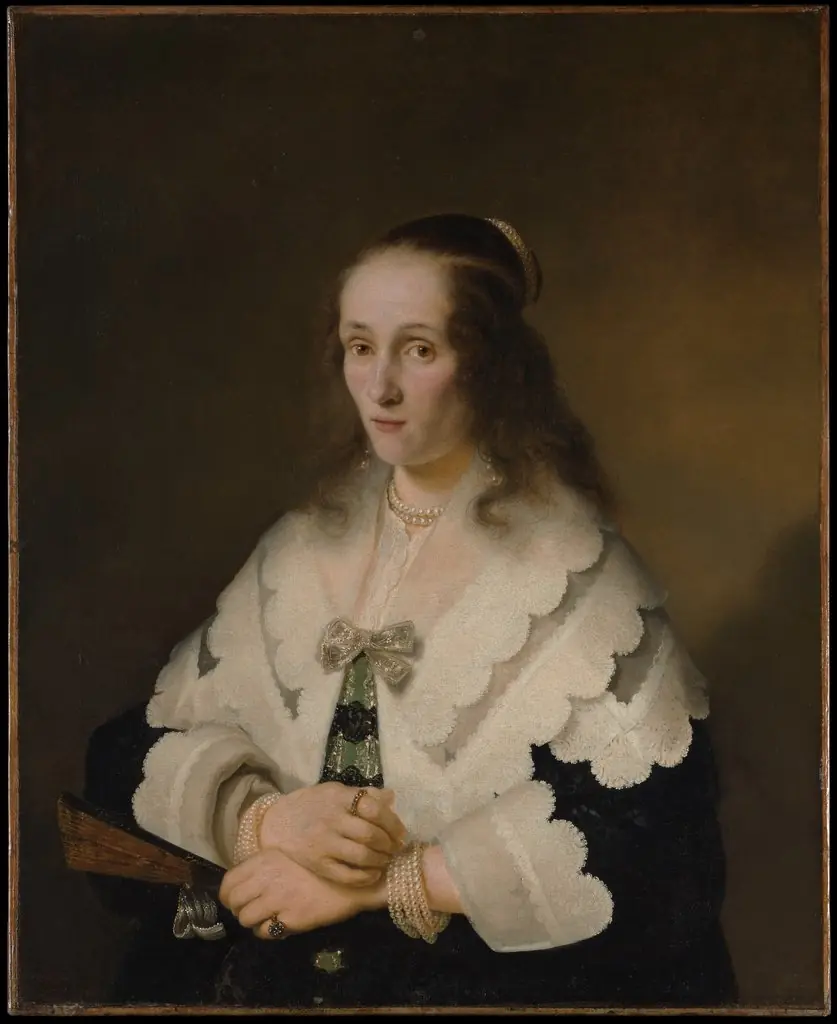 Portrait of a Woman
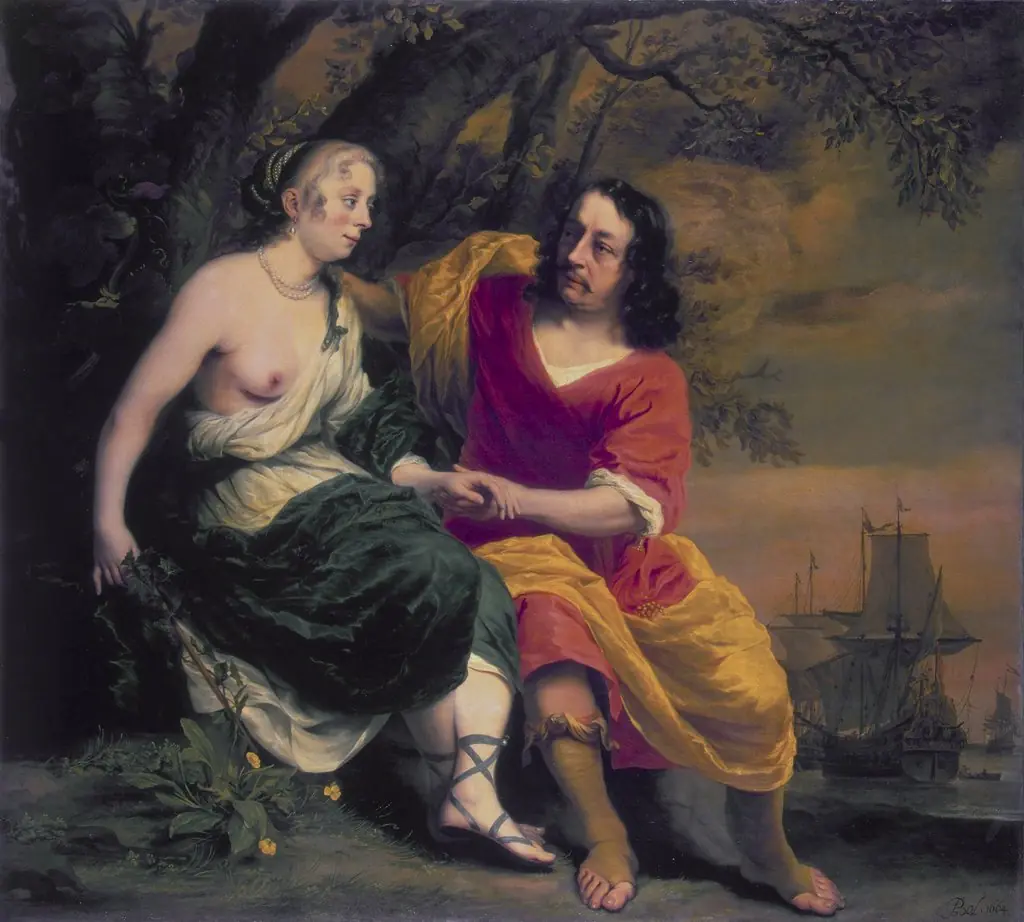 Bacchus and Ariadne
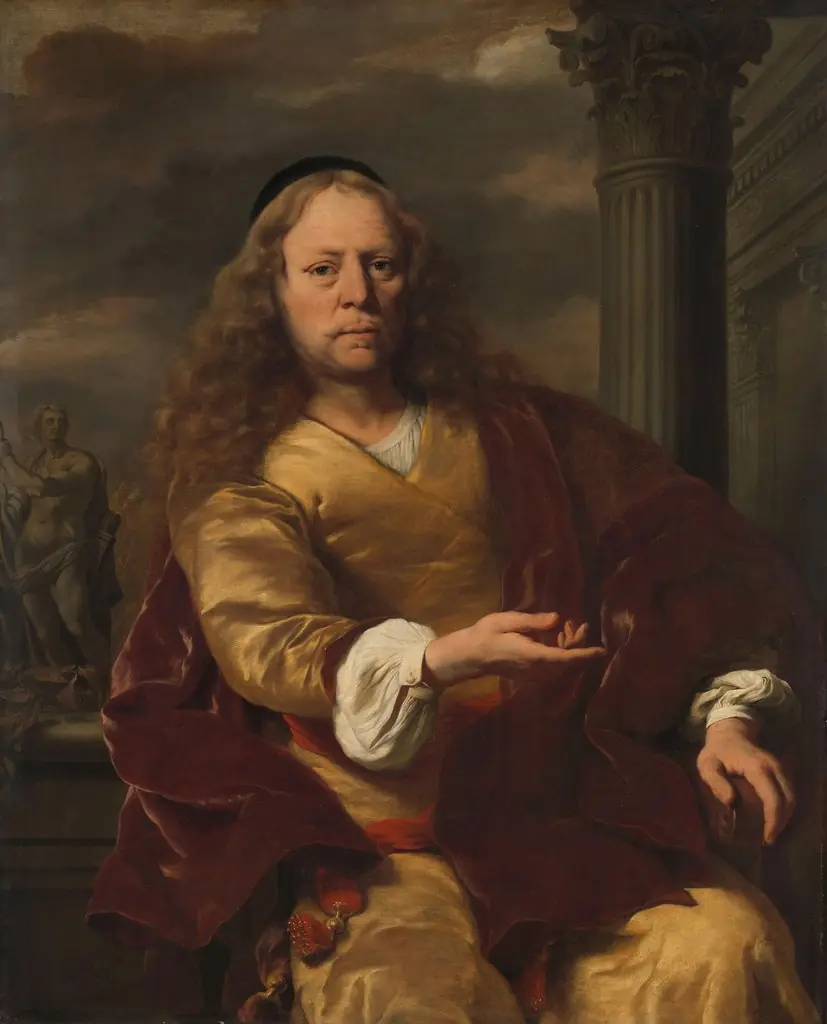 Portrait of a man
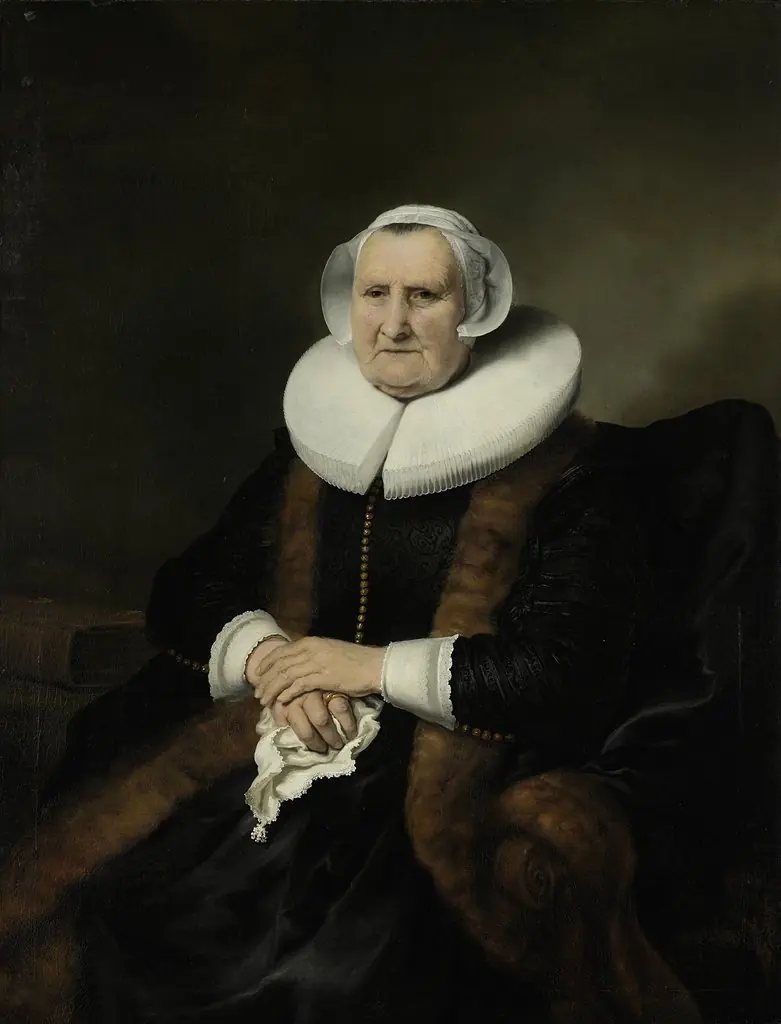 Portrait of an Old Lady, Possibly Elisabeth Bas
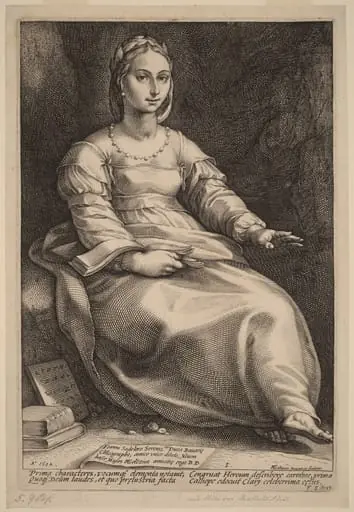 Calliope
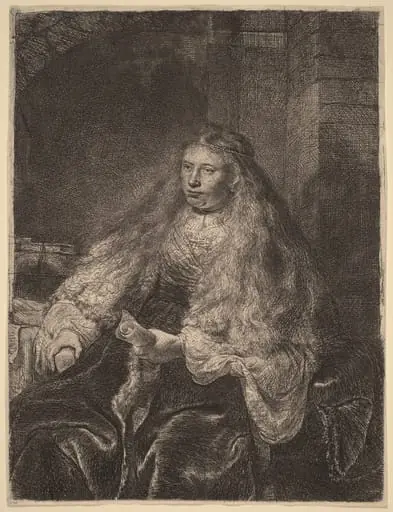 The Great Jewish Bride
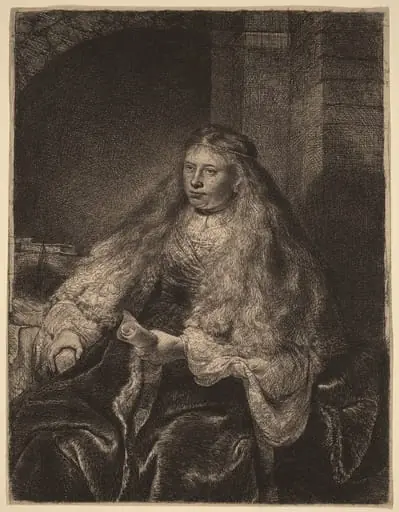 The Great Jewish Bride
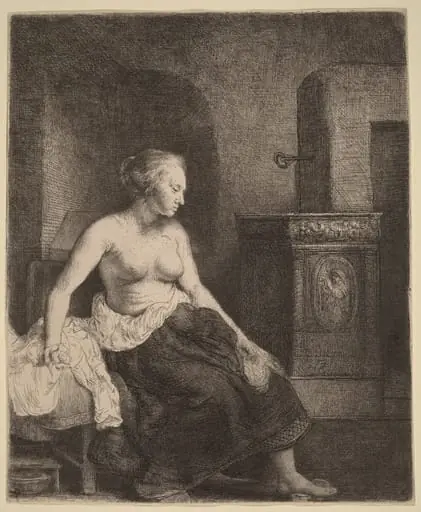 Woman Sitting Half Dressed beside a Stove
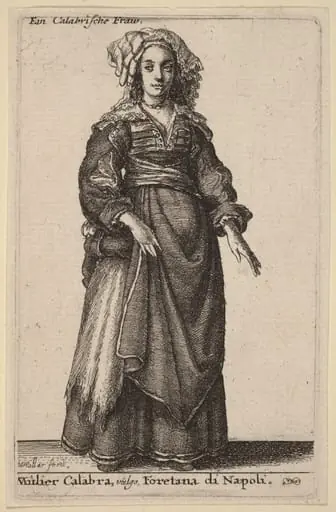 Mulier Calabra, Vulgo, Foretana di Napoli
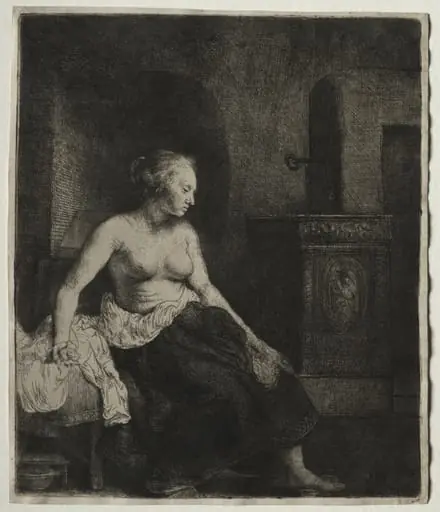 Woman Sitting Half Dressed Beside a Stove
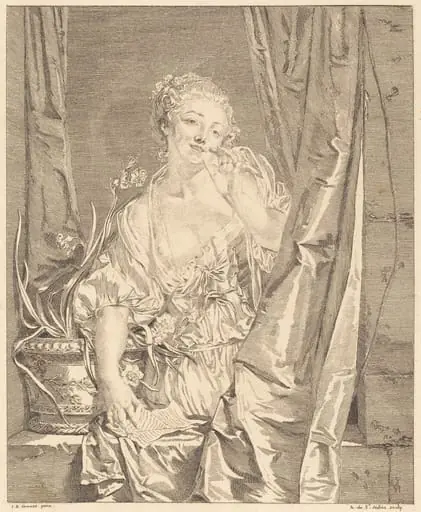 Le baiser envoyé
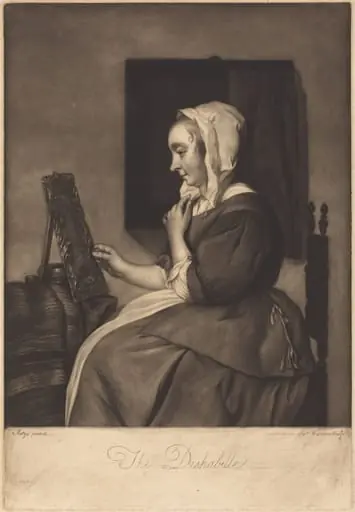 The Deshabille
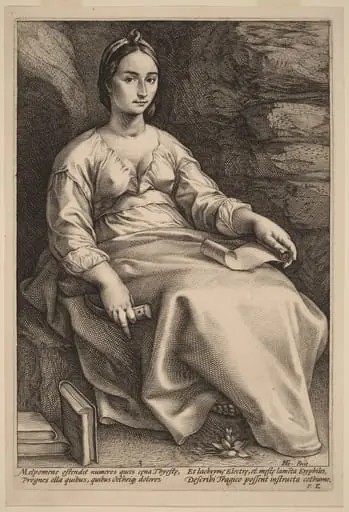 Melpomene
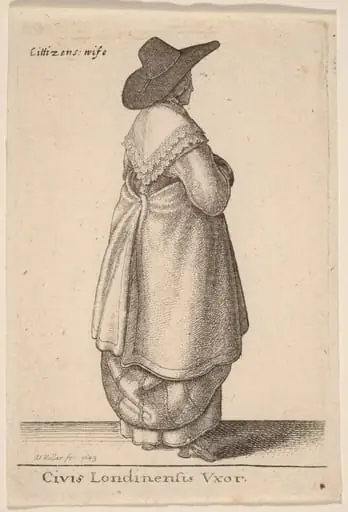 Civis Londinensis Vxor
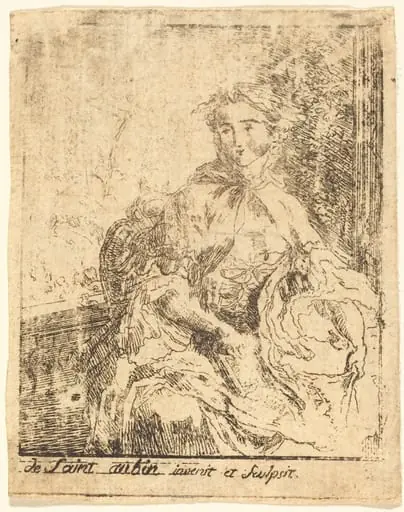 Young Woman on the Terrace (La jeune femme a la terrasse)
 The Woman with the Pear