Artwork
Mulier Calabra, Vulgo, Foretana di Napoli
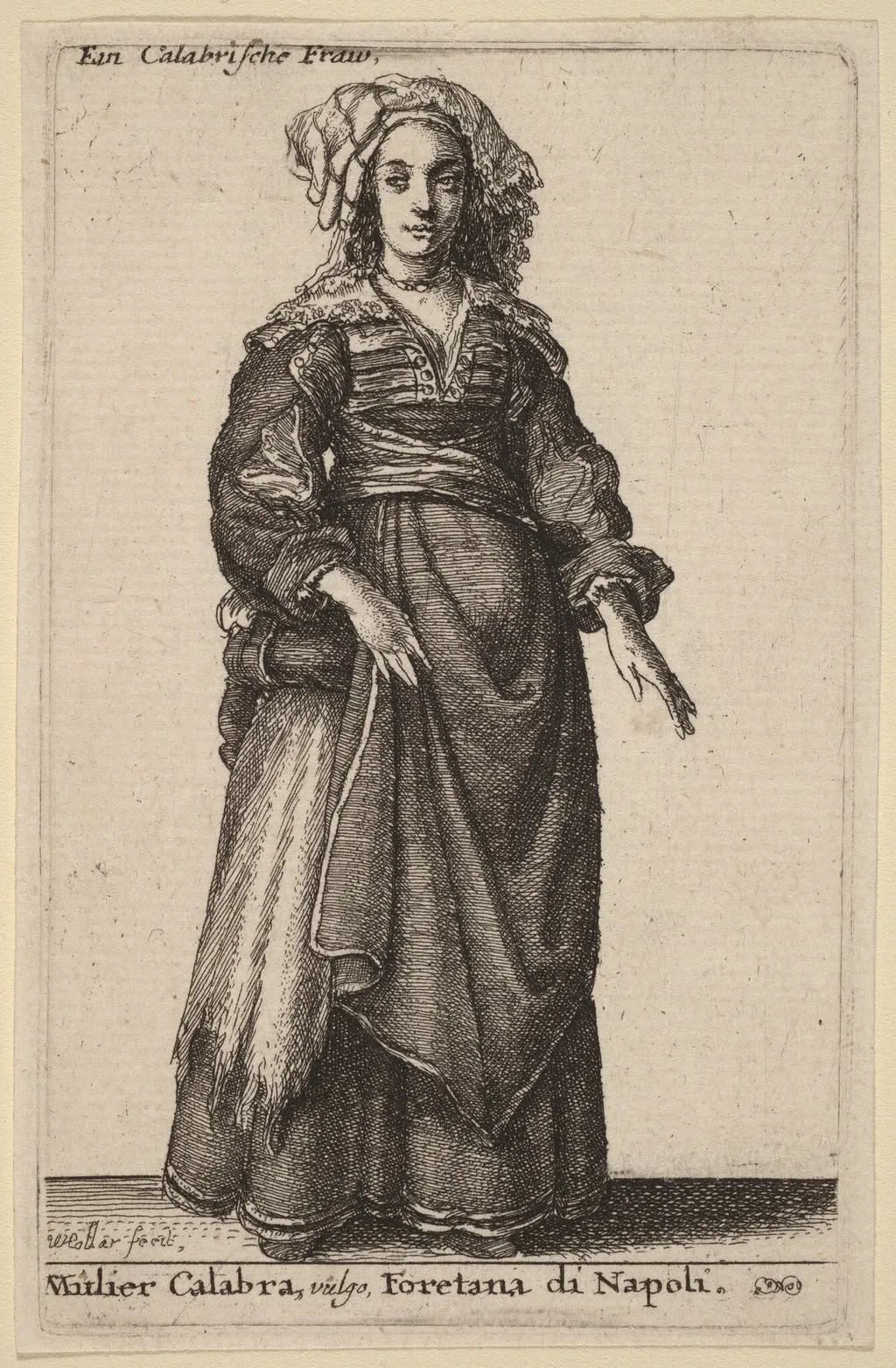
Mulier Calabra, Vulgo, Foretana di Napoli is an ink print by the Baroque artist Wenceslaus Hollar. It dates from 1647 and is held in the collection of the National Gallery of Art.
About this work
Overview
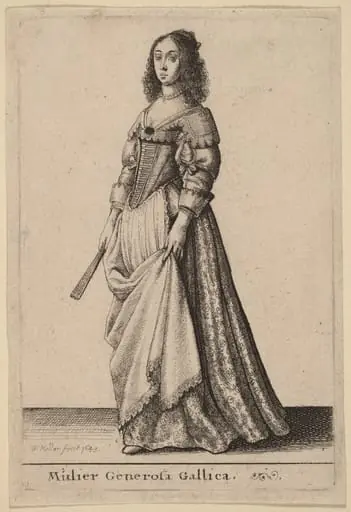
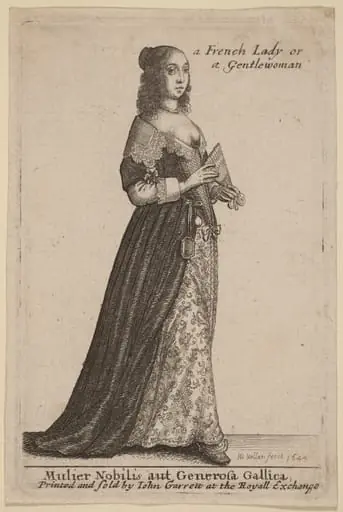
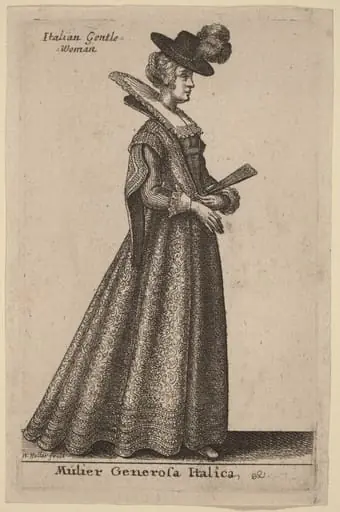
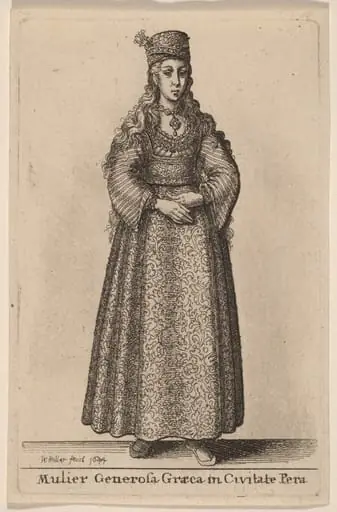
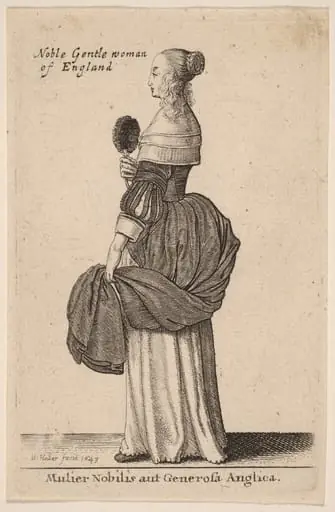
Mulier Calabra, Vulgo, Foretana di Napoli is an etching created by Wenceslaus Hollar in 1647. The work is a representation of a woman in traditional attire.
Subject & Meaning
The etching depicts a woman from Calabria, referred to as a woman from Naples, wearing a long dress and headscarf. Her neutral expression and calm posture convey a sense of serenity. The image offers a glimpse into the past, showcasing traditional clothing and cultural practices.
Technique & Style
The etching is characterized by detailed lines and shading, achieved through Hollar's skilled use of the etching technique. The resulting black-and-white image has depth and texture, reflecting Hollar's expertise in printmaking.
History & Provenance
Wenceslaus Hollar, a Czech-born engraver and etcher, created this work during his career, which spanned multiple locations including England. The etching dates back to 1647, a product of Hollar's focus on human subjects alongside his more well-known cityscapes and landscapes.
Artist & collection
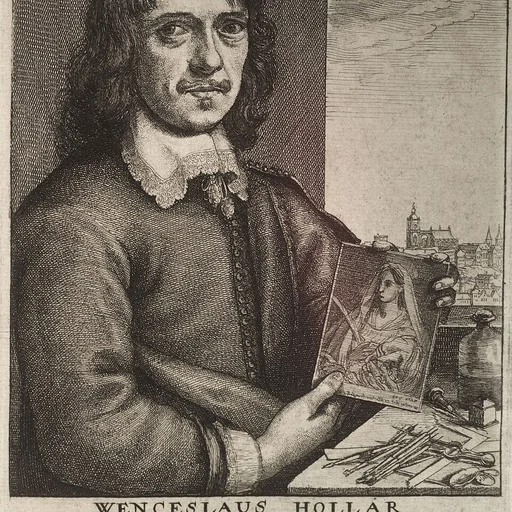
Artist
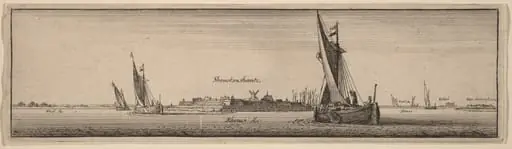
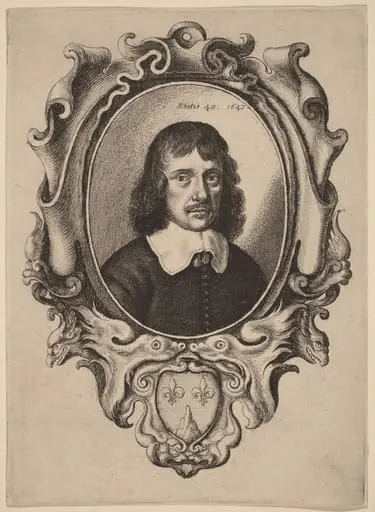
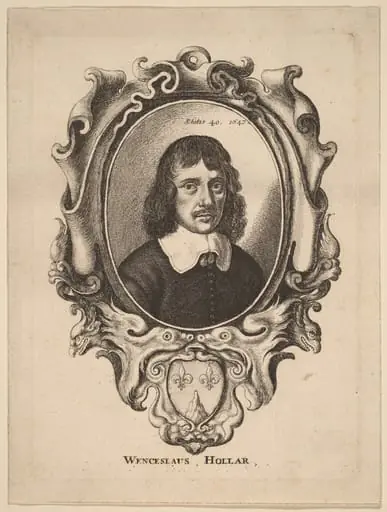
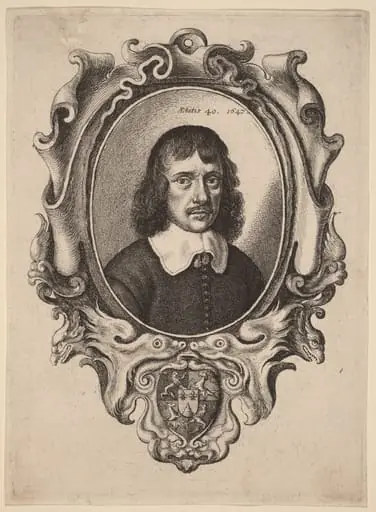
Wenceslaus Hollar (Czech: Václav Hollar (Czech pronunciation: ), German: Wenzel Hollar; 23 July 1607 – 25 March 1677) was a Czech engraver, etcher and painter.